

China Logistics Company Spain: Your Guide to Efficient Shipping
Finding a reliable china logistics company spain is the first step toward building a resilient international supply chain. Many businesses struggle with the complexities of importing goods across continents, yet the right partner simplifies every stage of the process. Consequently, this guide explores the most effective shipping methods, cost-saving strategies, and regulatory requirements for transporting cargo from Chinese manufacturing hubs to Spanish ports and cities.
Why Choose a Specialized China Logistics Company for Spain?
Navigating the trade route between China and the Iberian Peninsula requires deep knowledge of both Asian manufacturing and European logistics. Specifically, a specialized forwarder understands the nuances of Spanish customs and the specific documentation required by local authorities. Furthermore, they can offer tailored solutions that account for seasonal demand shifts and port congestion.
Choosing a local expert ensures that your cargo moves efficiently through major hubs like Barcelona, Valencia, and Algeciras. Moreover, these professionals maintain strong relationships with carriers, which often results in better space guarantees during peak seasons. Indeed, the right partnership can reduce your overall landed cost and improve delivery predictability.
Reliability remains the most significant factor when selecting a logistics provider for your Spanish operations. Therefore, you should look for companies that offer real-time tracking, transparent pricing, and comprehensive insurance options. Additionally, a provider with a strong presence in both China and Spain can resolve issues faster than a generalist firm.
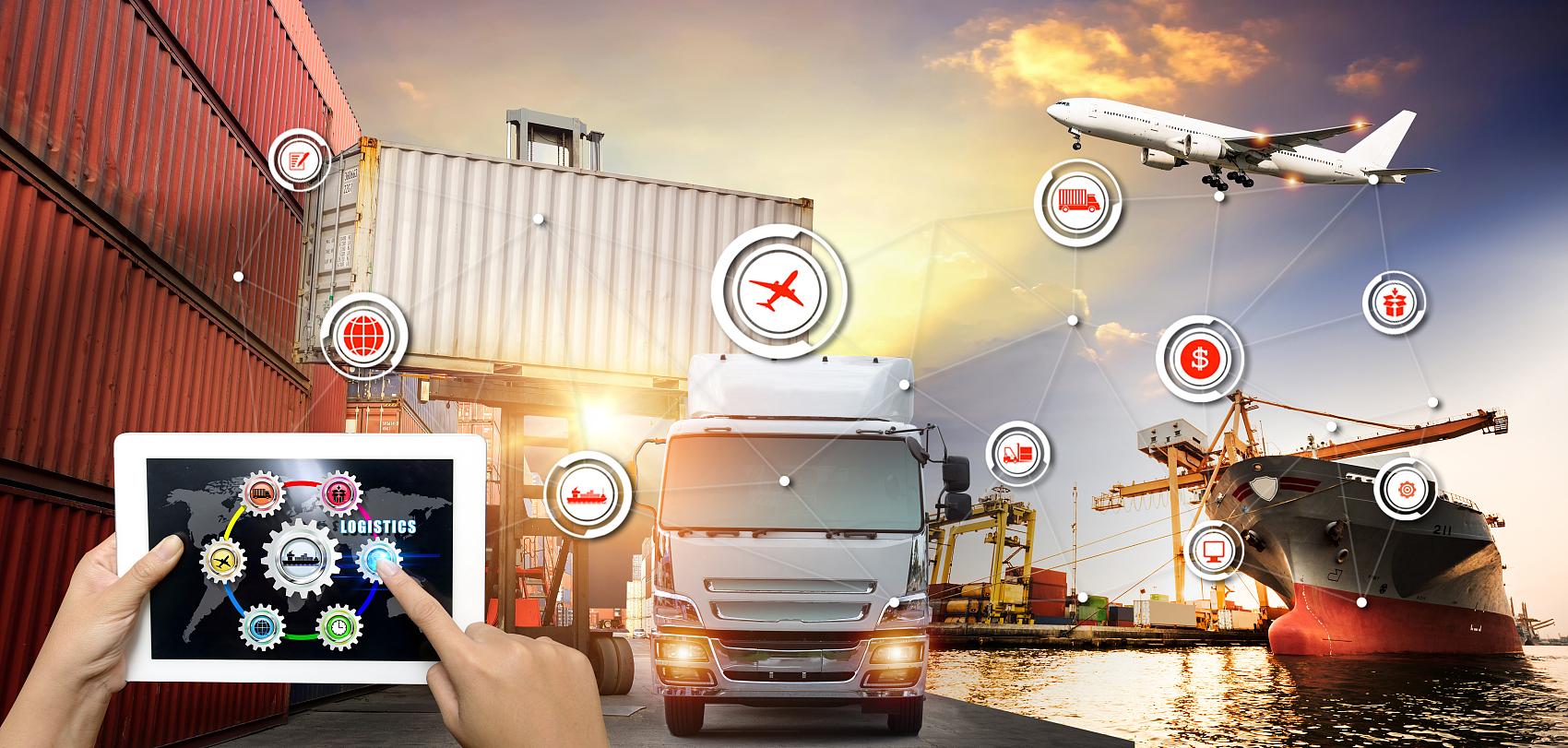
Primary Shipping Methods: Sea, Air, and Rail Freight
Ocean transport serves as the most common method for shipping large volumes of goods from China to Spain. For instance, sea freight offers the lowest cost per unit for bulk items and heavy machinery. Most shipments arrive at major Spanish ports within 30 to 45 days, depending on the specific route and carrier used.
Urgent shipments often require the speed and security of air freight to meet tight deadlines. Although this method is more expensive, it significantly reduces transit time to just 5 or 7 days. As a result, businesses dealing with high-value electronics or perishable goods frequently prioritize air transport over other options.
The China-Europe Railway Express provides a middle ground for companies seeking a balance between cost and speed. Utilizing rail freight allows cargo to reach Madrid or Barcelona in approximately 20 to 24 days. Consequently, rail has become an increasingly popular alternative to ocean shipping for time-sensitive industrial components.
| Method | Transit Time | Cost Level | Best For |
|---|---|---|---|
| Sea Freight | 30-45 Days | Low | Large volumes, heavy cargo |
| Air Freight | 5-7 Days | High | Urgent, high-value goods |
| Rail Freight | 20-24 Days | Medium | Medium-sized shipments |
| Express | 3-5 Days | Very High | Samples and documents |
How Does Sea Freight Compare to Other Shipping Options?
Evaluating the best shipping method requires an objective analysis of costs, transit times, and cargo requirements. While sea freight remains the most economical choice for 40HQ containers, air freight is nearly five times more expensive for the same weight. Nevertheless, the speed of air transport can save businesses from costly stockouts during high-demand periods.
Rail freight offers a unique advantage by bypassing the maritime bottlenecks often found in the Suez Canal. For example, during times of Red Sea disruption, rail services remained a stable alternative for Spanish importers. However, rail capacity is more limited than ocean vessels, meaning bookings must be made well in advance.
Hybrid solutions like sea-air combinations are also gaining traction among savvy logistics managers. This approach involves shipping goods by sea to a hub like Dubai and then flying them to Spain. Consequently, this strategy reduces costs compared to pure air freight while maintaining a faster timeline than standard ocean shipping.
| Shipping Method | Cost Range | Transit Time | Limitations |
|---|---|---|---|
| Sea FCL (40HQ) | $3,000 – $4,500 | 30-40 Days | Slowest transit time |
| Sea LCL (per CBM) | $60 – $120 | 35-45 Days | Higher risk of damage |
| Air Freight (kg) | $4.50 – $8.00 | 5-7 Days | Weight/Size limits |
| Rail Freight | $2,500 – $3,800 | 20-25 Days | Limited to inland hubs |

Which Option Should You Choose?
Deciding on a shipping method depends heavily on your budget, cargo type, and delivery deadline. If your primary goal is cost minimization, sea freight is almost always the superior choice for large shipments. On the other hand, if you are launching a new product and need it in Spanish stores immediately, air freight is the logical investment.
Volume thresholds often dictate when it is time to switch from LCL to FCL shipping. Typically, once a shipment exceeds 15 cubic meters, booking a full 20GP container becomes more cost-effective than paying for individual space. Therefore, calculating your total volume accurately is essential for optimizing your logistics spend.
Cargo characteristics also play a vital role in the decision-making process. Fragile items or those sensitive to temperature changes might require specialized containers or faster air transport to minimize handling. Without a doubt, consulting with your freight forwarder about these specifics will prevent unexpected losses during transit.
Understanding Customs Clearance and Import Duties in Spain
Importing goods into Spain requires strict adherence to European Union customs regulations. Specifically, every importer must possess a valid EORI number to clear goods through Spanish customs. Furthermore, providing accurate HS codes for your products is critical to ensure you pay the correct tariff rates and avoid penalties.
Documentation remains the most common hurdle for businesses working with a china logistics company spain. You must prepare a commercial invoice, a detailed packing list, and a Bill of Lading or Air Waybill. Additionally, certain products like electronics or toys may require CE certification to enter the Spanish market legally.
VAT and customs duties can significantly impact your final landed cost. Spain generally applies a standard VAT rate of 21 percent on imported goods, calculated on the total value including shipping and insurance. Consequently, working with a customs broker can help you navigate these financial obligations and identify potential duty relief programs.
Real Case Studies: Shipping Success from China to Spain
Case Study 1: Electronics from Shenzhen to Barcelona. A Spanish retailer needed to transport 2,000 units of consumer electronics for a summer promotion. They chose Sea FCL (40HQ) via a direct route to Barcelona Port. Total cost was approximately $3,800 with a sea transit of 32 days. Key Insight: Early booking allowed them to secure a lower rate before the peak season price hike.
Case Study 2: Industrial Parts from Ningbo to Valencia. An engineering firm required urgent replacement parts for a manufacturing plant. They utilized Air Freight for 500kg of cargo, arriving at Valencia Airport in just 6 days. Total landed cost was $4,200. Key Insight: The speed of air cargo prevented a factory shutdown that would have cost the company thousands in lost productivity.
Case Study 3: Furniture from Foshan to Madrid via Rail. A boutique furniture store imported a collection of high-end sofas using Rail Freight. The shipment arrived at the Madrid dry port in 22 days, costing $3,200 for a 20GP container. Key Insight: Rail provided a faster alternative to sea without the extreme expense of air transport, fitting the client’s mid-range budget.
The Benefits of Door-to-Door Logistics Services
Modern businesses increasingly prefer door to door solutions to simplify their supply chains. This service covers every step from the Chinese factory floor to the final warehouse destination in Spain. Consequently, importers do not have to worry about coordinating multiple carriers or handling complex port logistics themselves.
Efficiency improves when a single provider manages the entire journey. For instance, the logistics company handles the pickup, export clearance, international transport, and final mile delivery. Moreover, this integrated approach often leads to better communication and fewer delays at transfer points.
Cost transparency is another major advantage of door-to-door services. Instead of receiving multiple invoices from different vendors, you get a single comprehensive quote. Therefore, you can calculate your profit margins more accurately and avoid hidden fees that often arise in port-to-port shipping.
Cost-Saving Strategies for Importing to Spain
Reducing shipping expenses requires a proactive approach to logistics management. One effective strategy is consolidating multiple small orders into a single LCL or FCL shipment. Furthermore, optimizing your packaging to reduce wasted space can lower your billable weight and overall freight charges.
Timing your shipments is also essential for capturing the best market rates. Generally, freight costs from China to Spain rise significantly in the weeks leading up to the Chinese New Year and during the Q4 peak season. By planning your inventory cycles around these periods, you can avoid paying premium prices for cargo space.
Negotiating long-term contracts with your freight forwarder can provide price stability in a volatile market. While spot rates might occasionally be lower, a contract ensures consistent service and predictable costs throughout the year. Finally, always request multiple quotes to ensure you are receiving competitive pricing for your specific route.

Mastering Your Logistics from China to Spain
Successfully managing international trade requires a deep understanding of the global shipping landscape. By partnering with a professional china logistics company spain, you gain access to the expertise needed to navigate complex customs and fluctuating freight markets. Whether you choose sea, air, or rail, the key is to prioritize reliability and clear communication.
Market conditions as of early 2025 suggest that freight rates have stabilized, making it an excellent time to optimize your supply chain. Remember that planning ahead and choosing the right shipping method based on your specific needs will always yield the best results. Start your journey toward efficient logistics today by selecting a partner that understands the unique requirements of the Spanish market.
Note: Freight rates are subject to change based on fuel costs, carrier capacity, and seasonal demand. Contact us for a current quote tailored to your specific shipment.
Ready to streamline your logistics?
Ready to streamline your imports? Contact our expert team today to receive a personalized quote for your next shipment from China to Spain. Visit https://logisticsfromchina.com/ to learn more about our comprehensive logistics solutions. Let us help you find the most efficient path for your cargo today.
Request Quote