

Freight Forwarding Services China by Sea: 2025 Comprehensive Guide
Finding reliable freight forwarding services china by sea is essential for businesses looking to scale their international trade operations efficiently. However, the complexity of global logistics often presents significant challenges for importers who are unfamiliar with ocean shipping protocols. Consequently, this guide provides a comprehensive overview of how to navigate the sea freight landscape to maximize your profit margins. Meanwhile, understanding the nuances of container shipping will help you avoid costly delays and ensure a smooth delivery process from Chinese factories to your local warehouse.

Why Choose Freight Forwarding Services China by Sea?
Sea freight remains the most cost-effective method for transporting large volumes of goods across the globe. Additionally, it offers the highest capacity for bulky items that other modes cannot accommodate. Choosing sea freight allows businesses to benefit from economies of scale. Moreover, modern ocean carriers have improved their scheduling to provide more predictable arrival dates. Consequently, most global trade relies on this method for its balance of affordability and reliability.
Environmental considerations also play a role in selecting ocean transport over other methods. Specifically, sea freight produces significantly lower carbon emissions per ton of cargo compared to air transport. Therefore, companies with sustainability goals often prioritize ocean routes for their primary supply chain. Furthermore, the infrastructure at major Chinese ports like Shanghai and Ningbo is world-class, ensuring efficient cargo handling.
How Does Sea Freight Compare to Other Shipping Options?
Comparing different transport methods is vital for optimizing your supply chain strategy. For example, while air freight offers speed, it often costs five times more than ocean transport. Alternatively, rail freight provides a middle ground for shipments to Europe. Nevertheless, sea freight remains the dominant choice for the majority of global trade routes due to its massive infrastructure. Indeed, for shipments over 500 kilograms, the cost savings of sea freight become impossible to ignore.
Hybrid solutions like sea-air combinations are also gaining popularity in the current market. These strategies involve shipping by sea to a hub like Dubai and then flying the cargo to the final destination. As a result, shippers can save money compared to pure air freight while reducing transit time compared to pure sea freight. However, for the majority of standard consumer goods, direct ocean transport remains the most logical choice.
| Shipping Method | Cost Range | Transit Time | Best For |
|---|---|---|---|
| Sea Freight | $1,500 – $4,500 per FCL | 20 – 45 Days | Bulk goods and large volumes |
| Air Freight | $5 – $12 per kg | 3 – 7 Days | High-value or urgent items |
| Rail Freight | $2,500 – $6,000 per FCL | 15 – 22 Days | Inland Europe destinations |
| Express | $8 – $20 per kg | 2 – 5 Days | Small samples and documents |
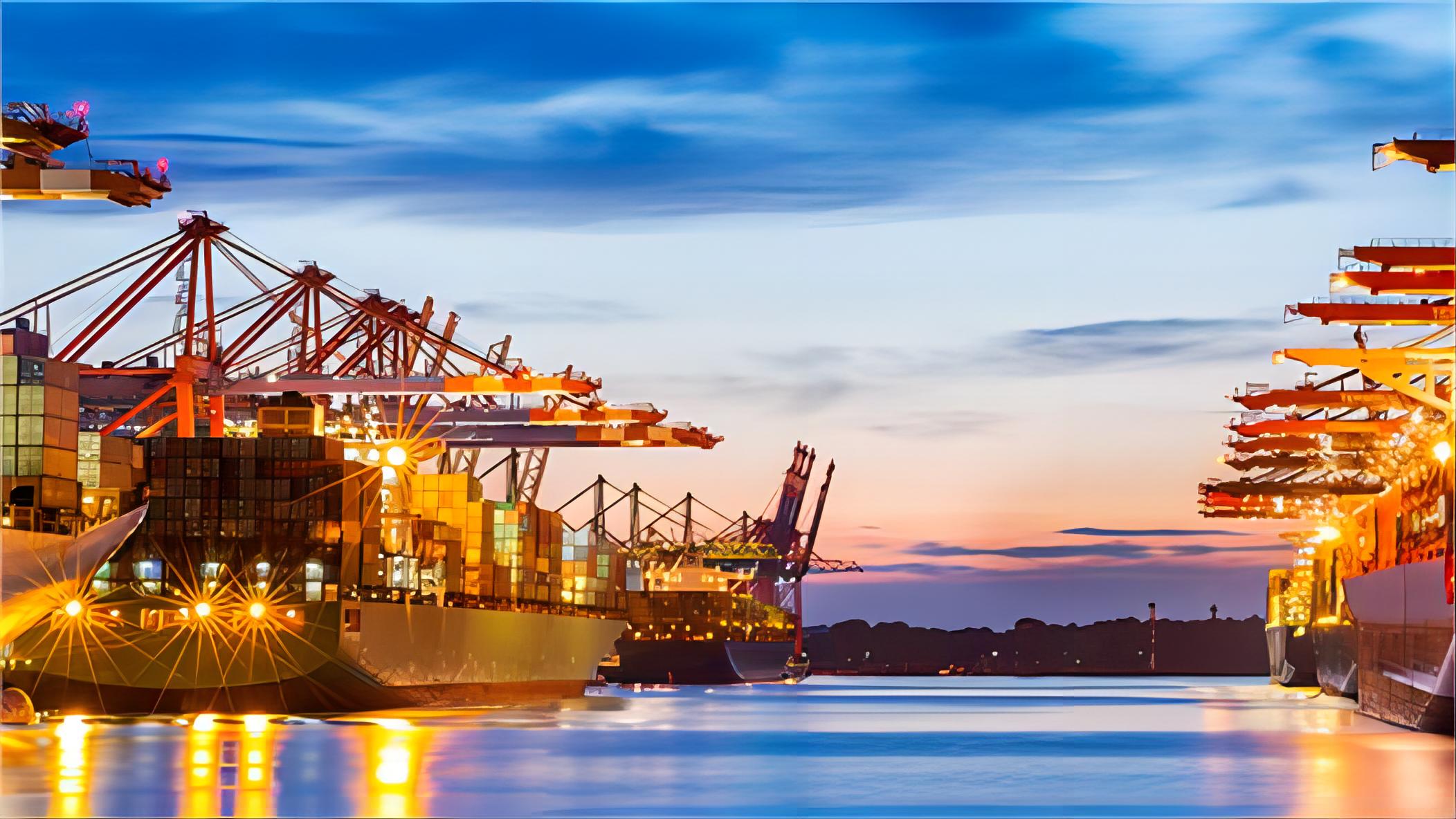
Understanding FCL and LCL Freight Forwarding Services China by Sea
Full Container Load (FCL) is ideal for businesses with enough cargo to fill a 20-foot or 40-foot container. Furthermore, FCL shipments generally experience fewer delays because they do not require consolidation at the port of origin. Specifically, this is a popular choice for Amazon FBA sellers who move high volumes of inventory. In contrast, Less than Container Load (LCL) serves smaller shipments that do not fill an entire unit. Consequently, you only pay for the volume you use, which is measured in cubic meters.
LCL shipping requires careful planning because the cargo must be consolidated with other shipments. Therefore, transit times for LCL are often 5 to 7 days longer than FCL due to the extra handling required. Moreover, the risk of damage is slightly higher in LCL because items from different shippers are packed together. Nevertheless, for startups and small businesses, LCL remains the most accessible entry point into international trade. Indeed, it allows for testing new products without committing to massive inventory levels.
Strategic Cost-Saving Strategies for Sea Freight
Reducing your ocean transport expenses requires a proactive approach to logistics management. For instance, booking your shipment at least 3-4 weeks in advance can help you secure lower rates. Additionally, avoiding the peak season from August to October can save you up to 25 percent on freight costs. Consequently, businesses that plan their inventory cycles around these fluctuations maintain much healthier profit margins. Furthermore, consolidating multiple small orders from different suppliers into one FCL container can drastically reduce per-unit costs.
Negotiating with multiple carriers is another effective way to lower your total landed cost. However, price should not be the only factor in your decision-making process. For example, a cheaper carrier might have a higher frequency of rolled cargo, leading to unpredictable delays. Therefore, it is often better to pay a slight premium for a reliable service with a proven track record. Meanwhile, using lightweight packaging materials can reduce the total weight and volume of your LCL shipments, further cutting costs.
Real-World Case Studies for Ocean Freight
Examining actual shipping scenarios helps clarify the costs and timelines involved in international logistics. These examples reflect current market conditions and standard operational procedures as of early 2025. Specifically, they highlight the differences between various routes and cargo types.
[Case Study 1: Furniture to United Kingdom] Route: Ningbo, China to Felixstowe, UK Cargo: Home Furniture, 28 CBM Container: 40GP Carrier: COSCO Ocean Freight: $3,250 Origin Charges: $450 Destination Charges: $600 Total Landed Cost: $4,300 Sea Transit: 34 days Door-to-Door: 45 days Key Insight: Direct routing from Ningbo saved the client five days in total transit time compared to transshipment.
[Case Study 2: Electronics to USA West Coast] Route: Shanghai, China to Long Beach, USA Cargo: Consumer Electronics, 14 CBM Container: LCL Carrier: Maersk Ocean Freight: $1,200 Origin Charges: $300 Destination Charges: $550 Total Landed Cost: $2,050 Sea Transit: 16 days Door-to-Door: 28 days Key Insight: Using a fast-boat service significantly reduced the lead time for this high-demand seasonal product.
Which Option Should You Choose?
Decision making should depend on your specific budget and delivery requirements. If speed is your main priority, you might consider faster but more expensive alternatives like air freight. Conversely, if you want to minimize costs, sea freight is the clear winner for heavy cargo. Use the following table to determine the best fit for your current inventory needs based on typical 2025 market rates.
Note: Freight rates are subject to change based on fuel costs, carrier capacity, and seasonal demand. Contact us for a current quote tailored to your specific shipment. Specifically, rates can fluctuate weekly based on global economic conditions and port congestion levels.
| Route | 20GP Container | 40HQ Container | Transit Time |
|---|---|---|---|
| China to Europe | $1,800 – $2,500 | $3,000 – $4,200 | 28-35 Days |
| China to USA West | $1,500 – $2,200 | $2,800 – $3,800 | 14-18 Days |
| China to USA East | $2,500 – $3,500 | $4,500 – $6,000 | 30-35 Days |
| China to Australia | $800 – $1,200 | $1,400 – $2,000 | 12-18 Days |
Essential Documentation for Freight Forwarding Services China by Sea
Proper paperwork ensures that your cargo passes through customs without unnecessary delays or penalties. Therefore, you must work closely with a customs brokerage professional to verify all forms. Key documents include the Bill of Lading, Commercial Invoice, and Packing List. Additionally, some products require specific certificates of origin or safety data sheets to comply with local regulations. Furthermore, ensuring that all HS codes are accurate is critical for determining the correct duty and tax rates.
International trade compliance is becoming increasingly complex with new environmental and security regulations. Consequently, missing a single document can result in your container being held at the port for weeks. As a result, many businesses now use digital documentation platforms to track their paperwork in real-time. This approach reduces the risk of human error and speeds up the clearance process significantly. Indeed, having your documents ready before the ship docks is the best way to ensure a fast delivery.
Summary of Sea Freight Solutions
Navigating freight forwarding services china by sea requires a balance of cost management and strategic planning. By understanding the nuances of FCL and LCL, you can optimize your shipping budget effectively. Furthermore, staying informed about market trends and documentation requirements will protect your business from unexpected logistics hurdles. Ultimately, partnering with an experienced logistics provider ensures your goods arrive safely and on time. Start planning your next shipment today to take advantage of competitive ocean rates and secure your place in the global market.
Ready to streamline your logistics?
Are you ready to streamline your supply chain with professional freight forwarding services china by sea? Our team at Logistics From China is here to provide you with competitive rates and reliable shipping solutions tailored to your business needs. Contact us today to receive a custom quote and experience hassle-free international logistics. Visit our website to learn more about our comprehensive ocean freight options. Send Inquiry: https://logisticsfromchina.com/contact/
Request Quote