
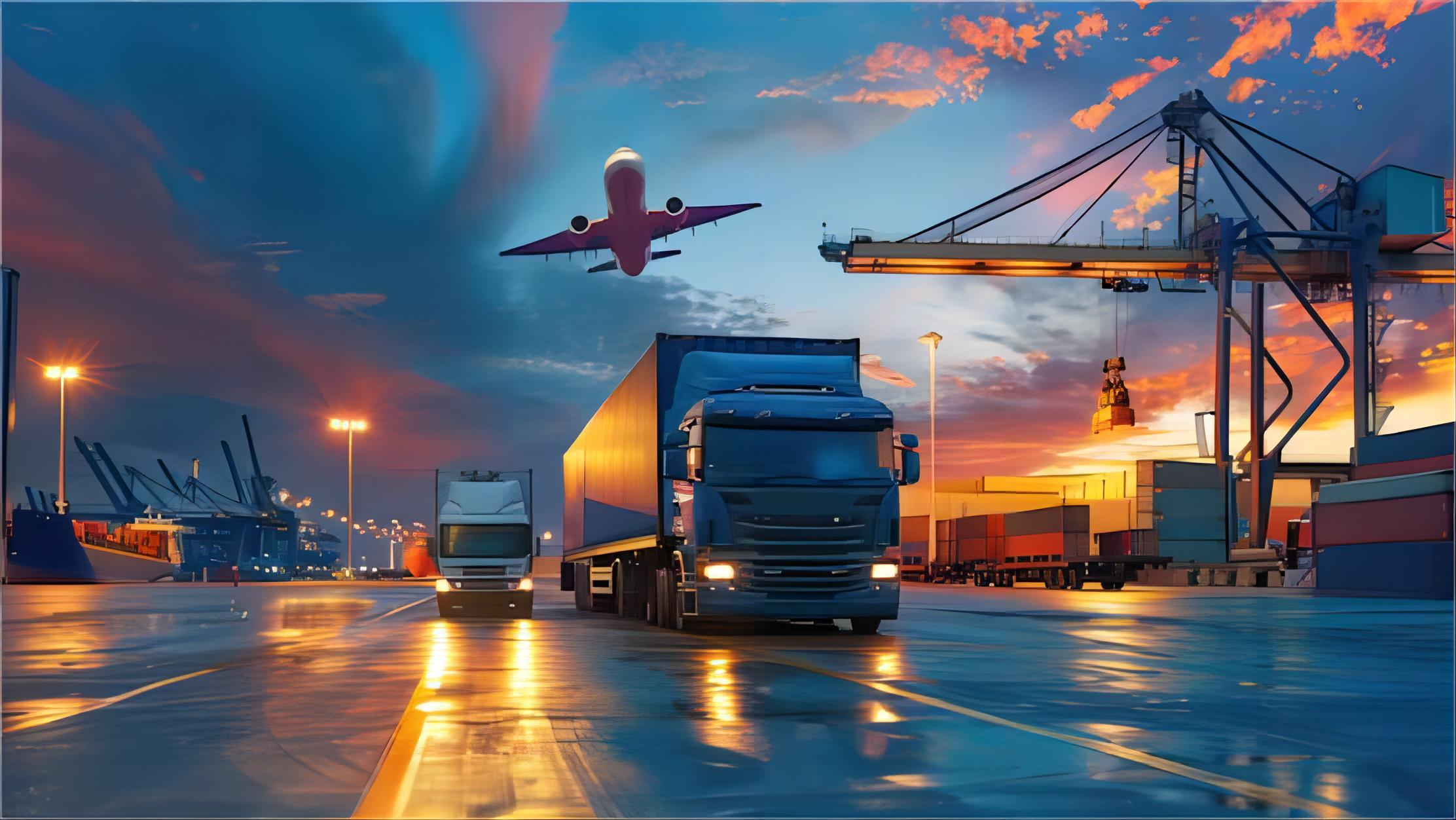
FCL Shipping China: The Comprehensive 2025 Logistics Guide
Choosing FCL shipping China is a strategic decision for businesses looking to move large volumes of goods efficiently across the globe. By partnering with Logistics From China, importers can access streamlined shipping solutions that minimize transit delays. This comprehensive guide explores everything you need to know about Full Container Load logistics, from pricing structures to customs compliance.
What is FCL Shipping China and How Does It Work?
FCL shipping China refers to the Full Container Load method where a single shipper has exclusive use of an entire ocean container. Unlike shared shipping methods, FCL ensures that your cargo does not mingle with goods from other importers. Consequently, this method offers higher security and faster handling at both the origin and destination ports.
Moreover, the process begins when a supplier in China loads the goods directly into the container at their warehouse or a nearby terminal. Once the container is sealed, it remains closed until it reaches its final destination, reducing the risk of damage or theft. Therefore, businesses moving more than 15 cubic meters of cargo typically find FCL to be the most cost-effective solution.
Furthermore, the logistics chain involves several key players including the carrier, freight forwarder, and customs agents. Understanding these roles is essential for maintaining a smooth supply chain and avoiding unnecessary demurrage charges. Indeed, FCL is the preferred choice for high-volume traders who require consistent delivery schedules.
How Does FCL Shipping Compare to Other Shipping Options?
Evaluating different transport modes is vital for optimizing your logistics budget and meeting customer expectations. While FCL is excellent for large volumes, other methods like LCL, air freight, or rail freight might suit specific urgent or small-scale needs. Specifically, FCL offers the lowest cost per unit when the container is fully utilized.
However, air freight remains the fastest option for time-sensitive electronics or fashion items, albeit at a significantly higher price point. In contrast, rail freight provides a middle ground for shipments to Europe, offering faster transit than sea but lower costs than air. Accordingly, shippers must weigh the trade-offs between speed, cost, and cargo safety before booking.
| Shipping Method | Cost Range | Transit Time | Best For |
|---|---|---|---|
| FCL Sea Freight | $1,500 – $6,000 | 15 – 45 Days | Bulk goods and large inventory |
| LCL Sea Freight | $50 – $150 per CBM | 20 – 50 Days | Small shipments (under 15 CBM) |
| Air Freight | $4 – $10 per kg | 3 – 7 Days | High-value or urgent goods |
| Rail Freight | $2,000 – $4,500 | 18 – 25 Days | Landlocked European regions |
Key Benefits of Choosing Full Container Load (FCL)
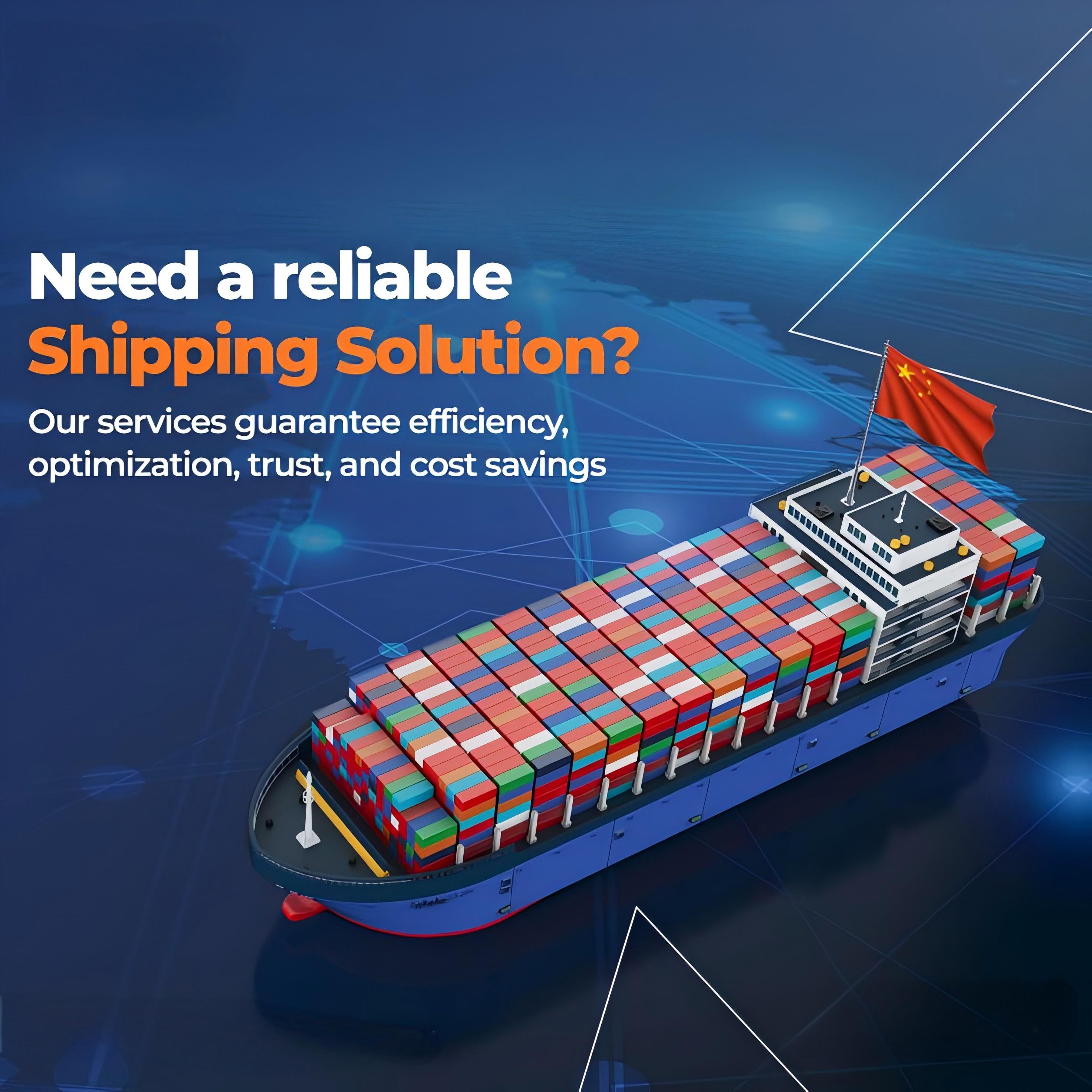
One of the primary advantages of FCL shipping China is the significantly reduced risk of cargo damage. Because the container is loaded and sealed by the shipper, the goods are handled less frequently than in LCL shipments. Additionally, the lack of co-loading means there is no risk of contamination from other products, such as liquids or chemicals.
Another benefit is the speed of processing at the port. FCL containers do not need to go through a consolidation or deconsolidation warehouse, which can save several days of transit time. Consequently, your goods can move directly from the port to your warehouse, improving your overall inventory turnover rate.
Furthermore, FCL provides better predictability for your supply chain management. Most major carriers offer fixed weekly departures from Chinese ports like Shanghai, Ningbo, and Shenzhen. Therefore, you can plan your production and marketing cycles with greater confidence, knowing exactly when your stock will arrive.
Calculating FCL Shipping Costs from China
Understanding the components of sea freight pricing is crucial for accurate budgeting. The total cost is not just the ocean freight rate; it also includes origin charges, destination fees, and local trucking costs. For instance, port handling fees (THC) and documentation fees can add several hundred dollars to your invoice.
Moreover, freight rates are highly volatile and fluctuate based on seasonal demand, fuel surcharges (BAF), and currency adjustments (CAF). During the peak season from August to October, rates often spike as retailers stock up for the holidays. Meanwhile, the off-peak period after the Chinese New Year usually offers the most competitive pricing for savvy importers.
Additionally, you must account for potential surcharges like the Peak Season Surcharge (PSS) or the Emergency Bunker Surcharge (EBS). To get the best value, it is often wise to book your container at least two to three weeks in advance. Note: Freight rates are subject to change based on fuel costs, carrier capacity, and seasonal demand. Contact us for a current quote tailored to your specific shipment.
Transit Times for FCL Shipments by Destination
Transit times vary significantly depending on the destination port and the specific shipping route chosen. For example, shipments to the US West Coast are much faster than those going to the East Coast via the Panama Canal. Specifically, a direct vessel from Shanghai to Los Angeles might take only 14 to 18 days.
In contrast, shipping to North America East Coast ports like New York typically takes 30 to 35 days. Similarly, routes to Europe involve passing through the Suez Canal, which generally requires a 30 to 40-day window. Consequently, planning your lead times is essential to avoid stockouts in your local market.
| Destination | Main Ports | Avg. Transit | Service Type |
|---|---|---|---|
| USA West Coast | LA, Long Beach | 14 – 18 Days | Direct |
| USA East Coast | New York, Savannah | 30 – 35 Days | Via Panama/Suez |
| Western Europe | Rotterdam, Hamburg | 32 – 38 Days | Direct |
| Australia | Sydney, Melbourne | 12 – 18 Days | Direct |
Which Option Should You Choose? Decision Framework
Deciding between FCL and other methods requires a clear analysis of your business priorities. If your primary goal is cost-efficiency for a large volume of goods, FCL is almost always the superior choice. However, if you are testing a new product with low volume, LCL might be a safer initial investment to preserve cash flow.
Specifically, consider the following criteria: If your volume exceeds 15 CBM, choose FCL. If your goods are fragile or high-value, choose FCL for security. If you have a strict deadline under 10 days, choose air freight. On the other hand, if you are shipping to a landlocked country in Central Europe, consider rail freight as a viable alternative.
Moreover, hybrid solutions can sometimes offer the best of both worlds. For example, some shippers use sea-air services to balance cost and speed. Nevertheless, for the vast majority of global trade, FCL shipping China remains the standard for reliability and scalable logistics.
Essential Customs Documents for FCL Shipments
Navigating the complexities of customs brokerage is a critical step in the FCL process. Missing or incorrect documentation can lead to expensive port storage fees or even seizure of goods. Therefore, ensuring all paperwork is compliant with both Chinese export laws and your local import regulations is mandatory.
Furthermore, the Bill of Lading (B/L) serves as the most important document in sea freight. It acts as a contract of carriage and a title to the goods. Additionally, the Commercial Invoice and Packing List must accurately reflect the contents and value of the container to ensure correct duty assessment by customs officials.
Consequently, working with an experienced logistics partner can help you avoid common pitfalls. For instance, some countries require specific certificates of origin to qualify for preferential tariff rates. Indeed, staying organized with your documentation is the best way to ensure a fast and hassle-free clearance process.
| Document Name | Purpose | Required By | Key Tip |
|---|---|---|---|
| Bill of Lading | Title of goods | Carrier/Customs | Keep original safe |
| Commercial Invoice | Value declaration | Customs | Match PO exactly |
| Packing List | Content details | Warehouse/Customs | Include net/gross weight |
| CO (Cert. of Origin) | Prove origin | Customs | Reduces duty rates |
Real-World FCL Shipping Case Studies
Analyzing real-world scenarios helps illustrate the practical challenges and successes of FCL shipping China. Below are two recent examples that highlight the importance of route selection and cost management in today’s market. These cases reflect typical market conditions as of early 2025.
Specifically, these examples show how different container types and destinations impact the final landed cost. Whether you are shipping furniture or electronics, these insights can help you refine your own logistics strategy.
Case Study 1: Furniture Export to the United Kingdom
Route: Foshan, China to Felixstowe, UK. Cargo: Home Furniture, 65 CBM, 12,000 kg. Container: 40HQ. Shipping Details: Major carrier (COSCO), Port of Loading: Shenzhen, Port of Discharge: Felixstowe, Route Type: Direct.
Cost Breakdown: Ocean Freight: $3,850; Origin Charges: $450; Destination Charges: $600; Customs and Duties (estimated): $1,200; Total Landed Cost: $6,100. Timeline: Booking to Loading: 5 days; Sea Transit: 34 days; Customs Clearance: 3 days; Total Door-to-Door: 42 days.
Key Insight: Using a 40HQ container allowed the shipper to maximize volume for lightweight furniture, significantly lowering the shipping cost per item compared to multiple 20GP containers.
Case Study 2: Industrial Machinery to Australia
Route: Ningbo, China to Melbourne, Australia. Cargo: CNC Machinery, 25 CBM, 18,000 kg. Container: 20GP. Shipping Details: Major carrier (Maersk), Port of Loading: Ningbo, Port of Discharge: Melbourne, Route Type: Direct.
Cost Breakdown: Ocean Freight: $1,100; Origin Charges: $350; Destination Charges: $550; Customs and Duties (estimated): $2,500; Total Landed Cost: $4,500. Timeline: Booking to Loading: 4 days; Sea Transit: 16 days; Customs Clearance: 2 days; Total Door-to-Door: 22 days.
Key Insight: For heavy machinery, the weight limit of the 20GP was the deciding factor. The direct route to Australia remains one of the fastest and most cost-effective FCL options from China.
Optimizing Your Supply Chain with Door to Door FCL
For many businesses, a door to door service is the ultimate way to simplify FCL shipping China. This service handles the entire journey from the supplier’s factory in China to your final warehouse location. Consequently, you only have to deal with one point of contact, which reduces communication errors and saves time.
Moreover, this integrated approach often includes inland trucking, export clearance, ocean freight, and final mile delivery. While the upfront quote might seem higher than port-to-port rates, the hidden savings in time and reduced administrative burden are substantial. Therefore, it is highly recommended for small to medium enterprises that do not have a dedicated logistics department.
Additionally, door-to-door services often provide better visibility through advanced tracking systems. You can monitor your container’s progress in real-time, allowing for better coordination with your warehouse team. Indeed, this level of control is invaluable for maintaining a lean and responsive supply chain.
Final Thoughts on FCL Shipping China
In conclusion, mastering FCL shipping China is essential for any business looking to scale its international trade operations. By understanding the differences between container types, transit times, and cost structures, you can make informed decisions that protect your bottom line. Moreover, the security and efficiency offered by full container loads make it the gold standard for ocean freight.
As market conditions continue to evolve in 2025, staying informed about industry trends and customs requirements will remain a competitive advantage. Whether you are shipping to North America, Europe, or Australia, choosing the right logistics partner is the key to success. Therefore, prioritize reliability and transparency in your shipping strategy to ensure your goods arrive safely and on time.
Ready to streamline your logistics?
Ready to optimize your global supply chain with reliable FCL shipping China? Contact our expert team today to receive a customized freight quote and discover how we can streamline your imports. Visit our inquiry page to get started: Visit https://logisticsfromchina.com/contact/ Send Inquiry link:
Request Quote