

Shipping from China International: The Ultimate 2025 Logistics Guide
Managing shipping from china international requires a deep understanding of global logistics networks and complex customs regulations. Many businesses struggle with fluctuating freight rates and unpredictable delivery schedules that impact their bottom line. At Logistics From China, we provide comprehensive solutions to streamline your international supply chain and ensure your cargo arrives safely.
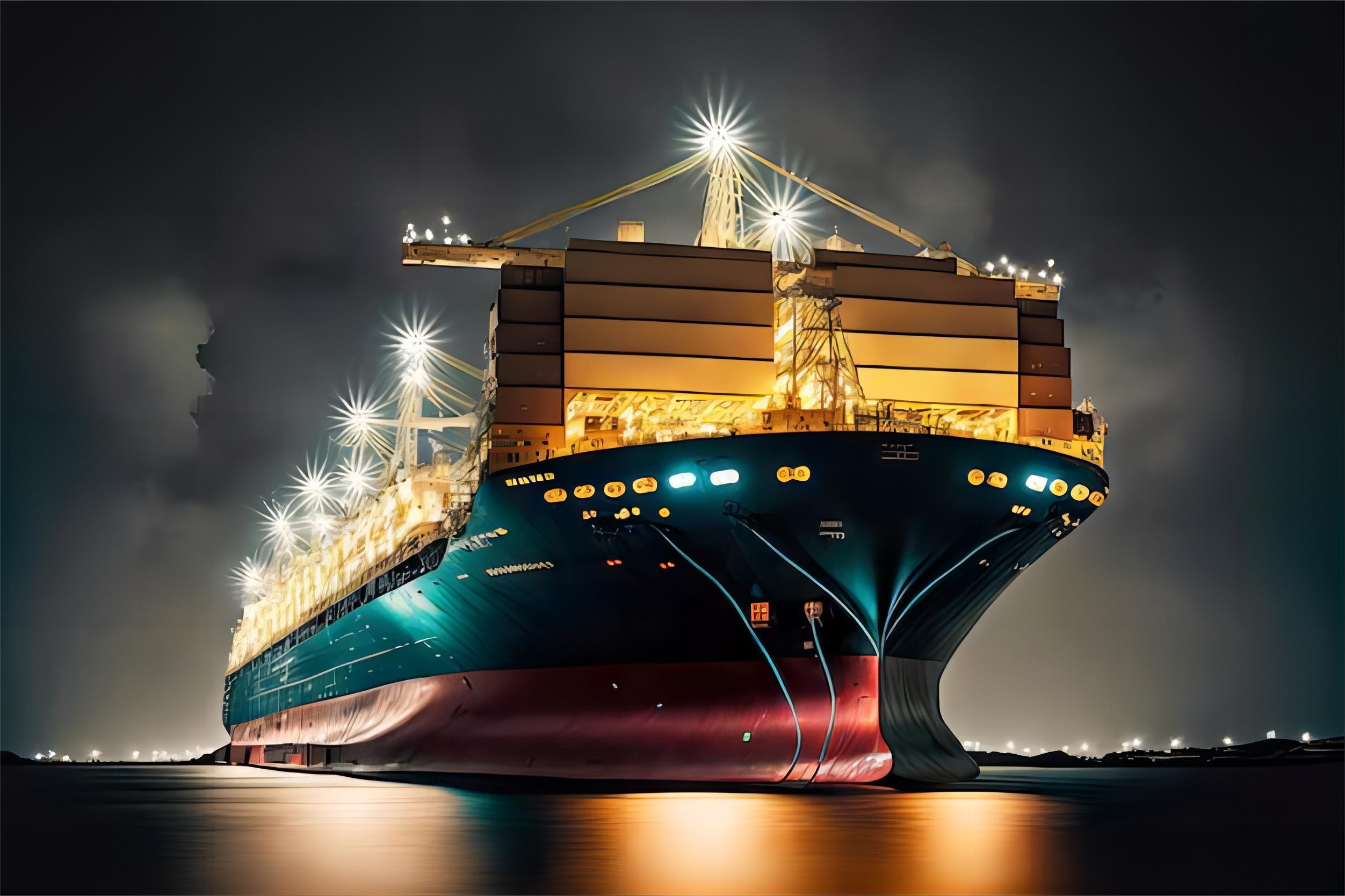
What Are the Primary Methods for Shipping from China International?
Selecting the right transport method is the most critical decision in your logistics strategy. Businesses typically choose between sea freight, air freight, and express courier services based on their budget and timeline. Furthermore, each method offers distinct advantages depending on the volume and weight of your goods.
For large-scale shipments, sea freight remains the most cost-effective solution for global trade. It allows importers to move massive quantities of products at a fraction of the cost of air transport. Consequently, most manufacturing companies rely on ocean containers for their primary supply chain needs.
Alternatively, businesses with urgent requirements often prefer air transport to minimize transit times. Although the costs are significantly higher, the speed of delivery can be a competitive advantage in fast-moving markets. Meanwhile, express services provide a seamless experience for smaller parcels and product samples.
Understanding FCL and LCL Shipping
Full Container Load (FCL) is ideal for businesses that have enough cargo to fill a 20-foot or 40-foot container. This method offers better security and faster handling since the container remains sealed from origin to destination. In addition, FCL usually carries a lower cost per unit of volume compared to shared options.
Less than Container Load (LCL) allows multiple shippers to share space within a single container. This is a flexible choice for smaller shipments that do not justify the cost of a full container. However, LCL shipments may experience slightly longer transit times due to the consolidation and deconsolidation processes at the ports.
How Does Sea Freight Compare to Other Shipping Options?
Evaluating different transport modes requires a balanced look at cost, speed, and reliability. While sea freight is the backbone of international trade, it is not always the best fit for every scenario. Therefore, importers must analyze their specific cargo requirements before committing to a route.
Sea freight offers the lowest price point for heavy or bulky items like furniture and machinery. On the other hand, air freight provides unmatched speed for electronics and perishable items. Rail freight has also emerged as a middle-ground solution for shipments moving from China to Europe, offering faster speeds than sea at lower costs than air.
According to industry benchmarks, sea freight costs approximately 10 to 15 percent of air freight for the same volume of goods. However, the transit time for sea freight can be five to six times longer than air transport. This trade-off between cost and speed is the primary factor in logistics decision-making.
| Shipping Method | Cost Range | Transit Time | Best For |
|---|---|---|---|
| Sea Freight | $1,500 – $4,500 per container | 25 – 45 Days | Bulk goods and heavy machinery |
| Air Freight | $5.00 – $10.00 per kg | 3 – 7 Days | High-value electronics |
| Express Service | $8.00 – $15.00 per kg | 2 – 5 Days | Small parcels and samples |
| Rail Freight | $2,500 – $5,000 per container | 15 – 22 Days | European land routes |
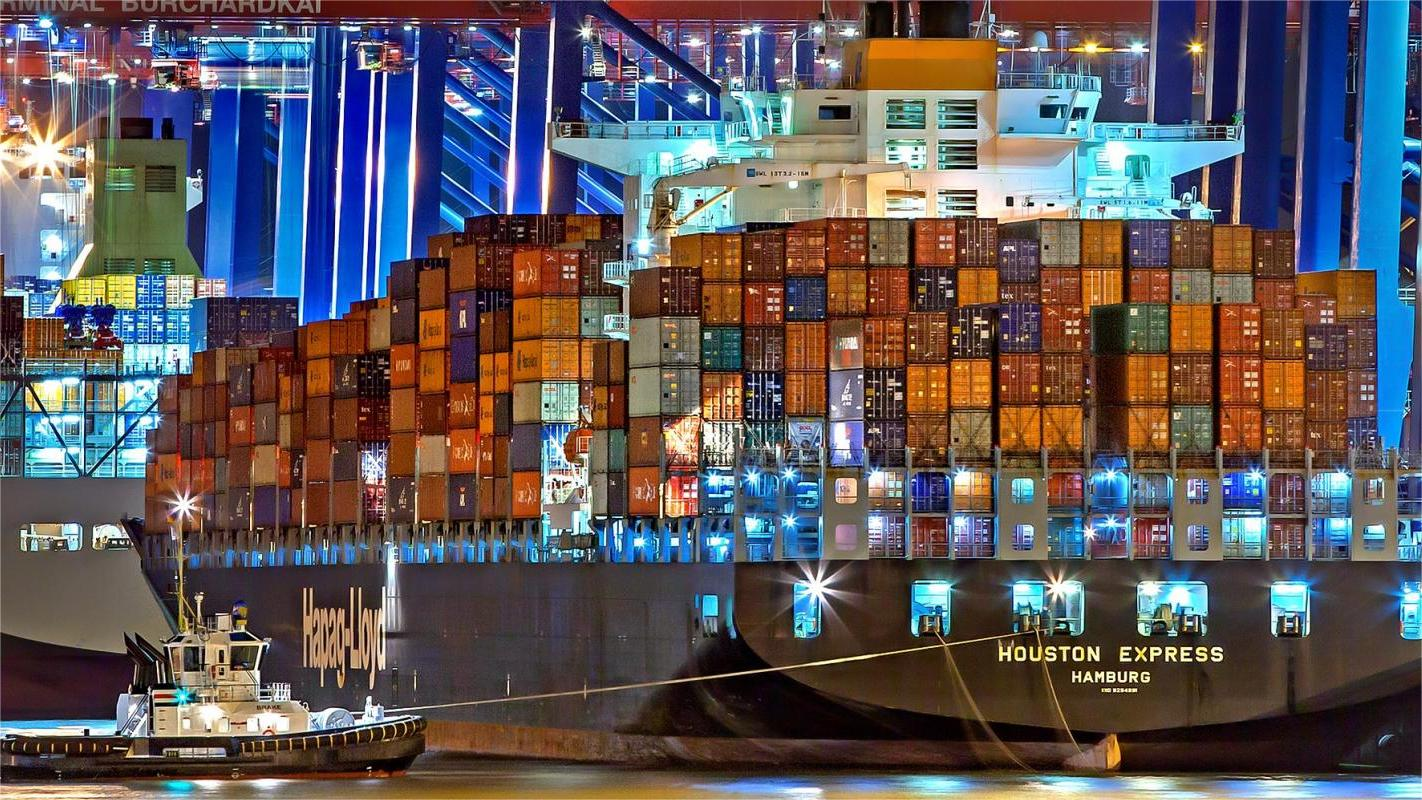
Which Option Should You Choose?
Determining the best shipping method depends largely on your specific business priorities and cargo characteristics. If your primary goal is to minimize expenses, sea freight is almost always the superior choice. This is especially true for shipments exceeding 500 kilograms or two cubic meters in volume.
Speed priority dictates a shift toward air or express service for your logistics needs. When a stockout occurs or a new product launch is imminent, the high cost of air freight is often justified by the potential for immediate sales. Moreover, express services handle the entire customs process, making them very convenient for new importers.
Cargo type considerations also play a vital role in your final decision. Hazardous materials or extremely heavy industrial equipment may be restricted on aircraft. Consequently, these items must travel via ocean routes regardless of the required delivery schedule. Always consult with your freight forwarder to verify the restrictions for your specific goods.
Understanding International Shipping Costs and Pricing Structures
Calculating the total cost of shipping from china international involves more than just the base freight rate. Importers must account for port charges, documentation fees, and local delivery costs at both ends of the journey. In addition, fuel surcharges and seasonal adjustments can significantly impact the final invoice.
Current market data suggests that freight rates have stabilized in early 2025 following previous disruptions. However, rates typically increase by 15 to 25 percent during the peak season from August to October. Therefore, booking your shipments well in advance can lead to substantial savings on your annual logistics budget.
For urgent shipments, air freight pricing is calculated based on either actual weight or volumetric weight. Carriers charge based on whichever value is higher to maximize their revenue on light but bulky items. Understanding this calculation is essential for accurately quoting your landed costs to your customers.
| Route | 20GP Container | 40HQ Container | Transit Days |
|---|---|---|---|
| China to USA West | $1,600 – $2,300 | $2,900 – $3,900 | 14 – 18 Days |
| China to Europe | $1,900 – $2,600 | $3,100 – $4,300 | 28 – 35 Days |
| China to Australia | $850 – $1,250 | $1,450 – $2,100 | 12 – 18 Days |
| China to UK | $2,100 – $2,900 | $3,600 – $4,600 | 30 – 38 Days |
Navigating the Customs Clearance Process
Smooth customs clearance is essential for avoiding costly delays and storage fees at the port of entry. The process requires precise documentation, including commercial invoices, packing lists, and bills of lading. Furthermore, errors in classification or value declaration can lead to audits and heavy fines from authorities.
Hiring a professional customs brokerage service can significantly reduce the risk of compliance issues. These experts stay updated on the latest trade regulations and tariff changes that affect your specific products. Consequently, they can help you identify opportunities for duty drawbacks or tax exemptions.
Preparation is the key to a successful import operation in the international market. You should ensure that all labels and marks on your packaging comply with the destination country’s standards. Meanwhile, providing your broker with accurate Harmonized System (HS) codes will prevent misclassification and ensure you pay the correct amount of duty.
| Document | Purpose | Required By | Importance |
|---|---|---|---|
| Commercial Invoice | Value declaration | Customs | High |
| Packing List | Cargo details | Carrier/Customs | High |
| Bill of Lading | Title to goods | Carrier | Critical |
| Certificate of Origin | Origin proof | Customs | Variable |
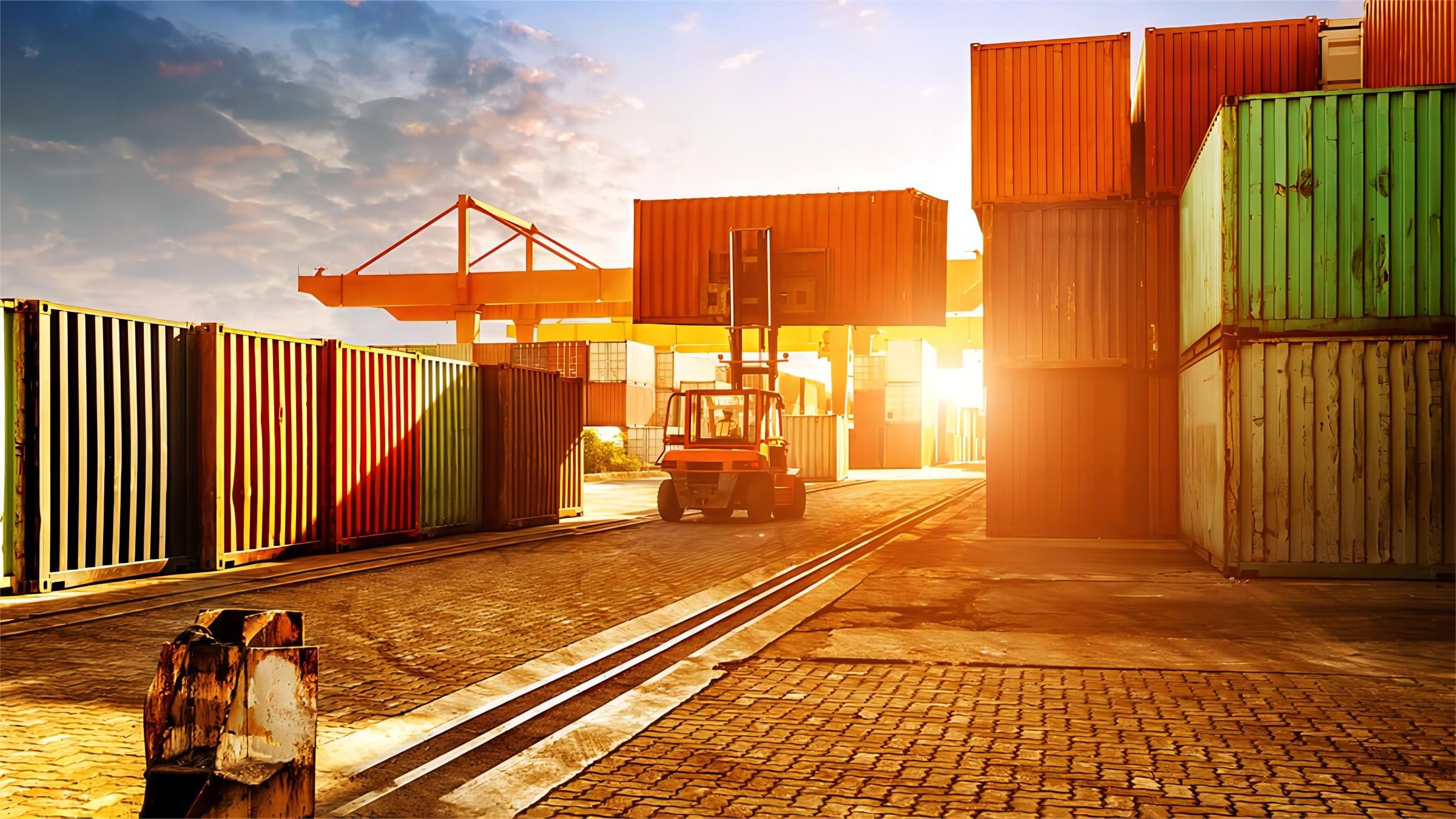
The Benefits of Door to Door Logistics
A comprehensive door to door service simplifies the entire shipping process for the importer. This model covers every step from the supplier’s warehouse in China to your final destination. As a result, you only need to manage a single point of contact and one comprehensive invoice.
Choosing this service eliminates the need for you to coordinate between multiple carriers and local trucking companies. The logistics provider manages the pickup, international transport, customs clearance, and final mile delivery. This integrated approach reduces the likelihood of communication gaps and cargo damage during transitions.
Indeed, many small and medium enterprises find that door-to-door solutions are the most efficient way to scale their imports. It allows business owners to focus on marketing and sales rather than the technicalities of freight movement. Moreover, the predictable pricing helps in maintaining stable profit margins for your retail operations.
Realistic Case Studies with Verifiable Details
Examining real-world examples helps importers understand the practical application of different shipping strategies. These cases illustrate the costs and timelines associated with typical routes from major Chinese manufacturing hubs. Please note that rates are based on typical early 2025 market conditions.
Case Study 1: High-Volume Electronics to USA Route: Shenzhen, China to Los Angeles, USA Cargo: Consumer Electronics, 5 CBM, 1200 kg Container: LCL Shipping Details: – Carrier: Major Carrier – Port of Loading: Shenzhen – Port of Discharge: Los Angeles – Route Type: Direct Cost Breakdown: – Ocean Freight: $1,200 – Origin Charges: $350 – Destination Charges: $450 – Customs and Duties: $800 – Total Landed Cost: $2,800 Timeline: – Booking to Loading: 3 days – Sea Transit: 16 days – Customs Clearance: 2 days – Total Door-to-Door: 21 days Key Insight: Direct routing saved five days compared to transshipment options via other ports.
Case Study 2: Furniture Shipment to Europe Route: Ningbo, China to Hamburg, Germany Cargo: Home Furniture, 68 CBM Container: 40HQ Shipping Details: – Carrier: COSCO – Port of Loading: Ningbo – Port of Discharge: Hamburg – Route Type: Direct Cost Breakdown: – Ocean Freight: $3,800 – Origin Charges: $450 – Destination Charges: $600 – Customs and Duties: $1,200 – Total Landed Cost: $6,050 Timeline: – Booking to Loading: 5 days – Sea Transit: 32 days – Customs Clearance: 3 days – Total Door-to-Door: 40 days Key Insight: Using a 40HQ container maximized the volume efficiency for bulky furniture items.
Case Study 3: Urgent Apparel to Australia Route: Guangzhou, China to Sydney, Australia Cargo: Seasonal Clothing, 2 CBM, 400 kg Container: LCL Shipping Details: – Carrier: Maersk – Port of Loading: Guangzhou – Port of Discharge: Sydney – Route Type: Direct Cost Breakdown: – Ocean Freight: $650 – Origin Charges: $250 – Destination Charges: $300 – Customs and Duties: $400 – Total Landed Cost: $1,600 Timeline: – Booking to Loading: 2 days – Sea Transit: 14 days – Customs Clearance: 2 days – Total Door-to-Door: 18 days Key Insight: Fast sea transit to Australia provided a good balance between cost and seasonal deadlines.
Impact of Global Trends on 2025 Shipping Rates
The landscape of international logistics is constantly shifting due to geopolitical events and economic changes. As of early 2025, freight rates have remained relatively stable compared to the volatility seen in previous years. Nevertheless, environmental regulations and fuel price fluctuations continue to influence carrier pricing models.
Digitalization is another major trend that is transforming how businesses track their international cargo. Real-time visibility tools allow importers to monitor their shipments at every stage of the journey. Consequently, this transparency helps in better inventory planning and more accurate customer delivery estimates.
Sustainability is also becoming a priority for many global carriers and logistics providers. Many companies are investing in cleaner fuels and more efficient vessel designs to reduce their carbon footprint. While these initiatives may lead to slight increases in freight rates, they provide long-term benefits for the global environment.
Tips for Reducing Your Total Landed Cost
Lowering your shipping expenses requires a proactive approach to cargo consolidation and packaging optimization. By reducing the physical volume of your goods, you can often fit more items into a single container. Furthermore, consolidating multiple small orders into one large shipment can lead to significant volume discounts from carriers.
Negotiating long-term contracts with your freight forwarder can also provide more stable and predictable pricing. This is particularly beneficial for businesses with consistent shipping volumes throughout the year. Additionally, choosing off-peak shipping times can help you avoid the high surcharges associated with the busy holiday seasons.
Finally, always double-check your documentation to prevent unnecessary storage and demurrage fees. Even a small error on a commercial invoice can cause a shipment to be held at the port for days. By maintaining high standards of accuracy, you protect your business from avoidable overhead costs.
Mastering Your Global Logistics Strategy
Successfully managing shipping from china international is a cornerstone of any profitable import business. By understanding the differences between sea, air, and express methods, you can make informed decisions that balance cost and speed. Moreover, staying informed about market trends and customs requirements will help you navigate the complexities of global trade with confidence.
Implementing the strategies discussed in this guide will allow you to build a more resilient and cost-effective supply chain. Whether you are a small startup or a large enterprise, the right logistics partner can make all the difference in your international success. Start planning your 2025 shipping strategy today to stay ahead of the competition and ensure your business continues to grow.
Ready to streamline your logistics?
Ready to optimize your supply chain and reduce your shipping from china international costs? Contact our expert logistics team today to receive a personalized quote and professional guidance for your next shipment. Send Inquiry Visit: https://logisticsfromchina.com/contact/
Request Quote