

Freight Forwarder China to USA Door to Door: Complete Shipping Guide
“Managing international logistics requires a strategic partner to handle complex shipping regulations and transport networks. Logistics From China offers professional freight forwarder China to USA door to door solutions designed to streamline your supply chain from factory to warehouse. By choosing a comprehensive service, you eliminate the stress of coordinating multiple carriers and customs agents. This guide explores how a dedicated forwarder simplifies the import process while maintaining cost-efficiency and reliability for your business operations.”
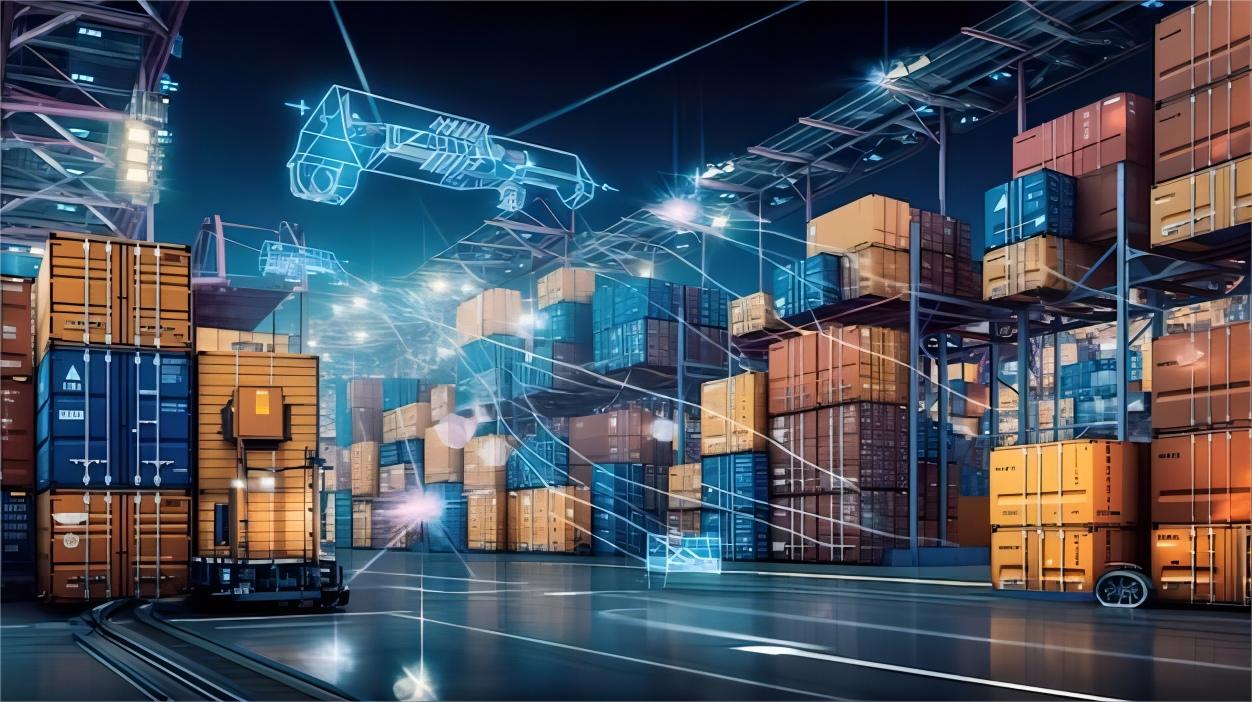
What is a Freight Forwarder China to USA Door to Door Service?
❖A door to door shipping service represents the most convenient logistics model for modern importers. Specifically, the freight forwarder takes full responsibility for the cargo from the moment it leaves the supplier in China until it arrives at the final destination in the United States. This model covers every intermediate step, including inland trucking, port handling, international transit, and customs clearance.
Consequently, businesses can focus on sales and marketing rather than worrying about logistical hurdles. Many importers prefer DDP (Delivered Duty Paid) terms, where the forwarder handles all taxes and duties on behalf of the buyer. This approach provides a clear, upfront cost structure that prevents unexpected expenses during the clearance process.
Furthermore, using a single provider ensures better communication and accountability throughout the journey. Instead of contacting different entities for ocean freight and local trucking, you have one point of contact. This integration significantly reduces the risk of delays and documentation errors that often plague fragmented shipping methods.
Primary Shipping Methods for Door to Door Delivery
❖Choosing the right transport mode is essential for balancing speed and budget. Most businesses utilize sea freight when shipping large volumes or heavy goods. Ocean transport remains the most economical choice for FCL (Full Container Load) and LCL (Less than Container Load) shipments, despite having longer transit times.
Alternatively, air freight provides a faster solution for high-value or time-sensitive products. While the cost per kilogram is higher than sea transport, the reduced transit time can be vital for maintaining inventory levels. Many electronics and fashion brands rely on air cargo to meet tight market deadlines and consumer demands.
Moreover, express courier services offer the fastest door to door experience for small parcels. These services often include automated customs processing, making them ideal for samples or urgent replacements. However, for shipments exceeding 200 kilograms, traditional air or sea freight usually becomes more cost-effective.
| Method | Transit Time | Best For | Cost Level |
|---|---|---|---|
| Sea Freight (LCL/FCL) | 25-40 Days | Bulk Goods | Low |
| Air Freight | 5-9 Days | High Value | Medium-High |
| Express Shipping | 3-5 Days | Small Parcels | High |
| Sea-Air Hybrid | 15-22 Days | Balanced Needs | Medium |
Understanding Shipping Costs and Freight Rates
❖Several factors influence the total cost of hiring a freight forwarder China to USA door to door. Primarily, the weight and volume of your cargo determine the base freight rate. Carriers use volumetric weight for air shipments, meaning bulky but light items may cost as much as heavy, compact items.
Additionally, fuel surcharges and seasonal demand fluctuations can impact pricing significantly. For instance, rates typically spike during the peak season from August to October as retailers prepare for the holiday rush. Planning your shipments well in advance can help you secure more competitive rates and avoid the congestion associated with peak periods.
Customs duties and taxes also represent a major portion of the landed cost. These fees are based on the HTS code classification of your products and the declared value on the commercial invoice. A professional customs brokerage service can help you navigate these regulations and ensure accurate duty payments.

Customs Clearance and Documentation Requirements
❖Navigating US Customs and Border Protection (CBP) regulations is perhaps the most complex part of international shipping. Every shipment requires a set of mandatory documents, including the Bill of Lading, Commercial Invoice, and Packing List. Without accurate documentation, your cargo could face lengthy delays or expensive storage fees at the port.
Moreover, importers must file an Importer Security Filing (ISF) for all ocean shipments at least 24 hours before the vessel departs China. Failure to comply with ISF 10+2 requirements can result in significant fines and increased inspection rates. Your freight forwarder plays a critical role in ensuring all filings are submitted correctly and on time.
Indeed, having a valid customs bond is another necessity for commercial imports valued over 2,500 USD. Whether you choose a single-entry bond or a continuous bond, your logistics partner can facilitate the acquisition of these documents. This proactive approach ensures a smoother transition through the port of entry.
How Does Door to Door Compare to Other Shipping Options?
❖When evaluating logistics strategies, it is important to compare door to door services against traditional port-to-port or warehouse-to-port models. Traditional shipping often seems cheaper at first glance because the initial quote only covers the international transit. However, the importer must then manage local trucking and customs independently, which often leads to hidden costs.
In contrast, a door to door service provides a transparent, all-inclusive price. This eliminates the need for the importer to find a local trucking company in the USA or deal with various terminal handling charges. For most small to medium-sized businesses, the time saved and the reduction in logistical risk far outweigh the slight premium of a full-service package.
Furthermore, hybrid solutions like sea-air combinations can offer a middle ground. These involve shipping by sea to a hub like Dubai or Singapore and then flying the cargo to the USA. While more complex to coordinate, these strategies can save 30% on costs compared to pure air freight while being twice as fast as ocean freight.
| Service Type | Involvement | Risk Level | Cost Clarity |
|---|---|---|---|
| Port to Port | High | High | Low |
| Door to Port | Medium | Medium | Medium |
| Door to Door | Low | Low | High |
| EXW Shipping | Maximum | High | Low |
Which Shipping Option Should You Choose?
❖Determining the best shipping method depends on your specific business priorities and cargo characteristics. If your primary goal is cost reduction and you have flexible timelines, ocean freight is the undisputed winner. This is especially true for large items like furniture, machinery, or bulk consumer goods that occupy significant space.
However, if you are launching a new product or replenishing low stock, the speed of air freight or express shipping is necessary. Many Amazon sellers utilize express service for initial test batches to get products to market quickly. Once the product proves successful, they transition to sea freight to maximize their profit margins.
Consequently, a balanced supply chain often uses multiple methods. You might ship 80% of your inventory via sea and keep 20% in an air freight pipeline to handle unexpected demand surges. A reliable freight forwarder can help you design this multi-modal strategy to ensure your shelves are never empty while keeping your budget under control.

Real-World Case Studies
❖Case Study 1: Large Scale Furniture Import. Route: Ningbo, China to Houston, USA. Cargo: 40HQ Container of patio furniture. Method: Sea Freight FCL. Ocean Freight: 4,200 USD. Origin Charges: 450 USD. Destination Charges: 800 USD. Customs and Duties: 1,200 USD. Total Landed Cost: 6,650 USD. Timeline: 38 days door to door. Key Insight: Booking 4 weeks in advance during the off-season saved the client 15% on ocean freight rates.
Case Study 2: Urgent Electronics Restock. Route: Shenzhen, China to Los Angeles, USA. Cargo: 500kg of computer peripherals. Method: Air Freight. Air Freight Cost: 3,500 USD. Origin Charges: 200 USD. Destination Charges: 300 USD. Customs and Duties: 850 USD. Total Landed Cost: 4,850 USD. Timeline: 8 days door to door. Key Insight: Using a direct flight instead of transshipment saved 3 days, allowing the client to meet a critical promotion deadline.
Note: Freight rates are subject to change based on fuel costs, carrier capacity, and seasonal demand. Contact us for a current quote tailored to your specific shipment.
Final Thoughts on Door to Door Logistics
In conclusion, hiring a professional freight forwarder China to USA door to door is the most effective way to manage international trade. By consolidating all logistics tasks under one provider, you reduce the complexity and risk associated with global shipping. Whether you choose the speed of air cargo or the economy of sea freight, a dedicated partner ensures your goods arrive safely and on time.
Ultimately, the success of your import business relies on a predictable and efficient supply chain. Investing in a full-service door to door solution allows you to scale your operations with confidence. Start optimizing your logistics today by choosing a partner that understands the nuances of the China-USA trade route.
Ready to streamline your logistics?
Ready to simplify your supply chain with a reliable freight forwarder China to USA door to door? Contact Logistics From China today for a personalized quote and expert guidance on your next shipment. Send Inquiry: info@logisticsfromchina.com
Request Quote