
Sea Freight China to USA Best Options: 2024 Shipping Guide
“Reliable logistics solutions are the backbone of any successful international business operating between Asia and North America. Logistics From China provides the expertise needed to manage complex global trade routes efficiently and affordably. Finding the sea freight china to usa best solution requires a deep understanding of ocean carrier networks, port operations, and current market dynamics.”
How Does Sea Freight Compare to Other Shipping Options?
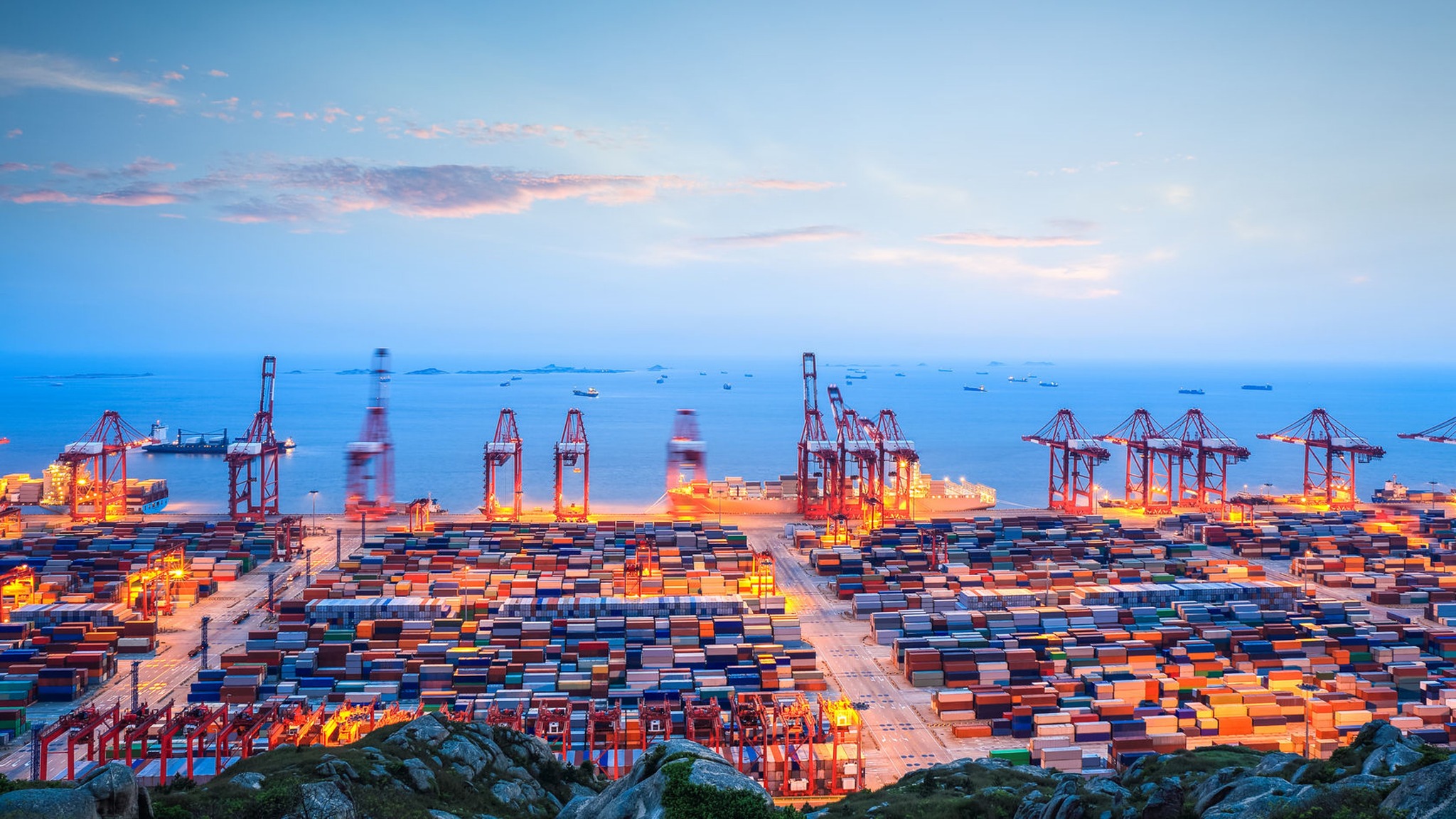
❖Ocean transport remains the most popular choice for businesses moving large volumes of goods across the Pacific. While other methods offer speed, the sheer capacity of container ships makes sea transport the most economical choice for bulk shipments. Consequently, companies must weigh the benefits of cost savings against the longer transit times associated with waterborne routes.
Air transport provides a much faster alternative for time-sensitive cargo or high-value items that require rapid turnover. However, the cost of sending goods by plane can be five to ten times higher than ocean rates for the same volume. Therefore, shippers typically reserve air freight for urgent restocking or perishable goods rather than standard inventory replenishment.
Rail options exist within Eurasia, but they do not provide a direct path for the China-USA trade lane due to geographic constraints. Meanwhile, hybrid solutions like sea-air combinations can sometimes offer a middle ground in terms of both speed and pricing. Choosing the right method depends heavily on your specific budget, delivery schedule, and the nature of your products.
| Shipping Method | Cost Range | Transit Time | Best For |
|---|---|---|---|
| Sea Freight | $2,500 – $5,500 | 18 – 40 Days | Bulk & Heavy Goods |
| Air Freight | $8,000 – $20,000 | 3 – 7 Days | Urgent & High Value |
| Express Service | $12,000+ | 2 – 5 Days | Small Packages |
Choosing Between FCL and LCL for Sea Freight China to USA Best Results
❖Full Container Load (FCL) shipping involves renting an entire 20-foot or 40-foot container for your exclusive use. This method is generally faster because the container does not need to be opened or consolidated with other shipments at the port. Moreover, FCL offers better security for fragile items since the cargo remains untouched from the point of origin to the final destination.
Less than Container Load (LCL) allows multiple shippers to share space within a single container, paying only for the volume they occupy. This approach is highly effective for small businesses that do not have enough inventory to fill a whole unit. Nevertheless, LCL involves more handling and longer processing times at consolidation warehouses, which can increase the risk of minor delays.
Selecting the sea freight option that matches your volume is critical for maintaining healthy profit margins. If your shipment exceeds 15 cubic meters, switching from LCL to a 20-foot FCL container often becomes more cost-effective. Additionally, FCL shipments are easier to track and manage through customs compared to consolidated loads.
Transit Times and Port Selection Strategies
❖Shipping times vary significantly depending on whether your cargo is heading to the US West Coast or the East Coast. Direct routes to Los Angeles or Long Beach are the fastest, typically taking between 14 and 18 days from major Chinese ports like Shanghai or Ningbo. In contrast, shipments destined for New York or Savannah via the Panama Canal can take 30 to 40 days.
Port congestion can also play a major role in your overall delivery schedule, especially during peak seasons. Furthermore, choosing a less crowded secondary port might save time on the ground even if the ocean transit is slightly longer. Shippers should monitor port performance data to make informed decisions about where to discharge their containers.
Weather conditions and seasonal demand also influence how quickly your goods move across the ocean. For instance, the weeks leading up to the Chinese New Year often see a massive surge in volume, leading to rolled cargo and extended wait times. Consequently, planning your shipments well in advance is essential for avoiding the most congested periods of the year.
| Destination Region | Major Ports | Direct Transit | Total Door-to-Door |
|---|---|---|---|
| US West Coast | LA, Long Beach | 14-18 Days | 22-28 Days |
| US East Coast | NY, Savannah | 28-35 Days | 38-45 Days |
| US Gulf Coast | Houston, Mobile | 30-38 Days | 40-50 Days |
Understanding Shipping Costs and Market Fluctuations
❖Ocean freight rates are notoriously volatile and can change weekly based on fuel prices and global demand. During the peak season from August to October, prices often rise by 20 percent or more as retailers prepare for the holiday rush. Additionally, surcharges for peak season, fuel adjustment factors, and currency fluctuations can all impact your final invoice.
Local charges at both the origin and destination ports represent a significant portion of the total landed cost. These fees include terminal handling, documentation, and port security charges that are often overlooked by novice importers. Therefore, obtaining a comprehensive quote that includes all these line items is vital for accurate budgeting.
Note: Freight rates are subject to change based on fuel costs, carrier capacity, and seasonal demand. Contact us for a current quote tailored to your specific shipment.
Essential Customs Documentation for Smooth Imports
❖Navigating the legal requirements of international trade is one of the most challenging aspects of shipping from China. Every shipment must be accompanied by a commercial invoice, a detailed packing list, and a bill of lading. Furthermore, certain products may require specific certificates of origin or safety compliance documents to enter the United States.
Working with a professional customs brokerage service can prevent costly delays and potential fines. These experts ensure that your goods are classified correctly under the Harmonized Tariff Schedule, which determines the duty rates you must pay. Consequently, accurate classification is the key to avoiding audits and ensuring a smooth clearance process.
Importers must also be aware of the ISF 10+2 filing requirement, which must be completed at least 24 hours before the ship leaves China. Failure to file this document on time can result in significant penalties from US Customs and Border Protection. In addition, maintaining organized digital records of all your shipping documents will help you respond quickly to any inquiries from federal authorities.
| Document Name | Purpose | Provider | Required For |
|---|---|---|---|
| Bill of Lading | Title to Goods | Carrier | All Shipments |
| Commercial Invoice | Valuation/Duty | Seller | All Shipments |
| Packing List | Cargo Details | Seller | All Shipments |
| ISF Filing | Security/Safety | Importer/Broker | Ocean Freight |
Real-World Case Studies for USA Shipments
❖Case Study 1: Electronics from Shenzhen to Los Angeles +———————————————————+ | Route: Shenzhen, China to Los Angeles, USA | | Cargo: Consumer Electronics, 15 CBM, 4500 kg | | Container: LCL 15 CBM | | | | Shipping Details: | | – Carrier/Service: COSCO Direct Service | | – Port of Loading: Yantian (Shenzhen) | | – Port of Discharge: Los Angeles | | – Route Type: Direct | | | | Cost Breakdown: | | – Ocean Freight: $1,450 | | – Origin Charges: $350 | | – Destination Charges: $450 | | – Customs and Duties: $1,200 | | – Total Landed Cost: $3,450 | | | | Timeline: | | – Booking to Loading: 4 days | | – Sea Transit: 16 days | | – Customs Clearance: 2 days | | – Total Door-to-Door: 26 days | | | | Key Insight: Direct LCL was faster than transshipment. | +———————————————————+
Case Study 2: Furniture from Ningbo to Savannah +———————————————————+ | Route: Ningbo, China to Savannah, USA | | Cargo: Home Furniture, 65 CBM, 8000 kg | | Container: 40HQ Full Container | | | | Shipping Details: | | – Carrier/Service: Maersk via Panama Canal | | – Port of Loading: Ningbo | | – Port of Discharge: Savannah | | – Route Type: All-Water | | | | Cost Breakdown: | | – Ocean Freight: $4,800 | | – Origin Charges: $400 | | – Destination Charges: $650 | | – Customs and Duties: $2,500 | | – Total Landed Cost: $8,350 | | | | Timeline: | | – Booking to Loading: 6 days | | – Sea Transit: 32 days | | – Customs Clearance: 3 days | | – Total Door-to-Door: 45 days | | | | Key Insight: FCL provided better safety for furniture. | +———————————————————+
Specialized Solutions for E-commerce and Door to Door Delivery
❖Online retailers often require specialized logistics to keep up with the fast-paced demands of modern consumers. Utilizing Amazon FBA services allows sellers to ship inventory directly from Chinese factories to US fulfillment centers. This streamlined process reduces the need for middleman warehousing and speeds up the time it takes for products to become available for sale.
Moreover, a comprehensive door to door service simplifies the entire experience by managing every step of the journey. This includes the initial pickup at the factory, the ocean voyage, customs clearance, and the final delivery to your warehouse or office. Consequently, business owners can focus on sales and marketing while leaving the logistical heavy lifting to the professionals.
These integrated solutions are particularly beneficial for those who are new to importing and want to avoid the headache of coordinating multiple vendors. By consolidating all services under one provider, you reduce the risk of communication gaps that often lead to shipping delays. Ultimately, the convenience of a single point of contact outweighs the marginal cost of full-service logistics.
Which Option Should You Choose?
❖Determining the sea freight china to usa best path for your inventory involves analyzing your volume and urgency. If you have a budget priority, sea freight is almost always the winner for shipments over 200 kilograms. On the other hand, if your priority is speed, you must consider the trade-offs of higher costs associated with air or express options.
Cargo type also plays a significant role in your decision-making process. For example, heavy machinery or large furniture items are physically impossible or prohibitively expensive to ship by air. Meanwhile, high-tech electronics with short lifecycles might justify the expense of faster transit to capture market demand before competitors do.
Volume thresholds are the final piece of the puzzle. Once your shipment reaches a certain size, the per-unit cost of FCL becomes so low that it makes no sense to use any other method. Generally, if you are shipping more than 15-20 CBM, you should move away from LCL and secure a full container to maximize your investment.
Cost-Saving Strategies for International Logistics
❖Reducing your shipping expenses starts with optimizing your packaging to minimize wasted space. Since LCL rates are based on volume, even a small reduction in box dimensions can lead to significant savings over time. Furthermore, consolidating multiple small orders from different suppliers into one larger shipment can help you reach FCL thresholds more quickly.
Negotiating with multiple freight forwarders allows you to compare rates and find the most competitive offers in the market. However, price should not be the only factor; reliability and communication are equally important for long-term success. Additionally, shipping during the off-peak season can save you hundreds or even thousands of dollars per container.
Finally, understanding Incoterms like FOB (Free on Board) or EXW (Ex Works) is crucial for controlling your costs. By choosing the right Incoterm, you can take control of the ocean freight portion of the journey, allowing you to select your own carrier and negotiate better rates. Truly, a proactive approach to logistics management is the best way to protect your bottom line.
Conclusion
Mastering the nuances of sea freight china to usa best practices is essential for any business looking to scale its international operations. By understanding the differences between FCL and LCL, selecting the right ports, and managing documentation carefully, you can significantly reduce your lead times and costs. Moreover, staying informed about market trends and seasonal fluctuations allows you to plan your inventory replenishment with greater precision.
While the logistics landscape can be challenging, partnering with an experienced freight forwarder provides the support needed to overcome common hurdles like customs delays and port congestion. Whether you are shipping to Amazon warehouses or your own facility, the right strategy will ensure your goods arrive safely and on time. Ultimately, a well-managed shipping process is a competitive advantage that drives growth and customer satisfaction in the global marketplace.

Ready to streamline your logistics?
Optimizing your supply chain starts with finding the sea freight china to usa best rates and routes. Our team of logistics experts is ready to help you navigate the complexities of international shipping with ease. Send Inquiry to receive a customized quote for your next shipment and experience the difference of professional cargo handling.
Request Quote