
Warehouse in China for Shipping Agent: Optimize Your Logistics and Supply Chain
Finding a reliable warehouse in china for shipping agent operations is the cornerstone of a successful international trade strategy. Many importers struggle with managing multiple suppliers and high shipping costs without a centralized hub. Consequently, utilizing a professional storage facility in China allows businesses to streamline their supply chain and reduce overhead significantly. This guide explores how you can leverage these facilities to enhance your global logistics efficiency.

What is a Warehouse in China for Shipping Agent Use?
A warehouse in China for shipping agent use serves as a centralized node where goods from various manufacturers are collected and prepared for export. Specifically, these facilities offer more than just storage; they provide a suite of value-added services like QC inspection and labeling. Therefore, importers can ensure their products meet quality standards before the cargo leaves the mainland.
Most shipping agents operate these warehouses in major manufacturing hubs like Shenzhen, Guangzhou, and Ningbo. Consequently, this strategic placement reduces domestic transit times and lowers the initial cost of moving goods from the factory. Furthermore, professional inventory management systems allow you to track your stock levels in real-time.
These facilities often function as 3PL services China hubs, handling everything from order fulfillment to complex cross-docking operations. As a result, small and medium enterprises can compete with larger corporations by utilizing sophisticated logistics infrastructure. In fact, having a dedicated space for your goods simplifies the entire export process.
Why Global Importers Need a Specialized China Warehouse
Managing multiple suppliers across different provinces in China creates a logistical nightmare for many businesses. However, a warehouse in China for shipping agent services solves this by acting as a single point of contact for all your vendors. Instead of paying for multiple small shipments, you can gather everything in one place.
Inventory management becomes significantly easier when you have a centralized hub to monitor your assets. For instance, you can hold stock in a bonded warehouse China facility to defer taxes and duties until the goods are ready for final shipment. This strategy improves your cash flow and allows for better financial planning.
Moreover, the ability to perform labeling and packaging on-site ensures that your products are retail-ready upon arrival. Many factories provide basic packaging that may not withstand the rigors of international transit. Consequently, a specialized warehouse provides the necessary reinforcement to prevent damage during the long journey.
Benefits of Using a Warehouse in China for Shipping Agent Consolidation
Shipping consolidation is perhaps the most significant advantage of utilizing a warehouse in China. By combining multiple LCL shipments into a single FCL container, you can take advantage of much lower sea freight rates. This approach drastically reduces the cost per cubic meter for your cargo.
Furthermore, consolidation minimizes the risk of loss or damage because your goods are handled fewer times. When you ship items individually, they pass through multiple sorting centers and hands. In contrast, a consolidated container stays sealed from the China warehouse until it reaches the destination port.
Additionally, a warehouse in China for shipping agent use allows for flexible delivery schedules. You can choose to ship goods immediately or wait until you have enough volume to fill a container. This flexibility is essential for businesses dealing with seasonal demand or fluctuating market trends.
| Service Type | Typical Rate Range | Unit | Notes |
|---|---|---|---|
| General Storage | $0.50 – $1.50 | CBM / Month | Varies by city and facility grade |
| Consolidation Fee | $20 – $50 | Per Supplier | Includes receiving and documentation |
| Labeling / Barcoding | $0.10 – $0.30 | Per Unit | Standard for Amazon FBA prep |
| QC Inspection | $100 – $300 | Per Man-Day | Detailed reporting and photos provided |
How to Evaluate a Warehouse in China for Shipping Agent Quality
Not all warehouses are created equal, so you must evaluate several factors before committing your inventory. First, check if the facility offers integrated customs brokerage services to speed up the export process. Indeed, a warehouse that understands customs regulations can prevent costly delays at the border.
Second, consider the security measures in place at the facility. High-quality warehouses feature 24/7 surveillance, fire suppression systems, and restricted access protocols. Consequently, your investment remains safe from theft or environmental damage while awaiting shipment.
Finally, look for a warehouse in China for shipping agent operations that uses a modern Warehouse Management System (WMS). A digital platform allows you to monitor stock levels, view photos of received goods, and issue shipping instructions remotely. This transparency is vital for maintaining a lean supply chain.
How Does Sea Freight Compare to Other Shipping Options?
When shipping from a warehouse in China, you must choose the right transport mode based on your budget and timeline. Sea freight remains the most economical choice for large volumes, though it has the longest transit time. On the other hand, air freight offers speed but at a significantly higher price point.
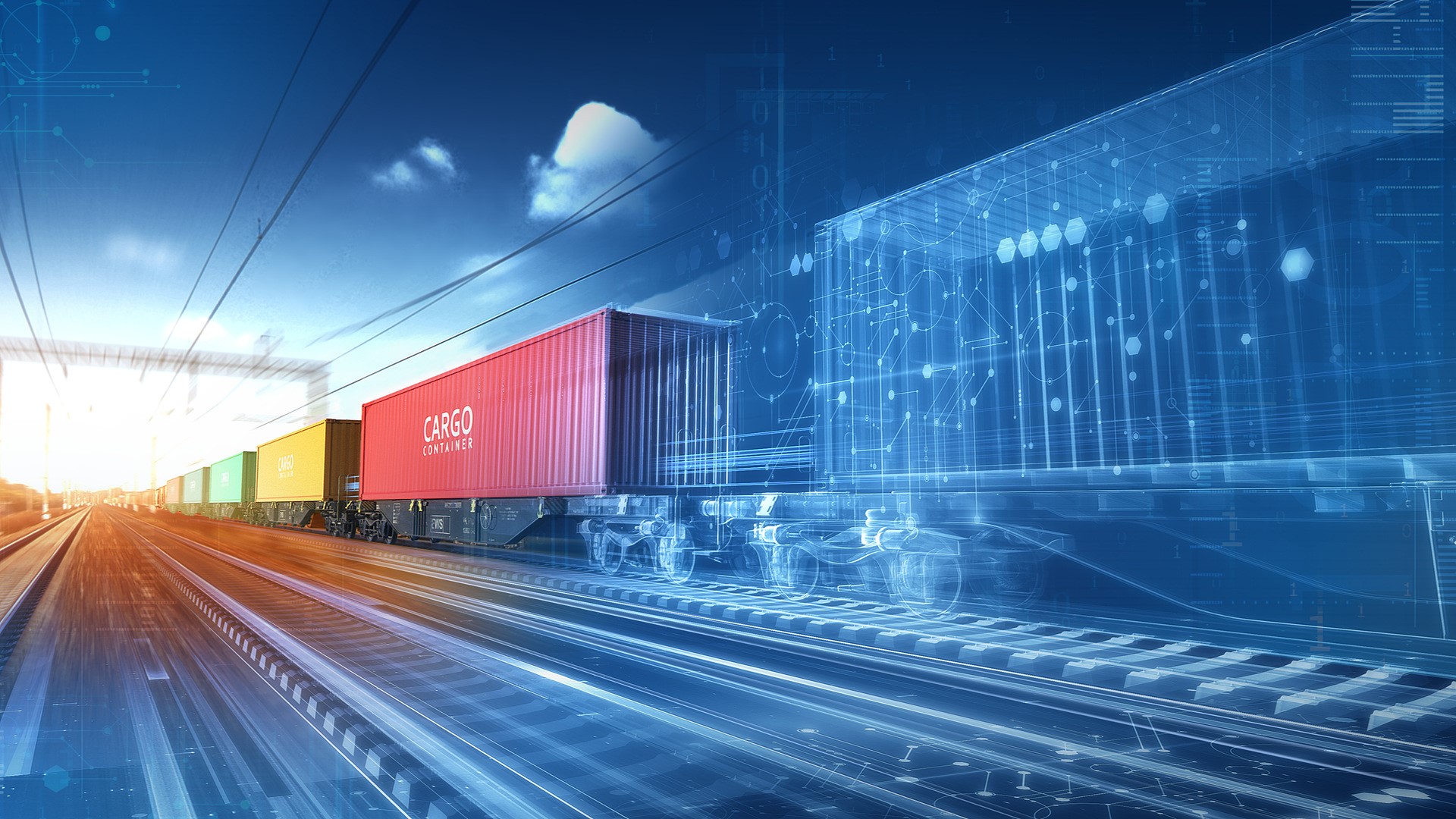
Rail freight provides a middle-ground solution for shipments to Europe, offering faster transit than sea and lower costs than air. However, rail is not an option for routes to Australia or North America. Therefore, your destination heavily influences which alternative strategy is most suitable for your business.
For urgent shipments or high-value electronics, air freight is often the preferred method despite the cost. Meanwhile, bulk commodities and consumer goods are almost always moved via sea to maximize profit margins. Understanding these trade-offs helps you make an informed decision for each specific cargo load.
| Shipping Method | Cost Range | Transit Time | Best For | Limitations |
|---|---|---|---|---|
| Sea Freight | $1,500 – $4,500 | 25-45 Days | Bulk goods, FCL/LCL | Slowest transit time |
| Air Freight | $5 – $12 per kg | 3-7 Days | Urgent, high-value | Very expensive for bulk |
| Rail Freight | $2,500 – $5,000 | 15-22 Days | Europe-bound cargo | Limited geographic reach |
| Express Service | $8 – $15 per kg | 2-5 Days | Samples, small parcels | Weight and size limits |
Which Option Should You Choose?
Deciding on the best logistics path depends on your specific business priorities. If budget is your primary concern, we recommend sea freight consolidation through a warehouse in China for shipping agent efficiency. This method allows you to ship small volumes at near-container rates.
If speed is the priority, air freight is the only viable option to meet tight deadlines. However, for those shipping to Europe, rail freight offers a compelling balance of speed and cost. You should also consider hybrid solutions, such as sea-air shipping, which can save 30% compared to pure air freight while being faster than sea.
Cargo type also plays a role in your decision. Hazardous materials or oversized items may be restricted on planes, forcing you to use sea transport. In contrast, perishable goods or fast-fashion items require the rapid delivery times that only air or express services can provide.

Real Case Studies: China Warehousing in Action
Case Study 1: Electronics Distribution to USA. An e-commerce seller utilized a warehouse in Shenzhen to consolidate goods from six different factories. By combining these into one 40HQ container, they saved $4,200 in shipping fees compared to separate LCL shipments. The total door-to-door transit time was 32 days.
Case Study 2: Fashion Brand to UK. A clothing retailer used a warehouse in China for shipping agent QC and labeling services. This ensured all items had the correct UK sizing labels before departure. Consequently, they avoided a potential $10,000 repackaging cost at their London warehouse and met their product launch deadline.
Case Study 3: Industrial Parts to Australia. A construction firm used a Ningbo warehouse to store heavy machinery parts until a full project set was ready. They utilized sea freight for the final delivery. Based on early 2024 market rates, the total landed cost was 15% lower than their previous direct-from-factory shipping model.
Case Study 1: Electronics Consolidation
Route: Shenzhen, China to Los Angeles, USA. Cargo: Consumer electronics, 65 CBM, 12,000 kg. Container: 40HQ. Shipping Details: Major carrier, Port of Loading: Shenzhen, Port of Discharge: Los Angeles. Total Landed Cost: $6,850. Timeline: 28 days total door-to-door. Key Insight: Consolidating multiple suppliers into one 40HQ reduced origin charges by 60%.
Case Study 2: FBA Prep and Ship
Route: Guangzhou, China to Hamburg, Germany. Cargo: Home decor, 15 CBM, 3,500 kg. Container: LCL. Shipping Details: Direct route via Suez Canal. Total Landed Cost: $3,200. Timeline: 38 days total door-to-door. Key Insight: Pre-labeling for Amazon FBA in China saved 4 days of processing time in Germany.
Maximizing Efficiency with Order Fulfillment and Dropshipping
Many modern businesses use a warehouse in China for shipping agent fulfillment to reach global customers directly. This model, often called dropshipping from China, removes the need for local warehouses in the destination country. Instead, orders are picked, packed, and shipped individually from the China hub.
Specifically, this strategy allows for a massive reduction in inventory holding costs. You only pay for the storage space you use and the labor for each order processed. Furthermore, with door to door shipping options, the complexity of international logistics is completely handled by your agent.
Additionally, using a China-based fulfillment center allows for faster restocking. Since the warehouse is close to the factories, you can replenish popular items in days rather than weeks. Consequently, you can maintain high service levels without overstocking your inventory.
The Role of Air Freight in Modern Supply Chains
While sea transport handles the bulk of global trade, air freight remains essential for high-velocity supply chains. A warehouse in China for shipping agent use often has dedicated zones for air-ready cargo. This ensures that urgent shipments are processed and delivered to the airport within hours.
Moreover, air freight provides a higher level of security for sensitive items. The shorter transit time means there are fewer opportunities for theft or environmental exposure. Therefore, many high-tech companies prefer air transport for their latest product releases despite the higher freight rates.
Market data suggests that air freight rates from China are stabilizing in 2024 after previous years of volatility. However, it is still crucial to book space in advance during peak seasons like the lead-up to Chinese New Year. Planning ahead ensures you get the best possible rates and guaranteed uplift.
Final Thoughts on Choosing a Warehouse in China
In summary, a warehouse in China for shipping agent operations is an invaluable asset for any international importer. By centralizing your logistics, you gain better control over quality, costs, and delivery schedules. Whether you are utilizing sea freight for bulk orders or air freight for urgent replenishment, a professional China warehouse simplifies the entire process.
Furthermore, the value-added services like labeling, QC, and consolidation provide a competitive edge in a crowded market. As global trade continues to evolve, having a flexible and responsive supply chain hub in China will remain a key driver of business success. We encourage you to evaluate your current logistics model and consider the significant benefits of a dedicated China-based warehouse solution.
Need a tailored shipping solution?
Optimizing your supply chain starts with the right warehouse in china for shipping agent services. Our team provides comprehensive storage, consolidation, and logistics solutions tailored to your unique business needs. Contact us today to receive a customized quote and learn how we can reduce your shipping costs while improving delivery times. Visit our website to start your inquiry now.