
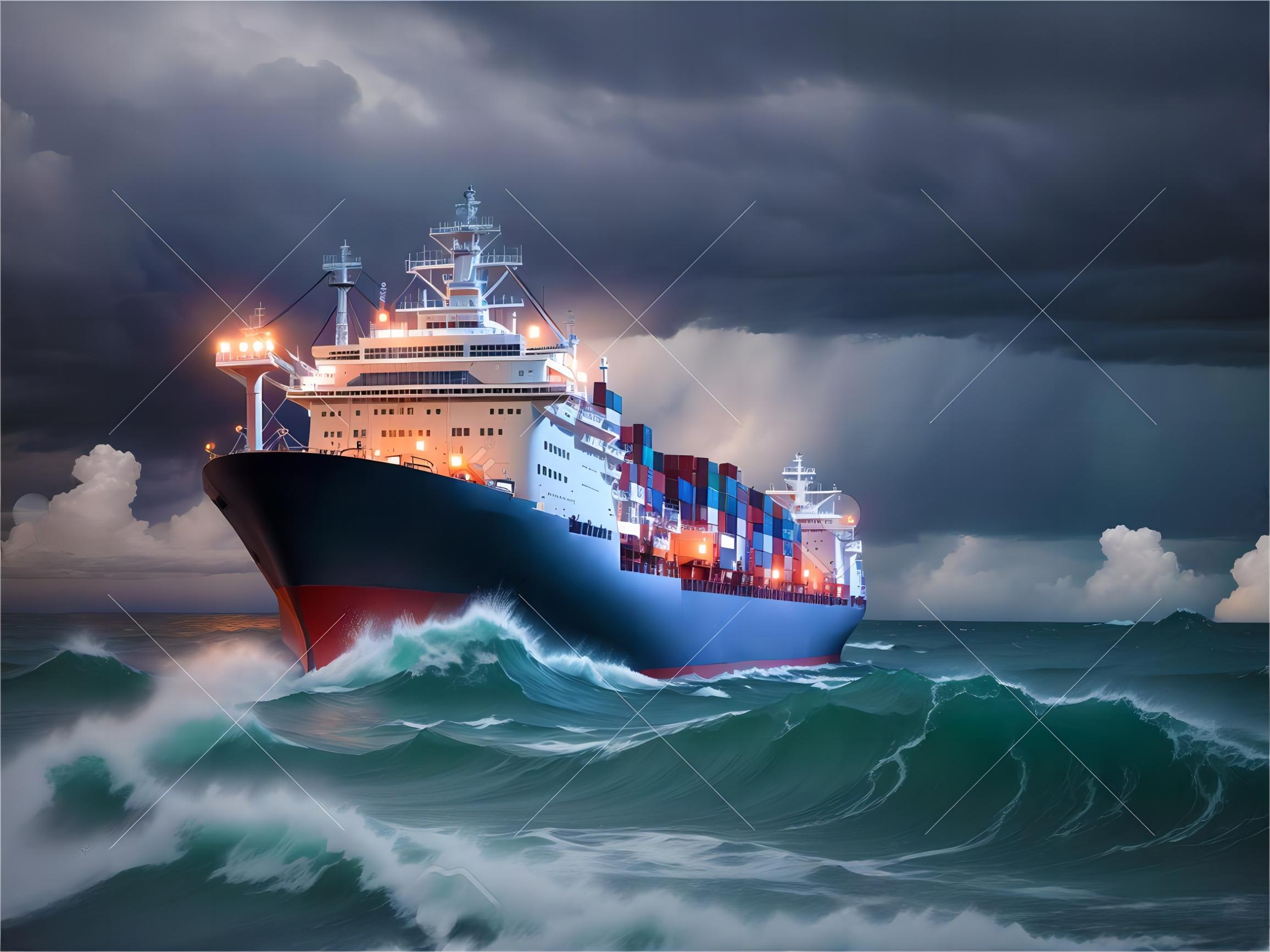
DDP Shipping from China Bulk Shipping: The Ultimate Business Guide
Navigating the complexities of international trade requires a deep understanding of logistics terms and operational efficiency. When you partner with Logistics From China, you gain access to streamlined DDP shipping from China bulk shipping solutions that minimize risk. This comprehensive guide explores how Delivered Duty Paid services can transform your supply chain operations and reduce hidden costs for large-scale imports.

What is DDP Shipping from China Bulk Shipping?
Delivered Duty Paid, or DDP, represents a shipping agreement where the seller assumes all responsibilities for transporting goods. Specifically, this includes paying for shipping costs, export and import duties, insurance, and other expenses incurred during transit.
Bulk shipping involves the transportation of large quantities of goods, often requiring full container loads or specialized cargo handling. Combining these two concepts allows businesses to receive large orders without worrying about the intricacies of customs clearance.
Importers frequently choose this method to simplify their accounting and operational overhead. Consequently, the seller manages the entire journey from the Chinese factory to the final destination warehouse.
Furthermore, this arrangement provides a predictable landed cost for every unit purchased. Businesses can therefore calculate their profit margins with much greater accuracy before the goods even leave the port.
Logistics trends suggest that more e-commerce and retail giants are shifting toward this model to avoid unexpected delays at the border. Indeed, having a single entity manage the end-to-end process reduces the likelihood of communication breakdowns between different carriers.
Why Choose DDP for Your Bulk Shipping Needs?
One primary benefit of utilizing door to door services under DDP terms is the total reduction of administrative burdens. You do not need to interact with multiple agents or worry about local tax regulations in the country of origin.
Risk mitigation serves as another significant advantage for the buyer. Since the seller is responsible for the goods until they reach your door, any issues during transit are legally their responsibility to resolve.
Moreover, the predictability of delivery schedules improves significantly when one logistics provider coordinates the entire movement. This consistency allows for better inventory planning and more reliable marketing campaigns for your products.
Efficiency in cargo handling is also maximized because the freight forwarder can optimize the route based on current port conditions. As a result, your bulk shipments are less likely to get caught in seasonal bottlenecks that affect traditional shipping methods.
Small to medium enterprises particularly benefit from this setup because they may lack a dedicated in-house logistics department. By outsourcing these tasks, they can focus on sales and product development while the logistics experts handle the heavy lifting.
How Does DDP Shipping from China Bulk Shipping Compare to Other Options?
Evaluating different transport modes is essential for optimizing your logistics budget and meeting deadlines. While sea freight remains the most popular choice for bulk orders, other alternatives might suit specific time-sensitive scenarios.
Each method offers a different balance of speed, cost, and capacity. For instance, rail freight has become a viable middle ground for shipments heading to Europe, offering faster times than sea but lower costs than air.
Meanwhile, express services are usually reserved for high-value or extremely urgent items due to their premium pricing. Understanding these trade-offs is the first step in building a resilient supply chain that can adapt to market fluctuations.
Below is a comparison of the primary methods used for DDP shipping from China bulk shipping to help you identify the best fit for your current inventory needs.
| Shipping Method | Cost Range | Transit Time | Best For |
|---|---|---|---|
| Sea Freight (FCL) | Low ($2,000 – $5,000) | 25 – 45 Days | Heavy/Large Bulk |
| Air Freight | High ($5 – $10/kg) | 5 – 10 Days | Urgent/High Value |
| Rail Freight | Medium ($1.5 – $3/kg) | 15 – 22 Days | Europe Bulk Orders |
| Express Service | Very High ($8+/kg) | 3 – 5 Days | Samples/Small Bulk |
DDP vs FOB and EXW Strategies
Comparing DDP to Free on Board (FOB) or Ex Works (EXW) is vital for understanding where your financial responsibility begins. Under FOB, the buyer takes over once the goods are loaded onto the vessel, which requires a robust customs brokerage partner to handle the destination side.
EXW imposes even more responsibility on the buyer, as they must arrange pickup directly from the factory floor. While the initial product price may look lower, the total landed cost often ends up higher due to fragmented logistics fees.
In contrast, DDP shipping from China bulk shipping consolidates all these fees into a single invoice. This transparency prevents the common problem of receiving unexpected bills for port storage or destination terminal handling charges.
Additionally, DDP simplifies the tax recovery process in some jurisdictions, as the seller handles the VAT or GST payments at the border. However, buyers should always verify their local tax laws to ensure they are not missing out on potential tax credits available under other terms.
Ultimately, the choice depends on your level of expertise and the amount of control you wish to exercise over the shipping process. Most modern businesses prefer the ‘set it and forget it’ nature of Delivered Duty Paid agreements.
Regional Considerations: North America, Europe, and Australia
Shipping to North America involves navigating different port dynamics between the West Coast and the East Coast. Typically, shipping to Los Angeles is faster but can be subject to labor-related congestion during peak seasons.
European routes often utilize the Suez Canal, which makes them sensitive to geopolitical events in the Middle East. For bulk orders going to Europe, many importers now consider the Iron Silk Road rail options for a faster turnaround.
Australia presents a unique case due to its strict biosecurity laws and proximity to major Chinese ports like Shenzhen and Ningbo. Transit times to major Australian hubs are relatively short, often ranging between 12 and 18 days for direct sea routes.
Regardless of the destination, local regulations regarding product safety and labeling must be strictly followed. Your DDP provider should ensure that all documentation is compliant with the specific requirements of the destination country to avoid customs seizures.
Market data suggests that rates for these routes fluctuate based on seasonal demand, with the highest prices usually occurring in the months leading up to the Lunar New Year.
Realistic Case Studies of Bulk DDP Shipments
Examining real-world examples helps illustrate the practical application of DDP shipping from China bulk shipping. These scenarios reflect typical challenges and outcomes for various product categories and destinations.
Case Study 1: Electronics to USA West Coast. Route: Shenzhen to Los Angeles. Cargo: 5000 units of consumer electronics, 28 CBM. Method: Sea Freight FCL (40GP). Cost: $4,200 freight plus $1,100 duties. Total Transit: 22 days. Outcome: Successful delivery with no customs delays.
Case Study 2: Furniture to Germany. Route: Ningbo to Hamburg. Cargo: 15 CBM of office chairs. Method: Sea Freight LCL. Cost: $1,850 total landed. Total Transit: 38 days. Key Insight: Consolidating with other cargo saved the buyer $900 compared to a half-empty 20GP container.
Case Study 3: Solar Panels to Australia. Route: Shanghai to Sydney. Cargo: 200 units, 12 CBM. Method: Sea Freight. Cost: $1,400 total. Total Transit: 16 days. Result: Fast clearance due to pre-filed DDP documentation by the carrier.
Note: Freight rates are subject to change based on fuel costs, carrier capacity, and seasonal demand. Contact us for a current quote tailored to your specific shipment.

Managing Costs and Transit Times for Bulk Cargo
Reducing expenses in your supply chain requires proactive planning and a deep understanding of market cycles. For instance, booking your air freight or sea freight at least three weeks in advance can often secure lower base rates.
Consolidating multiple smaller orders into a single bulk shipment is another effective way to lower the cost per unit. This strategy maximizes container utilization and reduces the fixed administrative costs associated with every import entry.
Monitoring fuel surcharges and currency exchange rates is also vital for maintaining a healthy bottom line. Many logistics providers offer fixed-rate contracts for high-volume shippers to hedge against sudden price spikes in the freight market.
Transit times can be optimized by choosing direct routes rather than transshipment options, even if the initial price is slightly higher. Saving five days in transit can often be more valuable than saving $100 in freight costs when inventory turnover is a priority.
Specifically, during the August to October peak season, importers should expect to pay a 15-25% premium on standard rates. Planning your bulk orders outside of these windows can lead to significant annual savings for your business.
Which Option Should You Choose? Decision Framework
Determining the right logistics strategy depends on your specific business goals and the nature of your products. If your priority is the lowest possible cost for non-urgent goods, sea freight under DDP terms is almost always the winner.
Speed-oriented businesses should look toward air freight or express services, despite the higher financial investment. These methods are ideal for product launches or replenishing stock for high-demand items that are selling faster than expected.
Volume thresholds also play a role; once your shipment exceeds 15 CBM, switching from LCL to a full 20GP container usually becomes more economical. This transition reduces the risk of damage since the container remains sealed from the factory to your warehouse.
Consider hybrid solutions like sea-air if you need a balance between cost and speed. This involves shipping by sea to a hub like Dubai and then flying the cargo to the final destination, saving both time and money compared to pure air freight.
Ultimately, you should choose the method that provides the most peace of mind and allows you to scale your operations without logistical bottlenecks.
Final Thoughts on DDP Logistics
Successfully managing DDP shipping from China bulk shipping requires a combination of strategic planning and reliable partnerships. By choosing Delivered Duty Paid terms, you eliminate the mystery of hidden fees and ensure a smoother path through customs.
Remember to evaluate your shipping methods based on both cost and transit time to find the perfect balance for your business model. Whether you choose sea, air, or rail, the goal is always consistent delivery and protected profit margins.
As global markets continue to evolve, staying informed about logistics trends and regional regulations will keep your business competitive. We are here to help you navigate every mile of the journey from the factory floor to your customer’s door.
Need a tailored shipping solution?
Streamline your international trade today with our expert DDP shipping from China bulk shipping services. Visit Logistics From China to request a personalized quote and discover how we can optimize your supply chain. Send Inquiry: