
China Sourcing and Shipping Service International Shipping: 2026 Guide
Navigating the complexities of china sourcing and shipping service international shipping requires a strategic approach to maintain a competitive edge in 2026. Businesses must partner with reliable logistics providers like Logistics From China to ensure their global supply chain remains resilient and cost-effective. This comprehensive guide explores how to optimize your procurement and transport processes while managing the nuances of international trade regulations and fluctuating market conditions.
What is China Sourcing and Shipping Service International Shipping?
China sourcing and shipping service international shipping encompasses the entire process of identifying suppliers, verifying product quality, and transporting goods across borders. In the current 2026 market, this integrated approach allows businesses to streamline their operations by dealing with a single point of contact for both procurement and logistics. Consequently, companies can reduce the risk of communication errors and delays that often occur when managing multiple vendors.
Effective sourcing involves more than just finding the lowest price; it requires a deep understanding of manufacturing capabilities and quality standards. Furthermore, the shipping component must be carefully synchronized with production schedules to avoid unnecessary storage costs or stockouts. Notably, the integration of these services provides a holistic view of the landed cost, which is crucial for maintaining healthy profit margins in a globalized economy.
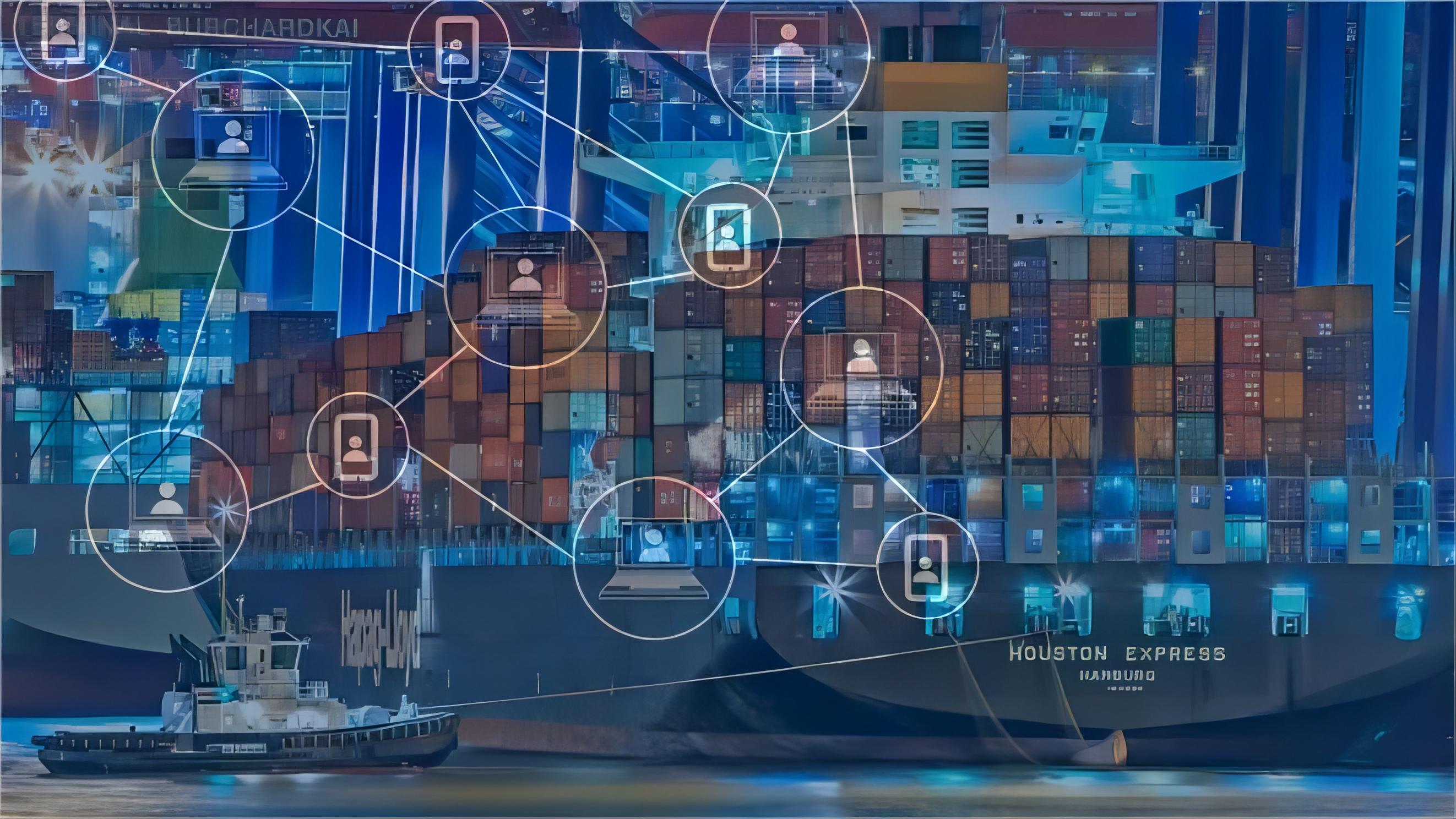
Many importers now prioritize transparency and real-time tracking to monitor their cargo from the factory floor to the final destination. In this regard, a professional service provider utilizes advanced digital tools to provide updates on production milestones and transit progress. As a result, businesses can make informed decisions based on accurate data rather than estimates.
Selecting a partner that understands both the manufacturing landscape and the intricacies of international freight is essential. Moreover, such a partner can offer tailored solutions that address specific industry challenges, such as seasonal demand spikes or fragile cargo handling requirements. Therefore, investing in a comprehensive service is a strategic move for any business looking to scale its international operations.
How Does Sea Freight Compare to Other Shipping Options?
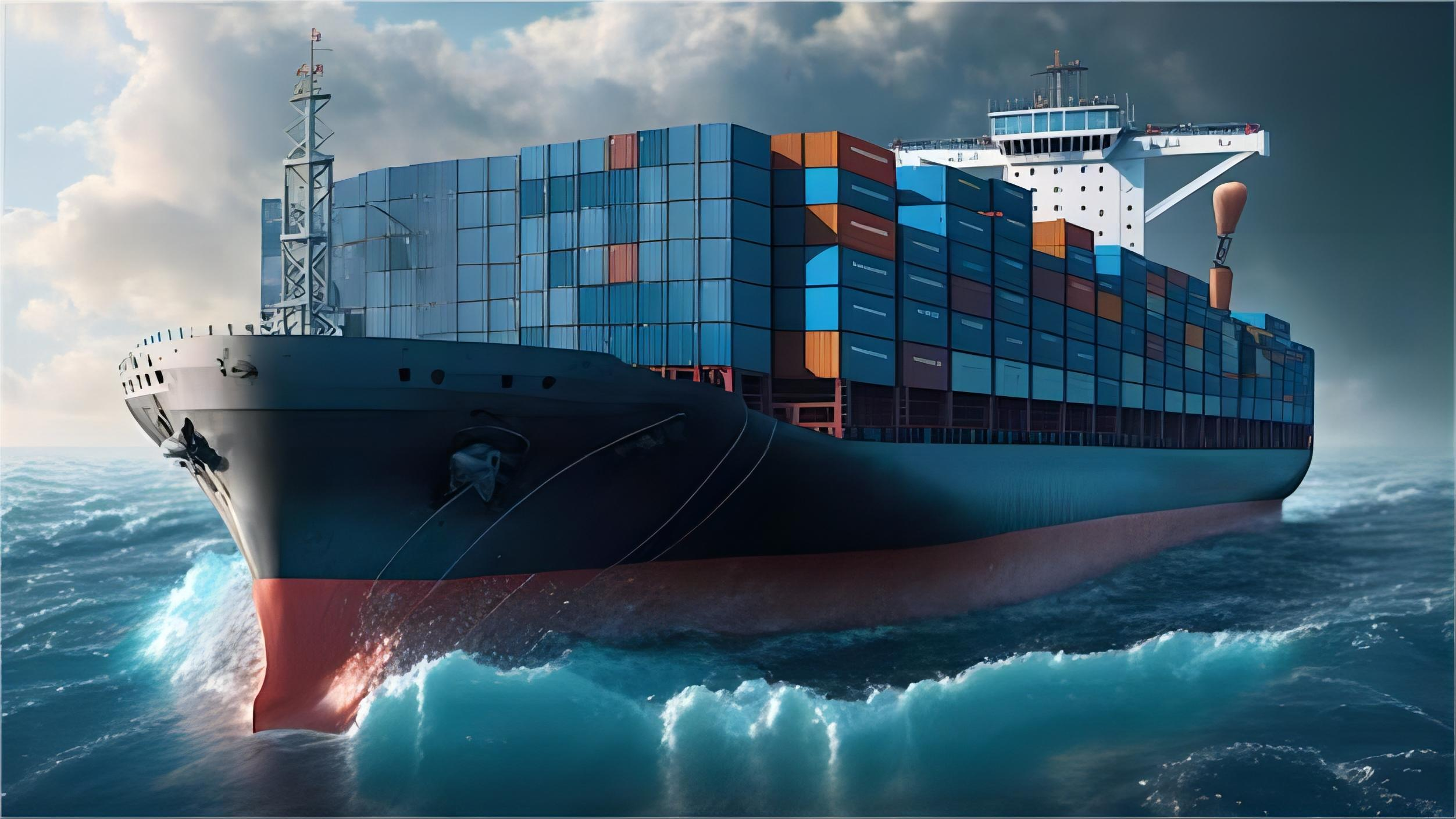
When evaluating transportation methods, sea freight remains the most popular choice for high-volume shipments due to its cost-efficiency. While it offers significantly lower rates compared to air transport, it requires longer lead times that businesses must account for in their planning. Specifically, ocean transport is ideal for bulky items or large quantities where the shipping cost per unit needs to be minimized.
Industry data from early 2026 suggests that sea freight rates have stabilized following the logistical adjustments made in previous years. However, businesses should still anticipate seasonal fluctuations, particularly during the peak months of August through October. Indeed, planning shipments well in advance can help secure better rates and guaranteed space on major carriers.
Alternative methods like rail or air freight provide different balances of speed and cost. For example, rail freight offers a middle ground for shipments moving from China to Europe, providing faster transit than sea at a lower cost than air. Meanwhile, express services are best suited for small, high-value parcels that require door-to-door delivery within a few days.
| Sea Freight (FCL) | $2,500 – $4,500 | 25 – 40 Days | Bulk Goods |
| Air Freight | $5.00 – $9.00/kg | 3 – 7 Days | High Value |
| Rail Freight | $1,800 – $3,000 | 15 – 22 Days | Europe Routes |
| Express | $8.00 – $15.00/kg | 2 – 5 Days | Samples |
Strategic Benefits of an Integrated Sourcing and Shipping Model
Combining sourcing and shipping into a single workflow eliminates the traditional silos that often hinder supply chain efficiency. When the sourcing team communicates directly with the logistics department, they can optimize packaging and container loading based on actual cargo dimensions. Consequently, this reduces wasted space and lowers the overall shipping cost per unit.
Quality control is another critical area where an integrated service adds significant value. By conducting inspections at the factory before the goods are handed over to the carrier, the service provider ensures that only compliant products enter the shipping pipeline. Furthermore, this prevents the costly and time-consuming process of returning defective items after they have already reached the destination country.
Consolidation services allow smaller businesses to benefit from the same economies of scale as larger corporations. Specifically, a sourcing agent can gather goods from multiple suppliers and combine them into a single Less than Container Load (LCL) or Full Container Load (FCL) shipment. As a result, importers save on documentation fees and port charges while maintaining a steady flow of inventory.
Managing the entire process through one entity also simplifies the financial aspect of international trade. Instead of managing multiple invoices in different currencies, businesses receive a consolidated bill that covers sourcing fees, freight charges, and duties. Therefore, this transparency helps in accurate budgeting and financial forecasting for the fiscal year.
Evaluating Air Freight for Time-Sensitive Global Shipments
For businesses dealing with perishable goods or high-demand electronics, air freight provides the necessary speed to meet tight deadlines. Although the costs are higher, the reduction in transit time can lead to faster inventory turnover and improved cash flow. Notably, air transport also offers higher levels of security and a lower risk of damage compared to other methods.
Current market trends in 2026 indicate a growing reliance on air cargo for e-commerce fulfillment and just-in-time manufacturing. Moreover, the expansion of cargo capacity in major Chinese hubs like Shanghai and Shenzhen has helped maintain competitive transit times. However, importers must be mindful of weight and volume restrictions that can significantly impact the final quote.
Choosing air freight requires a careful analysis of the product’s value-to-weight ratio. For instance, lightweight components with high market value are perfect candidates for this method. Additionally, the shorter transit time reduces the need for extensive protective packaging, which can slightly offset the higher freight rates.
Note: Freight rates are subject to change based on fuel costs, carrier capacity, and seasonal demand. Contact us for a current quote tailored to your specific shipment.
The Role of Rail Freight in Modern International Logistics
In the context of China to Europe trade, rail freight has emerged as a reliable and sustainable alternative to sea and air. It offers a transit time that is roughly half that of ocean freight while remaining much more affordable than air transport. Consequently, it has become a staple for automotive parts, machinery, and consumer goods moving across the Silk Road routes.
Environmental considerations are also driving the adoption of rail transport among eco-conscious brands. Rail emits significantly less CO2 per ton-mile than air or road transport, helping companies meet their sustainability targets. Furthermore, the stability of rail routes avoids the maritime congestion often seen at major transshipment ports.
Importers should note that rail freight is primarily available for inland destinations in Europe and Central Asia. In contrast, routes to North America or Australia still rely heavily on maritime and aerial corridors. Nevertheless, for the right geographic lane, rail provides a balanced logistics strategy that optimizes both time and budget.
Effective use of rail requires specialized knowledge of terminal operations and cross-border rail gauges. Therefore, working with a logistics provider experienced in the China-Europe Railway Express is vital for a smooth shipping experience. Specifically, they can handle the complex scheduling and multi-modal transfers required for door-to-door delivery.
Navigating Customs Brokerage and Regulatory Compliance
Successful international shipping is impossible without a thorough understanding of customs brokerage and import regulations. Every country has specific requirements for documentation, labeling, and product safety standards that must be met to avoid delays. Specifically, incorrect HTS code classification can lead to significant fines or the seizure of goods by customs authorities.
Professional customs brokers act as intermediaries between the importer and the government, ensuring all duties and taxes are calculated accurately. Moreover, they stay updated on changing trade agreements and tariff structures that could affect the total landed cost. In 2026, many customs processes have become digitized, requiring precise electronic data interchange (EDI) submissions.
Commonly required documents include the commercial invoice, packing list, bill of lading, and certificate of origin. Additionally, certain products may require specialized permits or health certificates depending on the destination’s laws. As a result, having a checklist and a dedicated expert to review these documents before departure is a critical step in the logistics chain.
| Commercial Invoice | Value Declaration | All Shipments | Supplier |
| Bill of Lading | Title of Goods | Ocean Freight | Carrier |
| Packing List | Content Detail | Customs Review | Supplier |
| Cert. of Origin | Tariff Benefits | Duty Reduction | Chamber Comm. |
Case Studies: Verifiable Logistics Results in 2026
Analyzing real-world examples provides valuable insights into how different shipping strategies perform under current market conditions. These cases highlight the importance of choosing the right method based on cargo type, urgency, and destination. Specifically, they demonstrate how professional management can mitigate common risks and optimize costs.
Case Study 1: Electronics Distribution to USA Route: Shenzhen, China to Los Angeles, USA Cargo: Consumer Electronics, 68 CBM, 12,500 kg Container: 40HQ Full Container Load Shipping Details: – Carrier: Major Pacific Carrier – Port of Loading: Shenzhen – Port of Discharge: Los Angeles – Route Type: Direct Cost Breakdown: – Ocean Freight: $3,200 – Origin Charges: $450 – Destination Charges: $600 – Customs and Duties: $1,200 – Total Landed Cost: $5,450 Timeline: – Booking to Loading: 4 days – Sea Transit: 16 days – Customs Clearance: 2 days – Total Door-to-Door: 22 days Key Insight: Utilizing a direct route to the West Coast saved 10 days compared to transshipment options, which was critical for a product launch.
Case Study 2: Furniture Retail to United Kingdom Route: Ningbo, China to Felixstowe, UK Cargo: Wooden Furniture, 28 CBM, 8,000 kg Container: 20GP Full Container Load Shipping Details: – Carrier: COSCO – Port of Loading: Ningbo – Port of Discharge: Felixstowe – Route Type: Transshipment via Singapore Cost Breakdown: – Ocean Freight: $2,400 – Origin Charges: $350 – Destination Charges: $550 – Customs and Duties: $900 – Total Landed Cost: $4,200 Timeline: – Booking to Loading: 6 days – Sea Transit: 32 days – Customs Clearance: 3 days – Total Door-to-Door: 41 days Key Insight: Choosing a transshipment route reduced freight costs by 15% without impacting the retailer’s non-urgent inventory schedule.
Case Study 3: Fashion Apparel to Australia Route: Guangzhou, China to Sydney, Australia Cargo: Seasonal Clothing, 5 CBM, 1,200 kg Container: LCL (Less than Container Load) Shipping Details: – Carrier: OOCL – Port of Loading: Guangzhou – Port of Discharge: Sydney – Route Type: Direct Cost Breakdown: – Ocean Freight: $650 – Origin Charges: $200 – Destination Charges: $250 – Customs and Duties: $400 – Total Landed Cost: $1,500 Timeline: – Booking to Loading: 3 days – Sea Transit: 15 days – Customs Clearance: 2 days – Total Door-to-Door: 20 days Key Insight: LCL consolidation allowed the boutique to import smaller batches frequently, maintaining fresh stock without the high cost of air freight.
Which Shipping Option Should You Choose?
Selecting the ideal shipping method depends on your specific business priorities and the nature of your products. If your primary goal is to minimize expenditure and you have flexible timelines, sea freight is undoubtedly the best choice for large volumes. Conversely, if you are shipping high-value items that need to reach the market quickly, air freight justifies its premium price tag.
Volume thresholds often dictate when it is more economical to switch from LCL to FCL. Generally, once a shipment exceeds 15 cubic meters (CBM), booking a full 20-foot container becomes more cost-effective than paying for individual CBM rates. Furthermore, FCL shipments are less prone to damage as the goods are not handled as frequently during transit.
Hybrid solutions like sea-air combinations can also be effective for balancing cost and speed. In this scenario, goods are shipped by sea to a major hub like Dubai or Singapore and then flown to the final destination. This approach can save up to 40% in costs compared to pure air freight while being twice as fast as traditional sea freight.
Ultimately, the decision should be based on a thorough analysis of your supply chain requirements and customer expectations. Specifically, you should consider the impact of transit times on your inventory carrying costs and potential lost sales. Therefore, consulting with a logistics expert can help you design a multi-modal strategy that aligns with your long-term goals.
Optimizing Landed Costs through Strategic Consolidation
In the realm of Amazon FBA and e-commerce, managing the total landed cost is the key to profitability. Strategic consolidation involves grouping orders from various Chinese suppliers into a single shipment to reduce per-unit overhead. Moreover, this allows for standardized labeling and packaging that meets the strict requirements of international fulfillment centers.
Warehouse consolidation in China also provides an opportunity for final quality checks before the goods leave the country. By identifying issues early, importers can avoid the astronomical costs of processing returns from overseas customers. Indeed, many successful sellers use this stage to add custom inserts or branding to their products, enhancing the customer experience.
Negotiating better rates with carriers is more effective when you can demonstrate consistent shipping volumes. By working with a logistics partner that aggregates volume from many clients, even small businesses can access tier-one freight rates. Consequently, this levels the playing field and allows smaller players to compete with established brands.
Note: Freight rates are subject to change based on fuel costs, carrier capacity, and seasonal demand. Contact us for a current quote tailored to your specific shipment.
Maximizing Efficiency in Global Trade
Mastering the intricacies of china sourcing and shipping service international shipping is a continuous process of optimization and adaptation. By understanding the various freight methods, documentation requirements, and cost-saving strategies, businesses can build a more resilient supply chain. Whether you choose the cost-effectiveness of sea freight or the speed of air transport, the key lies in professional management and clear communication.
As we move through 2026, the integration of sourcing and logistics will continue to be a defining factor for successful international trade. Partnering with experts who provide end-to-end solutions ensures that your products reach their destination safely, on time, and within budget. Start optimizing your china sourcing and shipping service international shipping today to secure your position in the global market.
Get Your Shipping Quote Today
Ready to streamline your global supply chain with a reliable china sourcing and shipping service international shipping partner? Contact Logistics From China today to receive a customized quote and expert guidance for your 2026 shipments. Visit our website to learn more and start your inquiry. Send Inquiry: info@logisticsfromchina.com
Request Quote