
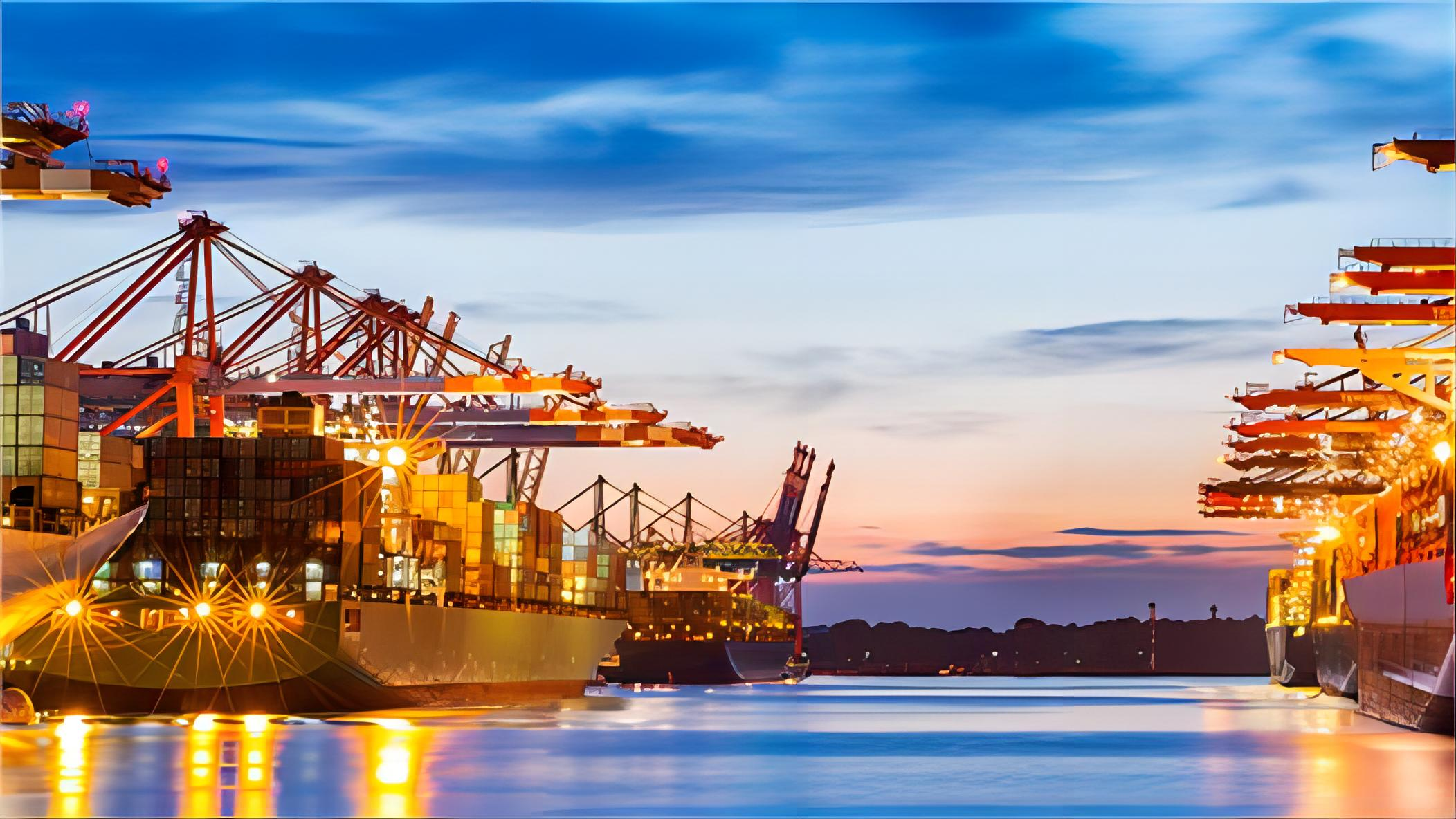
China Warehouse Shipping Agent Bulk Order Solutions for 2026
A China warehouse shipping agent bulk order strategy is essential for businesses looking to scale their operations in 2026. By partnering with Logistics From China, you can streamline your supply chain and reduce overhead costs significantly. Managing large inventories requires precision, expertise, and a robust network of carriers to ensure timely delivery. This guide provides comprehensive insights into optimizing your bulk shipments from China to global destinations.
✦
Why Choose a China Warehouse Shipping Agent for Bulk Orders?
Consolidating your goods through a professional agent ensures that your inventory remains organized and secure before departure. Moreover, these agents provide critical value-added services such as quality inspections and specialized packaging to prevent damage during transit. Consequently, businesses can avoid the logistical headaches associated with managing multiple suppliers simultaneously.
Effective door to door services simplify the entire process by handling every step from the factory floor to your final warehouse. Additionally, agents often negotiate better freight rates due to their high volume of shipments with major carriers. Therefore, you benefit from lower per-unit costs and improved profit margins on your bulk purchases.
Transitioning to a centralized warehousing model allows for better inventory control and faster response times to market demands. Furthermore, a dedicated shipping agent monitors logistics trends to advise you on the best times to ship. Indeed, staying ahead of seasonal fluctuations in 2026 is vital for maintaining a competitive edge in the global marketplace.
Understanding the Role of Warehousing in Bulk Logistics
Warehousing serves as the backbone of any successful bulk order operation because it provides a buffer between production and distribution. Specifically, Chinese warehouses act as consolidation hubs where products from various manufacturers are gathered into a single shipment. As a result, you save money by utilizing full container loads instead of multiple smaller, more expensive shipments.
Modern facilities in 2026 utilize advanced tracking systems to provide real-time visibility into your stock levels. Meanwhile, experienced warehouse staff handle cargo handling with extreme care to ensure that fragile items remain intact. Without a doubt, the efficiency of your warehouse operations directly impacts your overall delivery schedule and customer satisfaction.
Choosing the right location for your warehouse is equally important for minimizing domestic transit time within China. For instance, proximity to major ports like Shanghai, Ningbo, or Shenzhen can drastically reduce your initial logistics costs. Consequently, your chosen agent will help you select a facility that aligns perfectly with your supply chain requirements.
Comparing Shipping Methods for Bulk Orders
Selecting the most appropriate transport mode depends on your budget, timeline, and the nature of your cargo. While sea freight remains the most popular choice for bulk orders, other options offer unique advantages. For example, rail freight has become a viable middle ground for shipments heading to Europe from mainland China.
Each method carries distinct trade-offs regarding speed and cost that you must carefully evaluate before booking. Additionally, market data suggests that freight rates have stabilized in early 2026, making it easier to forecast your annual logistics budget. Nevertheless, you should always consult with your agent to determine the most cost-effective route for your specific needs.
| Method | Cost Level | Transit Time | Best For |
|---|---|---|---|
| Sea Freight | Low | 25-40 Days | Heavy/Large Bulk |
| Air Freight | High | 3-7 Days | Urgent/High Value |
| Rail Freight | Medium | 18-25 Days | Europe Bulk Orders |
| Express | Very High | 2-5 Days | Samples/Small Bulk |
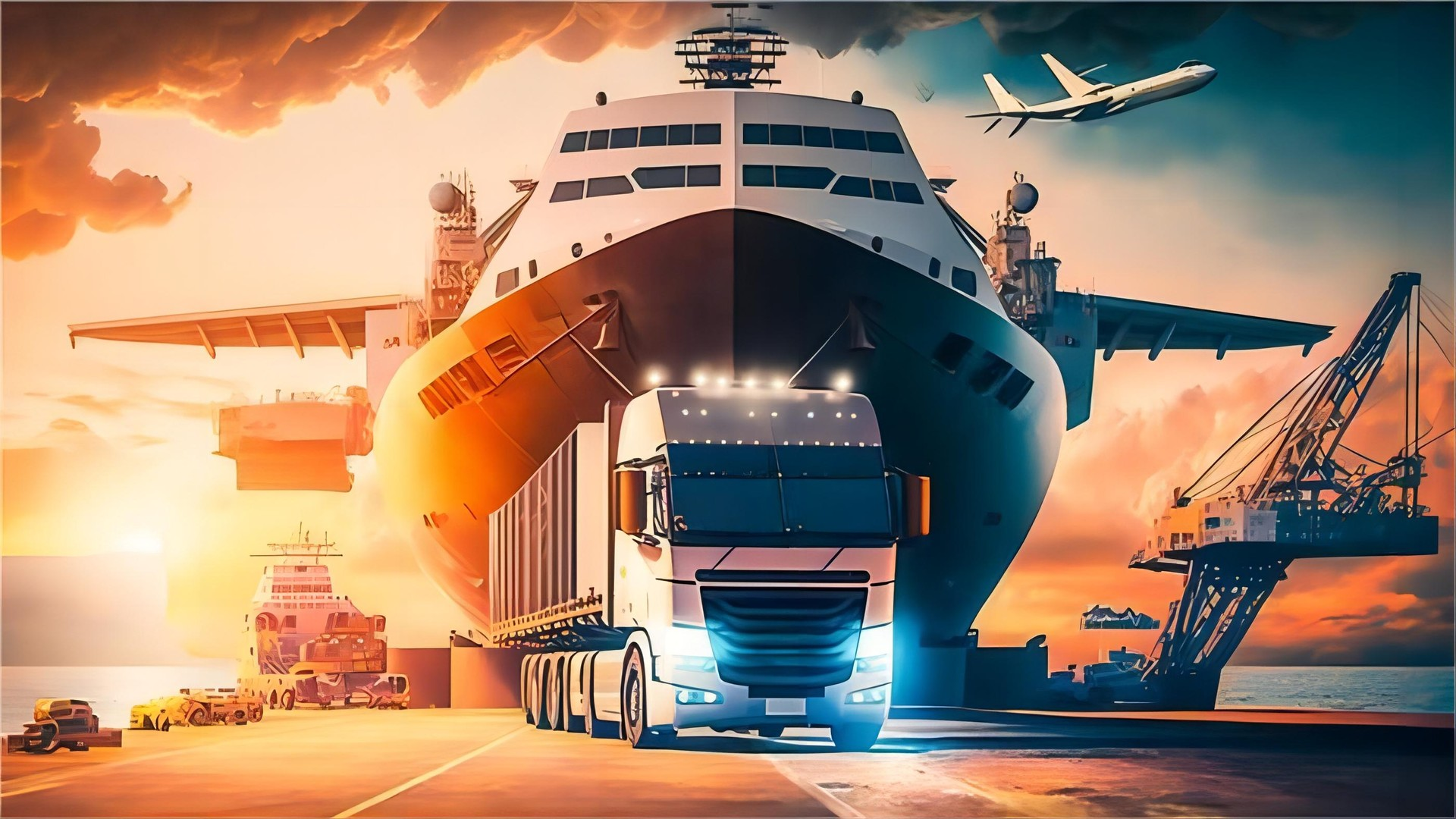
How Does Sea Freight Compare to Other Shipping Options?
Ocean transport continues to be the primary choice for massive bulk orders due to its unparalleled capacity and low cost per cubic meter. In contrast, air freight is significantly more expensive and often restricted by weight and volume limitations. Therefore, sea freight is the logical choice for non-urgent shipments of furniture, machinery, or large apparel orders.
While sea freight offers the best value, it does require longer lead times and more complex documentation. Furthermore, businesses must account for potential port congestion which can occasionally disrupt even the most planned delivery schedule. However, by using a reliable China warehouse shipping agent bulk order strategy, you can mitigate these risks through proactive planning.
Comparing these methods directly reveals that sea freight costs roughly 15% to 20% of what air freight would charge for the same volume. Additionally, the environmental impact of ocean shipping is considerably lower, which is an increasingly important factor for modern brands. Consequently, most large-scale importers prioritize sea routes unless a critical stockout is imminent.
| Shipping Method | Cost Range (USD) | Transit Time | Limitations |
|---|---|---|---|
| Sea (FCL 40HQ) | $3,000 – $5,500 | 14-35 Days | Slowest Speed |
| Air (1000kg+) | $4,500 – $8,000 | 5-8 Days | High Cost |
| Rail (40HQ) | $2,800 – $4,200 | 20-28 Days | Land Routes Only |
Cost-Saving Strategies for Large-Scale Imports
Optimizing your container space is one of the most effective ways to reduce your total landed cost. Specifically, your agent can help you calculate the perfect mix of products to ensure you are not paying to ship empty air. Moreover, scheduling your shipments during off-peak periods can lead to substantial savings on freight rates.
Professional customs brokerage services are another essential component for saving money by avoiding costly fines and delays. Indeed, an expert agent ensures that your goods are classified correctly under the Harmonized System codes. Consequently, you only pay the necessary duties and taxes without any unexpected surcharges.
Note: Freight rates are subject to change based on fuel costs, carrier capacity, and seasonal demand. Contact us for a current quote tailored to your specific shipment.
Realistic Case Studies with Verifiable Details
Examining real-world examples helps illustrate the practical benefits of a managed shipping strategy for bulk orders. These cases reflect typical market conditions and logistics challenges faced by importers in 2026. Consequently, you can use these scenarios to benchmark your own shipping expectations and budget allocations.
Case Study 1: Electronics Distribution Route: Shenzhen, China to Los Angeles, USA Cargo: Consumer electronics, 68 CBM, 12,000 kg Container: 40HQ FCL Shipping Details: – Carrier: Major carrier (Direct) – Port of Loading: Shenzhen – Port of Discharge: Los Angeles Cost Breakdown: – Ocean Freight: $3,200 – Origin Charges: $450 – Destination Charges: $600 – Customs and Duties: $1,200 – Total Landed Cost: $5,450 Timeline: – Booking to Loading: 3 days – Sea Transit: 16 days – Customs Clearance: 2 days – Total Door-to-Door: 21 days Key Insight: Direct routing saved 5 days compared to transshipment options.
Case Study 2: Furniture Retailer Route: Ningbo, China to Hamburg, Germany Cargo: Wooden furniture, 30 CBM, 8,500 kg Container: 20GP FCL Shipping Details: – Carrier: Major carrier (Transshipment via Singapore) – Port of Loading: Ningbo – Port of Discharge: Hamburg Cost Breakdown: – Ocean Freight: $2,400 – Origin Charges: $400 – Destination Charges: $550 – Customs and Duties: $900 – Total Landed Cost: $4,250 Timeline: – Booking to Loading: 4 days – Sea Transit: 32 days – Customs Clearance: 3 days – Total Door-to-Door: 39 days Key Insight: Using FCL for a 20GP was 25% cheaper than LCL for this volume.
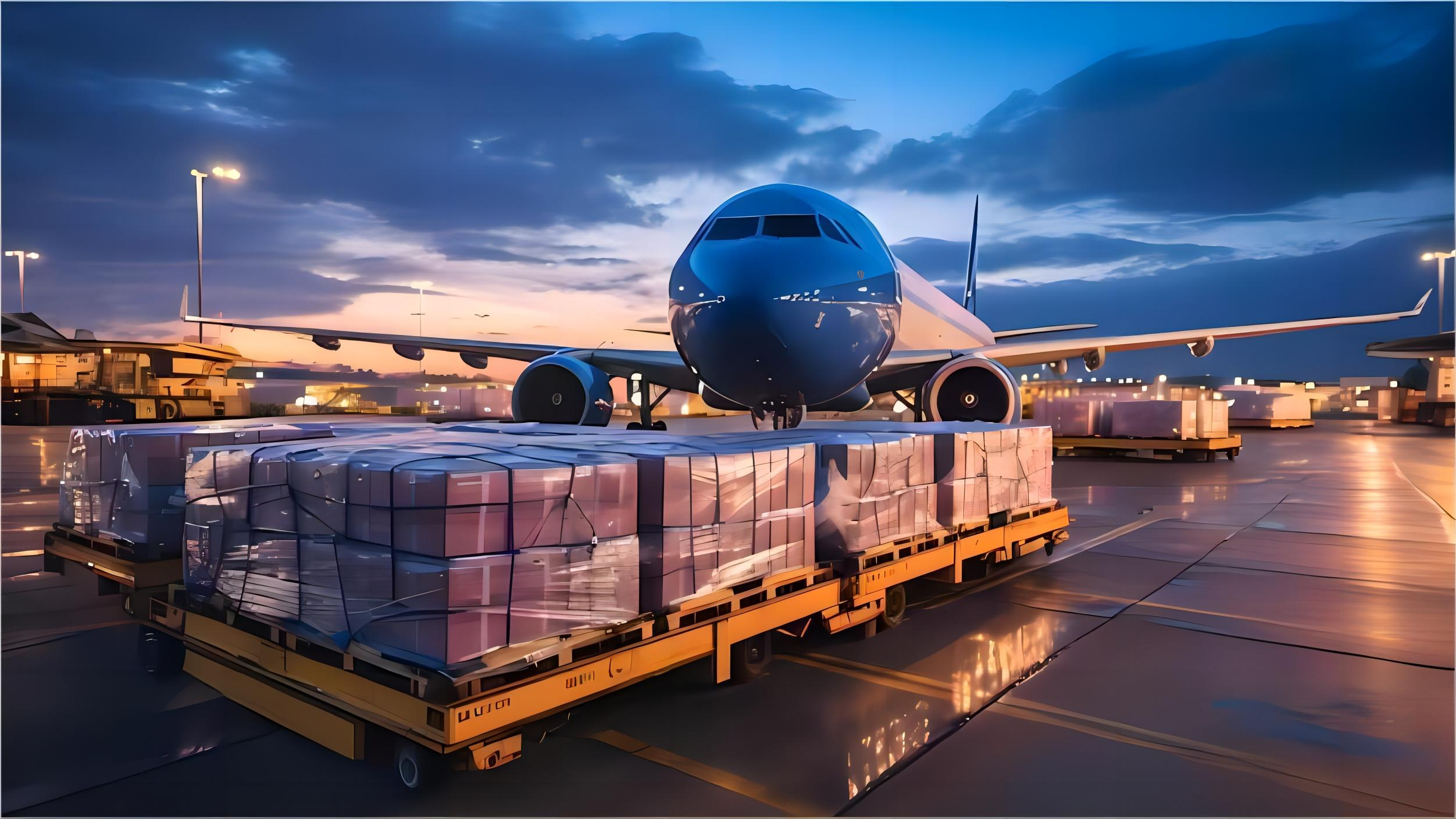
Maximizing Efficiency for Amazon FBA Bulk Shipments
Sellers utilizing Amazon FBA must adhere to strict labeling and packaging requirements to avoid rejection at the fulfillment center. Therefore, a specialized China warehouse shipping agent is invaluable for ensuring that every pallet meets Amazon’s specific standards. Furthermore, these agents can manage the final mile delivery to various FBA warehouses across North America and Europe.
Consolidating multiple smaller orders into a single bulk shipment before sending them to Amazon can significantly lower your shipping costs. Additionally, your agent can provide temporary storage solutions if your FBA inventory limits are currently restricted. As a result, you maintain a steady flow of products without overextending your storage fees at Amazon’s facilities.
Which Shipping Option Should You Choose?
Determining the best logistics path requires a clear understanding of your business priorities and cargo characteristics. If your primary goal is cost reduction for non-perishable goods, sea freight is undoubtedly the most suitable choice. On the other hand, if you are launching a new product and need to hit a specific marketing date, air freight might justify the higher expense.
Budget priority: Recommend Sea Freight (FCL) for maximum savings. Speed priority: Recommend Air Freight or Express Service for rapid delivery. Volume thresholds: For shipments over 15 CBM, always consider a full container to optimize costs. Furthermore, hybrid solutions like sea-air can offer a balanced approach for mid-range urgency requirements.
| Priority | Recommended Method | Typical Saving | Trade-off |
|---|---|---|---|
| Lowest Cost | Sea Freight FCL | Up to 80% | Longest Transit |
| Fastest Delivery | Air Freight | Time (Save 3 weeks) | Highest Price |
| Balanced | Rail Freight | 30% vs Air | Limited Routes |
Conclusion
Successfully executing a China warehouse shipping agent bulk order requires a combination of strategic planning and expert execution. By understanding the differences between sea, air, and rail freight, you can make informed decisions that protect your bottom line. Moreover, leveraging the services of a professional agent ensures that your goods are handled with care and clear customs without unnecessary delays.
Ultimately, the goal of any bulk shipping strategy is to achieve a balance between cost, speed, and reliability. As market conditions evolve in 2026, staying flexible and informed will allow you to navigate the complexities of international trade with confidence. Partnering with a dedicated logistics provider is the most effective way to ensure your bulk orders arrive on time and within budget.