
Professional China Freight Forwarding Service for Business in 2026
Establishing a reliable supply chain requires a specialized china freight forwarding service for business to manage complex international logistics. In 2026, companies face evolving trade regulations and shifting freight rates that demand professional oversight. Without a doubt, selecting the right logistics partner is the most critical decision for any importer aiming to maintain competitive margins and consistent inventory levels.
How Does Sea Freight Compare to Other Shipping Options?
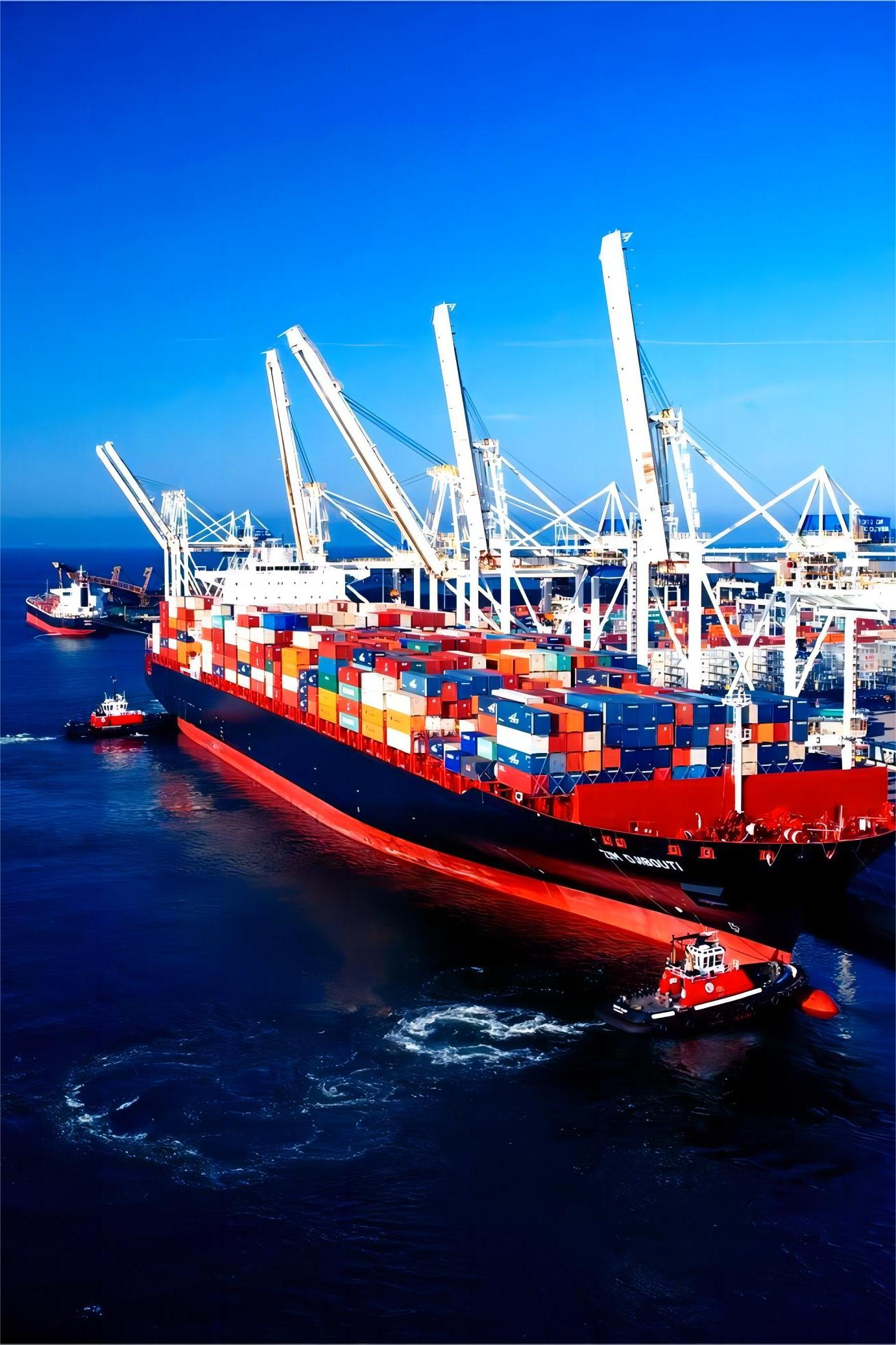
Evaluating different transport modes is essential for optimizing your logistics budget and meeting delivery deadlines. While ocean transport remains the most common choice, alternative methods offer specific advantages depending on your cargo volume and urgency. For example, sea freight is ideal for bulky items, whereas air freight serves time-sensitive shipments.

Consequently, businesses must weigh the trade-offs between cost and speed when planning their 2026 procurement cycles. Market data suggests that sea freight rates have stabilized in early 2026, making it a predictable option for high-volume traders. On the other hand, hybrid solutions like sea-air combinations are gaining popularity for balancing expenses and transit times.
Moreover, direct shipping routes usually command a premium but significantly reduce the risk of delays during transshipment. In contrast, choosing a route with multiple stops might save 10-15% on freight costs but adds 5-7 days to the total schedule. Therefore, your choice should align with your specific inventory turnover requirements and financial constraints.
| Shipping Method | Cost Range | Transit Time | Best For |
|---|---|---|---|
| Sea Freight | $1,500 – $4,500 | 14 – 40 Days | Bulk Cargo |
| Air Freight | $5 – $12 per kg | 3 – 7 Days | High Value |
| Rail Freight | $2,000 – $3,500 | 18 – 25 Days | Mid-range |
| Express | $8 – $15 per kg | 2 – 5 Days | Samples/Small |
Maximizing Efficiency with Sea Freight Solutions
Utilizing sea freight remains the backbone of global trade for most enterprises. This method allows for the transport of massive quantities of goods at a fraction of the cost of air transport. Furthermore, the availability of Full Container Load (FCL) and Less than Container Load (LCL) options provides flexibility for businesses of all sizes.
Indeed, FCL is generally more cost-effective once your shipment exceeds 15 cubic meters. For smaller volumes, LCL allows you to share container space with other shippers, though it requires more handling and slightly longer transit times. Meanwhile, 2026 market trends show an increase in specialized reefers for temperature-sensitive sea cargo.
Note: Freight rates are subject to change based on fuel costs, carrier capacity, and seasonal demand. Contact us for a current quote tailored to your specific shipment.
When to Choose Air Freight for Your Business
Speed is often the primary driver for selecting air freight in a competitive market. When a product launch is imminent or inventory levels are critically low, the higher cost of air transport is easily justified. Additionally, air cargo offers superior security and lower insurance premiums due to the reduced time in transit.
However, businesses must be mindful of the volumetric weight calculations used by airlines. Heavy but compact items are cheaper to fly than light, bulky goods that occupy significant hold space. Accordingly, optimizing your packaging can lead to substantial savings on your total landed cost.
Typical rates as of early 2026 indicate that air freight remains volatile compared to ocean shipping. Despite this, it remains the preferred choice for electronics, fashion, and high-tech components that require rapid turnover.
Streamlining Amazon FBA Logistics from China
Managing an e-commerce brand requires a specialized Amazon FBA strategy to avoid costly storage fees and stockouts. Professional freight forwarders handle the entire process, including labeling, palletizing, and direct delivery to Amazon fulfillment centers. Consequently, sellers can focus on marketing and sales while the logistics partner manages the physical movement of goods.
Furthermore, navigating the strict requirements of Amazon’s receiving departments is a complex task. A seasoned forwarder ensures that every box meets the weight and dimension specifications to prevent shipments from being rejected. Meanwhile, utilizing bonded warehouses in China can help in consolidating multiple supplier orders before final dispatch.
Navigating Customs Brokerage and Compliance
Expert customs brokerage is vital for preventing delays at the port of entry. In 2026, new environmental regulations and digital filing requirements have made the import process more rigorous. Therefore, having a licensed broker to classify your goods correctly under the Harmonized System (HS) is essential for accurate duty payment.
Incorrect documentation can lead to heavy fines or even the seizure of your cargo by authorities. In addition to basic entry filings, brokers provide advice on trade agreements that might offer duty exemptions for specific products. As a result, businesses often save more in duties than they pay in brokerage fees.
| Document Name | Purpose | Required By | Typical Format |
|---|---|---|---|
| Commercial Invoice | Value Declaration | Customs | Digital/PDF |
| Packing List | Content Detail | Warehouse | Digital/PDF |
| Bill of Lading | Title to Goods | Carrier | Physical/Telex |
| Cert. of Origin | Duty Calculation | Customs | Official Form |
The Benefits of Door to Door Shipping Services
Choosing a door to door service provides the ultimate convenience for busy business owners. This comprehensive solution covers everything from picking up the goods at the factory in China to final delivery at your warehouse. Consequently, you only have to deal with a single point of contact and one comprehensive invoice.
Moreover, this method eliminates the need for you to coordinate between multiple trucking companies, sea carriers, and customs agents. It is particularly beneficial for small to medium enterprises that do not have an in-house logistics department. Indeed, the peace of mind provided by a single responsible party is often worth the modest service premium.
Which Option Should You Choose? Decision Framework
Selecting the right shipping strategy depends on several variables including budget, urgency, and cargo type. If your primary goal is cost reduction and you have a long lead time, sea freight is the logical choice. However, if you are shipping high-value electronics that lose value quickly, air freight is more appropriate.
Volume thresholds also play a significant role in your decision-making process. For shipments under 0.5 CBM, express services are usually the most economical. For shipments between 1 and 15 CBM, LCL sea freight or rail freight offers a better balance. Once you exceed 15-20 CBM, booking a full 20GP container becomes the most efficient route.
| Route (From China) | Sea Transit | Air Transit | Rail Transit |
|---|---|---|---|
| USA West Coast | 14-18 Days | 3-5 Days | N/A |
| Europe (Main) | 28-35 Days | 4-6 Days | 18-22 Days |
| Australia | 12-18 Days | 3-5 Days | N/A |
| USA East Coast | 30-35 Days | 4-7 Days | N/A |
Real-World Business Shipping Case Studies
Case Study 1: Solar Panel Distribution to Germany. Route: Ningbo to Hamburg. Cargo: 500 Solar Panels, 65 CBM. Container: 1x40HQ. Shipping Method: Sea Freight. Carrier: COSCO. Ocean Freight: $3,200. Origin Charges: $450. Destination Charges: $600. Customs: $1,200. Total Landed: $5,450. Timeline: 32 days door-to-door. Insight: Early booking in Q1 2026 avoided the 20% price hike seen in the Q2 peak season.
Case Study 2: Urgent Electronics Launch in California. Route: Shenzhen to Los Angeles. Cargo: 2,000 Smartwatches, 2.5 CBM, 800kg. Shipping Method: Air Freight. Carrier: Cathay Pacific. Total Cost: $7,800. Timeline: 5 days total. Insight: Using a direct flight saved 3 days compared to transshipment through Hong Kong, ensuring the product launch date was met.
Case Study 3: Furniture Retailer in Sydney. Route: Shanghai to Sydney. Cargo: Custom Furniture, 12 CBM. Shipping Method: LCL Sea Freight. Total Cost: $2,100. Timeline: 18 days. Insight: Consolidating multiple supplier orders into one LCL shipment reduced origin handling fees by 30%.
Securing Your Business Future with Expert Logistics
Successfully managing international trade requires more than just moving boxes; it requires a strategic approach to a china freight forwarding service for business. By understanding the nuances of different shipping methods and staying informed about 2026 market trends, you can protect your profit margins. Furthermore, partnering with an experienced forwarder ensures that your cargo navigates customs and transit hurdles without costly delays.
Ultimately, the goal is to create a resilient supply chain that can adapt to global changes. Whether you prioritize the speed of air freight or the economy of sea freight, professional oversight is the key to success. Start evaluating your 2026 logistics needs today to ensure your business remains competitive in the global marketplace.
Get Your Shipping Quote Today
Ready to optimize your supply chain with a reliable china freight forwarding service for business? Contact Logistics From China today for a personalized quote and expert guidance on your 2026 shipping strategy. Visit our website to start your inquiry.
Request Quote