

Ocean Freight from China Express Logistics: 2026 Shipping Guide
“Managing international trade requires a deep understanding of ocean freight from china express logistics to maintain a competitive edge. Businesses looking to scale effectively often turn to Logistics From China for reliable transportation solutions. This guide explores how you can optimize your supply chain while navigating the complexities of global trade routes in the current 2026 market.”
What is Ocean Freight from China Express Logistics?
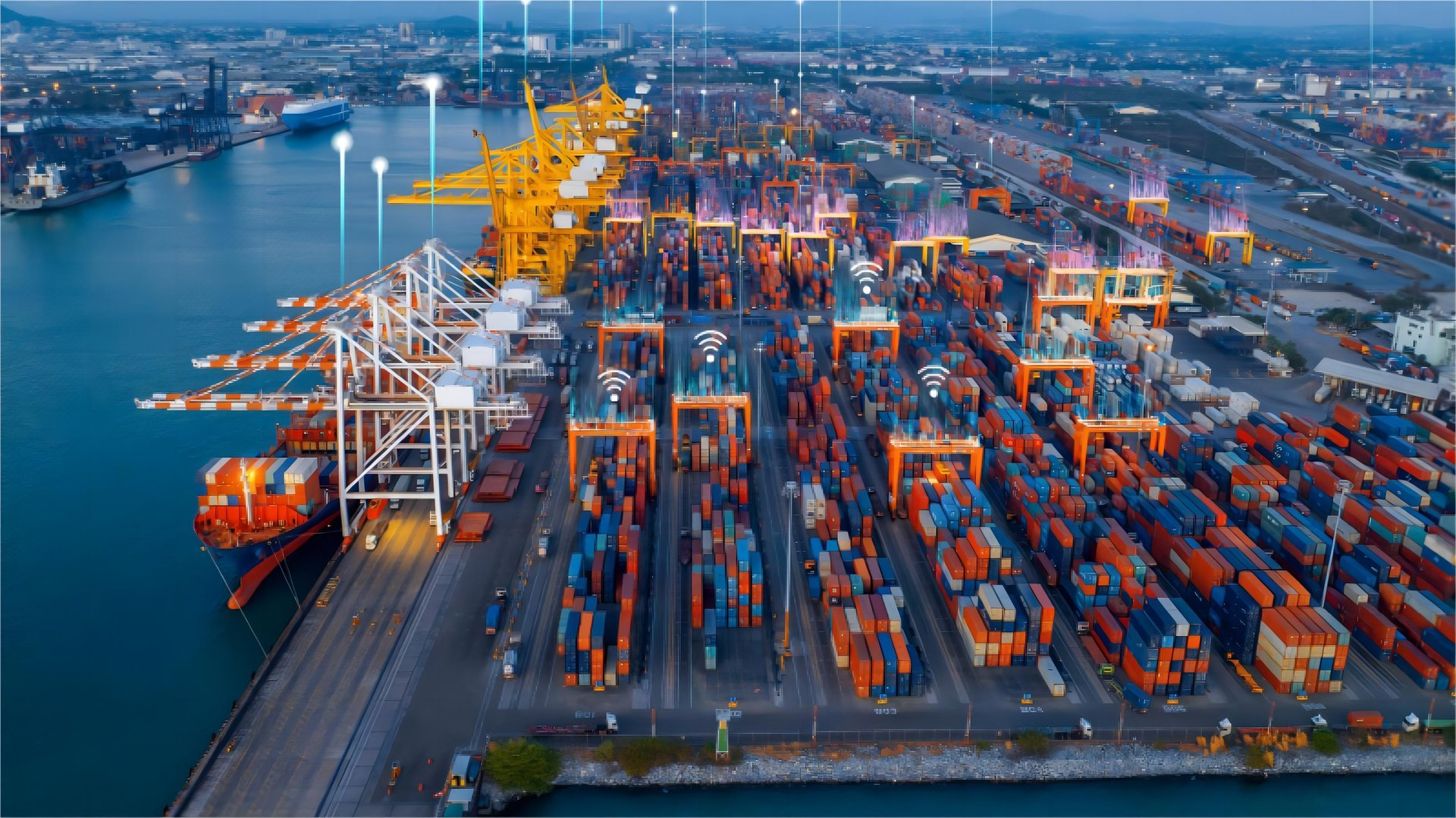
❖Ocean freight from china express logistics refers to the specialized movement of goods via sea carriers using optimized scheduling and priority handling. Modern shippers utilize this method to balance the high cost of air transport with the slower speeds of traditional maritime shipping. Consequently, companies can move large volumes of inventory without exhausting their entire logistics budget.
Technological advancements in 2026 have allowed carriers to offer more precise tracking and faster port processing for express sea lanes. Furthermore, the integration of digital documentation has significantly reduced the time cargo spends idling at terminals. Shippers now enjoy a level of transparency that was previously only available through premium courier services.
Choosing this method implies a commitment to both efficiency and cost-effectiveness in your daily operations. Moreover, the environmental impact of sea transport remains significantly lower than that of aviation, appealing to eco-conscious brands. You can achieve a sustainable growth model by leveraging these established maritime corridors.
Why Global Businesses Prefer Sea Freight in 2026
❖Reliability has become the primary driver for choosing sea freight over more volatile transport modes this year. Although market fluctuations occur, the stability of container shipping allows for better long-term financial planning and inventory management. Indeed, most high-volume importers rely on the predictable nature of weekly vessel departures from major Chinese ports.
Scalability represents another major advantage when dealing with bulk commodities or oversized equipment. Specifically, the ability to utilize Full Container Load (FCL) options ensures that your goods remain secure and undisturbed during the entire voyage. Therefore, businesses can ship everything from heavy machinery to delicate electronics with equal confidence.
Cost management remains a critical factor for any enterprise operating in the competitive 2026 global economy. By opting for sea transport, companies often save up to 80 percent compared to the price of Air Freight services. These savings can then be reinvested into product development or marketing efforts to further expand market share.
How Does Ocean Freight from China Express Logistics Compare to Other Shipping Options?
❖Determining the best transport mode requires a side-by-side analysis of cost, speed, and capacity. While air transport offers unmatched speed, the volumetric weight restrictions often make it prohibitively expensive for most consumer goods. In contrast, sea freight provides the necessary space for large-scale distribution without the extreme price tag.
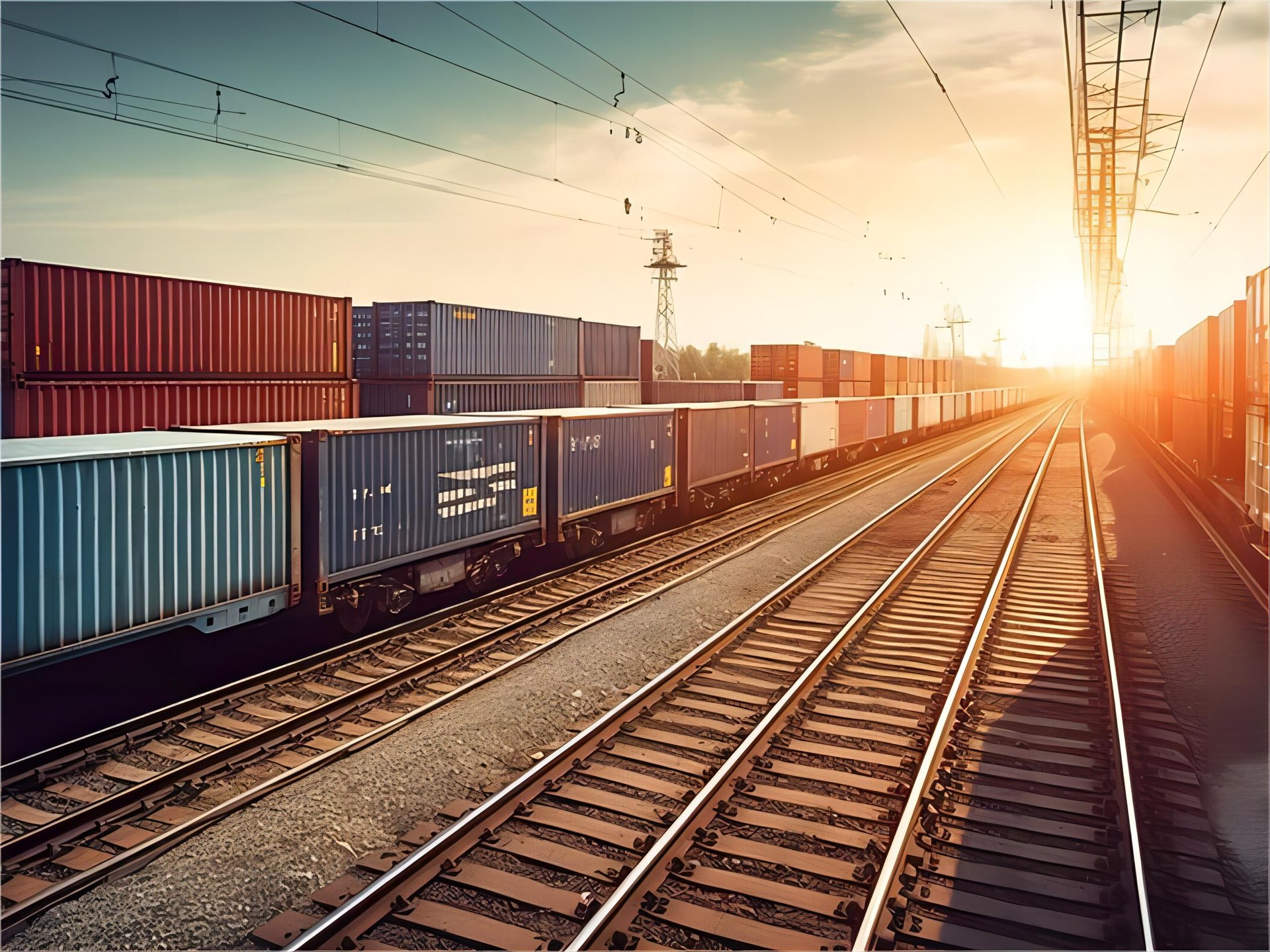
Rail options have grown in popularity for Eurasian routes, yet they cannot match the global reach of maritime vessels. For instance, shipping to island nations or distant continents like Australia remains exclusively the domain of sea and air carriers. Meanwhile, express sea services have narrowed the gap between traditional ocean transit and faster alternatives.
Hybrid solutions are also emerging as a viable strategy for middle-market shippers who need a balance of both worlds. Nevertheless, the core of most international supply chains continues to rest on the shoulders of the global shipping fleet. Use the table below to compare the primary characteristics of each major shipping method available from China.
| Shipping Method | Cost Range | Transit Time | Best For | Limitations |
|---|---|---|---|---|
| Ocean Freight | Low ($1,500 – $4,500) | 14 – 40 Days | Bulk & Large Goods | Longer Lead Times |
| Air Freight | High ($5,000 – $20,000) | 3 – 7 Days | Urgent & High Value | Weight Restrictions |
| Rail Freight | Medium ($2,500 – $5,000) | 18 – 25 Days | Inland Europe Routes | Limited Destinations |
| Express Service | Very High ($10+ per kg) | 2 – 5 Days | Samples & Documents | Small Parcels Only |
Navigating the Costs of Ocean Freight
❖Fluctuations in fuel prices and seasonal demand heavily influence the final quote you receive from your freight forwarder. During the Q4 peak season of 2025, rates saw a 20 percent increase due to the rush for holiday inventory. However, as of early 2026, the market has stabilized, providing more favorable conditions for regular importers.
Additional charges such as Terminal Handling Charges (THC) and documentation fees must be factored into your landed cost calculations. Additionally, port congestion surcharges can occasionally arise during periods of high labor demand or infrastructure maintenance. Understanding these variables allows you to negotiate better terms with your logistics provider.
Typical rates for a 40HQ container from China to the United States currently range between $3,000 and $5,500 depending on the specific port of entry. Similarly, shipments to European hubs like Rotterdam or Hamburg remain competitive within the $3,500 to $4,500 bracket. See the following table for a breakdown of estimated rates across various global routes.
| Route (China to…) | 20GP Container | 40GP Container | 40HQ Container | Transit Time |
|---|---|---|---|---|
| USA West Coast | $1,600 – $2,300 | $2,600 – $3,600 | $2,900 – $3,900 | 14-18 Days |
| USA East Coast | $2,600 – $3,600 | $4,100 – $5,600 | $4,600 – $6,100 | 30-35 Days |
| Europe (Main) | $1,900 – $2,600 | $2,900 – $3,900 | $3,100 – $4,300 | 28-35 Days |
| Australia | $900 – $1,300 | $1,300 – $1,900 | $1,500 – $2,100 | 12-18 Days |
Price Disclaimer
Note: Freight rates are subject to change based on fuel costs, carrier capacity, and seasonal demand. Contact us for a current quote tailored to your specific shipment.
FCL vs. LCL: Which Strategy Fits Your Volume?
❖Deciding between Full Container Load (FCL) and Less than Container Load (LCL) is a pivotal choice for managing ocean freight from china express logistics. FCL is generally preferred for shipments exceeding 15 cubic meters because it offers a lower cost per unit and faster handling. Consequently, your goods travel in a sealed container dedicated solely to your business, reducing the risk of damage.
LCL serves as an excellent alternative for smaller businesses or those testing new product lines without committing to a full container. In this scenario, your cargo shares space with other shippers, and you only pay for the volume you occupy. Nevertheless, keep in mind that LCL shipments often require more time for consolidation and deconsolidation at the ports.
Efficiency gains can be realized by carefully calculating your total volume before booking your space with a carrier. For instance, if your shipment is 13 CBM, it might be more economical to pay for a 20GP container to ensure faster transit. Always consult with your provider to determine the current ‘break-even’ point between these two shipping methods.
The Essential Role of Customs Brokerage
❖Navigating the legal requirements of international trade is often the most challenging aspect of importing from Asia. Engaging a professional Customs Brokerage service ensures that your paperwork complies with all local and federal regulations. Consequently, you avoid costly delays and potential fines that can arise from incorrect tariff classifications.
Accurate documentation serves as the foundation for a successful clearance process at the port of discharge. Furthermore, brokers can help you identify opportunities for duty drawbacks or trade program benefits that might otherwise be overlooked. Therefore, the expertise of a seasoned professional often pays for itself through saved time and reduced tax liabilities.
Digital transformation in 2026 has streamlined the filing process, but the complexity of trade laws remains high. Indeed, staying updated on changing trade agreements between China and major economies is a full-time job. By outsourcing this task, you can focus on core business activities while your cargo moves smoothly through the border.
| Document Name | Purpose | Required By | Criticality |
|---|---|---|---|
| Commercial Invoice | Value Declaration | Customs | High |
| Packing List | Content Verification | Warehouse/Customs | High |
| Bill of Lading | Title of Goods | Carrier/Bank | Mandatory |
| Cert. of Origin | Tariff Determination | Customs | Medium |
Which Option Should You Choose?
❖Your decision should ultimately align with your specific business goals, budget constraints, and delivery deadlines. If your primary objective is to minimize expenditure, traditional sea freight remains the undisputed leader for large volumes. On the other hand, if you are launching a time-sensitive marketing campaign, the speed of Express Service may justify the higher cost.
Cargo type also plays a significant role in determining the most appropriate transport method for your inventory. Perishable items or high-value electronics often require the controlled environment and speed provided by air transport. Meanwhile, durable consumer goods and industrial materials are perfectly suited for the long-haul nature of maritime shipping.
Volume thresholds often dictate the transition from one shipping method to another as your business grows. For example, once your monthly volume exceeds 20 CBM, shifting from LCL to FCL becomes a logical step for both security and savings. Evaluate your current logistics data to identify where these transitions can optimize your bottom line.
Real-World Case Studies
❖Examining real scenarios helps clarify the practical application of ocean freight from china express logistics in various industries. These examples reflect actual market conditions observed in early 2026 across major global trade lanes. Review these cases to see how different strategies impact the total landed cost and delivery timeline.
Case Study 1: Electronics Distribution to North America
Case Study 1: High-Volume Consumer Electronics
Route: Shenzhen, China to Los Angeles, USA
Cargo: Smart Home Devices, 65 CBM, 12,500 kg
Container: 1 x 40HQ
Shipping Details:
– Carrier/Service: Major trans-Pacific carrier
– Port of Loading: Shenzhen (Yantian)
– Port of Discharge: Los Angeles
– Route Type: Direct
Cost Breakdown:
– Ocean Freight: $3,450
– Origin Charges: $450
– Destination Charges: $600
– Customs and Duties (estimated): $2,200
– Total Landed Cost: $6,700
Timeline:
– Booking to Loading: 4 days
– Sea Transit: 15 days
– Customs Clearance: 2 days
– Total Door-to-Door: 21 days
Key Insight: Using a direct route to the West Coast saved 14 days compared to an East Coast discharge, allowing the client to meet a critical product launch date.
Case Study 2: Industrial Parts to Europe
Case Study 2: Specialized Industrial Components
Route: Ningbo, China to Hamburg, Germany
Cargo: Precision Valves, 8 CBM, 3,200 kg
Container: LCL (Less than Container Load)
Shipping Details:
– Carrier/Service: Global consolidator
– Port of Loading: Ningbo
– Port of Discharge: Hamburg
– Route Type: Transshipment via Singapore
Cost Breakdown:
– Ocean Freight: $680 ($85/CBM)
– Origin Charges: $250
– Destination Charges: $400
– Customs and Duties: $1,100
– Total Landed Cost: $2,430
Timeline:
– Booking to Loading: 6 days
– Sea Transit: 34 days
– Customs Clearance: 3 days
– Total Door-to-Door: 43 days
Key Insight: LCL provided a cost-effective solution for a shipment that was too small for a full container, despite the longer transit time due to transshipment.
Leveraging Door to Door Solutions
❖Simplifying your logistics chain is possible by utilizing Door to Door services that manage every touchpoint. This comprehensive approach removes the burden of coordinating multiple vendors and local trucking companies at both ends of the journey. Consequently, you receive a single invoice and a single point of contact for the entire movement of your goods.
Visibility improves significantly when one provider handles the cargo from the factory floor to your final warehouse destination. Furthermore, these integrated services often include insurance and temporary storage options to protect your investment during transit. Therefore, many growing brands find this ‘hands-off’ approach to be the most efficient way to manage international growth.
Regional expertise is vital when shipping to diverse markets like North America or Europe. Each territory has unique infrastructure challenges and local regulations that require specific knowledge to navigate successfully. Choosing a partner with a global network ensures that your cargo is never left stranded at a foreign terminal.

Mastering Global Logistics in 2026
To summarize, successful ocean freight from china express logistics requires a combination of strategic planning, accurate documentation, and the right shipping partners. By understanding the differences between FCL and LCL, as well as the benefits of various transport modes, you can build a resilient supply chain. Transitioning to more efficient shipping methods will not only save you money but also improve your overall service levels for your customers.
Moreover, the logistics landscape will continue to evolve as new technologies and trade patterns emerge throughout the decade. Staying informed and adaptable is the best way to ensure your business remains competitive in an increasingly connected global market. Remember that the right logistics strategy is not just about moving boxes; it is about creating a foundation for long-term commercial success.
Ready to streamline your logistics?
Optimizing your ocean freight from china express logistics is the key to sustainable business growth in 2026. Our team provides the expertise and carrier relationships needed to ensure your cargo arrives safely and on time. Visit Logistics From China today to request a personalized quote and discover how we can streamline your international shipping process. Contact us at https://logisticsfromchina.com/ for more information.
Request Quote