

China to Mexico Logistics Company International Shipping Guide 2026
“Choosing a reliable china to mexico logistics company international shipping partner is a critical step for businesses looking to expand their footprint in the Latin American market in 2026. Many importers struggle with the complexities of transpacific routes, fluctuating freight rates, and rigorous Mexican customs regulations. This guide provides a comprehensive roadmap to navigating these challenges, ensuring your cargo arrives safely and efficiently while maintaining a competitive edge in your supply chain operations.”
How Does Sea Freight Compare to Other Shipping Options?
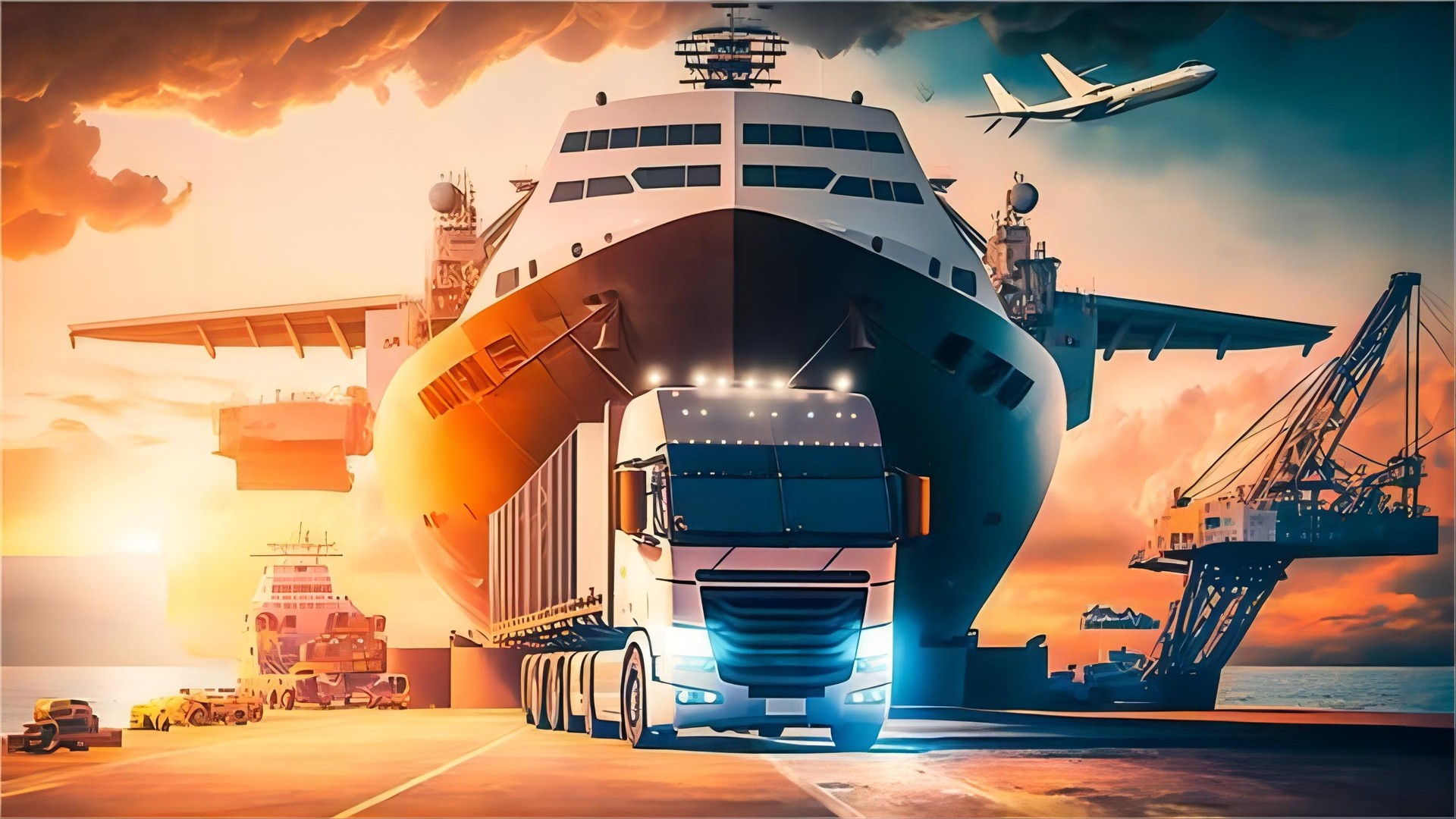
❖Evaluating the best transport method requires a deep understanding of the trade-offs between cost, speed, and reliability. Sea freight remains the backbone of trade between China and Mexico due to its ability to handle massive volumes at a fraction of the cost of air transport. However, the choice is not always simple, as businesses must balance inventory lead times against transportation expenses.

Alternative strategies often involve hybrid solutions or choosing between different service levels. For example, some importers utilize sea-air combinations to bypass port congestion during peak seasons. Furthermore, selecting the right port of entry in Mexico, such as Manzanillo or Lazaro Cardenas, can significantly impact the final delivery timeline and inland trucking costs.
Market conditions in early 2026 suggest that while sea freight offers the best value for bulk goods, the volatility in fuel prices makes long-term planning essential. Consequently, businesses are increasingly looking for a china to mexico logistics company international shipping provider that offers flexible routing options. Below is a detailed comparison of the primary shipping methods available for this route.
| Method | Cost Range | Transit Time | Best For |
|---|---|---|---|
| Sea Freight | $2,500 – $4,500 | 20 – 35 Days | Bulk / FCL |
| Air Freight | $5.50 – $9.00/kg | 5 – 8 Days | High Value |
| Express | $8.00 – $12.00/kg | 3 – 5 Days | Samples |
| Sea-Air | Moderate | 12 – 18 Days | Mid-Urgency |
Optimizing Sea Freight for Maximum Efficiency
❖Selecting the right sea freight service is paramount for managing large-scale imports. In the current 2026 market, Full Container Load (FCL) remains the most cost-effective choice for shipments exceeding 15 cubic meters. Conversely, Less than Container Load (LCL) provides a flexible alternative for smaller batches, allowing multiple shippers to share container space.
Transit times from major Chinese hubs like Shanghai, Ningbo, and Shenzhen to Mexican Pacific ports generally range from 20 to 28 days for direct sailings. Nevertheless, transshipment via Busan or Los Angeles can extend this duration to 35 days or more. Therefore, verifying the specific vessel schedule with your logistics provider is a necessary step to avoid production delays.
Pricing for 2026 has shown moderate stability, though seasonal spikes during the pre-Chinese New Year period and the Q4 peak season still occur. For instance, a 40HQ container might see a 20% rate increase during these high-demand windows. Shippers should also account for terminal handling charges and documentation fees at both origin and destination.
FCL vs LCL: Which Should You Choose?
FCL shipping offers greater security and faster handling since the container is dedicated to one consignee. In contrast, LCL involves additional handling at Container Freight Stations (CFS), which can increase the risk of minor damages or delays. For shipments under 15 CBM, LCL is usually cheaper, but once you cross that threshold, the flat rate of a 20GP container often becomes more economical.
The Speed Advantage of Air Freight Solutions
❖Utilizing air freight is the ideal strategy when time is the most critical factor in your supply chain. High-value electronics, fashion items, and urgent industrial spare parts frequently move via air to avoid the long lead times of ocean transport. While the cost per kilogram is significantly higher, the reduction in inventory carrying costs can sometimes justify the expense.
Air cargo rates in 2026 are influenced by jet fuel surcharges and available belly capacity on passenger flights. Major airports such as Mexico City (MEX) and Guadalajara (GDL) serve as the primary gateways for international arrivals from China. Additionally, choosing a china to mexico logistics company international shipping expert ensures that your air cargo is prioritized during peak periods when space is limited.
Typical transit times for air freight range from 5 to 7 days, including ground handling and customs clearance. However, express services can reduce this to 3 days for smaller parcels. To save costs, consider consolidated air freight, where multiple shipments are grouped together to secure better rates from airlines.
Navigating Customs Brokerage and Mexico Import Regulations
❖Mastering customs brokerage is often the most challenging aspect of importing into Mexico. The Mexican tax authority, SAT, requires precise documentation and adherence to specific NOM (Official Mexican Standards) certifications for many product categories. Failure to comply can result in heavy fines or the seizure of goods at the port of entry.
Professional customs brokers play a vital role in classifying goods under the correct HTS codes. This classification determines the applicable General Import Tax (IGI) and Value Added Tax (IVA). Furthermore, the Padron de Importadores (Importers Registry) is a mandatory requirement for any company looking to clear goods through Mexican customs legally.
Documentation requirements typically include the commercial invoice, packing list, bill of lading, and certificates of origin. In 2026, the digital integration of customs systems has streamlined the process, yet physical inspections (Reconocimiento Aduanero) are still common. Consequently, having a representative on the ground to handle these inspections is highly beneficial.
Door to Door Services for a Seamless Supply Chain
❖Implementing door to door logistics eliminates the stress of managing multiple vendors across different continents. This all-inclusive service covers everything from the initial pickup at the factory in China to the final delivery at your warehouse in Mexico. It is particularly popular among SMEs that do not have dedicated in-house logistics departments.
The primary benefit of this model is the single point of accountability. Your china to mexico logistics company international shipping partner manages the ocean freight, customs clearance, and inland trucking. Moreover, this approach often provides better visibility through integrated tracking systems, allowing you to monitor your shipment’s progress in real-time.
Inland transportation within Mexico requires careful planning due to security considerations and infrastructure variations. Reliable logistics providers use GPS-tracked trucks and vetted drivers to ensure the safety of your cargo during the final leg of the journey. This integrated approach significantly reduces the risk of communication gaps that often occur in fragmented supply chains.
Express Service for Small Parcels and Samples
❖Choosing an express service is the most efficient way to handle document shipping or product samples. Companies like DHL, FedEx, and UPS offer specialized networks that bypass many of the traditional hurdles associated with heavy freight. This is especially useful during the product development phase when rapid prototyping and feedback are required.
Express shipping costs are calculated based on either actual weight or volumetric weight, whichever is higher. Therefore, optimizing your packaging to reduce empty space is a simple yet effective way to lower your international shipping expenses. Additionally, express carriers often handle the customs clearance process for low-value shipments automatically, speeding up the delivery time.
Market data from early 2026 indicates that express volumes between China and Mexico have grown by 12% year-over-year. This trend is driven by the rise of e-commerce and the need for faster replenishment cycles. While expensive for large orders, the reliability and speed of express shipping remain unmatched for small-scale logistics needs.
Real-World Case Studies: Shipping from China to Mexico
❖Examining real-world scenarios provides valuable insights into the practical costs and timelines of international shipping. These case studies reflect typical shipments handled in the 2025-2026 period, highlighting the various factors that influence the final landed cost. By reviewing these examples, importers can better estimate their own budgets and schedules.
Each case study illustrates a different shipping method and cargo type, demonstrating the versatility required in modern logistics. Whether it is a full container of electronics or a small batch of industrial components, the principles of efficient shipping remain the same. Please note that these rates are based on market averages and are subject to change based on current demand.
Case Study 1: FCL Electronics Shipment
Route: Shenzhen, China to Manzanillo, Mexico. Cargo: Consumer Electronics, 68 CBM, 18,000 kg. Container: 40HQ. Carrier: Major Ocean Carrier. Port of Loading: Shenzhen. Port of Discharge: Manzanillo. Route Type: Direct. Ocean Freight: $3,850. Origin Charges: $450. Destination Charges: $600. Customs and Duties: $4,200. Total Landed Cost: $9,100. Timeline: 22 days sea transit, 4 days customs, 28 days total door-to-door. Key Insight: Direct routing saved 7 days compared to transshipment options.
Case Study 2: LCL Industrial Parts
Route: Ningbo, China to Mexico City, Mexico. Cargo: Machinery Parts, 5 CBM, 1,200 kg. Container: LCL. Port of Loading: Ningbo. Port of Discharge: Lazaro Cardenas. Route Type: Transshipment via Busan. Ocean Freight: $450. Origin Charges: $150. Destination Charges: $350. Customs and Duties: $1,200. Total Landed Cost: $2,150. Timeline: 32 days sea transit, 5 days customs, 42 days total door-to-door. Key Insight: Consolidating cargo in Ningbo reduced freight costs by 15%.

Which Option Should You Choose? A Decision Framework
❖Determining the most suitable shipping method depends on your specific business priorities and cargo characteristics. If your primary goal is budget optimization and you are shipping more than 15 cubic meters, FCL sea freight is almost always the best choice. However, if you are dealing with a stockout situation and need goods immediately, air freight is the only viable solution.
Cargo type also plays a significant role in the decision-making process. Perishable goods or high-security items may require specialized containers or faster transit times that only air or express services can provide. Conversely, heavy machinery and raw materials are best suited for the stable and cost-effective environment of ocean freight containers.
Volume thresholds are another critical factor to consider. As your business grows, transitioning from LCL to FCL can result in significant per-unit savings. Additionally, establishing a relationship with a china to mexico logistics company international shipping expert allows you to negotiate better contract rates and secure space during peak seasons. Always evaluate your total landed cost rather than just the freight rate alone.
Mastering Your China to Mexico Logistics Strategy
Successfully navigating the route from China to Mexico requires a blend of strategic planning, local expertise, and reliable partnerships. By understanding the differences between sea and air freight, mastering customs regulations, and choosing the right china to mexico logistics company international shipping provider, you can significantly improve your operational efficiency. Remember to account for the total landed cost and stay informed about the latest 2026 market trends to maintain your competitive edge. Whether you are shipping a single pallet or multiple containers, the right logistics strategy will ensure your business thrives in the dynamic Mexican market.
Note: Freight rates are subject to change based on fuel costs, carrier capacity, and seasonal demand. Contact us for a current quote tailored to your specific shipment.
Ready to streamline your logistics?
Ready to streamline your supply chain and reduce your shipping costs? Contact our expert team today for a customized quote tailored to your specific needs. Visit our inquiry page to get started: Visit https://logisticsfromchina.com/ to request your China to Mexico international shipping rate now.
Request Quote