
China to Europe Freight Service Local Warehouse Solutions
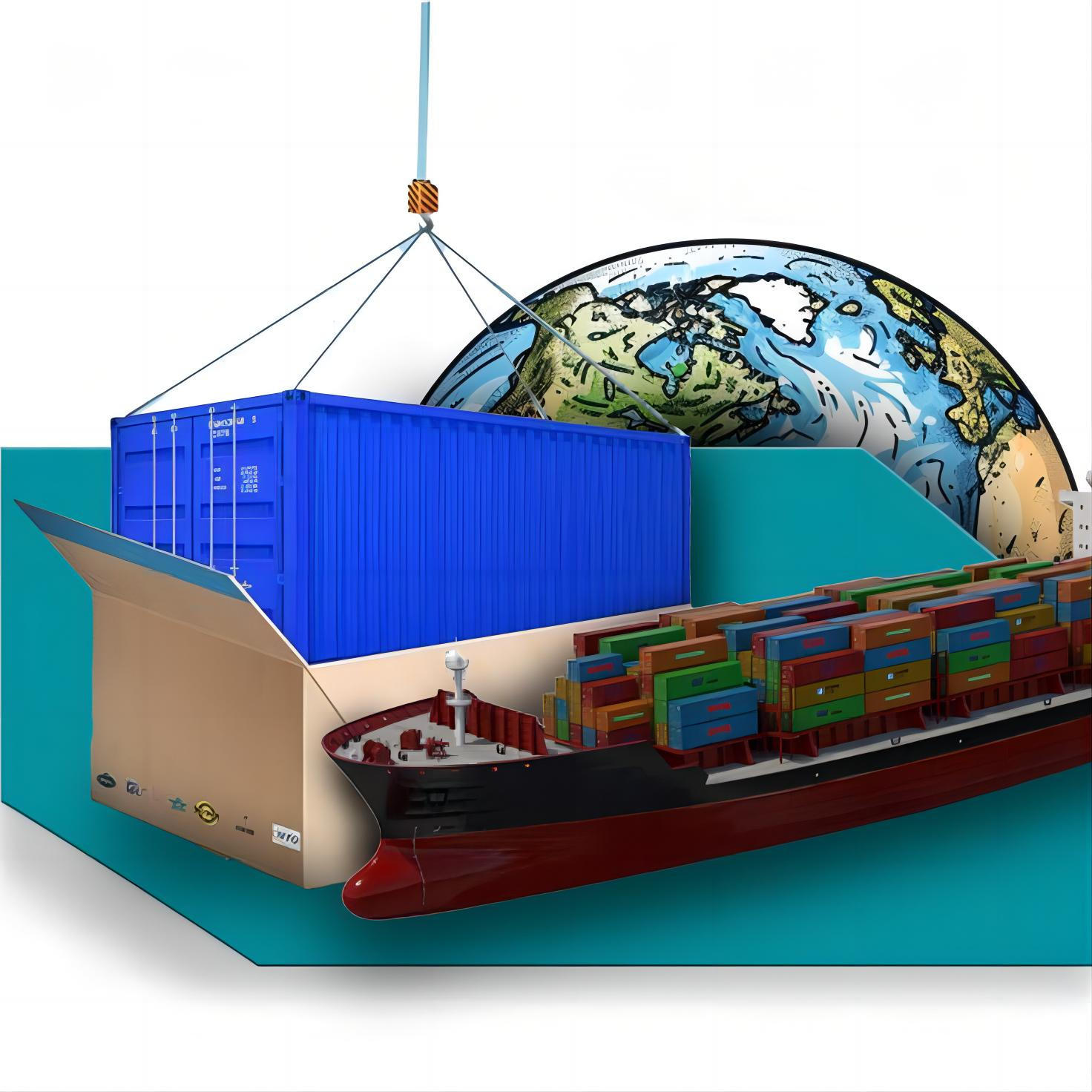
Navigating the complexities of international trade requires a robust strategy that combines speed, reliability, and cost-efficiency. If you are looking to scale your business in 2026, partnering with Logistics From China ensures your cargo reaches its destination without unnecessary delays. Utilizing a China to Europe freight service local warehouse allows you to manage inventory closer to your customers, effectively reducing last-mile delivery times across the continent. This comprehensive guide explores how integrated logistics and localized storage can transform your European distribution model.
Why Choose a China to Europe Freight Service Local Warehouse?
Modern businesses face increasing pressure to deliver products faster than ever before. Consequently, maintaining a localized inventory in Europe has become a necessity rather than a luxury for competitive brands.
Furthermore, storing goods in a regional hub allows you to bypass the long transit times associated with direct shipping for every individual order. This strategy significantly enhances customer satisfaction by providing rapid fulfillment options.
Additionally, localized warehousing helps you manage customs duties and VAT more effectively. By importing in bulk, you can consolidate shipments and reduce the administrative burden of multiple small entries.
Moreover, having a physical presence in the European market through a partner warehouse provides a buffer against global supply chain disruptions. You can maintain stock levels even when international freight lanes experience temporary congestion.
Reducing Last-Mile Delivery Costs
Shipping items from a local European warehouse to the end customer is substantially cheaper than express air freight from Asia. Therefore, you can offer more competitive pricing to your buyers while maintaining healthy profit margins.
Specifically, utilizing local courier networks within the EU allows for standardized shipping rates and predictable delivery schedules. This predictability is crucial for building brand loyalty and trust.
How Does Local Warehousing Compare to Other Shipping Options?
Choosing the right logistics model depends on your specific business needs, budget, and required speed. While direct shipping is straightforward, a hybrid model involving a China to Europe freight service local warehouse often yields better long-term results.
In contrast, relying solely on air freight for every order might be fast, but the costs are often prohibitive for large-scale operations. Meanwhile, sea freight offers the best value but requires careful planning due to longer transit times.
Therefore, we have provided a detailed comparison of the primary shipping methods available in 2026 to help you make an informed decision for your supply chain.
| Shipping Method | Cost Range | Transit Time | Best For |
|---|---|---|---|
| Sea Freight | $1,800 – $4,200 | 30 – 45 Days | Bulk Shipments |
| Rail Freight | $2,500 – $5,500 | 18 – 25 Days | Mid-range Budget |
| Air Freight | $5.50 – $9.00/kg | 5 – 8 Days | Urgent Inventory |
| Local Warehouse | Variable Fees | 1 – 3 Days | E-commerce Orders |
Maximizing Efficiency with Sea Freight and Local Storage
For many importers, sea freight remains the backbone of their international logistics strategy. It provides the most economical way to move large volumes of stock into a European distribution center.
However, the key to success with ocean transport is maintaining a consistent flow of inventory. You should schedule shipments so that new stock arrives at your local warehouse before the previous batch is depleted.
Additionally, sea freight is ideal for heavy or bulky items that would be too expensive to send via other methods. Consequently, this method is the preferred choice for furniture, machinery, and large consumer electronics.
Nevertheless, you must account for seasonal fluctuations in carrier capacity. During the peak season from August to October, rates typically increase by 15 to 25 percent compared to the spring months.
The Rise of Rail Freight in 2026 Logistics
The Iron Silk Road has matured into a highly reliable alternative for businesses that need a balance between speed and cost. Currently, rail freight connects major Chinese manufacturing hubs directly to European terminals like Warsaw and Duisburg.
Moreover, rail transport is more environmentally friendly than air freight, making it an attractive option for companies with strict sustainability goals. This method is particularly effective for high-value goods that cannot wait for a ship but do not justify air costs.
Indeed, many businesses now use rail to replenish their local warehouses when sea freight encounters unexpected delays. This flexibility ensures that the local warehouse always has sufficient stock to fulfill customer orders.
Accordingly, you should consider rail as a strategic middle ground. It offers faster transit than the sea while keeping your landed costs much lower than air transport.
When to Utilize Air Freight for Urgent Fulfillment
There are instances where speed is the only priority, such as during a product launch or an unexpected surge in demand. In these cases, air freight provides the rapid response needed to keep your local warehouse stocked.
Furthermore, air transport minimizes the risk of damage for delicate or perishable items. Because the transit time is so short, the goods spend less time in the handling process compared to other modes.
However, you must be prepared for higher costs and limited volume capacity. To optimize your budget, only use air freight for your most profitable items or for critical stockouts that threaten your market position.
Specifically, air freight works best as a supplementary service. It should be used to bridge the gap while your larger sea or rail shipments are still in transit.
Streamlining Distribution with Amazon FBA and Local Hubs
Many sellers find that integrating their local warehouse with Amazon FBA provides the best of both worlds. You can store bulk stock in a private warehouse and drip-feed it into Amazon centers to avoid high long-term storage fees.
Additionally, this hybrid approach gives you more control over your inventory. You can easily pivot and sell through other channels like eBay or your own website using the same local stock pool.
Moreover, localized storage allows for easier product inspections and repackaging before the goods reach the final fulfillment center. This extra step ensures that your products meet European quality standards and packaging requirements.
Consequently, you can maintain a higher seller rating by ensuring that only perfect items are sent to your customers. This strategy is essential for long-term success in the competitive European e-commerce landscape.
Real-World Case Studies: Successful Freight Strategies
Case Study 1: Electronics Distribution to Germany. Route: Shenzhen to Hamburg. Cargo: Consumer Electronics, 28 CBM. Container: 40GP. Total Landed Cost: $5,450. Transit: 39 Days. Key Insight: Local warehousing in Hamburg reduced last-mile delivery times by 70 percent.
Case Study 2: Fashion Apparel to Poland. Route: Chengdu to Warsaw. Cargo: Garments, 15 CBM. Method: Rail Freight. Total Landed Cost: $4,200. Transit: 22 Days. Key Insight: Using rail instead of sea allowed the brand to launch their collection 2 weeks earlier.
Case Study 3: Urgent Spare Parts to France. Route: Shanghai to Paris. Cargo: Industrial Parts, 500 kg. Method: Air Freight. Total Landed Cost: $3,800. Transit: 6 Days. Key Insight: Rapid air delivery prevented a production line shutdown for a major client.
Cost-Saving Strategies and Trade-offs
To save money, consider consolidated shipping (LCL) for smaller volumes. While the cost per cubic meter is higher than a full container, the total investment is much lower for growing businesses.
Additionally, choosing a warehouse in a country with lower labor and storage costs, such as Poland, can serve as a cost-effective gateway to the rest of Western Europe.
Note: Freight rates are subject to change based on fuel costs, carrier capacity, and seasonal demand. Contact us for a current quote tailored to your specific shipment.
Navigating Customs and Compliance in 2026
Success in international trade depends heavily on smooth customs clearance. Therefore, working with a professional customs brokerage is vital to avoid costly delays and fines at the European border.
Furthermore, you must ensure that all your documentation, including commercial invoices and packing lists, is perfectly accurate. Even a small error in a HS code can lead to your shipment being held for weeks.
In addition, staying updated on the latest European import regulations is crucial. In 2026, new environmental and safety standards may affect how certain products are classified and taxed.
Specifically, having a local warehouse partner who understands these regulations can be a massive advantage. They can provide guidance on VAT registration and localized compliance requirements for different EU member states.
Which Option Should You Choose?
If your priority is budget and you have high-volume goods, sea freight combined with a China to Europe freight service local warehouse is the most logical choice.
On the other hand, if you need to move goods quickly but cannot afford air freight, rail freight offers a dependable and relatively fast solution.
Finally, for high-margin products or urgent stock needs, air freight remains the gold standard for speed. Most successful businesses use a combination of all three methods to create a resilient and flexible supply chain.
Summary of European Logistics Success
Establishing a China to Europe freight service local warehouse is a strategic move that pays dividends in speed, cost, and customer satisfaction. By choosing the right mix of sea, rail, and air freight, you can build a supply chain that is both resilient and competitive in 2026.
Furthermore, localized inventory management allows you to respond to market trends faster than your competitors. Partnering with experienced logistics experts ensures that your goods move smoothly across borders and into the hands of your customers.
Ultimately, the goal is to create a seamless flow of products from the factory in China to the doorstep of the European consumer. With the right warehouse strategy, your business is well-positioned for significant growth in the years to come.

Start Your Shipment
Ready to optimize your supply chain with a professional China to Europe freight service local warehouse? Contact Logistics From China today for a personalized quote and expert guidance on your next shipment. Visit our website to learn more and get started. Visit: https://logisticsfromchina.com/shipping-from-china-to-europe/
Request Quote