Warehouse Service China Logistics: 2026 Optimization Guide
Managing a global supply chain requires precision, especially when sourcing from Asian manufacturing hubs. Utilizing a professional warehouse service china logistics provider allows businesses to consolidate goods, reduce shipping costs, and improve delivery speed. In the current 2026 market, these facilities serve as critical nodes for quality control and inventory management before international transit begins.
✦
What is Warehouse Service China Logistics?
A warehouse service china logistics solution involves more than just storing boxes in a room. It encompasses a comprehensive suite of activities including cargo receiving, inventory tracking, and value-added services like labeling or repacking. In 2026, these hubs utilize advanced robotics to streamline the movement of goods from factory to container.
Furthermore, these facilities act as a buffer against supply chain disruptions. By holding stock closer to the source of production, companies can respond faster to market fluctuations. Consequently, this strategic positioning reduces the lead time for replenishing stock in overseas markets.
Additionally, third party logistics china providers offer specialized environments for sensitive goods. Whether you need climate-controlled areas for electronics or bonded storage for duty-free transit, the infrastructure is designed to meet diverse industrial needs. Indeed, selecting the right partner is the first step toward operational excellence.
How Does Warehouse Service China Logistics Improve Shipping?
Consolidation is perhaps the most significant benefit of using a dedicated facility. Instead of shipping multiple small parcels, you can combine products from different suppliers into a single sea freight container. As a result, you significantly lower the per-unit shipping cost and simplify the customs process.
Moreover, inventory management china systems provide real-time visibility into your stock levels. This transparency ensures that you never over-order or face unexpected stockouts. For instance, integrated software can alert you when it is time to reorder from your manufacturer.
Meanwhile, quality inspections performed at the warehouse prevent defective goods from leaving the country. It is much more cost-effective to identify and return a faulty item while it is still in China. Therefore, these services protect your brand reputation and reduce the hassle of international returns.
How Does Warehouse Service China Logistics Compare to Other Shipping Options?
Choosing the right logistics strategy depends on your budget, speed requirements, and cargo volume. While direct shipping from a factory might seem faster, it often lacks the flexibility of a warehouse-based approach. On the other hand, utilizing a hub allows for more sophisticated distribution strategies like cross-docking.
For example, if you are shipping urgent samples, air freight is the superior choice despite the higher cost. However, for bulk inventory, the cost savings of sea-based consolidation are undeniable. In contrast, rail freight offers a middle ground for shipments destined for Europe, balancing speed and expense.
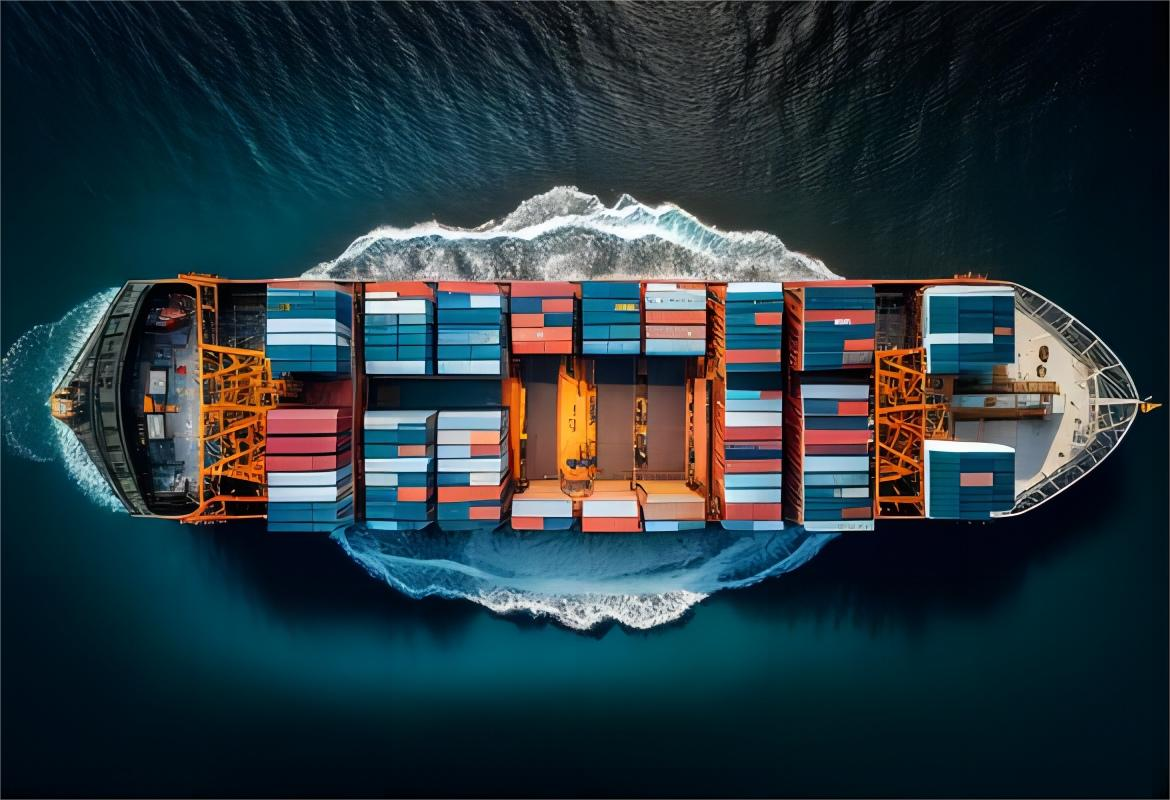
Without a doubt, the 2026 logistics landscape favors hybrid models. Many businesses now use a mix of sea and air to manage their inventory flow. Below is a detailed comparison of the primary shipping methods available when integrated with warehouse service china logistics.
| Shipping Method | Cost Range | Transit Time | Best For | Limitations |
|---|---|---|---|---|
| Sea Freight (FCL) | $2,500 – $4,500 | 25-35 Days | Large bulk orders | Slow transit speed |
| Air Freight | $5 – $12 per kg | 3-7 Days | Urgent or high-value | High cost for volume |
| Rail Freight | $1,800 – $3,200 | 15-22 Days | Europe-bound cargo | Geographic limits |
| Express Courier | $8 – $15 per kg | 2-5 Days | Small parcels/samples | Strict weight limits |
Which Option Should You Choose for Your Business?
If your primary goal is budget priority, we recommend sea freight consolidation. This method allows you to take advantage of lower rates while the warehouse manages the complex task of merging shipments. Conversely, if speed priority is your focus, air freight remains the only viable path for tight deadlines.
For those running an online store, Amazon FBA preparation services in China are essential. These services ensure your products are labeled and packaged according to strict platform requirements. Consequently, you avoid costly rejection fees at destination fulfillment centers.
Cargo type considerations also play a role in your decision. Heavy machinery is best suited for 40HQ containers, whereas lightweight electronics might benefit from secure air transport. In addition, volume thresholds often dictate when it is cheaper to switch from LCL to FCL shipping.
Real Case Studies: Warehouse Service China Logistics in Action
To illustrate the effectiveness of these services, let us examine two distinct shipping scenarios. These examples reflect typical market conditions and rates observed in early 2026. Each case highlights the importance of strategic planning and professional handling.
Case Study 1: Electronics from Shenzhen to Los Angeles. A consumer electronics brand needed to consolidate components from five different suppliers. By using a Shenzhen hub, they reduced their total shipping costs by 22% compared to individual factory shipments.
Case Study 2: Apparel from Ningbo to Hamburg. A fashion retailer utilized a Ningbo warehouse for labeling and sorting before shipping via rail. This approach allowed them to bypass expensive European labor costs while maintaining a 20-day transit time.
Case Study 1: Multi-Supplier Consolidation
Route: Shenzhen, China to Los Angeles, USA. Cargo: Electronic accessories, 12 CBM, 2,400 kg. Container: LCL (Less than Container Load).
Shipping Details: Carrier: Major trans-Pacific carrier. Port of Loading: Shenzhen. Port of Discharge: Los Angeles. Route Type: Direct.
Cost Breakdown: Ocean Freight: $1,250. Origin Charges: $450. Destination Charges: $600. Customs and Duties: $1,100. Total Landed Cost: $3,400.
Timeline: Booking to Loading: 3 days. Sea Transit: 16 days. Customs Clearance: 2 days. Total Door-to-Door: 21 days. Key Insight: Consolidation at the warehouse saved the client over $800 in individual document fees.
Case Study 2: Fast-Fashion Rail Distribution
Route: Ningbo, China to Hamburg, Germany. Cargo: Seasonal apparel, 28 CBM, 4,500 kg. Container: 20GP Full Container.
Shipping Details: Carrier: China-Europe Railway Express. Port of Loading: Ningbo (via Xi’an). Port of Discharge: Hamburg. Route Type: Rail transit.
Cost Breakdown: Rail Freight: $2,800. Origin Charges: $350. Destination Charges: $500. Customs and Duties: $900. Total Landed Cost: $4,550.
Timeline: Booking to Loading: 5 days. Rail Transit: 18 days. Customs Clearance: 3 days. Total Door-to-Door: 26 days. Key Insight: Using rail provided a faster alternative to sea without the extreme cost of air freight.
Cost-Saving Strategies and Hybrid Solutions
To maximize your savings, consider a sea-air hybrid solution. This involves shipping goods by sea to a hub like Dubai or Singapore and then flying them to the final destination. As a result, you save money compared to pure air freight while still beating sea freight timelines.
Furthermore, utilizing a door to door service simplifies the entire process. This all-inclusive option covers everything from the warehouse pickup in China to the final delivery at your warehouse. Indeed, it removes the stress of managing multiple vendors and hidden fees.
Additionally, keep an eye on seasonal trends. Rates typically increase 15-25% during the August-October peak season. Therefore, booking your warehouse space and shipping capacity early can lead to significant cost avoidance during these busy periods.
The Role of Customs Brokerage in 2026
Navigating the complexities of international trade requires expert knowledge. Professional customs brokerage services are often integrated into warehouse service china logistics packages. They ensure all documentation, such as the Bill of Lading and Commercial Invoice, is perfectly prepared.
Moreover, specialized brokers can help you identify potential duty savings through specific trade agreements. In 2026, staying compliant with updated environmental regulations is also a priority. Consequently, having an expert handle your filings prevents costly delays and legal issues at the border.
Meanwhile, the integration of digital customs platforms has sped up the clearance process. Most shipments can now be cleared while still in transit. Nevertheless, a physical presence at the port is still necessary to handle any inspections or queries from customs officials.
Mastering Your Supply Chain with Warehouse Service China Logistics
In summary, a robust warehouse service china logistics strategy is the backbone of successful international trade in 2026. By leveraging consolidation, quality control, and strategic storage, businesses can significantly reduce costs and improve efficiency. Whether you are shipping small parcels or full containers, the right warehouse partner makes the difference.
Furthermore, the ability to adapt to market trends and utilize hybrid shipping methods provides a competitive edge. As global markets continue to evolve, the importance of a centralized Chinese hub will only grow. Take control of your inventory today and ensure your products reach your customers on time and in perfect condition.