
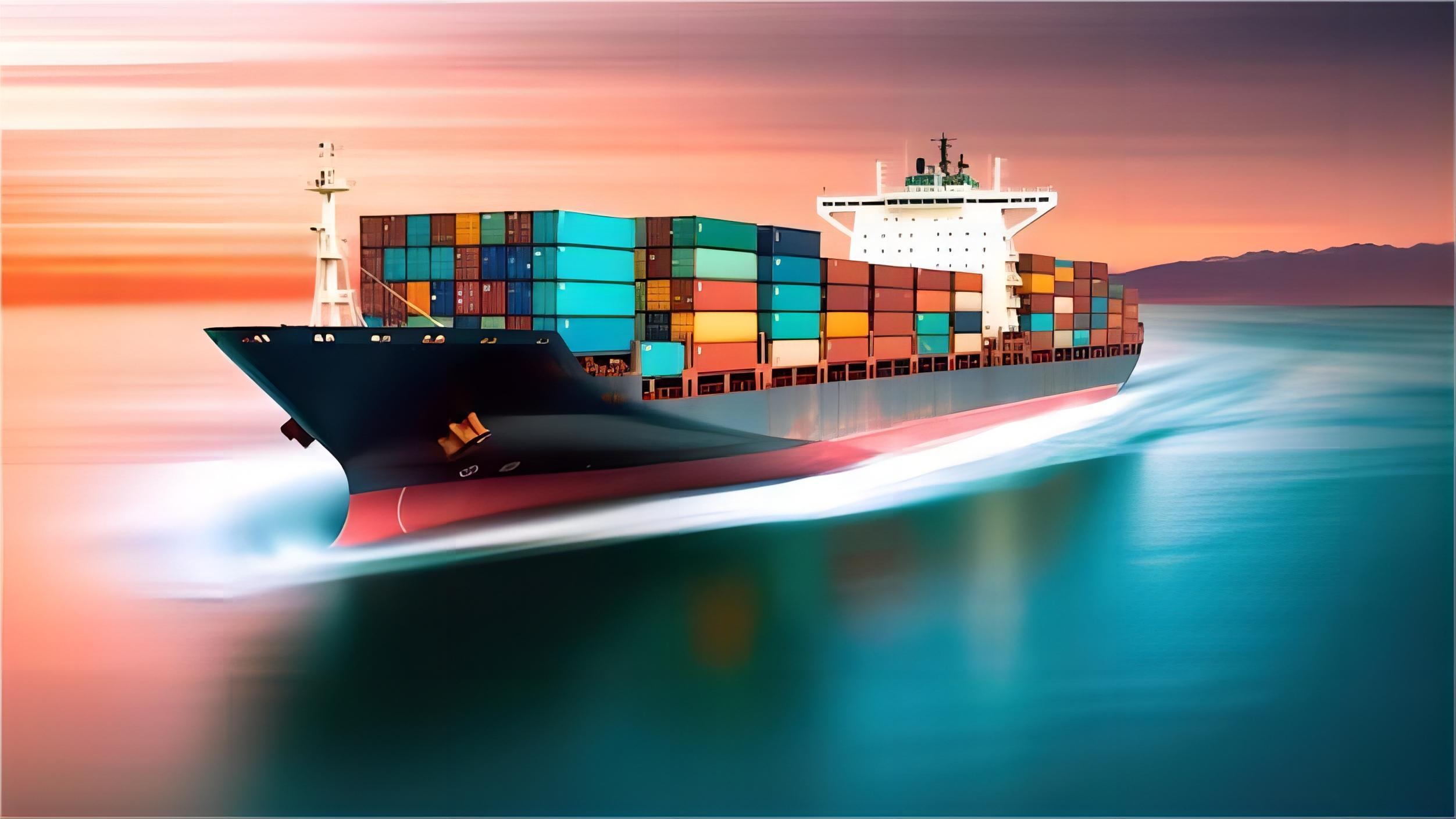
Shipping from Xiamen to USA by Sea: 2026 Logistics Guide
Shipping from Xiamen to USA by sea offers a cost-effective solution for businesses moving large volumes of goods across the Pacific. Navigating the complexities of international logistics requires a reliable partner like Logistics From China to ensure your cargo arrives safely. This comprehensive guide explores everything from transit times to cost-saving strategies for your next shipment in 2026.
Why Choose Sea Freight from Xiamen to the USA?
Xiamen serves as a pivotal maritime hub in Southeast China, offering direct access to major global shipping lanes. Consequently, businesses often prefer sea freight because it provides the lowest cost per unit for heavy or bulky items. This method allows importers to scale their operations while maintaining healthy profit margins in a competitive market.
Furthermore, the Port of Xiamen features advanced infrastructure and deep-water berths capable of handling the largest container vessels. Therefore, choosing this route ensures high reliability and frequent sailing schedules to both the US West Coast and East Coast. Most shippers find that the stability of ocean transport offsets the longer transit times compared to air shipping.
Additionally, sea transport remains the most environmentally friendly method for long-distance international trade. Many modern carriers now implement green initiatives to reduce carbon footprints, aligning with 2026 sustainability trends. Shippers can contribute to these goals while benefiting from the massive capacity that only ocean vessels can offer.
Understanding FCL and LCL Shipping from Xiamen
Choosing between Full Container Load (FCL) and Less than Container Load (LCL) is a critical decision for every importer. Specifically, FCL is ideal for large shipments that can fill an entire 20-foot or 40-foot container, offering better security and faster handling. This option is frequently used for high-volume Amazon FBA inventories that require consistent delivery windows.
In contrast, LCL allows multiple shippers to share space within a single container, making it a budget-friendly choice for smaller volumes. However, LCL shipments often require more time for consolidation at the origin and deconsolidation at the destination. Shippers should weigh the cost savings against the potential for slightly longer transit periods.
Moreover, FCL shipments generally face fewer risks of damage because the container remains sealed from the factory to the warehouse. Nevertheless, LCL remains the backbone of small-to-medium enterprise logistics, providing flexibility for those who cannot justify a full container. Both methods require careful planning to optimize costs and meet delivery deadlines.
Key Ports and Transit Times for Xiamen to USA Routes
Transit times vary significantly depending on whether your goods are destined for the West Coast or the East Coast of North America. For example, a direct vessel from Xiamen to Los Angeles or Long Beach typically takes between 15 to 20 days. These routes are the fastest options for reaching the American market from Fujian province.
Meanwhile, shipping to East Coast ports like New York or Savannah often takes 30 to 35 days via the Panama Canal. Consequently, importers must factor these timelines into their supply chain planning to avoid stockouts during peak seasons. Selecting the right port of entry can significantly impact both your inland drayage costs and total delivery time.
Specifically, the Port of Xiamen includes several terminals like Haicang and Dongdu, each specializing in different types of cargo. Most major carriers like COSCO, Maersk, and MSC operate regular services from these terminals. Understanding the specific vessel schedules helps in coordinating factory pickups and meeting strict delivery windows.
| Destination Port | Coast Region | Average Transit Time | Service Type |
|---|---|---|---|
| Los Angeles | West Coast | 16-20 Days | Direct |
| Seattle | West Coast | 18-22 Days | Direct |
| New York | East Coast | 32-38 Days | Panama Canal |
| Savannah | East Coast | 30-35 Days | Panama Canal |
How Does Shipping from Xiamen to USA by Sea Compare to Other Shipping Options?
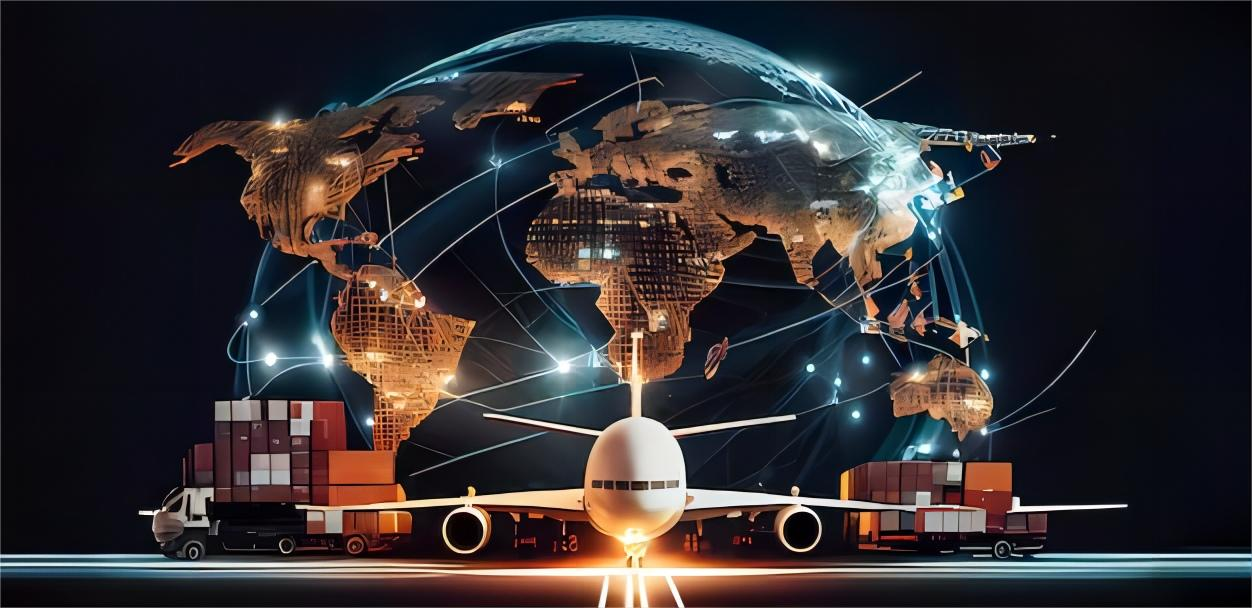
Comparing sea freight to air or express services reveals distinct trade-offs in speed and expenditure. While sea freight remains the most economical choice, air freight offers unmatched speed for urgent or high-value shipments. For instance, an air shipment might arrive in 5 days, whereas sea freight takes at least three weeks.
Furthermore, express services provide the ultimate convenience with door-to-door handling but at a significantly higher price point. Consequently, businesses often reserve express shipping for samples or emergency stock replenishments. Sea freight remains the standard for bulk inventory and long-term supply chain stability.
Additionally, hybrid solutions like sea-air freight can provide a middle ground for some routes. However, for the Xiamen to USA corridor, the direct sea route is usually the most efficient alternative to pure air freight. Evaluating your budget and urgency is essential when selecting the most appropriate shipping mode.
| Shipping Method | Cost Range | Transit Time | Best For |
|---|---|---|---|
| Sea Freight (FCL) | Low | 18-35 Days | Bulk Inventory |
| Sea Freight (LCL) | Medium | 25-45 Days | Small Shipments |
| Air Freight | High | 5-10 Days | Urgent Goods |
| Express Service | Very High | 3-7 Days | Samples/Small Parcels |
Step-by-Step Process for Your Sea Freight Shipment
Managing a successful shipment begins with securing a detailed quote and booking space with a reputable forwarder. Following this, you must coordinate with your supplier in Xiamen to ensure the goods are ready for pickup and container loading. Our door to door service simplifies this by handling every stage of the journey.
Once the container is loaded, it proceeds to the Xiamen terminal for export customs clearance and vessel loading. During the voyage, you can track your cargo’s progress using the carrier’s digital monitoring systems. Consequently, you will have visibility into the estimated arrival time at the US port of discharge.
Finally, upon arrival in the USA, the cargo must undergo customs clearance before being transported to its final destination. Professional handling at this stage prevents unnecessary delays and additional storage fees at the port. Proper coordination between all parties ensures a seamless transition from the sea to the warehouse.
Essential Documentation for US Customs Clearance
Documentation is the most critical aspect of avoiding delays when shipping from Xiamen to USA by sea. Specifically, you will need a Commercial Invoice, Packing List, and a Bill of Lading to prove ownership and value. Engaging a professional customs brokerage service ensures that all paperwork meets strict US Customs and Border Protection requirements.
Furthermore, the Importer Security Filing (ISF 10+2) must be submitted at least 24 hours before the vessel departs from Xiamen. Failure to comply with this regulation can result in heavy fines and cargo holds upon arrival. Therefore, timely communication with your freight forwarder is essential to manage these mandatory filings.
Additionally, certain products may require specialized certificates, such as FDA approval for food-related items or EPA forms for electronics. Moreover, ensuring that your HTS codes are accurate will determine the correct duty rates and prevent overpayment. Thorough preparation of documents is the best defense against supply chain disruptions.

Shipping Costs and Factors Influencing 2026 Rates
Pricing for ocean freight is dynamic and fluctuates based on fuel costs, seasonal demand, and carrier capacity. As of early 2026, market rates have stabilized but remain sensitive to global economic shifts and port congestion. For example, during the peak season from August to October, rates typically increase by 15 to 25 percent.
In addition, local charges at both the origin and destination can add several hundred dollars to your total landed cost. These charges include terminal handling fees, documentation fees, and customs entry charges. Consequently, importers should always request an all-in quote to avoid hidden expenses during the shipping process.
Note: Freight rates are subject to change based on fuel costs, carrier capacity, and seasonal demand. Contact us for a current quote tailored to your specific shipment.
| Route | 20GP Container | 40GP Container | 40HQ Container |
|---|---|---|---|
| Xiamen to LA/LB | $1,600 – $2,300 | $2,600 – $3,600 | $2,900 – $3,900 |
| Xiamen to NY/NJ | $2,600 – $3,600 | $4,100 – $5,600 | $4,600 – $6,100 |
| Xiamen to Chicago | $2,800 – $3,800 | $4,300 – $5,800 | $4,800 – $6,300 |
Realistic Case Studies for Xiamen to US Shipments
Case Study 1: Electronics Distribution to California. Route: Xiamen to Los Angeles. Cargo: Consumer electronics, 68 CBM, 14,500 kg. Container: 40HQ. Shipping Details: Carrier: COSCO, Port of Loading: Xiamen (Haicang), Port of Discharge: Los Angeles, Route Type: Direct. Cost Breakdown: Ocean Freight: $2,250, Origin Charges: $350, Destination Charges: $650, Customs and Duties: $1,200, Total Landed Cost: $4,450. Timeline: Booking to Loading: 4 days, Sea Transit: 17 days, Customs Clearance: 2 days, Total Door-to-Door: 23 days. Key Insight: Early ISF filing prevented any port delays during a busy Q3 period.
Case Study 2: Textile LCL Shipment to New York. Route: Xiamen to New York. Cargo: Cotton garments, 6 CBM, 1,200 kg. Container: LCL. Shipping Details: Carrier: Major carrier consolidation, Port of Loading: Xiamen (Dongdu), Port of Discharge: New York, Route Type: Transshipment via Busan. Cost Breakdown: Ocean Freight: $540, Origin Charges: $200, Destination Charges: $450, Customs and Duties: $800, Total Landed Cost: $1,990. Timeline: Booking to Loading: 6 days, Sea Transit: 34 days, Customs Clearance: 3 days, Total Door-to-Door: 43 days. Key Insight: Using LCL saved the client over $1,500 compared to a half-empty 20GP container.
Case Study 3: Furniture FCL to Texas. Route: Xiamen to Houston. Cargo: Outdoor furniture, 28 CBM, 5,000 kg. Container: 20GP. Shipping Details: Carrier: Maersk, Port of Loading: Xiamen, Port of Discharge: Houston, Route Type: Via Panama Canal. Cost Breakdown: Ocean Freight: $2,800, Origin Charges: $300, Destination Charges: $550, Customs and Duties: $1,100, Total Landed Cost: $4,750. Timeline: Booking to Loading: 5 days, Sea Transit: 28 days, Customs Clearance: 2 days, Total Door-to-Door: 35 days. Key Insight: Direct shipping to a Gulf port reduced inland trucking costs by 40 percent compared to railing from the West Coast.
Which Shipping Option Should You Choose?
Selecting the right strategy depends on your specific business priorities and cargo characteristics. If budget is your primary concern, sea freight is nearly always the superior choice for shipments over 1 CBM. However, if you are launching a new product and need it in the US within a week, air freight is necessary.
Specifically, for volumes between 1 and 15 CBM, LCL offers the best balance of cost and convenience. Once your volume exceeds 15 CBM, you should analyze the cost of a 20GP container, as FCL often becomes more economical at this threshold. Furthermore, high-value goods like luxury items may justify the higher cost of air freight due to reduced transit risks.
Moreover, consider the geographical location of your final destination in the USA. Shippers heading to the Midwest might benefit from ‘IPI’ (Interior Point Intermodal) services that combine sea freight with rail transport from the West Coast. Analyzing the total landed cost, including inland transport, is the only way to determine the truly cheapest option.
Final Thoughts on Xiamen to US Ocean Freight
Successfully shipping from Xiamen to USA by sea requires a blend of strategic planning and expert execution. By understanding the differences between FCL and LCL, and preparing for customs requirements, you can significantly reduce your logistics headaches. The Port of Xiamen remains a reliable gateway for high-quality Chinese exports destined for North American consumers.
Additionally, staying informed about market trends and seasonal rate fluctuations allows you to time your shipments for maximum cost savings. Partnering with an experienced freight forwarder provides the necessary support to navigate 2026’s evolving maritime landscape. Start planning your next shipment today to ensure your products reach the American market efficiently and affordably.
Ready to streamline your logistics?
Ready to optimize your supply chain in 2026? Contact our expert team today for a customized quote on shipping from Xiamen to USA by sea. Let us handle the complexities of international logistics so you can focus on growing your business. Visit our website to start your inquiry now.
Request Quote