Sea Freight to Miami: 2026 Shipping Rates and Logistics Guide
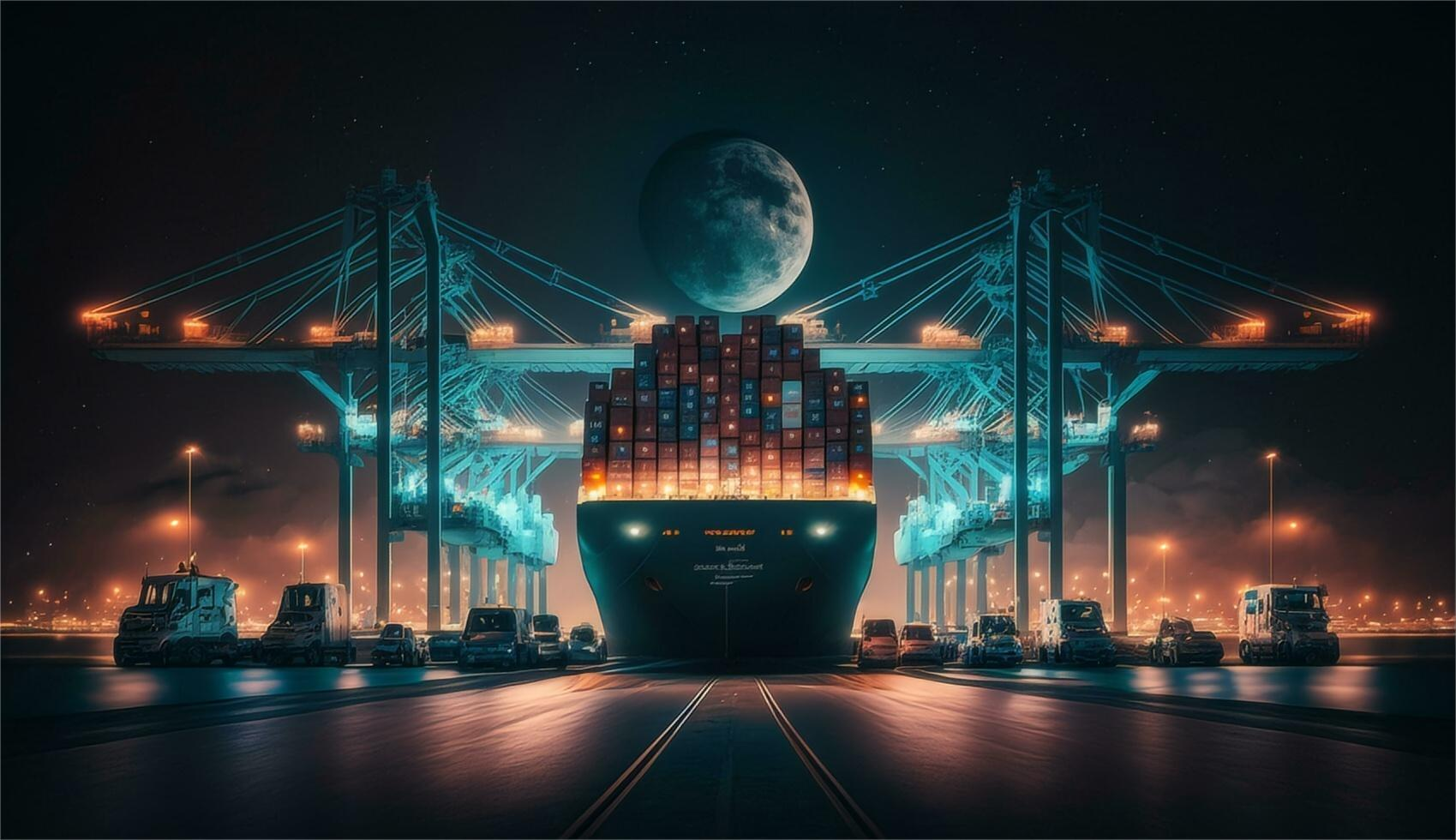
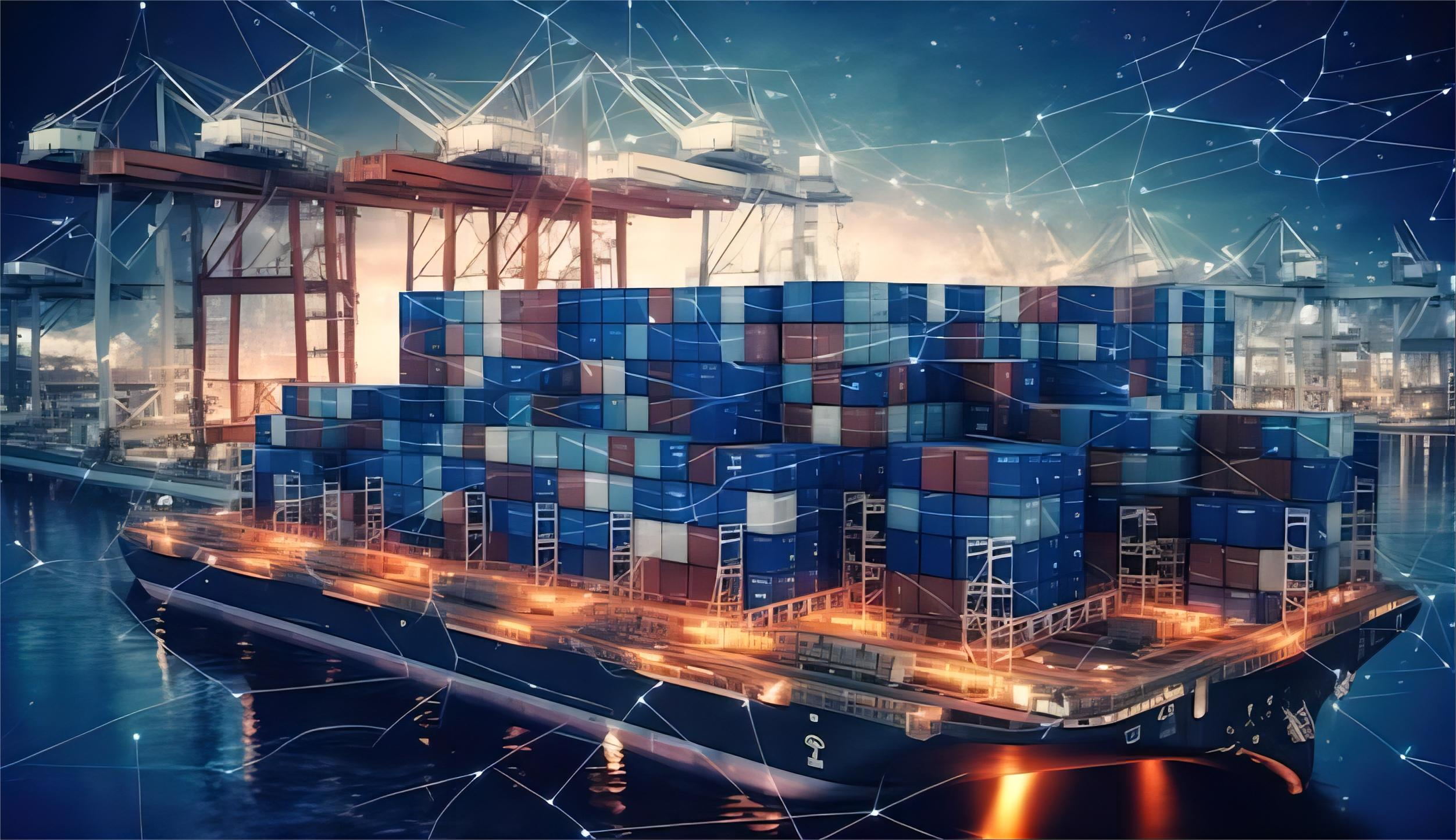
Navigating the complexities of sea freight to Miami requires a strategic approach to international logistics and Florida port operations. Logistics From China provides businesses with the necessary tools and expertise to manage their supply chains efficiently from major Chinese manufacturing hubs. As global trade dynamics shift in 2026, understanding the nuances of ocean transport becomes essential for maintaining a competitive edge in the American market.

Why Choose Sea Freight to Miami for Your Imports?
Choosing sea freight remains the most cost-effective method for transporting large volumes of goods from China to Florida. Consequently, businesses can significantly reduce their landed costs compared to more expensive alternatives like air transport. Furthermore, the capacity of modern container ships allows for the movement of heavy or bulky items that would be restricted on cargo planes.
Moreover, the environmental impact of ocean transport is generally lower per ton-mile than other shipping methods. Many companies now prioritize sea transport to meet their corporate sustainability goals while maintaining a steady supply chain. Therefore, sea freight serves as the backbone of international trade for retailers, manufacturers, and distributors throughout the Miami-Dade area.
Additionally, the infrastructure at PortMiami has seen significant upgrades as of early 2026, allowing it to handle the newest generation of ultra-large container vessels. This development ensures that importers have access to consistent and reliable schedules. Indeed, selecting this route provides a direct gateway to the Southeastern United States market.
Understanding Transit Times for Sea Freight to Miami
Shipping goods from China to the East Coast of the United States typically involves longer transit times than West Coast routes. However, the advantage of arriving directly in Florida eliminates the need for expensive cross-country trucking or rail transport. Typically, you can expect a transit time of 30 to 40 days depending on the specific port of origin and the chosen carrier service.
Specifically, direct services from Shenzhen or Shanghai often provide the fastest routes to the Atlantic coast. Meanwhile, shipments originating from northern ports like Qingdao may require additional days for transshipment or multiple port calls. For those who require a complete solution, utilizing Door to Door services can streamline the entire process from factory to warehouse.
As a result, planning your inventory cycles at least two months in advance is critical to avoid stockouts. Seasonal weather patterns, such as the Atlantic hurricane season, can occasionally impact delivery schedules during the late summer months. Nevertheless, most major carriers maintain high schedule reliability through advanced weather tracking and optimized routing.
| Origin Port | Destination | Transit Time (Days) | Frequency |
|---|---|---|---|
| Shenzhen | PortMiami | 30-34 Days | Weekly |
| Shanghai | PortMiami | 32-35 Days | Bi-weekly |
| Ningbo | PortMiami | 33-36 Days | Weekly |
| Qingdao | PortMiami | 38-42 Days | Weekly |
How Does Sea Freight to Miami Compare to Other Shipping Options?
Comparing different transport modes is essential for determining the best strategy for your specific cargo. While Air Freight offers unparalleled speed, the costs are often prohibitive for low-margin goods or high-volume shipments. In contrast, sea freight provides the necessary scale for bulk commodities and consumer electronics at a fraction of the price.
For instance, a 40HQ container might cost between $4,500 and $6,000 in early 2026, whereas the same volume sent by air could exceed $20,000. On the other hand, urgent shipments or high-value items like medical devices might justify the premium cost of air transport. Consequently, many businesses adopt a hybrid approach, using sea for the bulk of their stock and air for emergency replenishment.
Furthermore, sea-air combinations have become a popular alternative strategy for those seeking a middle ground. This method involves shipping goods by sea to a hub like Dubai or Los Angeles and then flying them to Miami. While this adds complexity, it can save up to 15 days compared to a full ocean voyage while costing significantly less than pure air freight.
| Shipping Method | Cost Range | Transit Time | Best For |
|---|---|---|---|
| Sea Freight (FCL) | $4,500 – $6,000 | 30-35 Days | Large volumes |
| Sea Freight (LCL) | $50 – $120/CBM | 35-40 Days | Small shipments |
| Air Freight | $8 – $15/kg | 5-7 Days | Urgent goods |
| Sea-Air Hybrid | $4 – $7/kg | 15-20 Days | Balanced needs |

FCL vs. LCL: Which Sea Freight Option Fits Your Miami Shipment?
Deciding between Full Container Load (FCL) and Less than Container Load (LCL) is a pivotal step in the logistics process. If you have enough cargo to fill a 20ft or 40ft container, FCL is almost always the more efficient choice. This is because FCL shipments are sealed at the origin and only opened at the destination, reducing the risk of damage or loss.
However, LCL is an excellent alternative for smaller businesses or those testing new products in the Florida market. By sharing container space with other importers, you only pay for the volume you actually use. This flexibility is particularly beneficial for Amazon FBA sellers who need to manage inventory levels carefully to avoid high storage fees.
Indeed, the choice often comes down to the total volume and the urgency of the shipment. For shipments exceeding 15 cubic meters, upgrading to a full 20GP container often results in a lower cost per unit. Conversely, for shipments under 10 cubic meters, LCL remains the most economical way to get your goods to Miami.
What Factors Influence Sea Freight to Miami Costs in 2026?
Several variables contribute to the final price you pay for ocean transport to Florida. Fuel surcharges, often referred to as BAF (Bunker Adjustment Factor), fluctuate based on global oil prices and environmental regulations. Additionally, peak season surcharges usually apply from August through October as retailers prepare for the holiday shopping rush.
Market data suggests that freight rates have stabilized in early 2026 following the disruptions seen in previous years. Nevertheless, port congestion and labor availability at major hubs can still cause temporary price spikes. Importers should also account for destination charges, including terminal handling fees and trucking costs from the port to the final warehouse.
Moreover, the type of cargo you are shipping can impact the rate, especially if it requires specialized equipment like refrigerated containers. High-demand routes from Ningbo to Miami often command a slight premium due to the reliability of the carriers serving those lanes. To summarize, obtaining a detailed quote that breaks down all origin and destination fees is vital for accurate budgeting.
The Role of Customs Brokerage in Miami Sea Freight
Navigating the legal requirements for importing goods into the United States is a complex task that requires professional oversight. Utilizing a dedicated Customs Brokerage service ensures that all documentation is filed correctly and duties are paid on time. Failure to comply with U.S. Customs and Border Protection (CBP) regulations can lead to costly delays or even cargo seizure.
For instance, the Miami customs clearance process involves verifying the Harmonized System (HS) codes and ensuring compliance with specific agency requirements like the FDA or EPA. Professional brokers help importers navigate the Section 301 tariffs that continue to affect many goods coming from China in 2026. Consequently, having an expert on your side minimizes the risk of audits and penalties.
Additionally, the implementation of new digital filing systems has sped up the clearance process for many compliant importers. However, documentation errors remain the leading cause of port delays. Therefore, verifying your commercial invoice, packing list, and bill of lading before the ship departs China is a best practice that every successful importer follows.
Which Option Should You Choose? A Decision Framework
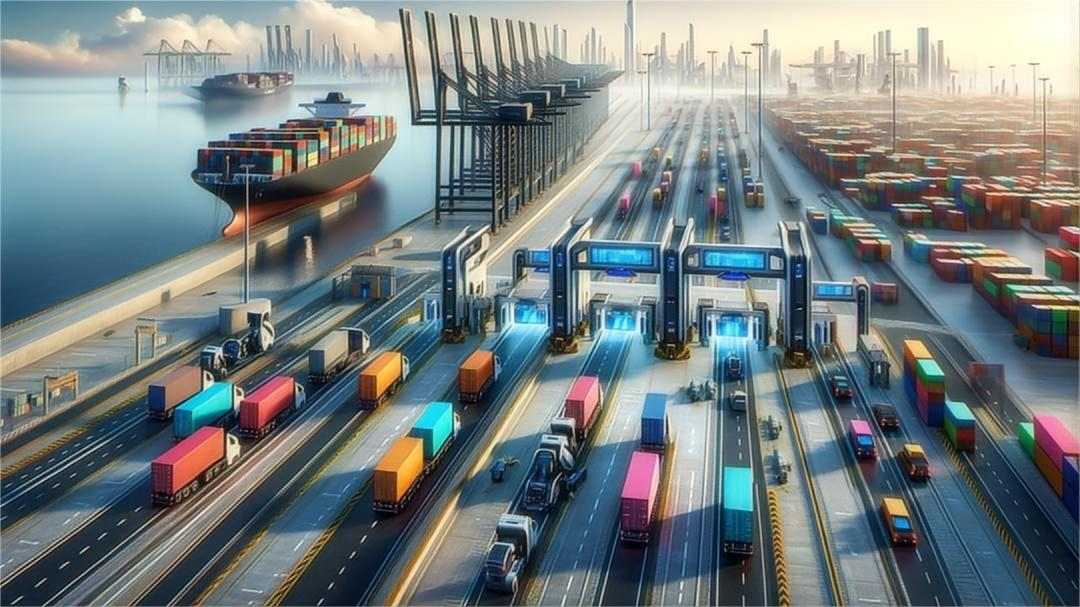
Selecting the right shipping strategy depends on your business priorities and the nature of your cargo. If your primary goal is cost reduction and you have a high volume of goods, FCL sea freight is the clear winner. This method provides the lowest cost per unit and the greatest security for your merchandise.
On the other hand, if speed is your absolute priority for a time-sensitive launch, air freight is the only viable option despite the higher cost. For businesses that fall somewhere in between, LCL or sea-air hybrid solutions offer a balanced approach to budget and lead times. Consider the following criteria when making your final decision:
Budget priority: Recommend Sea Freight (FCL or LCL). Speed priority: Recommend Air Freight. Cargo volume over 15 CBM: Recommend FCL. Small samples or low-volume stock: Recommend LCL. High-value or fragile items: Recommend Air Freight or FCL with extra insurance.
Note: Freight rates are subject to change based on fuel costs, carrier capacity, and seasonal demand. Contact us for a current quote tailored to your specific shipment.
Real-World Case Studies for Miami Shipments
Case Study 1: Electronics Distribution. Route: Shenzhen to Miami. Cargo: Consumer Electronics, 12 CBM, 4500 kg. Container: LCL. Shipping Details: – Carrier: Major carrier. – Port of Loading: Shenzhen. – Port of Discharge: PortMiami. – Route Type: Direct. Cost Breakdown: – Ocean Freight: $2,100. – Origin Charges: $450. – Destination Charges: $600. – Customs and Duties: $1,200. – Total Landed Cost: $4,350. Timeline: – Booking to Loading: 4 days. – Sea Transit: 32 days. – Customs Clearance: 3 days. – Total Door-to-Door: 39 days. Key Insight: Consolidating cargo reduced costs by 30 percent compared to air freight.
Case Study 2: Furniture Import. Route: Ningbo to Miami. Cargo: Home Furniture, 68 CBM. Container: 40HQ FCL. Shipping Details: – Carrier: Global carrier. – Port of Loading: Ningbo. – Port of Discharge: PortMiami. – Route Type: Direct via Panama Canal. Cost Breakdown: – Ocean Freight: $5,400. – Origin Charges: $350. – Destination Charges: $750. – Customs and Duties: $2,500. – Total Landed Cost: $9,000. Timeline: – Booking to Loading: 6 days. – Sea Transit: 34 days. – Customs Clearance: 2 days. – Total Door-to-Door: 42 days. Key Insight: Utilizing FCL ensured the furniture arrived without damage and at the lowest possible shipping rate per item.
Mastering Your Sea Freight to Miami Strategy
Successfully managing sea freight to Miami requires a combination of careful planning, market awareness, and the right logistics partners. By choosing the most appropriate container option and understanding the factors that influence 2026 rates, you can ensure your goods arrive on time and within budget. Remember that the cheapest option is not always the best if it compromises the safety or reliability of your cargo.
Ultimately, staying proactive with your documentation and working with experienced customs brokers will help you avoid common pitfalls at the port. Whether you are a seasoned importer or a newcomer to the Florida market, optimizing your sea freight to Miami is a continuous process of refinement. Start planning your next shipment today to take advantage of the latest logistics trends and competitive rates.
Get Your Shipping Quote Today
Ready to optimize your supply chain with reliable sea freight to Miami? Contact our expert team at Logistics From China today to receive a customized quote and streamline your international shipping process. Visit https://logisticsfromchina.com/ to get started.
Request Quote