
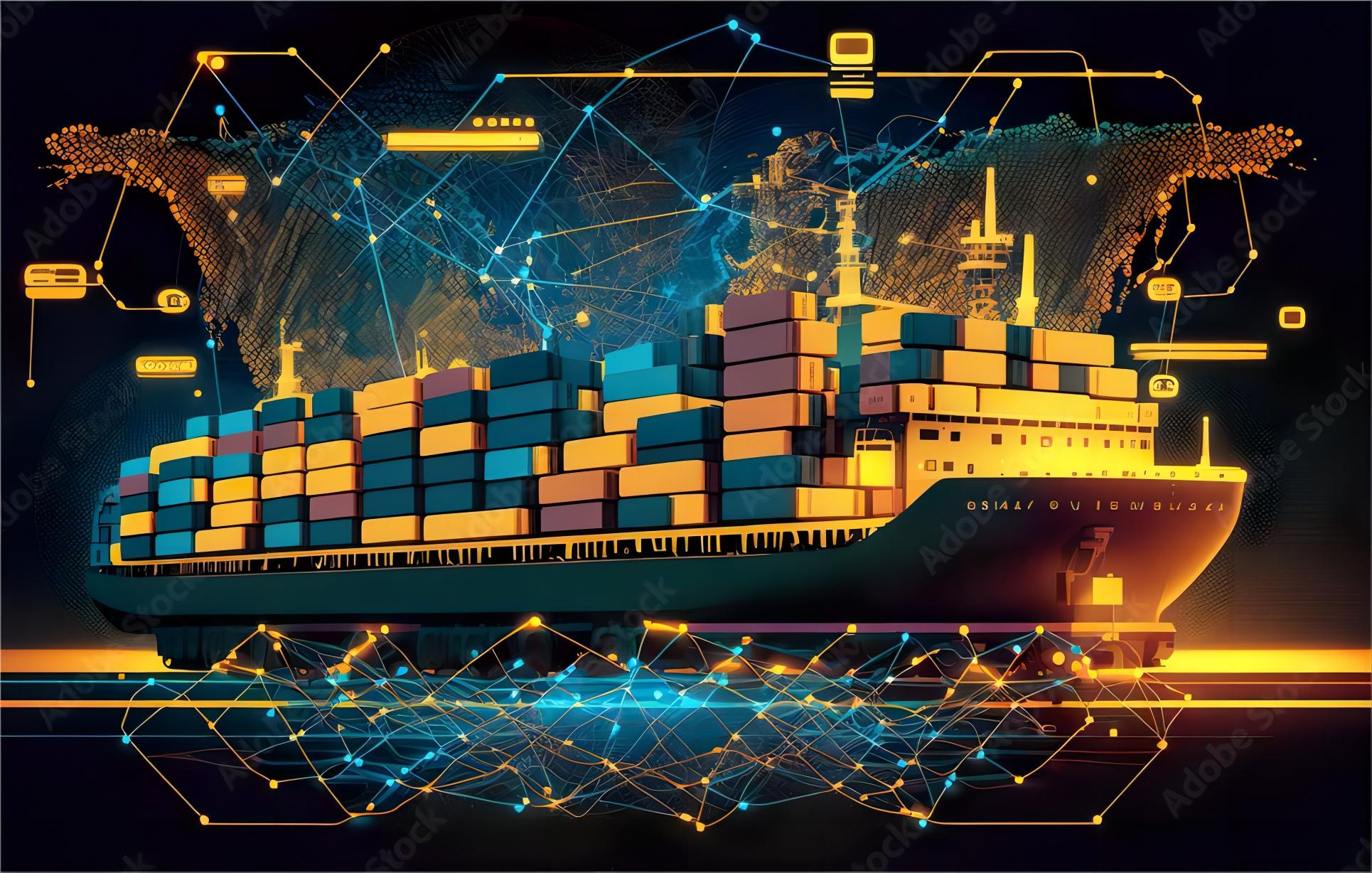
Mastering Bulk Cargo Sea Freight China: 2026 Shipping Guide | Top Bulk Cargo Sea Freight China Solutions | How to Optimi
Navigating the complexities of bulk cargo sea freight china requires a strategic approach to manage costs and ensure timely delivery in the competitive 2026 market. Many businesses struggle with fluctuating maritime rates and port congestion, but choosing Logistics From China provides the stability and expertise needed for successful international trade. This comprehensive guide explores how to leverage ocean transport to move large volumes of goods efficiently while maintaining high safety standards across the global supply chain.

What is Bulk Cargo Sea Freight China and How Does it Work?
Bulk cargo refers to commodities that are transported unpackaged in large quantities, such as grain, coal, ore, or liquid chemicals. Specifically, bulk cargo sea freight china involves the systematic loading of these materials directly into a vessel holds rather than using individual containers.
Consequently, this method is highly efficient for raw materials that drive global manufacturing and energy production. Meanwhile, the process requires specialized terminals at major Chinese ports like Ningbo-Zhoushan or Shanghai to handle the massive volume of goods.
In addition, shippers must distinguish between dry bulk and liquid bulk when planning their logistics strategy. For instance, dry bulk includes solid materials like iron ore, whereas liquid bulk involves petroleum or chemical products transported in tankers.
Therefore, understanding the technical requirements of your specific cargo is the first step toward successful shipping. Professional sea freight providers offer the necessary infrastructure to manage these complex operations safely.
How Does Bulk Cargo Sea Freight China Compare to Other Shipping Options?
When evaluating your logistics strategy, it is essential to compare different transport modes based on cost, speed, and volume. While sea freight remains the most economical choice for massive quantities, other methods serve specific niche needs in the 2026 market.
Moreover, the choice between sea, air, and rail often depends on the urgency of the shipment and the nature of the goods. For example, high-value electronics might favor speed, but raw minerals almost always require the high capacity of ocean vessels.
Specifically, sea freight offers the lowest cost per ton but involves the longest transit times. In contrast, air freight provides rapid delivery for small, urgent parcels at a significantly higher price point.
Furthermore, rail freight serves as an effective middle ground for shipments moving from China to Europe, offering faster transit than sea at a lower cost than air.
| Shipping Method | Cost Range (2026) | Transit Time | Best For |
|---|---|---|---|
| Sea Freight | $2,000 – $4,500 per 40HQ | 15 – 45 Days | Heavy/Large Volume |
| Air Freight | $4.50 – $9.00 per kg | 3 – 7 Days | Urgent/High Value |
| Rail Freight | $4,000 – $7,500 per container | 18 – 25 Days | E-commerce/Mid-volume |
| Express Service | $8.00 – $15.00 per kg | 2 – 5 Days | Samples/Documents |
Which Option Should You Choose for Your Business?
Selecting the right method involves a careful analysis of your budget and delivery schedule requirements. If your priority is minimizing expenses for non-urgent raw materials, bulk cargo sea freight china is undoubtedly the superior choice.
However, if you are dealing with seasonal consumer goods, you might consider a hybrid approach. For instance, shipping the majority of stock via sea while using express service for initial samples or emergency restocks can optimize your inventory levels.
Notably, the volume threshold for switching from LCL to FCL or bulk shipping usually occurs around 15 to 20 cubic meters. Beyond this point, the economies of scale provided by sea freight become significantly more pronounced.
Accordingly, businesses should consult with a logistics expert to determine the most cost-effective route. This ensures that you do not overpay for speed that your supply chain does not strictly require.
Understanding Bulk Cargo Shipping Costs and Rates in 2026
Shipping rates in 2026 have stabilized following the volatility of previous years, yet they remain sensitive to fuel prices and seasonal demand. Generally, rates for bulk cargo sea freight china are calculated based on the weight or volume of the goods, whichever is greater.
Additionally, port charges, documentation fees, and customs duties contribute to the total landed cost of your shipment. It is vital to account for these variables when calculating your profit margins for international trade.
Indeed, peak seasons during late Q3 and early Q4 often see a 15 to 25 percent increase in freight rates. Planning your shipments outside of these windows can lead to substantial savings for your organization.
Note: Freight rates are subject to change based on fuel costs, carrier capacity, and seasonal demand. Contact us for a current quote tailored to your specific shipment.
| Route | 20GP Container | 40HQ Container | Transit Days |
|---|---|---|---|
| China to USA West | $1,600 – $2,300 | $2,900 – $3,900 | 14 – 18 Days |
| China to Europe | $1,900 – $2,600 | $3,200 – $4,400 | 28 – 35 Days |
| China to Australia | $850 – $1,300 | $1,500 – $2,100 | 12 – 18 Days |
| China to UK | $2,100 – $2,900 | $3,600 – $4,600 | 30 – 38 Days |
Real-World Case Studies: Success Stories in 2026
Case Study 1: Industrial Machinery to Rotterdam
Route: Shanghai, China to Rotterdam, Netherlands. Cargo: Precision industrial components, 28 CBM, 12,500 kg. Container: 1x40GP. Shipping Details: Major carrier direct service. Port of Loading: Shanghai. Port of Discharge: Rotterdam. Route Type: Direct.
Cost Breakdown: Ocean Freight: $3,450. Origin Charges: $450. Destination Charges: $600. Customs and Duties: $1,200. Total Landed Cost: $5,700. Timeline: Booking to Loading: 4 days. Sea Transit: 31 days. Customs Clearance: 2 days. Total Door-to-Door: 37 days.
Key Insight: Utilizing a direct route minimized handling risks for sensitive machinery, ensuring the cargo arrived without damage while maintaining a competitive transit time.
Case Study 2: Solar Panels to Los Angeles
Route: Shenzhen, China to Los Angeles, USA. Cargo: Solar panels, 65 CBM. Container: 1x40HQ. Shipping Details: COSCO service. Port of Loading: Yantian. Port of Discharge: Long Beach. Route Type: Direct.
Cost Breakdown: Ocean Freight: $3,100. Origin Charges: $380. Destination Charges: $550. Customs and Duties: $800. Total Landed Cost: $4,830. Timeline: Booking to Loading: 3 days. Sea Transit: 16 days. Customs Clearance: 3 days. Total Door-to-Door: 22 days.
Key Insight: Based on Q1 2026 market rates, early booking allowed the client to secure a lower rate before the pre-summer peak season price hike.
Navigating Customs and Documentation for Sea Freight
Proper documentation is the backbone of successful bulk cargo sea freight china operations. Without accurate paperwork, shipments can face lengthy delays at both the port of loading and the port of discharge.
Consequently, working with an experienced customs brokerage is essential for navigating the complex regulatory environment. They ensure that all declarations comply with both Chinese export laws and the destination country’s import requirements.
Moreover, key documents include the Bill of Lading, Commercial Invoice, Packing List, and Certificate of Origin. Specifically, for bulk goods, a Weight Certificate or Quality Certificate may also be required to verify the cargo specifications.
Therefore, meticulous attention to detail during the documentation phase prevents costly storage fees and demurrage charges. Many successful importers utilize door to door services to streamline this entire process under one provider.

Final Thoughts on Bulk Cargo Sea Freight China
To summarize, bulk cargo sea freight china remains the most effective method for transporting large volumes of goods across the globe in 2026. By understanding the nuances of shipping rates, documentation, and various transport modes, you can significantly improve your bottom line.
Furthermore, partnering with a reputable logistics provider ensures that your goods are handled with care and reach their destination on schedule. Whether you are shipping raw materials or finished products, the right strategy makes all the difference.
Ultimately, staying informed about market trends and logistics innovations will help you maintain a competitive edge. Focus on long-term efficiency and reliability to ensure your business thrives in the international marketplace.

Ready to streamline your logistics?
Streamline your international supply chain with the most reliable bulk cargo sea freight china services available today. Our expert team at Logistics From China is ready to provide you with a customized quote and professional guidance for your next shipment. Contact us now to secure competitive 2026 rates and experience seamless logistics management. Visit our website to get started with your free freight inquiry today.
Request Quote