
Ocean Cargo Shipping Company: Leading Global Logistics Guide 2026
Finding a reliable ocean cargo shipping company is essential for businesses looking to scale their international trade operations efficiently in 2026. Global commerce relies heavily on maritime transport to move vast quantities of goods across continents at a manageable cost. Consequently, selecting the right partner ensures that your supply chain remains resilient against market fluctuations and logistical bottlenecks. This guide provides comprehensive insights into maximizing your shipping strategy today.

Understanding the Role of an Ocean Cargo Shipping Company
Modern businesses require more than just a transport provider; they need a strategic logistics partner. An experienced ocean cargo shipping company manages the complex coordination between ports, carriers, and local transport. Therefore, they act as the backbone of the global supply chain, ensuring that inventory moves smoothly from the factory to the end consumer.
Moreover, these companies provide essential value-added services such as cargo consolidation and real-time tracking. Shippers often face challenges like port congestion or shifting regulations, which a professional team can navigate with ease. Indeed, having an expert handle your maritime logistics reduces the risk of expensive delays and improves overall operational efficiency.
Effective communication remains a hallmark of a high-quality shipping partner. They provide regular updates and proactive solutions when unforeseen circumstances arise in international waters. Consequently, importers can maintain better inventory control and meet their delivery promises to customers without constant stress over logistics details.
Reliable partners also offer specialized knowledge regarding different vessel types and container requirements. Whether you are moving perishable goods in refrigerated containers or oversized machinery on flat racks, their expertise is invaluable. Choosing a partner with a proven track record ensures your goods are handled with the highest level of care.
How Does Ocean Cargo Shipping Compare to Other Shipping Options?
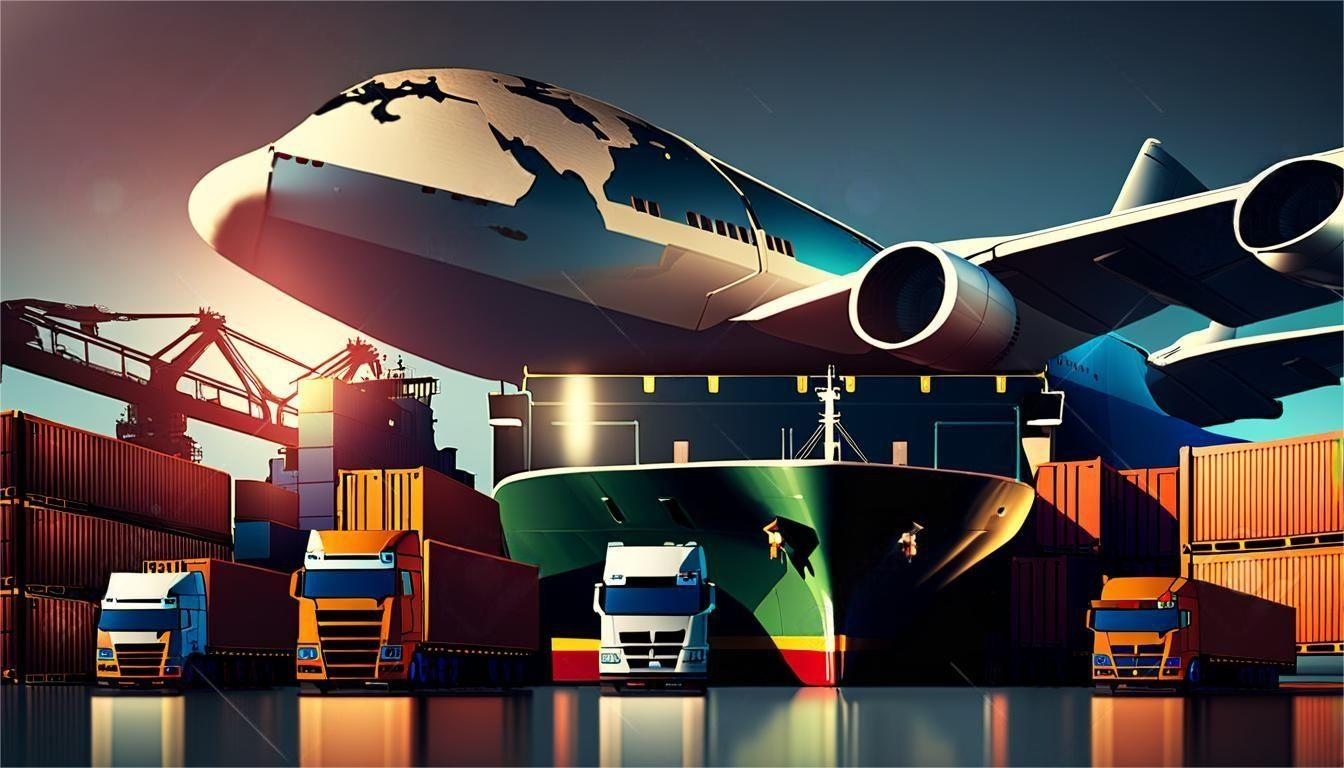
Choosing the right mode of transport depends on your specific budget, cargo type, and urgency. While air freight offers the fastest delivery times, it remains the most expensive option for large volumes. In contrast, sea freight provides a cost-effective solution for bulk shipments that do not require immediate delivery.
Rail freight provides a viable middle ground for Eurasian routes, offering faster speeds than the ocean at a lower cost than the air. However, rail options are not available for routes to North America or Australia, making sea freight the primary choice for those destinations. As a result, businesses must weigh the trade-offs between speed and cost when planning their logistics.
Hybrid solutions, such as sea-air or rail-sea combinations, are also gaining popularity in 2026 for their flexibility. These methods allow shippers to bypass specific bottlenecks while maintaining a balance between transit time and freight rates. Without a doubt, understanding these alternatives helps you make an informed decision for your unique business needs.
| Shipping Method | Cost Range | Transit Time | Best For |
|---|---|---|---|
| Sea Freight (FCL) | $1,500 – $6,000 | 14 – 45 Days | Bulk Goods |
| Sea Freight (LCL) | $50 – $150/CBM | 20 – 50 Days | Small Shipments |
| Air Freight | $5,000 – $25,000 | 3 – 7 Days | Urgent Cargo |
| Rail Freight | $2,500 – $4,500 | 18 – 25 Days | Eurasia Trade |
Strategic Advantages of Sea Freight for Global Trade
Utilizing sea freight allows businesses to move massive amounts of inventory at a fraction of the cost of other transport modes. This cost efficiency is particularly beneficial for low-margin products where shipping expenses can significantly impact the final retail price. Furthermore, ocean vessels have the capacity to carry thousands of containers, making them ideal for high-volume trade.
Environmental considerations also favor maritime transport, as it typically has a lower carbon footprint per ton-mile compared to air transport. Many modern ocean cargo shipping company operators are investing in greener technologies and alternative fuels to meet 2026 sustainability goals. Therefore, eco-conscious businesses can improve their corporate social responsibility profiles by choosing sea-based logistics.
Safety and security are additional benefits of modern ocean freight. Advanced container locking mechanisms and port security protocols ensure that cargo remains protected throughout its journey. Additionally, specialized insurance options provide peace of mind for high-value shipments, covering potential losses from natural disasters or maritime accidents.
Flexibility in cargo types remains a key strength of the shipping industry. From liquid bulk to heavy industrial equipment, ocean freight can accommodate almost any type of product. Consequently, it remains the most versatile option for companies with diverse product lines or complex industrial requirements.
Navigating Customs and Documentation with Your Shipping Partner
Professional customs brokerage services are vital for avoiding costly delays and penalties at the port of entry. Navigating the intricate web of international trade laws requires specialized knowledge and attention to detail. Moreover, every country has unique regulatory requirements that must be strictly followed to ensure a smooth clearance process.
Documentation such as the Bill of Lading, Commercial Invoice, and Packing List must be perfectly accurate to prevent customs holds. An experienced ocean cargo shipping company will review all paperwork before the ship even leaves the port of loading. In addition, they can advise on specific duty rates and potential tax exemptions available for your products.
Digitalization has transformed how customs data is processed in 2026. Most ports now use electronic filing systems that allow for faster processing and better transparency. Nevertheless, the human element remains important for resolving complex disputes or clarifying technical specifications with customs officials.
Proper classification of goods using Harmonized System (HS) codes is essential for accurate duty calculation. Misclassification can lead to significant fines or even the seizure of goods by government authorities. Accordingly, working with a knowledgeable partner ensures that your business remains compliant with all international trade regulations.
Real-World Case Studies: Success Stories in Ocean Freight
Examining real-world examples helps businesses understand the practical application of different shipping strategies. Below are two case studies based on typical 2026 market rates and logistics scenarios for international trade routes.
Case Study 1: Electronics from Shenzhen to Los Angeles. Route: Shenzhen, China to Los Angeles, USA. Cargo: Consumer Electronics, 65 CBM, 12,000 kg. Container: 40HQ. Shipping Details: Carrier: Major carrier (COSCO), Port of Loading: Shenzhen, Port of Discharge: Los Angeles, Route Type: Direct. Cost Breakdown: Ocean Freight: $3,200, Origin Charges: $450, Destination Charges: $600, Customs and Duties: $1,200, Total Landed Cost: $5,450. Timeline: Booking to Loading: 3 days, Sea Transit: 15 days, Customs Clearance: 2 days, Total Door-to-Door: 20 days. Key Insight: Direct routing saved 5 days compared to transshipment options.
Case Study 2: Furniture from Ningbo to Rotterdam. Route: Ningbo, China to Rotterdam, Netherlands. Cargo: Home Furniture, 28 CBM, 8,000 kg. Container: 20GP. Shipping Details: Carrier: Major carrier (Maersk), Port of Loading: Ningbo, Port of Discharge: Rotterdam, Route Type: Transshipment via Singapore. Cost Breakdown: Ocean Freight: $2,100, Origin Charges: $400, Destination Charges: $550, Customs and Duties: $900, Total Landed Cost: $3,950. Timeline: Booking to Loading: 4 days, Sea Transit: 32 days, Customs Clearance: 3 days, Total Door-to-Door: 39 days. Key Insight: Transshipment was 15 percent cheaper than the direct route during the Q1 2026 period.
Note: Freight rates are subject to change based on fuel costs, carrier capacity, and seasonal demand. Contact us for a current quote tailored to your specific shipment.

Comparing FCL vs LCL: Cost-Saving Strategies
Understanding the difference between Full Container Load (FCL) and Less than Container Load (LCL) is fundamental for cost optimization. FCL is generally more economical for shipments that fill more than 60 percent of a standard container’s capacity. Furthermore, FCL shipments are often faster because they do not require the consolidation and deconsolidation processes associated with LCL.
LCL shipping allows smaller businesses to share container space with other shippers, paying only for the volume they use. This method is highly flexible and reduces the need for large inventory holdings. However, LCL can be more expensive per cubic meter due to the additional handling fees and logistics coordination required at the warehouse.
Strategic planning can help you decide which method fits your current inventory levels. If you have enough cargo to fill a 20GP container, FCL is almost always the better choice for both safety and speed. Meanwhile, LCL remains the superior option for testing new products or maintaining a consistent supply of small-batch inventory.
Effective freight management often involves a mix of both methods depending on seasonal demand. During peak periods, FCL space may be harder to secure, making LCL a necessary alternative to keep goods moving. Indeed, a versatile ocean cargo shipping company will help you pivot between these options as market conditions change.
| Feature | Full Container (FCL) | Less than Container (LCL) | Winner |
|---|---|---|---|
| Cost per CBM | Lower | Higher | FCL |
| Transit Speed | Faster | Slower | FCL |
| Flexibility | Low | High | LCL |
| Risk of Damage | Minimal | Moderate | FCL |
Which Shipping Option Should You Choose?
Budget priority dictates that sea freight is your primary option for non-urgent, high-volume cargo. If your priority is keeping the landed cost as low as possible, opting for longer transit times with transshipment routes can save significant money. Moreover, booking your shipments at least 3-4 weeks in advance often results in more competitive rates.
Speed priority necessitates a move toward air freight or express services for time-sensitive deliveries. When a production delay threatens your retail launch, the higher cost of air transport is justified by the revenue saved. Consequently, many businesses maintain a small budget for emergency air shipments while moving the bulk of their goods by sea.
Cargo type considerations play a massive role in the final decision. Heavy machinery and bulk raw materials are physically and financially impossible to move by air in large quantities. On the other hand, high-value electronics or pharmaceuticals often require the speed and security that only air or express services can provide.
Volume thresholds often determine when it is time to switch from LCL to FCL. Once your shipment exceeds 15 cubic meters, the cost of a full 20GP container usually becomes more attractive than paying individual CBM rates. Therefore, monitoring your shipment sizes closely can lead to automatic cost savings as your business grows.
Comprehensive Door-to-Door Logistics from China
Opting for door to door services simplifies the entire logistics chain for the importer. This approach involves the ocean cargo shipping company managing every step from the factory floor to your final warehouse destination. Additionally, it eliminates the need for the buyer to coordinate with multiple local transport providers in different countries.
This seamless integration reduces the risk of communication errors and documentation mishaps. When one company handles the entire journey, they have total visibility and accountability for the cargo’s safety. As a result, businesses can focus on their core competencies like sales and product development rather than micro-managing logistics.
Modern door-to-door services also include last-mile delivery, which is often the most complex part of the journey. Whether your warehouse is in a busy metropolitan area or a remote rural location, professional providers have the network to deliver. Furthermore, they can handle the specialized equipment needed for unloading at the final destination.
Choosing this comprehensive service often leads to better overall pricing than booking each leg of the journey separately. Logistics companies can leverage their volume with carriers and trucking firms to provide a consolidated rate. Indeed, the convenience and cost-effectiveness of door-to-door solutions make them a top choice for global traders in 2026.
Managing the Supply Chain for Amazon FBA Sellers
Specialized Amazon FBA logistics solutions are designed to meet the strict requirements of Amazon fulfillment centers. These rules include specific labeling, palletization, and appointment scheduling that must be followed perfectly to avoid rejection. Furthermore, an experienced ocean cargo shipping company understands how to navigate these hurdles efficiently.
Shipping directly to Amazon centers from China requires a partner who can handle customs clearance and domestic trucking within the destination country. Many sellers use sea freight to keep their inventory costs low, allowing them to remain competitive on the Amazon marketplace. Without a doubt, a dedicated FBA shipping partner makes the complex international process much more manageable.
Inventory management becomes easier when you have a reliable shipping schedule. Sellers must balance the long transit times of sea freight with the need to stay in stock during peak shopping seasons. Therefore, planning shipments months in advance is a critical strategy for successful Amazon entrepreneurs.
High-quality logistics providers also offer prep services, such as quality inspections and re-labeling, before the goods reach Amazon. This extra layer of protection ensures that only perfect products enter the fulfillment network. Consequently, sellers can maintain high customer ratings and avoid the costs associated with returns and storage fees.
Logistics Trends and Market Intelligence for 2026
Industry benchmarks indicate that freight rates have stabilized in early 2026 following the disruptions of previous years. However, seasonal patterns still cause rates to increase by 15-25 percent during the August to October peak season. Shippers should stay informed about these trends to time their orders and maximize their shipping budgets.
Digital transformation continues to be a major trend, with blockchain and AI improving transparency and predictive analytics. These tools allow an ocean cargo shipping company to provide more accurate arrival estimates and better route optimization. Moreover, real-time data helps businesses react faster to any changes in the global logistics landscape.
Sustainability is no longer optional, as new maritime regulations require lower emissions from cargo vessels. While these changes may lead to small fuel surcharges, they are essential for the long-term health of global trade. Many carriers are now offering carbon-neutral shipping options for businesses looking to reduce their environmental impact.
Market data suggests that port infrastructure investments in North America and Europe are beginning to reduce congestion. This improvement leads to more reliable transit times and fewer delays for international shipments. Accordingly, 2026 is shaping up to be a more predictable year for businesses involved in global import and export.
Final Thoughts on Choosing a Shipping Partner
In conclusion, partnering with a professional ocean cargo shipping company is the most effective way to manage international trade in 2026. By understanding the differences between FCL and LCL, navigating customs efficiently, and staying updated on market trends, you can significantly reduce your landed costs. Whether you are shipping to North America, Europe, or Australia, a strategic approach to sea freight is essential for long-term growth.
Success in global commerce requires a balance of speed, cost, and reliability. As market conditions evolve, having a flexible and knowledgeable logistics partner will ensure that your business remains competitive. Focus on building a long-term relationship with a provider that understands your specific industry needs and provides proactive solutions for your supply chain.
Finalize your 2026 shipping strategy today by choosing a partner that prioritizes transparency and communication. With the right support, the complexities of international maritime logistics become a powerful advantage for your business.
Need a tailored shipping solution?
Ready to optimize your global supply chain? Contact our expert team today to receive a customized quote and discover how a leading ocean cargo shipping company can streamline your logistics. Visit us at Logistics From China to get started