
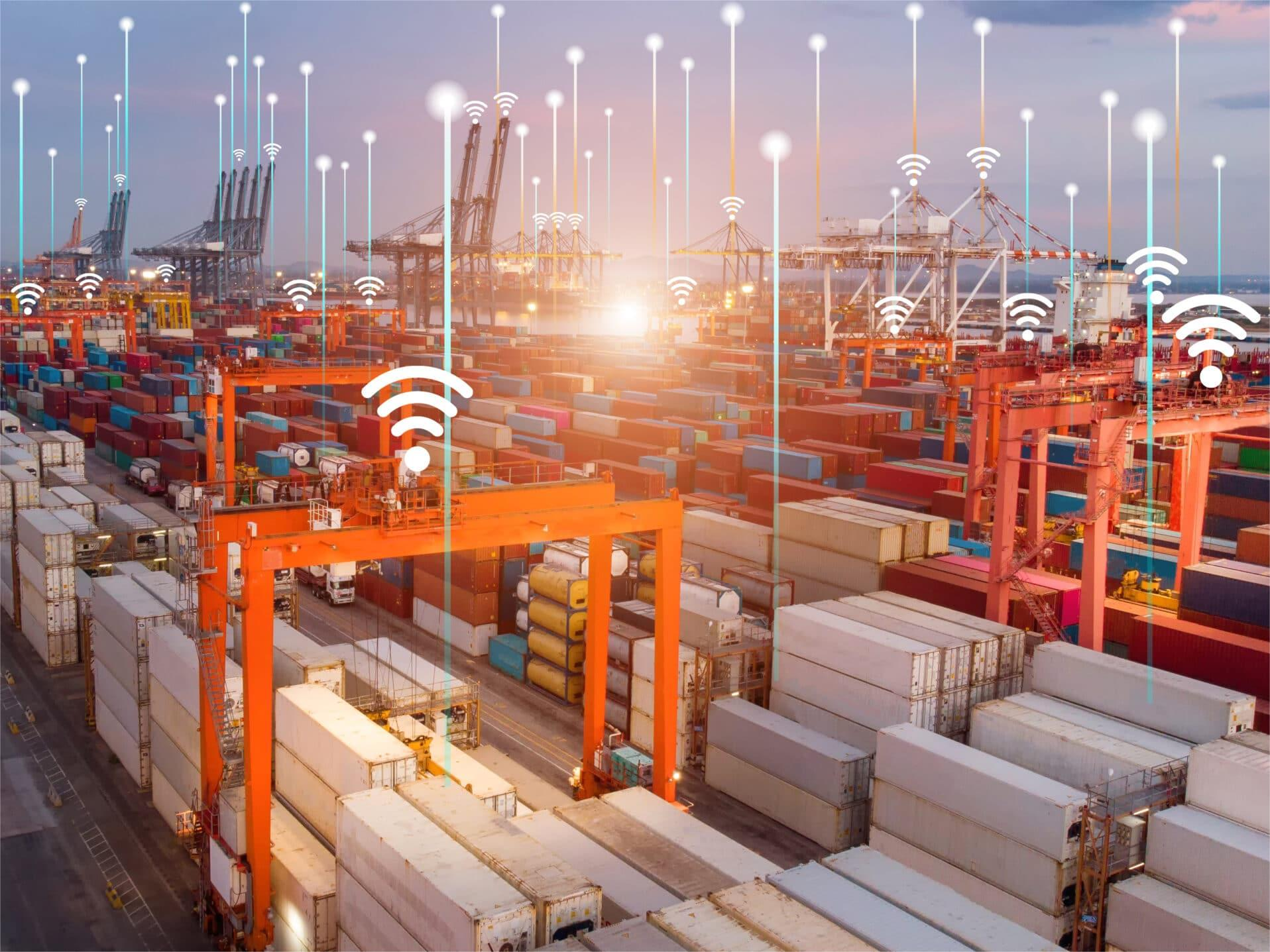
Sea Freight Services for Wholesalers: 2026 Guide to Bulk Shipping
Wholesale businesses require robust logistics solutions to manage high-volume inventory while maintaining healthy profit margins. Navigating the complexities of international trade is much easier when you partner with a reliable provider like Logistics From China. This comprehensive guide explores how specialized sea freight services for wholesalers can optimize your shipping costs and delivery schedules in the 2026 market environment.
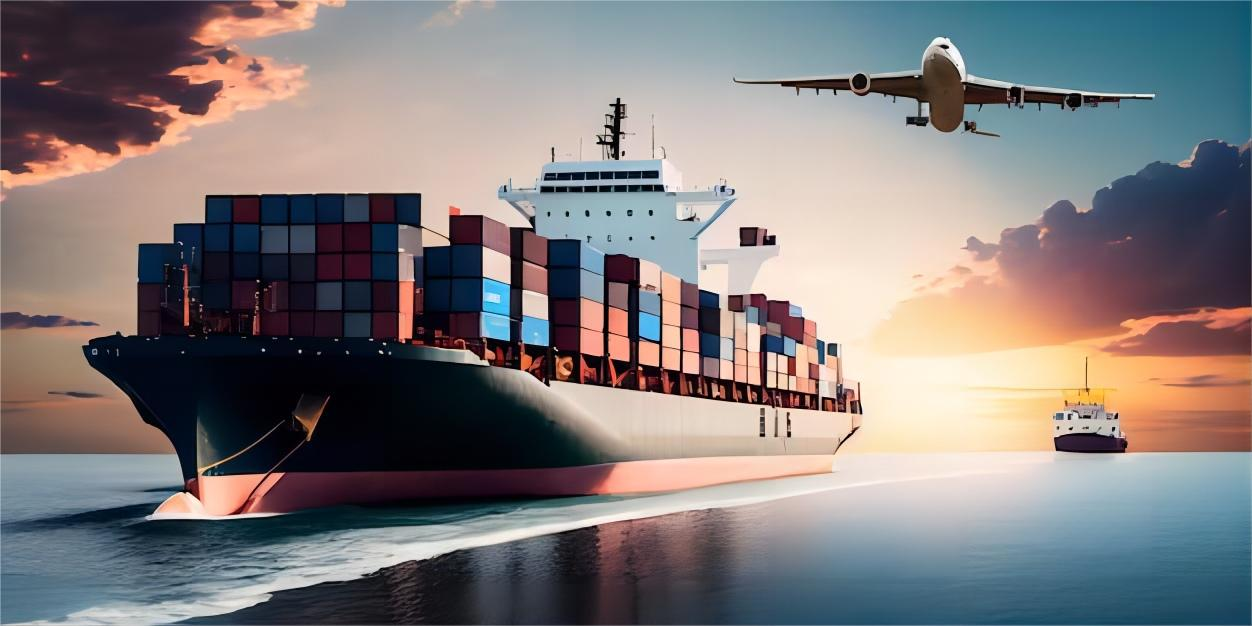
Why Choose Sea Freight Services for Wholesalers?
Cost efficiency remains the primary driver for businesses selecting maritime transport over other modes. Specifically, sea freight provides the lowest cost per unit when moving large quantities of goods across long distances. Consequently, wholesalers can scale their operations without seeing a linear increase in logistics expenses.
Capacity is another significant advantage for bulk importers. Large container vessels can accommodate thousands of TEUs, allowing you to move entire product lines in a single shipment. Furthermore, the ability to ship oversized or heavy items makes this method indispensable for industries like furniture, machinery, and construction materials.
Environmental sustainability has become a key metric for modern supply chains. Maritime transport produces significantly lower carbon emissions per ton-mile compared to air transport. Therefore, choosing sea freight helps your wholesale business meet corporate social responsibility goals while staying competitive.
FCL vs LCL: Which Strategy Fits Your Wholesale Business?
Understanding the difference between Full Container Load (FCL) and Less than Container Load (LCL) is vital for inventory management. FCL involves renting an entire 20ft or 40ft container for your exclusive use, which is often faster and more secure. Meanwhile, LCL allows you to share container space with other shippers, making it ideal for smaller wholesale batches.
Wholesalers often prefer FCL when their volume exceeds 15 cubic meters. This threshold usually marks the point where the flat rate of a full container becomes cheaper than the per-cubic-meter rate of shared space. Additionally, FCL reduces the risk of damage since the goods are not handled as frequently during consolidation and deconsolidation.
| Feature | FCL Shipping | LCL Shipping |
|---|---|---|
| Best For | High Volume | Small Batches |
| Cost Basis | Per Container | Per CBM/Weight |
| Transit Time | Faster (Direct) | Slower (Consolidated) |
| Handling | Minimal | Multiple Times |
How Does Sea Freight Compare to Other Shipping Options?
Comparing different transport modes is essential for making informed logistics decisions. While sea freight is the most economical, it is also the slowest. In contrast, air freight offers rapid delivery but at a much higher price point, often costing five to ten times more than ocean transport.
Rail freight serves as a middle ground for shipments between China and Central Asia or Europe. It provides faster transit than the ocean and lower costs than the air. However, for wholesalers in Australia or North America, rail is not a direct option from Asian ports.
Hybrid solutions like sea-air combinations are gaining popularity in 2026. These services involve shipping goods by sea to a hub like Dubai or Singapore and then flying them to the final destination. This strategy balances cost and speed for urgent wholesale restocks.
| Method | Cost Range | Transit Time | Best For |
|---|---|---|---|
| Sea Freight | $1,500 – $6,000 | 15 – 45 Days | Bulk Inventory |
| Air Freight | $5,000 – $25,000 | 3 – 7 Days | Urgent Samples |
| Rail Freight | $2,500 – $5,000 | 18 – 22 Days | Mid-value Goods |
Navigating Customs and Documentation for Wholesalers
Efficient customs clearance is the backbone of a successful international wholesale operation. Missing paperwork or incorrect tariff classifications can lead to expensive port storage fees and delivery delays. Therefore, engaging a professional customs brokerage service is highly recommended for high-volume importers.
Standard documentation includes the Bill of Lading, Commercial Invoice, and Packing List. Depending on the product type, you might also need Certificates of Origin or specialized permits for regulated goods. Ensuring all documents are prepared before the ship arrives at the destination port will significantly speed up the release process.
Compliance with local regulations in regions like Europe requires staying updated on the latest trade policies. As of 2026, many countries have implemented stricter digital reporting requirements for bulk imports. Consequently, wholesalers must maintain accurate digital records of all transactions.
The Rise of Door-to-Door Solutions for Bulk Buyers
Managing multiple logistics providers can be overwhelming for growing wholesale businesses. A door to door service simplifies the process by handling everything from the factory floor to your warehouse. This end-to-end approach reduces administrative overhead and provides better visibility over the entire supply chain.
Wholesalers selling on digital platforms often require specialized delivery services. For instance, those utilizing Amazon FBA need their sea freight shipments to meet strict labeling and palletization standards. A comprehensive freight forwarding service ensures that bulk orders are compliant with fulfillment center requirements before they even leave the origin port.
Reliability in the final mile is just as important as the ocean transit itself. Using a single provider for the entire journey minimizes the risk of communication gaps between different carriers. Indeed, most successful wholesalers in North America now prefer integrated logistics over piecemeal shipping arrangements.
Case Study 1: Electronics Distribution to North America
Case Study 1: Tech Wholesale Expansion
Route: Shenzhen, China to Los Angeles, USA
Cargo: Consumer Electronics, 65 CBM, 12,500 kg
Container: 1 x 40HQ
Shipping Details:
– Carrier: Major Ocean Carrier
– Port of Loading: Shenzhen
– Port of Discharge: Los Angeles
– Route Type: Direct
Cost Breakdown:
– Ocean Freight: $3,200
– Origin Charges: $450
– Destination Charges: $650
– Customs and Duties: $4,800
– Total Landed Cost: $9,100
Timeline:
– Booking to Loading: 4 days
– Sea Transit: 16 days
– Customs Clearance: 3 days
– Total Door-to-Door: 23 days
Key Insight: By choosing a direct route to the West Coast, the wholesaler saved 12 days compared to an East Coast discharge, allowing for faster inventory turnover during the Q3 peak season of 2025.

Case Study 2: Textile Importation to Europe
Case Study 2: Fashion Wholesale Logistics
Route: Ningbo, China to Hamburg, Germany
Cargo: Apparel and Textiles, 28 CBM, 8,000 kg
Container: 1 x 20GP
Shipping Details:
– Carrier: Global Alliance
– Port of Loading: Ningbo
– Port of Discharge: Hamburg
– Route Type: Transshipment via Singapore
Cost Breakdown:
– Ocean Freight: $2,100
– Origin Charges: $380
– Destination Charges: $550
– Customs and Duties: $3,200
– Total Landed Cost: $6,230
Timeline:
– Booking to Loading: 5 days
– Sea Transit: 32 days
– Customs Clearance: 2 days
– Total Door-to-Door: 39 days
Key Insight: Utilizing a 20GP container for a high-density textile shipment provided better cost-per-unit metrics than LCL, despite the container not being 100 percent full. Note: Freight rates are subject to change based on fuel costs, carrier capacity, and seasonal demand. Contact us for a current quote tailored to your specific shipment.
Strategic Cost-Saving Tips for Wholesale Sea Freight
Optimizing your container utilization is the most effective way to lower shipping costs. Wholesalers should aim to fill every cubic meter of space to maximize the value of the flat container rate. Moreover, consolidating orders from multiple suppliers into a single FCL shipment can significantly reduce origin handling fees.
Booking shipments at least 3 to 4 weeks in advance allows you to secure better rates and guaranteed space. In the 2026 market, last-minute bookings often incur premium surcharges due to fluctuating carrier capacities. Consequently, proactive planning is a competitive advantage for bulk buyers.
Negotiating long-term contracts with freight forwarders can provide price stability throughout the year. While spot rates might occasionally drop, a fixed contract protects your margins against sudden spikes during peak seasons. Additionally, consider shipping during ‘off-peak’ weeks to take advantage of lower demand and reduced port congestion.
Which Option Should You Choose? A Decision Framework
Budget priority: If your primary goal is to minimize the landed cost of goods, standard sea freight is the clear winner. This is especially true for items with low profit margins where shipping costs can make or break the business model. For these scenarios, choose direct sea routes and FCL whenever possible.
Speed priority: When you are facing a stock-out or launching a new product, consider a hybrid sea-air approach. This allows you to get a portion of your inventory quickly while the bulk of the order follows via traditional ocean transport. This strategy ensures you never lose sales while keeping overall logistics costs manageable.
Cargo type considerations: Perishable goods or high-value electronics may require specialized reefer containers or enhanced security measures. Always consult with your logistics provider to ensure the selected vessel and container type match the specific requirements of your wholesale inventory. Proper cargo handling prevents costly damage and insurance claims.
Mastering Wholesale Logistics in 2026
Selecting the right sea freight services for wholesalers is a strategic decision that impacts your entire business operation. By balancing cost, speed, and reliability, you can create a resilient supply chain that withstands market fluctuations. Whether you are shipping FCL to North America or LCL to Europe, understanding the nuances of maritime transport is essential.
Partnering with an experienced freight forwarder ensures that you stay compliant with changing regulations and benefit from the best market rates. As we move through 2026, the integration of technology and logistics will continue to offer new opportunities for efficiency. Start optimizing your bulk shipping strategy today to secure your position in the global wholesale market.
Start Your Shipment
Streamline your wholesale supply chain today with our expert sea freight services for wholesalers. Our team provides transparent pricing and reliable schedules to help your business grow in the 2026 market. Visit Logistics From China to request your custom shipping quote now and experience hassle-free international logistics.
Request Quote