
Maritime Freight Forwarder China: 2026 Expert Shipping Guide
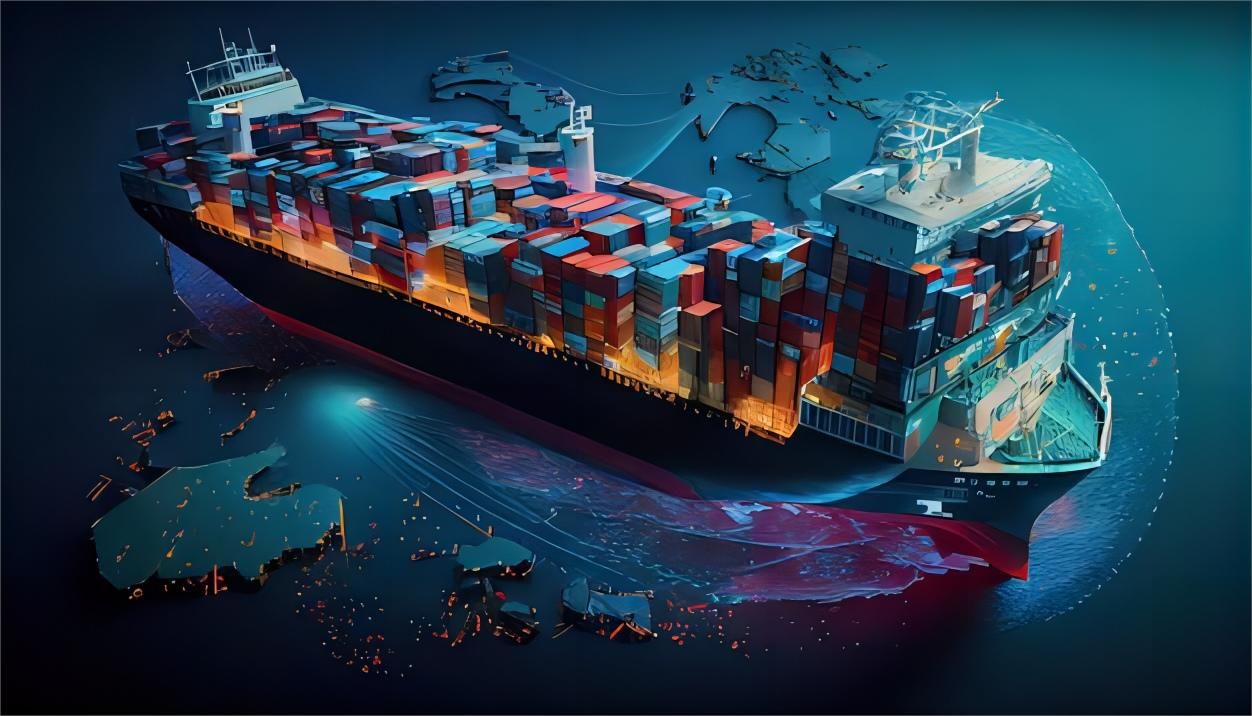
Navigating the complexities of international trade requires a dependable maritime freight forwarder china to ensure your cargo arrives safely and on time. Many businesses face significant challenges with port congestion and fluctuating rates, but a professional partner provides the stability needed for a healthy supply chain. By choosing Logistics From China, you gain access to decades of expertise and a network designed to streamline your entire import process from start to finish.
✦
How to Choose a Reliable Maritime Freight Forwarder China in 2026?
Selecting the right partner involves more than just comparing the lowest price quotes available on the market. Specifically, you must evaluate their communication speed and their ability to handle unexpected disruptions at major ports like Shanghai or Ningbo.
Furthermore, a top-tier maritime freight forwarder china should offer comprehensive sea freight solutions that include both FCL and LCL options. This flexibility allows your business to scale operations without being limited by container volume requirements.
Consequently, verifying their licensing and industry reputation is a critical step in the vetting process. You should look for companies with established relationships with major carriers like COSCO, Maersk, and MSC to ensure space availability during peak seasons.
Reliability often stems from local knowledge and a physical presence in key manufacturing hubs across China. Therefore, choosing a forwarder with deep roots in the region can prevent common logistical bottlenecks before they even occur.
How Does Maritime Freight Compare to Other Shipping Options?
Understanding the differences between transport modes is essential for optimizing your logistics budget and delivery schedule. While ocean shipping remains the most cost-effective method for bulk goods, it is not always the fastest choice for time-sensitive inventory.
In contrast, air freight provides rapid delivery but comes with a significantly higher price tag that can erode profit margins. Businesses must weigh the urgency of their shipment against the total landed cost to make an informed decision.
Meanwhile, rail freight has emerged as a viable middle ground for shipments to Europe, offering faster transit than the sea at a lower cost than the air. However, this route is subject to geopolitical stability and infrastructure availability along the Silk Road.
Moreover, the following table provides a clear comparison of these methods based on current 2026 market data to help you determine the best fit for your specific cargo needs.
| Sea Freight | $1,800 – $4,500 | 25 – 40 Days | Bulk / Heavy Goods |
| Air Freight | $12,000 – $25,000 | 5 – 8 Days | Urgent / High Value |
| Rail Freight | $5,500 – $8,500 | 18 – 22 Days | Mid-size to Europe |
| Express | $200 – $600 | 3 – 5 Days | Small Samples |
Which Option Should You Choose? Decision Framework
Budget priority dictates that sea freight is the superior choice for most large-scale manufacturing imports. If your primary goal is to minimize overhead, scheduling shipments well in advance allows you to take advantage of lower ocean rates.
Speed priority requires a shift toward air or express services, especially for product launches or inventory stock-outs. Consequently, you should only utilize these expensive methods when the cost of a delay exceeds the cost of the freight itself.
Cargo type considerations also play a major role in your selection process. For instance, hazardous materials or oversized machinery often require specialized maritime handling that other transport modes cannot easily accommodate.
Volume thresholds often determine the switch from LCL to FCL shipping. Typically, once your shipment exceeds 15 cubic meters, booking a full 20-foot container becomes more economical than paying for individual space in a shared container.
Understanding 2026 Ocean Freight Rates and Market Trends
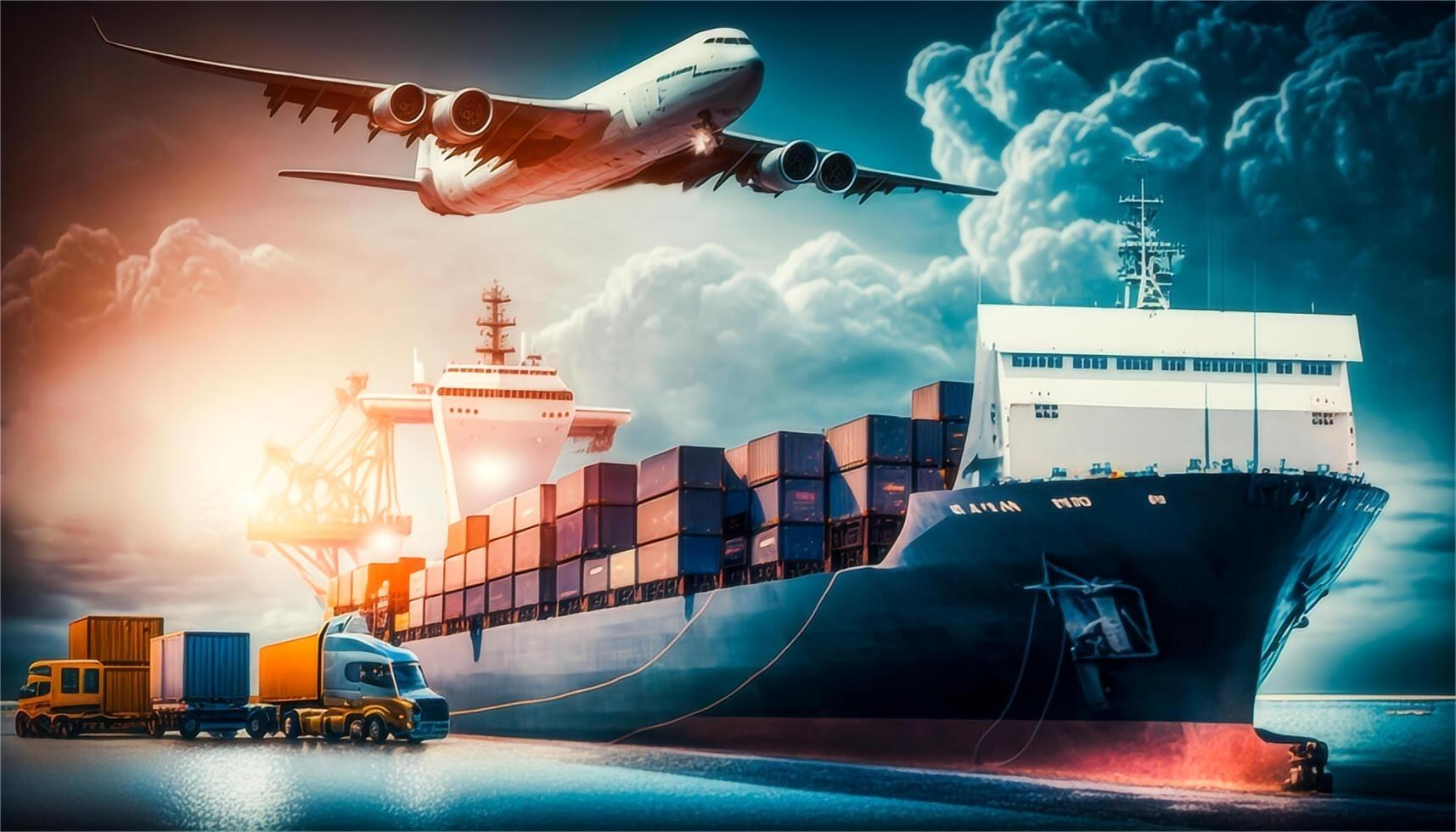
Market data suggests that freight rates from China have stabilized in early 2026 following the disruptions seen in previous years. Indeed, the introduction of new green-methanol powered vessels has increased capacity while slowly driving down carbon-related surcharges.
According to industry benchmarks, shipping a 40HQ container from Shenzhen to the US West Coast currently ranges between $2,800 and $3,800. These rates fluctuate based on seasonal demand, with the highest prices typically occurring between August and October.
Additionally, fuel costs remain a primary driver of price volatility in the maritime sector. Therefore, many businesses are opting for fixed-rate contracts to protect their margins against sudden spikes in bunker adjustment factors.
Note: Freight rates are subject to change based on fuel costs, carrier capacity, and seasonal demand. Contact us for a current quote tailored to your specific shipment.
| China to USA West | $1,600 – $2,300 | $2,900 – $3,900 | 15 – 19 Days |
| China to Europe | $1,900 – $2,600 | $3,100 – $4,300 | 30 – 36 Days |
| China to Australia | $850 – $1,300 | $1,500 – $2,100 | 13 – 18 Days |
| China to UK | $2,100 – $2,900 | $3,600 – $4,600 | 32 – 38 Days |
Essential Documentation for Your Maritime Freight Forwarder China
Documentation accuracy is the most frequent cause of customs delays and unexpected storage fees at the port. Specifically, your maritime freight forwarder china must ensure that the Bill of Lading, Commercial Invoice, and Packing List are perfectly synchronized.
Moreover, utilizing a professional customs brokerage service can prevent your cargo from being flagged for inspection. Expert brokers understand the specific HS codes required for different product categories, ensuring correct duty payments.
Consequently, missing a single certificate of origin or a fumigation permit can result in weeks of delays. Therefore, you should always double-check the requirements for your destination country before the vessel leaves the Chinese port.
Indeed, the following checklist outlines the core documents required for most international maritime shipments in 2026.
| Bill of Lading | Title of Goods | Carrier/Forwarder | High |
| Commercial Invoice | Customs Valuation | Exporter | High |
| Packing List | Cargo Details | Exporter | High |
| CO / Form E | Duty Reduction | Chamber of Commerce | Medium |
Real Case Studies: Maritime Logistics Success Stories
Case Study 1: Solar Panel Distribution to Europe. Route: Shanghai to Rotterdam. Cargo: Solar Panels, 68 CBM, 12,000 kg. Container: 2 x 40HQ. Shipping Details: Major carrier direct service. Port of Loading: Shanghai. Port of Discharge: Rotterdam. Cost Breakdown: Ocean Freight $7,400, Origin Charges $650, Destination Charges $800, Customs $1,200. Total Landed Cost: $10,050. Timeline: Booking to Loading 4 days, Sea Transit 33 days, Customs 2 days. Total Door-to-Door: 39 days. Key Insight: Early booking during Q2 saved the client 15 percent compared to peak season rates.
Case Study 2: Consumer Electronics to North America. Route: Shenzhen to Los Angeles. Cargo: Smart Home Devices, 26 CBM, 5,500 kg. Container: 20GP. Shipping Details: Transpacific direct route. Port of Loading: Shenzhen. Port of Discharge: Los Angeles. Cost Breakdown: Ocean Freight $2,200, Origin Charges $400, Destination Charges $600, Customs $950. Total Landed Cost: $4,150. Timeline: Booking to Loading 3 days, Sea Transit 16 days, Customs 3 days. Total Door-to-Door: 22 days. Key Insight: Utilizing a door to door service minimized handling risks for fragile electronic components.
Case Study 3: Furniture Import to Australia. Route: Ningbo to Sydney. Cargo: Flat-pack Furniture, 14 CBM. Container: LCL. Shipping Details: Consolidation service. Port of Loading: Ningbo. Port of Discharge: Sydney. Cost Breakdown: Ocean Freight $1,100, Origin Charges $300, Destination Charges $450, Customs $500. Total Landed Cost: $2,350. Timeline: Booking to Loading 5 days, Sea Transit 15 days, Customs 2 days. Total Door-to-Door: 22 days. Key Insight: LCL was the most cost-effective choice for this volume, avoiding the expense of a half-empty container.
How Can a Maritime Freight Forwarder China Optimize Your Supply Chain?
Optimization starts with end-to-end visibility of your cargo as it moves across the ocean. Furthermore, modern forwarders use advanced tracking software that provides real-time updates on vessel locations and estimated arrival times.
Additionally, many businesses are now integrating Amazon FBA logistics directly into their maritime strategy. This allows for seamless transitions from the port to fulfillment centers without the need for intermediate warehousing.
Consequently, reducing the number of touchpoints in your supply chain lowers the risk of damage and loss. Therefore, a forwarder that offers consolidated services like warehousing, labeling, and final-mile delivery provides significant value-add.
Meanwhile, strategic port selection can also lead to faster transit times and lower local fees. For example, shipping from Ningbo might be less congested than Shanghai during certain periods, allowing for quicker gate-in and loading processes.
Mastering Your Imports with a Maritime Freight Forwarder China
To summarize, finding a reliable maritime freight forwarder china is the cornerstone of a successful international business strategy in 2026. By understanding market trends, preparing accurate documentation, and choosing the right shipping mode, you can navigate the complexities of global trade with confidence.
Ultimately, the goal is to create a resilient supply chain that can withstand market fluctuations and logistical hurdles. With the right expertise and a commitment to quality service, your business can achieve efficient and cost-effective shipping from China to any destination in the world.