

Sea Freight Supply Chain Solutions for Global Trade in 2026
Navigating the complexities of international trade requires robust sea freight supply chain solutions that adapt to a shifting global economy. Logistics From China provides the expertise needed to streamline your operations and reduce overhead costs significantly. In 2026, businesses must prioritize efficiency and visibility to maintain a competitive edge in the marketplace.
What Are Sea Freight Supply Chain Solutions?
Modern sea freight supply chain solutions encompass the entire process of moving goods via ocean carriers from the point of origin to the final destination. This includes procurement, cargo consolidation, maritime transport, and final-mile delivery services.
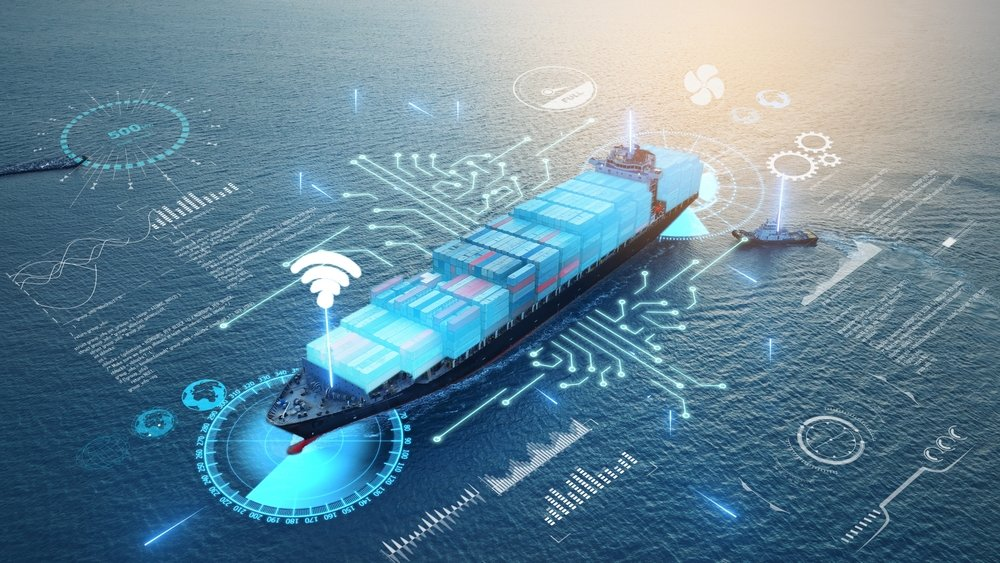
Furthermore, these solutions integrate advanced tracking technology and data analytics to provide real-time updates on shipment status. Consequently, companies can manage their inventory levels more effectively while minimizing the risk of stockouts or overstocking.
Effective ocean freight logistics rely on a network of reliable carriers and port operators. Therefore, choosing the right partner is essential for ensuring that your goods arrive safely and on schedule.
Additionally, businesses often utilize sea freight as a cost-effective alternative to air transport for high-volume shipments. This strategy allows for significant savings on transportation budgets over long-distance routes.
How Does Sea Freight Compare to Other Shipping Options?
Analyzing different transportation modes is vital for optimizing your logistics strategy in 2026. While each method has distinct advantages, sea freight remains the backbone of global commerce due to its capacity and cost-efficiency.
Moreover, sea freight offers the lowest carbon footprint per ton-mile compared to air or road transport. For instance, shipping a full container from Shanghai to Los Angeles is considerably more sustainable than utilizing multiple air cargo flights.
However, transit times for maritime transport are significantly longer than those for air or rail. As a result, companies must plan their production schedules months in advance to account for the duration of the voyage.
| Shipping Method | Cost Range | Transit Time | Best For |
|---|---|---|---|
| Sea Freight | $1,500 – $4,500 | 14 – 40 Days | Bulk goods and large volumes |
| Air Freight | $8,000 – $25,000 | 3 – 7 Days | High-value or urgent items |
| Rail Freight | $4,000 – $7,000 | 15 – 22 Days | Mid-range urgency (Land routes) |
| Express Service | $10,000+ | 2 – 5 Days | Small parcels and documents |
Choosing Between FCL and LCL Sea Freight Supply Chain Solutions
Full Container Load (FCL) shipping involves renting an entire container for your goods exclusively. Specifically, this method is ideal for large shipments that can fill a 20GP or 40HQ container, providing better security and faster handling.
In contrast, Less than Container Load (LCL) allows multiple shippers to share space within a single container. Consequently, this is a budget-friendly option for smaller businesses that do not have enough volume to justify a full container.
Nevertheless, LCL shipments often require more time for consolidation and deconsolidation at the ports. To avoid delays, many importers utilize a professional customs brokerage to ensure all paperwork is handled correctly before arrival.
Indeed, the choice between FCL and LCL depends heavily on your specific volume and budget constraints. Most logistics experts recommend switching to FCL once your shipment exceeds 15 cubic meters to maximize cost-efficiency.
Critical Components of Modern Sea Freight Supply Chain Solutions
Successful logistics operations require a comprehensive approach to cargo handling and documentation. Without a doubt, accurate manifest filing and compliance with international maritime laws are the foundations of a smooth shipping process.
Meanwhile, implementing door to door services can simplify the entire experience for the importer. This solution covers everything from factory pickup in China to final delivery at your warehouse in the destination country.
Subsequently, insurance plays a vital role in protecting your investment against unforeseen maritime risks. Therefore, always ensure your sea freight supply chain solutions include comprehensive cargo insurance to cover potential damages during transit.
Notably, port selection also impacts the overall efficiency of your supply chain. For example, shipping to a less congested port might save several days in transit time even if the inland trucking distance is slightly longer.
Which Option Should You Choose? Decision Framework
Determining the best shipping strategy involves balancing speed, cost, and reliability. If your primary goal is cost reduction for non-urgent inventory, sea freight is the undisputed winner for North America routes.
Alternatively, if you are launching a new product or replenishing low stock, a hybrid sea-air solution might provide the necessary speed at a lower cost than pure air freight. This approach uses sea transport for the long haul and air for the final leg.
Moreover, Amazon sellers should consider specialized Amazon FBA logistics to meet strict delivery windows. These services are tailored to the unique requirements of e-commerce platforms and help avoid costly storage fees.
| Priority | Recommended Method | Key Benefit | Trade-off |
|---|---|---|---|
| Budget | Sea Freight (FCL) | Lowest per-unit cost | Longest transit time |
| Speed | Air Freight | Rapid market entry | Highest shipping cost |
| Flexibility | LCL Shipping | Pay only for space used | Higher risk of damage |
| Reliability | Direct Sea Routes | Predictable schedule | Premium freight rates |
Case Studies: Real-World Sea Freight Supply Chain Solutions
Case Study 1: Electronics Distribution to USA. Route: Shenzhen, China to Los Angeles, USA. Cargo: Consumer electronics, 68 CBM, 12,000 kg. Container: 40HQ. Shipping Details: Direct via Maersk. Port of Loading: Shenzhen. Port of Discharge: Los Angeles. Cost Breakdown: Ocean Freight $3,200, Origin Charges $450, Destination Charges $600, Total Landed Cost $4,250. Timeline: 18 days door-to-door. Key Insight: Utilizing a direct route avoided transshipment delays during the Q3 peak season.
Case Study 2: Industrial Machinery to Europe. Route: Ningbo, China to Hamburg, Germany. Cargo: Heavy machinery parts, 25 CBM, 15,000 kg. Container: 20GP. Shipping Details: Transshipment via Singapore. Port of Loading: Ningbo. Port of Discharge: Hamburg. Cost Breakdown: Ocean Freight $2,400, Customs and Duties $1,200, Total Landed Cost $3,600. Timeline: 35 days. Key Insight: Booking four weeks in advance secured a rate 15% lower than the market average in early 2026.
Case Study 3: Furniture Retailer to Australia. Route: Guangzhou, China to Sydney, Australia. Cargo: Home furniture, 12 CBM. Container: LCL. Shipping Details: Direct service. Port of Loading: Guangzhou. Port of Discharge: Sydney. Cost Breakdown: Ocean Freight $950, Documentation $200, Total Landed Cost $1,150. Timeline: 16 days. Key Insight: Consolidated LCL shipping allowed the small retailer to maintain stock without the cost of a full container.
Market Outlook and 2026 Freight Trends
As of Q1 2026, freight rates from China have stabilized following the global logistics adjustments of the previous year. Industry data suggests that carrier capacity has increased, leading to more competitive pricing for major ocean routes.
Furthermore, the adoption of green fuels in the maritime industry is beginning to influence freight rates. Consequently, some carriers now offer ‘Green Shipping’ options that include carbon offset credits for environmentally conscious businesses.
Meanwhile, digital freight forwarding platforms continue to gain traction by offering more transparent pricing and automated booking. Therefore, staying informed about these technological trends is crucial for any business relying on sea freight supply chain solutions.
To summarize, the 2026 market favors shippers who are proactive in their planning and willing to embrace digital tools. By monitoring port congestion and seasonal demand shifts, you can optimize your logistics budget effectively.
Mastering Your Sea Freight Logistics
Implementing efficient sea freight supply chain solutions is a continuous process of evaluation and adjustment. By understanding the nuances of FCL, LCL, and customs requirements, you can build a resilient logistics network that supports long-term growth.
Ultimately, the key to success lies in choosing a partner that understands the complexities of the 2026 shipping market. Whether you are shipping to North America, Europe, or Australia, professional guidance ensures your cargo arrives safely and cost-effectively.
Note: Freight rates are subject to change based on fuel costs, carrier capacity, and seasonal demand. Contact us for a current quote tailored to your specific shipment.

Need a tailored shipping solution?
Ready to optimize your global logistics? Contact us today to receive a customized quote for sea freight supply chain solutions that fit your business needs. Visit our inquiry page to get started: Visit https://logisticsfromchina.com/contact/