

Sea Freight Company USA Imports: 2026 Shipping Guide
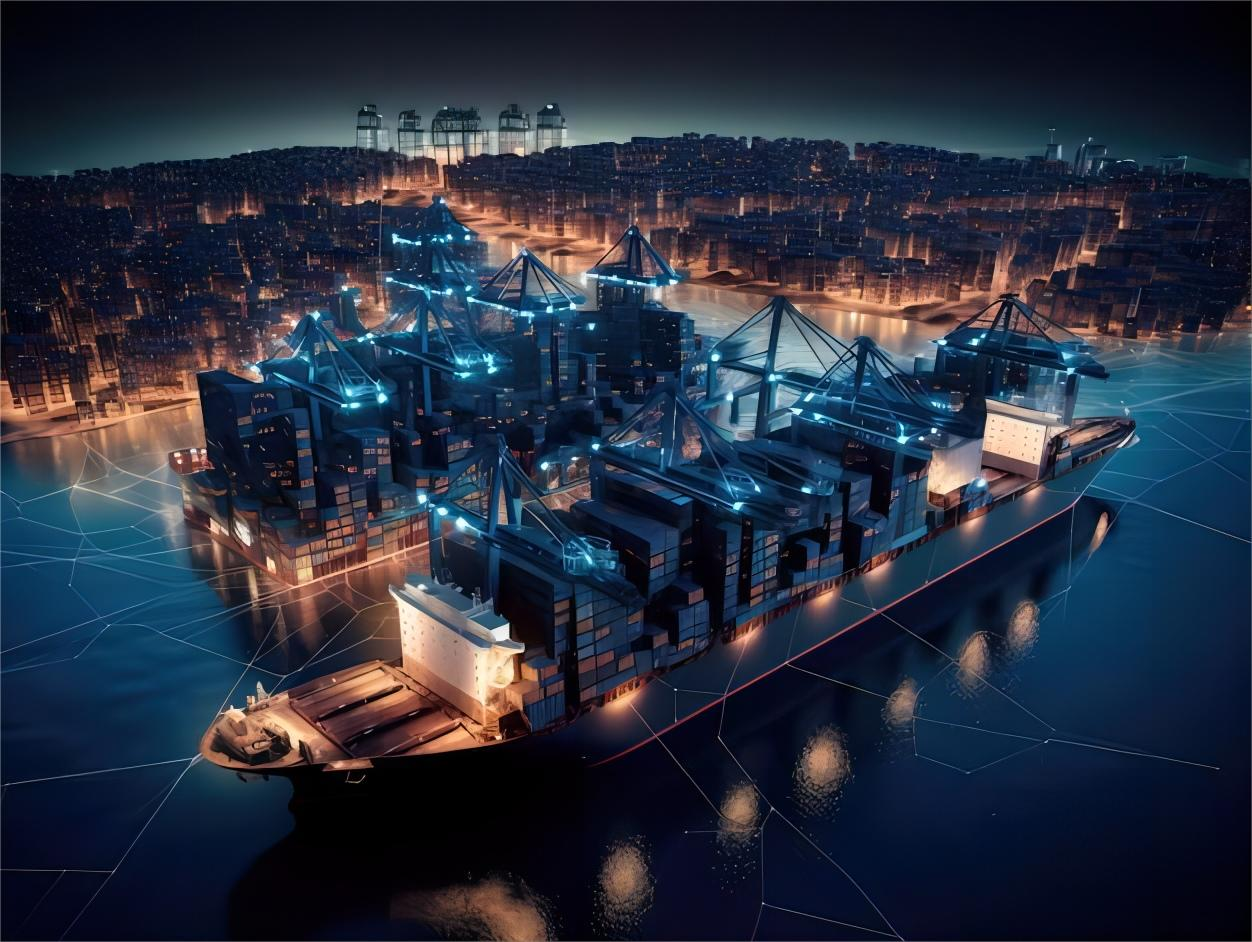
Navigating the complexities of international trade requires a reliable Logistics From China partner to ensure smooth operations. When searching for a sea freight company USA imports specialist, businesses must prioritize efficiency and transparency in their global supply chain. Consequently, understanding the nuances of ocean logistics becomes paramount for maintaining a competitive edge in the 2026 market. This guide provides comprehensive insights into optimizing your import strategy while minimizing costs and transit delays.
What is the Role of a Sea Freight Company USA Imports Specialist?
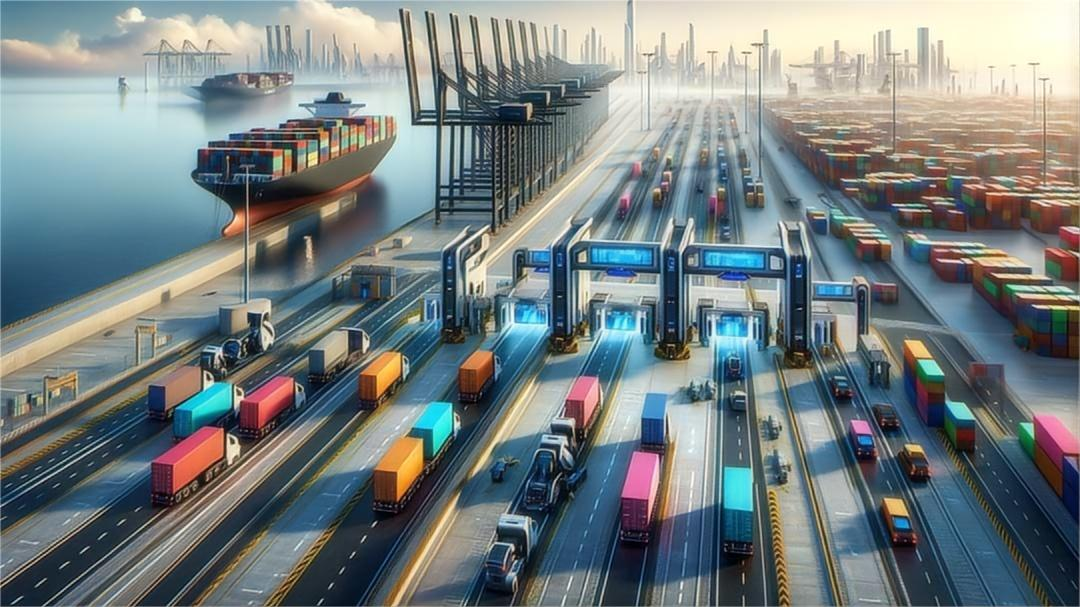
Specialized logistics providers manage the entire journey of goods across the Pacific Ocean. They coordinate with carriers to secure space on vessels and ensure that all documentation meets federal requirements. Furthermore, a professional sea freight provider acts as a bridge between manufacturers in China and distributors in the United States.
Reliable agents handle the physical movement of containers and the complex legalities involved in international shipping. They monitor vessel schedules to provide accurate arrival estimates for their clients. Additionally, these experts manage port handling and drayage services once the cargo reaches American shores.
Effective communication remains the cornerstone of a successful partnership with a shipping agent. You should expect real-time updates regarding the status of your shipment to prevent supply chain disruptions. Indeed, the right partner will offer proactive solutions whenever port congestion or weather events threaten your delivery schedule.
How to Select the Best Sea Freight Company USA Imports Partner?
Choosing a logistics partner requires a thorough evaluation of their experience and service offerings. You must verify that they possess the necessary licenses and insurance to protect your investment. Moreover, an experienced customs brokerage team is essential for navigating the strict regulations enforced by U.S. Customs and Border Protection.
Reputation in the industry serves as a strong indicator of future performance. Look for companies that have a proven track record of handling cargo similar to yours. For instance, if you import hazardous materials or oversized machinery, ensure the agent has specific expertise in those areas.
Technology integration has become a vital component of modern logistics management. Modern providers offer digital platforms where you can track shipments and access important documents instantly. Consequently, this transparency allows you to plan your inventory levels with much greater precision.
Shipping Costs and Transit Times for 2026
Freight rates in 2026 have stabilized following the volatility of previous years, though seasonal fluctuations still occur. Typically, shipping to the West Coast is more economical and faster than shipping to the East Coast. Therefore, businesses often choose their port of entry based on the final destination of the goods within the United States.
Transit times vary significantly depending on the specific route and the carrier selected for the voyage. Direct routes from major Chinese ports like Shanghai or Ningbo offer the fastest service to Los Angeles or Long Beach. Conversely, shipments to Savannah or New York may take twice as long due to the transit through the Panama Canal.
Market data suggests that early booking can lead to significant cost savings during peak seasons. Most experts recommend securing your space at least four weeks in advance to avoid premium surcharges. Specifically, the period leading up to the Golden Week holiday in China often sees a sharp spike in demand.
| Route (China to USA) | 20GP Container | 40HQ Container | Transit Time |
|---|---|---|---|
| Shenzhen to Los Angeles | $1,600 – $2,300 | $2,900 – $3,900 | 14-18 Days |
| Shanghai to New York | $2,600 – $3,600 | $4,600 – $6,100 | 30-35 Days |
| Ningbo to Savannah | $2,400 – $3,400 | $4,400 – $5,800 | 28-32 Days |
| Qingdao to Seattle | $1,700 – $2,400 | $3,000 – $4,100 | 16-20 Days |

How Does Sea Freight Compare to Other Shipping Options?
Ocean transport remains the most cost-effective method for moving large volumes of cargo over long distances. While it is significantly slower than air transport, the cost savings often justify the longer lead times for non-urgent goods. Additionally, sea freight has a much lower carbon footprint per ton of cargo compared to aviation.
Hybrid solutions such as sea-air services have gained popularity for shipments that require a balance of speed and cost. These shipments might travel by sea to a hub like Dubai or Singapore before being transferred to a plane for the final leg. However, for the majority of standard consumer goods, direct sea freight remains the preferred choice.
Rail options are generally not applicable for China to USA routes due to the geographical barrier of the Pacific Ocean. Therefore, importers must decide between the speed of air and the economy of the sea. Selecting the right method depends entirely on your budget, cargo volume, and delivery deadlines.
| Shipping Method | Cost Range | Transit Time | Best For |
|---|---|---|---|
| Sea Freight | Low | 15 – 40 Days | Bulk & Heavy Goods |
| Air Freight | High | 3 – 8 Days | Urgent & High Value |
| Express Service | Very High | 2 – 5 Days | Samples & Small Items |
| Sea-Air Hybrid | Medium | 12 – 20 Days | Time-Sensitive Bulk |
FCL vs LCL: Which Option Should You Choose?
Full Container Load (FCL) shipping is ideal for businesses with enough cargo to fill an entire 20-foot or 40-foot container. This method offers better security and faster handling since the container is dedicated to a single shipper. Furthermore, FCL often results in a lower cost per unit for high-volume shipments.
Less than Container Load (LCL) allows multiple shippers to share space within a single container. This is a perfect solution for smaller businesses that do not have enough volume for a full container. Nevertheless, LCL involves additional handling at consolidation warehouses, which can increase the risk of damage and extend transit times.
Choosing between these options requires a careful analysis of your total cargo volume and shipping frequency. If you are moving more than 15 cubic meters, switching to FCL is usually more economical. Many importers prefer door to door services to simplify the logistics of both FCL and LCL shipments.
Understanding Customs Documentation for USA Imports
Accurate documentation is critical to avoid costly delays and penalties at the U.S. border. The Commercial Invoice, Packing List, and Bill of Lading are the three most important documents required for every shipment. Additionally, you must ensure that your goods are classified correctly using the Harmonized Tariff Schedule (HTS) codes.
Importers are also responsible for filing an Importer Security Filing (ISF) at least 24 hours before the vessel departs from China. Failure to submit this information on time can result in significant fines from U.S. Customs. Consequently, working with a knowledgeable agent ensures that all filings are completed accurately and on schedule.
Special permits may be required for certain types of goods, such as food, chemicals, or electronics. You should consult with your logistics provider early in the process to identify any specific requirements for your product category. Indeed, being prepared with the right paperwork is the best way to ensure a smooth clearance process.

Real-World Case Studies for USA Imports
Examining actual shipping scenarios provides valuable context for understanding the logistics process. These cases reflect typical market conditions and challenges faced by importers in 2026. Note: Freight rates are subject to change based on fuel costs, carrier capacity, and seasonal demand. Contact us for a current quote tailored to your specific shipment.
Case Study 1: Electronics from Shenzhen to Los Angeles. Route: Shenzhen, China to Los Angeles, USA. Cargo: Consumer Electronics, 28 CBM, 4500 kg. Container: 40GP. Shipping Details: Major carrier, Port of Loading: Shenzhen, Port of Discharge: Los Angeles. Cost Breakdown: Ocean Freight: $3,100, Origin Charges: $450, Destination Charges: $600, Customs & Duties: $1,200. Total Landed Cost: $5,350. Timeline: Booking to Loading: 4 days, Sea Transit: 16 days, Customs Clearance: 2 days, Total Door-to-Door: 22 days. Key Insight: Early ISF filing prevented potential port storage fees during a busy arrival window.
Case Study 2: Furniture from Ningbo to New York. Route: Ningbo, China to New York, USA. Cargo: Wooden Furniture, 65 CBM, 8000 kg. Container: 40HQ. Shipping Details: Direct via Panama Canal, Port of Loading: Ningbo, Port of Discharge: New York. Cost Breakdown: Ocean Freight: $5,200, Origin Charges: $500, Destination Charges: $850, Customs & Duties: $900. Total Landed Cost: $7,450. Timeline: Booking to Loading: 6 days, Sea Transit: 32 days, Customs Clearance: 3 days, Total Door-to-Door: 41 days. Key Insight: Selecting an all-water route avoided the higher costs of rail transport from the West Coast.
Case Study 3: Industrial Parts to Chicago via Vancouver. Route: Shanghai, China to Chicago, USA. Cargo: Steel Components, 12 CBM, 3000 kg. Container: LCL. Shipping Details: Transshipment via Vancouver, Port of Loading: Shanghai. Cost Breakdown: Ocean Freight: $1,400, Origin Charges: $300, Destination Charges: $550, Customs & Duties: $1,100. Total Landed Cost: $3,350. Timeline: Booking to Loading: 5 days, Sea Transit: 18 days, Customs Clearance: 4 days, Total Door-to-Door: 27 days. Key Insight: Using a Canadian gateway provided a faster rail connection to the Midwest during US West Coast labor negotiations.
Seasonal Trends and Market Intelligence for 2026
Market conditions in 2026 show that the shipping industry has adapted well to the technological shifts of the last decade. Rates typically increase by 15-25% during the August to October peak season as retailers stock up for the holidays. Therefore, planning your shipments for the shoulder seasons can result in substantial savings for your business.
According to industry benchmarks, port efficiency in North America has improved due to increased automation. However, unexpected events like labor disputes or extreme weather can still cause temporary bottlenecks. Staying informed through your freight forwarder is the best way to mitigate these risks.
Sustainability has also become a major focus for many shipping lines operating on the trans-Pacific route. Many carriers now offer green shipping options that utilize alternative fuels or carbon offset programs. Consequently, environmentally conscious brands can now align their logistics strategy with their corporate social responsibility goals.
Optimizing Your Supply Chain with Amazon FBA
Many e-commerce sellers rely on Amazon FBA to handle their storage and distribution within the United States. A specialized sea freight company USA imports partner can ship your goods directly to Amazon fulfillment centers. This streamlined approach reduces handling costs and speeds up the time it takes for your products to go live.
Compliance with Amazon’s strict labeling and packaging requirements is essential for a successful shipment. Your logistics provider should offer value-added services such as palletizing and labeling at the origin or destination. Ultimately, this ensures that your inventory is accepted by Amazon without any issues or additional fees.
Managing inventory levels requires a deep understanding of lead times and seasonal demand spikes. By utilizing sea freight for the bulk of your inventory and air freight for emergency restocks, you can maintain an optimal balance. For instance, many successful sellers use a 80/20 split between ocean and air transport.
Final Thoughts on Sea Freight Company USA Imports
Mastering the intricacies of sea freight company USA imports is a vital skill for any business involved in global trade. By selecting the right partner and understanding the variables that affect cost and speed, you can build a resilient supply chain. Remember to stay proactive with your documentation and plan ahead for seasonal shifts in the market.
Successfully importing goods from China requires a blend of strategic planning and expert execution. Whether you are shipping FCL or LCL, the key is to maintain clear communication with your logistics provider. Ultimately, the right sea freight strategy will support your business growth and improve your bottom line in 2026.
Need a tailored shipping solution?
Streamline your international logistics today by partnering with an expert sea freight company USA imports specialist. Our team provides tailored solutions to ensure your cargo arrives safely and on time. Contact us now to receive a competitive quote and optimize your supply chain for 2026. Visit our website to learn more about our comprehensive shipping services. Send Inquiry: [email protected]