

Sea Freight Cargo Management: 2026 Guide to Global Logistics
Effective sea freight cargo management serves as the cornerstone of successful international trade, particularly for companies importing goods from manufacturing hubs. At Logistics From China, we recognize that managing ocean logistics involves more than just moving containers from one port to another. This comprehensive guide provides the strategic insights needed to navigate the complexities of 2026 global shipping markets while ensuring your cargo arrives safely and cost-effectively.
What is Sea Freight Cargo Management?
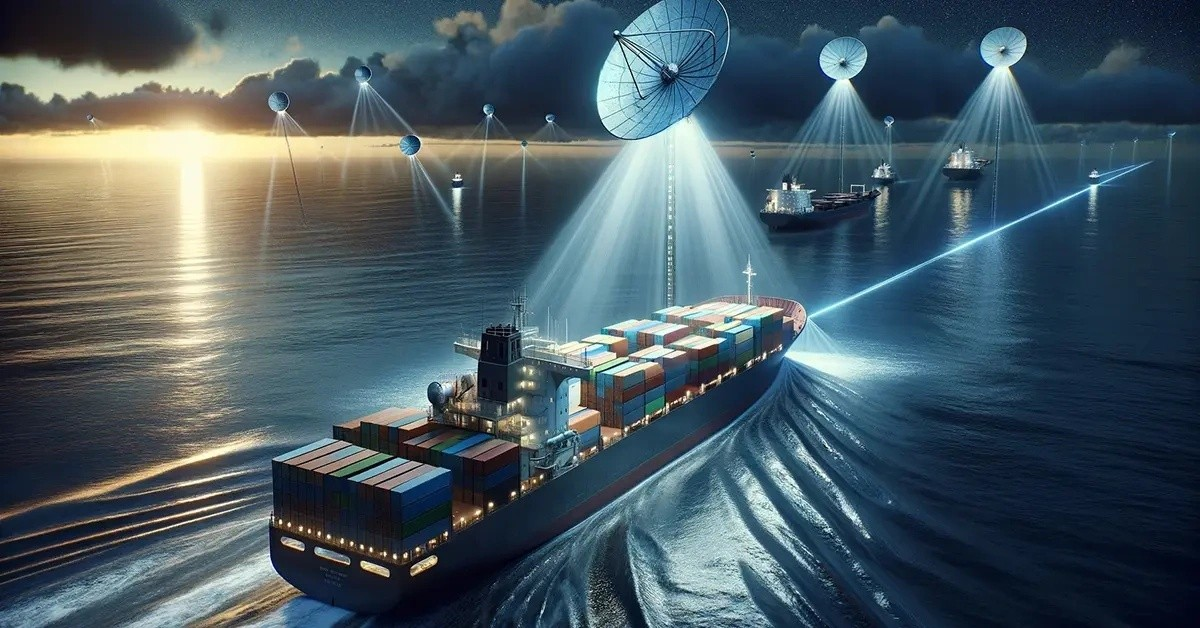
Sea freight cargo management refers to the systematic coordination and oversight of goods transported via ocean vessels across international waters. It encompasses everything from initial booking and container selection to customs clearance and final delivery at the destination warehouse.
Modern logistics professionals rely on sophisticated tracking systems and data analytics to maintain visibility over their shipments in real-time. Consequently, businesses can anticipate potential delays and make informed decisions to protect their supply chain integrity.
Choosing the right sea freight partner is essential for maintaining competitive pricing in a volatile market. Furthermore, expert management ensures that all regulatory requirements are met, preventing costly fines and port storage fees.
How Does Sea Freight Cargo Management Compare to Other Shipping Options?
Evaluating different transportation modes is a critical step in developing a robust logistics strategy for the 2026 fiscal year. While ocean transport remains the most economical choice for high-volume shipments, other methods offer speed advantages that may justify higher costs.
Air transport provides the fastest delivery times but comes with significant price premiums and strict weight limitations. Alternatively, rail freight offers a middle ground for Eurasian routes, balancing cost and speed effectively.
Comparison data suggests that sea freight remains the dominant choice for over 80 percent of global trade volume. However, businesses must weigh the long transit times of ocean shipping against the immediate availability of inventory provided by faster methods.
| Shipping Method | Cost Range | Transit Time | Best For | Limitations |
|---|---|---|---|---|
| Sea Freight (FCL) | $1,500 – $5,500 | 14 – 45 Days | Bulk goods, heavy items | Longer lead times |
| Air Freight | $5.00 – $12.00/kg | 3 – 7 Days | High-value, urgent | Very expensive |
| Rail Freight | $80 – $150/CBM | 18 – 25 Days | Mid-range urgency | Geographic limits |
| Express Service | $8.00 – $15.00/kg | 2 – 5 Days | Samples, documents | Size restrictions |
Which Option Should You Choose?
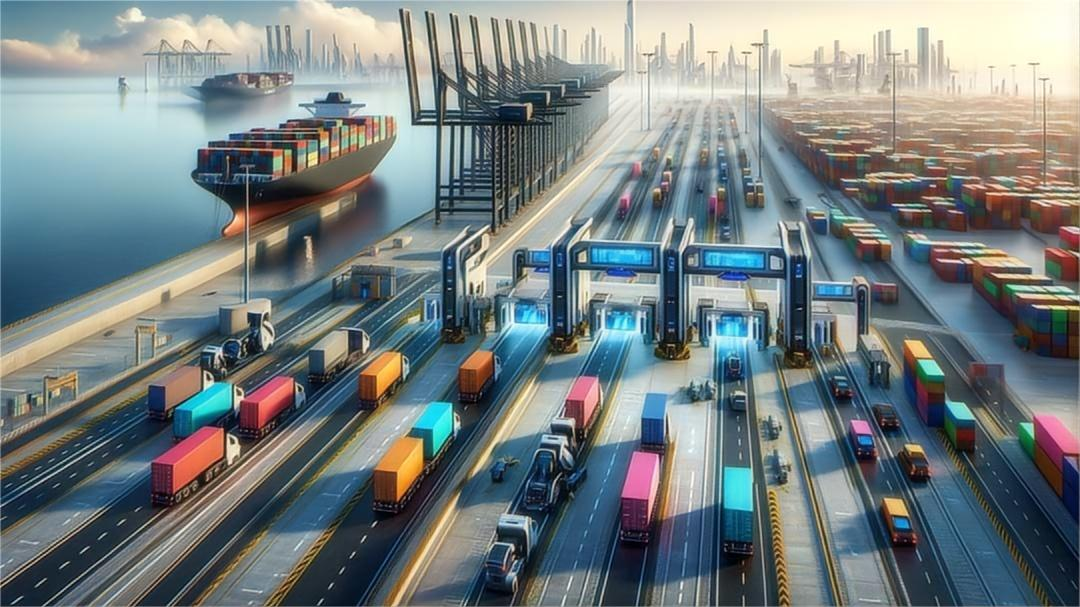
Selecting the ideal shipping method depends heavily on your specific business priorities and the nature of your cargo. If your primary goal is budget optimization, sea freight cargo management should be your first consideration for large volumes.
Speed priority dictates a shift toward air freight, especially for seasonal products or electronic components with short lifecycles. On the other hand, volume thresholds often determine when it is more economical to switch from LCL to FCL shipping.
Cargo type considerations also play a vital role, as hazardous materials or oversized machinery may require specialized ocean equipment like flat racks or open tops. Therefore, we recommend a hybrid approach where urgent stock travels by air while the bulk of inventory moves by sea.
Case Study 1: Electronics Distribution to USA West Coast
Case Study 1: High-Volume Electronics Import. Route: Shenzhen, China to Los Angeles, USA. Cargo: Consumer electronics, 68 CBM, 14,500 kg. Container: 40HQ. Shipping Details: Carrier: Major carrier. Port of Loading: Shenzhen. Port of Discharge: Los Angeles. Route Type: Direct. Cost Breakdown: Ocean Freight: $3,200. Origin Charges: $450. Destination Charges: $600. Customs and Duties: $4,200. Total Landed Cost: $8,450. Timeline: Booking to Loading: 4 days. Sea Transit: 16 days. Customs Clearance: 2 days. Total Door-to-Door: 25 days. Key Insight: Utilizing a direct route saved 5 days of transit time compared to transshipment options, ensuring the product launch stayed on schedule. Based on Q1 2026 market rates.
Case Study 2: Industrial Machinery to Europe
Case Study 2: Heavy Machinery Parts. Route: Shanghai, China to Rotterdam, Netherlands. Cargo: Industrial components, 25 CBM, 8,000 kg. Container: 20GP. Shipping Details: Carrier: COSCO. Port of Loading: Shanghai. Port of Discharge: Rotterdam. Route Type: Direct via Suez Canal. Cost Breakdown: Ocean Freight: $2,400. Origin Charges: $380. Destination Charges: $550. Customs and Duties: $1,800. Total Landed Cost: $5,130. Timeline: Booking to Loading: 6 days. Sea Transit: 32 days. Customs Clearance: 3 days. Total Door-to-Door: 45 days. Key Insight: Early booking during the off-peak season in early 2026 allowed the client to secure a rate 15 percent below the market average. Typical rates as of early 2026.
Cost Optimization Strategies for Sea Freight Cargo Management
Reducing your total landed cost requires a proactive approach to procurement and shipment planning. One effective strategy involves consolidating multiple smaller shipments into a single Full Container Load (FCL) to minimize per-unit transportation expenses.
Negotiating long-term contracts with freight forwarders can provide stability in an environment where spot rates fluctuate wildly. Additionally, optimizing your packaging dimensions ensures you are not paying for empty space within the container.
Monitoring seasonal trends allows businesses to avoid the peak season surcharges that typically hit the market between August and October. Consequently, moving inventory during slack periods can lead to significant annual savings for high-volume importers.
| Route | 20GP Container | 40GP Container | 40HQ Container | Transit Time |
|---|---|---|---|---|
| China to USA West | $1,600 – $2,300 | $2,600 – $3,600 | $2,900 – $3,900 | 14-18 Days |
| China to Europe | $1,900 – $2,600 | $2,900 – $3,900 | $3,100 – $4,300 | 28-35 Days |
| China to Australia | $850 – $1,250 | $1,250 – $1,850 | $1,450 – $2,050 | 12-18 Days |
| China to UK | $2,100 – $2,900 | $3,300 – $4,300 | $3,600 – $4,600 | 30-38 Days |
The Impact of 2026 Logistics Trends on Sea Freight
Industry experts observe that 2026 has brought a renewed focus on sustainability and digital integration within the maritime sector. Carriers are increasingly adopting green fuels to meet stricter environmental regulations, which may influence future fuel surcharges.
Blockchain technology is now being utilized to create transparent and immutable records of cargo movement, reducing the risk of fraud and documentation errors. Moreover, AI-driven predictive analytics help managers avoid congested ports and optimize berthing schedules.
Market data suggests that freight rates from China to Europe have stabilized after the 2025 Red Sea disruptions, though geopolitical monitoring remains essential. Indeed, staying informed about these trends is a vital part of modern sea freight cargo management.
Essential Customs Documentation for Ocean Freight
Navigating the bureaucratic requirements of international trade is often the most challenging aspect of cargo management. Accurate documentation is mandatory to ensure that your goods pass through checkpoints without unnecessary delays or inspections.
Professional customs brokerage services can handle the complexities of tariff classifications and duty calculations on your behalf. For example, a single error on a Bill of Lading can result in weeks of delays at the port of discharge.
Standard requirements include the Commercial Invoice, Packing List, and Certificate of Origin, among others. Furthermore, specific commodities may require additional permits or health certificates depending on the destination country’s regulations.
Specialized Solutions for E-commerce and Amazon Sellers
E-commerce businesses face unique challenges when managing ocean freight, particularly regarding inventory replenishment cycles. Many sellers now utilize Amazon FBA shipping solutions that combine sea freight with domestic trucking for a seamless delivery experience.
Inventory management becomes much simpler when you have a logistics partner who understands the strict labeling and packaging requirements of fulfillment centers. Additionally, door-to-door services eliminate the need for sellers to coordinate multiple third-party providers.
Implementing a robust sea freight cargo management strategy allows e-commerce brands to scale their operations globally without being overwhelmed by logistics. Indeed, the cost savings from ocean transport can be reinvested into marketing and product development.
Mastering Global Trade with Sea Freight Cargo Management
Successful international business requires a deep understanding of sea freight cargo management and the ability to adapt to a changing global landscape. Throughout this guide, we have explored the critical importance of selecting the right shipping methods, managing costs, and staying ahead of industry trends.
Reliable logistics partners provide the expertise needed to navigate complex customs regulations and volatile market rates. By implementing the strategies discussed, you can achieve a more resilient and efficient supply chain that supports long-term growth.
Remember that freight rates are subject to change based on fuel costs, carrier capacity, and seasonal demand. Always seek current quotes tailored to your specific shipment needs to maintain your competitive edge in the global market.
Ready to streamline your logistics?
Optimizing your sea freight cargo management is the most effective way to protect your profit margins and ensure supply chain reliability in 2026. Contact our expert team at Logistics From China today to receive a customized quote and discover how we can streamline your global shipping operations. Visit our website or send an inquiry to get started with a partner you can trust.
Request Quote