


Logisticsfromchina Sea Freight Quote: Professional 2026 Shipping Guide
Navigating the complexities of international trade requires precise data and reliable partners to maintain a competitive edge. At Logistics From China, we specialize in providing transparent solutions that simplify your global supply chain management. Obtaining an accurate logisticsfromchina sea freight quote is the first critical step toward optimizing your landed costs and ensuring timely delivery of goods. This comprehensive guide outlines the current market landscape for 2026 and provides the actionable insights you need to master ocean logistics.

How Does Sea Freight Compare to Other Shipping Options?
Choosing the right transportation mode depends heavily on your specific budget constraints and required delivery timelines. Sea freight remains the backbone of global trade due to its unmatched capacity and cost-efficiency for large volumes. However, businesses must weigh these benefits against the longer transit times compared to faster alternatives.
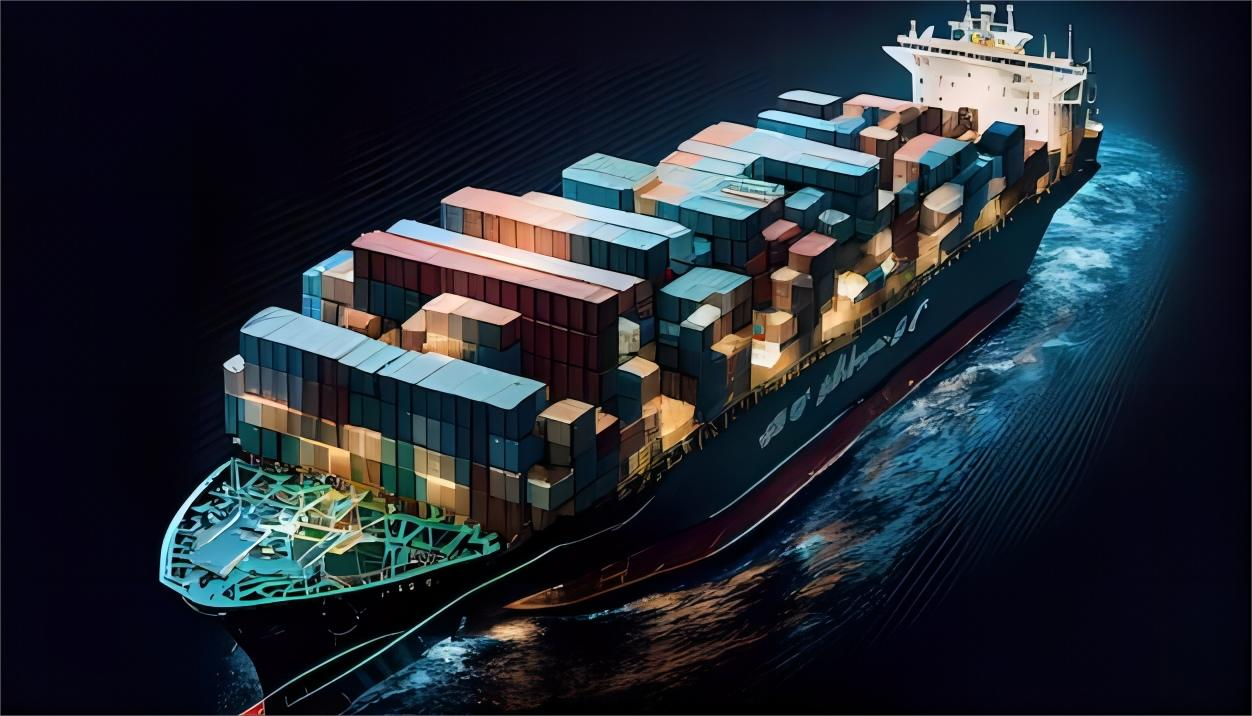
Air freight offers the fastest delivery but comes with a significantly higher price tag that can erode profit margins on low-value goods. Meanwhile, rail freight has emerged as a viable middle ground for shipments moving from China to Europe, offering faster speeds than sea at a lower cost than air. Consequently, selecting the optimal method requires a thorough analysis of your cargo type and urgency.
Market data from early 2026 suggests that sea freight costs have stabilized, making it the preferred choice for over 80 percent of international shipments. For those requiring a balance of speed and cost, rail freight serves as an excellent alternative for transcontinental routes. Understanding these trade-offs ensures you select the service that best aligns with your business objectives.
| Shipping Method | Cost Range (USD) | Transit Time | Best For |
|---|---|---|---|
| Sea Freight (40HQ) | $3,000 – $5,500 | 30-45 Days | Bulk Goods |
| Air Freight (1000kg) | $8,000 – $12,000 | 5-8 Days | Urgent Items |
| Rail Freight (40HQ) | $4,500 – $7,000 | 18-24 Days | Mid-value Cargo |
| Express Service | $15,000+ | 3-5 Days | Samples/Docs |
Which Option Should You Choose?
Determining the best shipping strategy involves evaluating several key performance indicators including volume, weight, and value. If your primary goal is budget optimization, a sea freight solution is almost always the most economical path. This method allows for the transport of massive quantities of goods at a fraction of the cost of air transport.
Speed priority dictates a move toward air freight, especially for high-tech electronics or seasonal fashion items. Furthermore, cargo type considerations play a vital role in the decision-making process. Perishable goods or hazardous materials may require specialized handling that influences both the method and the final quote.
Volume thresholds often determine when it is time to switch from LCL to FCL shipments to maximize efficiency. Once your shipment exceeds 15 cubic meters, booking a full container typically becomes more cost-effective than paying for individual space. Therefore, you should always request multiple scenarios in your logisticsfromchina sea freight quote to see where the price breaks occur.
Understanding Your Logisticsfromchina Sea Freight Quote Components
Every comprehensive quote consists of several distinct charges that contribute to the total landed cost of your products. Ocean freight is the base rate charged by the carrier for transporting the container from the port of loading to the port of discharge. Additionally, you must account for bunker adjustment factors which cover fluctuations in fuel prices during the voyage.
Origin charges include terminal handling, export documentation, and trucking from the factory to the port. These costs are often overlooked by new importers but can significantly impact the final bottom line. Moreover, destination charges such as port dues and unloading fees must be clearly defined in your initial agreement to avoid unexpected expenses.
Customs duties and taxes represent another major component that varies based on the product classification and country of entry. Utilizing a professional customs brokerage service can help you navigate these regulations and potentially identify duty-saving opportunities. In addition, marine insurance is highly recommended to protect your investment against unforeseen transit risks.
| Route (China to) | 20GP Container | 40HQ Container | Transit Time |
|---|---|---|---|
| USA West Coast | $2,200 – $2,800 | $3,500 – $4,200 | 14-18 Days |
| Europe (Base Ports) | $2,500 – $3,200 | $4,000 – $4,800 | 32-38 Days |
| Australia | $1,200 – $1,600 | $1,900 – $2,500 | 15-22 Days |
| United Kingdom | $2,600 – $3,400 | $4,200 – $5,000 | 34-40 Days |
Key Factors Influencing 2026 Sea Freight Rates
Global economic trends and regional stability continue to play a massive role in determining shipping costs throughout 2026. As of early this year, freight rates have remained relatively stable following the major infrastructure improvements at key Chinese ports. However, seasonal demand spikes during the peak shipping season from August to October can still cause rates to climb by 20 percent or more.
Fuel cost volatility remains a constant concern for carriers and shippers alike as new environmental regulations take effect. Carriers often pass these increased operational costs down to consumers through fuel surcharges. Consequently, businesses that plan their shipments well in advance are better positioned to lock in more favorable rates.
Port congestion and equipment availability also influence the final logisticsfromchina sea freight quote you receive from your forwarder. When empty containers are scarce in major hubs like Ningbo or Shanghai, prices inevitably rise due to supply and demand imbalances. Therefore, maintaining flexibility in your shipping schedule can lead to significant cost savings over the long term.
FCL vs. LCL: Which Is Right for Your Business?
Full Container Load (FCL) shipping involves renting an entire 20-foot or 40-foot container for your exclusive use. This method is generally faster and safer as the goods are not handled by third parties between the origin and destination. Furthermore, FCL is the most cost-effective option for large shipments that can fill at least 70 percent of the container volume.
Less than Container Load (LCL) allows multiple shippers to share space within a single container, making it ideal for smaller volumes. While LCL offers a lower entry cost for small businesses, it often involves higher per-unit shipping rates and longer transit times due to the consolidation process. In addition, there is a slightly higher risk of damage because goods from different shippers are packed together.
Businesses selling through online platforms often find that Amazon FBA shipping services work best with a mix of both methods. For example, you might use FCL for your main inventory replenishment and LCL for smaller, supplemental shipments. Undoubtedly, analyzing your monthly sales volume will help you decide which approach maximizes your profitability.

Real-World Case Studies: 2026 Shipping Success
Case Study 1: Electronics Distribution to USA. Route: Shenzhen, China to Long Beach, USA. Cargo: Consumer Electronics, 65 CBM, 12,000 kg. Container: 40HQ. Shipping Details: Direct service via major carrier. Cost Breakdown: Ocean Freight $3,800, Origin Charges $450, Destination Charges $600, Total Landed Cost $4,850. Timeline: 4 days booking, 16 days transit, 3 days clearance, 23 days total. Key Insight: Booking 3 weeks in advance secured a rate 15 percent below the spot market average.
Case Study 2: Home Furniture to Europe. Route: Ningbo, China to Rotterdam, Netherlands. Cargo: Wooden Furniture, 12 CBM, 4,500 kg. Container: LCL. Shipping Details: Transshipment via Singapore. Cost Breakdown: Ocean Freight $1,100, Origin Charges $300, Destination Charges $400, Total Landed Cost $1,800. Timeline: 5 days booking, 36 days transit, 4 days clearance, 45 days total. Key Insight: Utilizing a door to door service simplified the complex European inland haulage process.
Case Study 3: Seasonal Apparel to Australia. Route: Shanghai, China to Sydney, Australia. Cargo: Garments, 28 CBM, 8,000 kg. Container: 20GP. Shipping Details: Direct route. Cost Breakdown: Ocean Freight $1,450, Origin Charges $350, Destination Charges $500, Total Landed Cost $2,300. Timeline: 3 days booking, 18 days transit, 2 days clearance, 23 days total. Key Insight: Early clearance documentation prevented costly demurrage charges during a busy port period.
How to Request an Accurate Sea Freight Quote
Providing detailed information is the most effective way to ensure the quote you receive is both accurate and binding. You should always include the exact weight, dimensions, and nature of the goods to avoid surprise re-measurements at the warehouse. Additionally, specifying the Incoterms, such as FOB or EXW, is essential for defining who is responsible for each portion of the shipping cost.
Mentioning the specific pick-up and delivery addresses allows the forwarder to calculate precise trucking costs for the inland portions of the journey. If you require specialized services like lift-gate delivery or residential access, these should be noted upfront. Consequently, a detailed request leads to a more realistic logisticsfromchina sea freight quote that reflects the true cost of your logistics operation.
Forwarders appreciate knowing your preferred timeline so they can offer various service levels ranging from economy to premium. For instance, some carriers offer guaranteed space and faster transit for a higher fee, which might be necessary for time-sensitive cargo. Always ask for a breakdown of all surcharges to ensure you are comparing quotes on an apples-to-apples basis.
Mastering Your Ocean Freight Strategy
Successfully managing international logistics requires a deep understanding of market trends, cost structures, and the various shipping methods available. By carefully evaluating the components of your logisticsfromchina sea freight quote, you can identify areas for cost reduction and efficiency gains. Whether you choose FCL for its security or LCL for its flexibility, the key is proactive planning and clear communication with your logistics partner.
As we move through 2026, staying informed about port conditions and fuel surcharges will remain vital for maintaining a healthy bottom line. We encourage you to use the data and case studies provided in this guide to make informed decisions for your next shipment. Remember that the cheapest quote is not always the best value if it results in delays or poor service quality.

Ready to streamline your logistics?
Ready to streamline your 2026 supply chain? Contact our expert team today to receive a customized logisticsfromchina sea freight quote tailored to your specific business needs. Visit our inquiry page to get started. Send Inquiry: Visit https://logisticsfromchina.com/contact/
Request Quote