
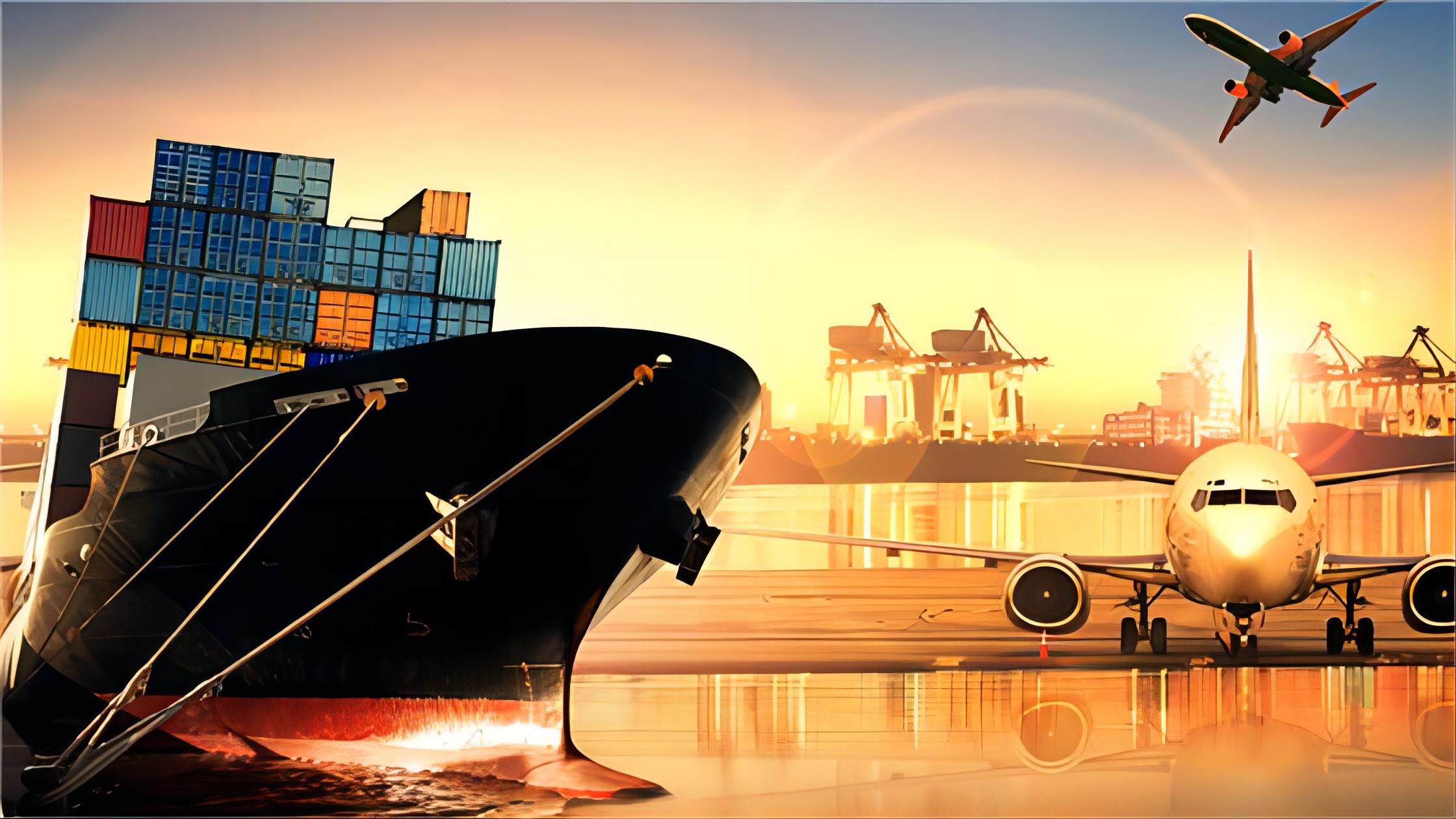
Amazon FBA Shipping China to USA: The 2026 Complete Logistics Guide
Successfully managing Logistics From China is the primary challenge for modern e-commerce entrepreneurs. Navigating the complex landscape of amazon fba shipping china to usa requires a deep understanding of global trade dynamics and carrier networks. Consequently, this guide provides the essential data and strategies you need to streamline your 2026 supply chain operations effectively.
Understanding the Landscape of Amazon FBA Shipping China to USA in 2026
The logistics industry has undergone significant transformations over the past few years, leading to more specialized services for Amazon sellers. Furthermore, the demand for reliable amazon fba shipping china to usa continues to grow as consumer expectations for fast delivery increase. Therefore, sellers must adapt to these changes by selecting the most efficient transit methods available in the current market.
Market conditions in early 2026 suggest that while capacity has stabilized, fuel costs remain a volatile factor in pricing. Moreover, port infrastructure improvements in the United States have helped reduce some of the historical congestion issues. Consequently, sellers can now expect more predictable delivery schedules compared to previous years.
Choosing a professional freight forwarder is no longer just an option but a necessity for scaling your business. In addition, these experts handle the intricate details of international logistics so you can focus on marketing and sales. Ultimately, a well-managed shipping strategy directly impacts your profit margins and customer satisfaction ratings.
What Are the Primary Shipping Methods for FBA Sellers?
Sellers typically choose between three main transportation modes depending on their budget and urgency. For instance, sea freight remains the most popular choice for high-volume shipments due to its cost-effectiveness. On the other hand, Air Freight is essential for restocking inventory quickly during peak shopping seasons.
Express services provide the fastest door-to-door delivery but come at a significant premium. Meanwhile, many sellers are exploring hybrid solutions like sea-air combinations to balance cost and speed. Accordingly, your choice should align with your specific inventory turnover rates and capital availability.
Each method has distinct advantages that cater to different product categories and business stages. Furthermore, understanding the nuances of FCL and LCL shipping can help you optimize your logistics spend. Specifically, full container loads offer better security and lower per-unit costs for large quantities.
How Does Sea Freight Compare to Other Shipping Options?
Analyzing the trade-offs between different shipping modes is crucial for maintaining a competitive edge. While sea freight is significantly cheaper, it requires much longer lead times which can tie up your working capital. Conversely, air freight offers rapid replenishment but can quickly erode the margins of low-cost items.
For shipments under 15 CBM, LCL is often more economical than paying for a half-empty 20GP container. However, LCL shipments often face longer processing times at the port due to the consolidation and deconsolidation process. Therefore, planning your production cycles around these transit times is vital for avoiding stockouts.
In contrast to standard sea freight, premium ocean services now offer guaranteed transit times that rival some air freight options. These services are particularly useful for high-demand products that do not justify the expense of a plane. Consequently, many savvy sellers utilize these expedited sea routes to maintain a healthy supply chain.
| Sea Freight (FCL) | $150 – $250 per CBM | 18 – 35 Days | High volume, low urgency |
| Air Freight | $4.50 – $7.00 per kg | 5 – 10 Days | High value, urgent restock |
| Express Shipping | $7.00 – $12.00 per kg | 3 – 5 Days | Samples, small batches |
| Sea-Air Hybrid | $2.50 – $4.00 per kg | 12 – 18 Days | Mid-range budget and speed |

Calculating Your Amazon FBA Shipping Costs in 2026
Estimating the total landed cost of your products is essential for accurate pricing on the Amazon marketplace. Indeed, amazon fba shipping costs from china include more than just the base freight rate from the carrier. You must also account for origin charges, destination fees, and any applicable import duties.
According to industry benchmarks for 2026, freight rates have stabilized but remain higher than pre-2020 levels. Moreover, seasonal surcharges during the Q4 peak season can increase your costs by 20 percent or more. Therefore, booking your shipments well in advance can help you secure better rates and guaranteed space.
Documentation fees and terminal handling charges are often overlooked by new sellers but can add hundreds of dollars to a shipment. Additionally, insurance is a critical expense that protects your investment against unforeseen maritime accidents. Without a doubt, a detailed cost breakdown is necessary for every shipment you organize.
| 20GP Container | $1,800 – $2,400 | $2,800 – $3,600 | 15 – 32 Days |
| 40GP Container | $2,600 – $3,400 | $4,200 – $5,400 | 18 – 35 Days |
| 40HQ Container | $2,900 – $3,800 | $4,600 – $5,900 | 18 – 35 Days |
Navigating Customs and Documentation Requirements
Clearing customs is often the most stressful part of the amazon fba shipping china to usa process. Utilizing a professional customs brokerage service ensures that all your paperwork complies with current US Customs and Border Protection regulations. Furthermore, incorrect documentation can lead to expensive delays or even the seizure of your inventory.
The primary documents required include the commercial invoice, packing list, and the bill of lading. In addition, you must provide an ISF filing at least 24 hours before the ship leaves the port in China. Failure to file the ISF on time results in significant fines that can exceed the value of the shipment itself.
Understanding HTS codes is another critical aspect of managing import duties for fba products. These codes determine the percentage of duty you will pay based on the material and function of your goods. Consequently, misclassifying your products can lead to audits and retroactive tax payments that hurt your bottom line.
Which Option Should You Choose for Your FBA Business?
Deciding on the best logistics strategy depends on your current business goals and inventory levels. For example, if you are launching a new product, using door to door shipping via air can help you test the market quickly. Meanwhile, established brands with high-volume sales should prioritize FCL sea freight to maximize their margins.
Budget priority leads most sellers toward sea freight, despite the longer transit times. However, speed priority is non-negotiable when you are facing a potential stockout on a top-selling item. In such cases, the higher cost of air freight is justified by the revenue saved from staying in stock.
Volume thresholds also play a major role in your decision-making process. Generally, once your shipment exceeds 15 CBM, switching from LCL to a 20GP container becomes more cost-effective. Significantly, this transition marks a major milestone in the scaling of an e-commerce business.
Real-World Case Studies: Verifiable FBA Shipping Data
Reviewing actual shipping scenarios can provide valuable context for your own logistics planning. These examples reflect the current market conditions and typical challenges faced by sellers in 2026. Note: Freight rates are subject to change based on fuel costs, carrier capacity, and seasonal demand. Contact us for a current quote tailored to your specific shipment.
Case Study 1: Shenzhen to Los Angeles. Cargo: Smartphone cases, 15 CBM, 4500 kg. Container: LCL 15 CBM. Shipping Details: Major carrier, Shenzhen Port, LA Port, Direct. Cost Breakdown: Ocean Freight $1,200, Origin Charges $450, Destination Charges $600, Customs and Duties $800, Total Landed Cost $3,050. Timeline: 22 days door-to-door. Key Insight: Choosing LCL saved the seller from paying for unused container space.
Case Study 2: Shanghai to New York. Cargo: Fitness Equipment, 65 CBM, 12000 kg. Container: 40HQ. Shipping Details: Maersk, Shanghai Port, NY Port, Direct. Cost Breakdown: Ocean Freight $5,200, Origin Charges $600, Destination Charges $900, Customs and Duties $2,500, Total Landed Cost $9,200. Timeline: 41 days door-to-door. Key Insight: Shipping to the East Coast was more expensive but necessary to reach the seller’s primary customer base efficiently.
Case Study 3: Ningbo to Dallas (via Houston). Cargo: Kitchenware, 2 CBM, 400 kg. Shipping Method: Air Freight. Shipping Details: Major airline, Ningbo Airport, Houston Airport. Cost Breakdown: Air Freight $2,400, Origin Charges $200, Destination Charges $300, Customs and Duties $600, Total Landed Cost $3,500. Timeline: 9 days door-to-door. Key Insight: Air freight was used for an urgent restock during the summer peak season.
Strategies to Reduce Your Landed Cost in 2026
Reducing your overhead is essential for maintaining profitability in the competitive Amazon environment. One effective strategy is consolidating shipments from multiple suppliers into a single container. Consequently, you can reduce the per-unit origin and destination charges significantly.
Optimizing your product packaging can also lead to substantial savings, especially for air freight where dimensional weight is used for billing. Furthermore, smaller boxes allow you to fit more units into a single container, lowering your sea freight costs per item. Therefore, you should work closely with your manufacturer to minimize wasted space.
Negotiating better terms with your freight forwarder is another way to lower your amazon fba shipping costs from china. Long-term partnerships often lead to more favorable rates and priority space during the busy season. Indeed, loyalty in the logistics industry can provide a significant advantage when carrier capacity is tight.
The Importance of Working with a Reliable Freight Forwarder
A dedicated logistics partner acts as an extension of your business, managing the complexities of global trade on your behalf. Moreover, they provide real-time tracking and updates so you always know the status of your inventory. This transparency is vital for effective inventory management and marketing planning.
Experienced forwarders also have established relationships with major carriers and customs officials. This network allows them to resolve issues quickly, such as port delays or documentation discrepancies. Consequently, you can avoid the costly mistakes that often plague inexperienced importers.
Finally, a good forwarder will offer tailored advice based on your specific business needs and growth stage. Whether you need a simple Amazon FBA delivery or a complex multi-modal solution, their expertise is invaluable. Ultimately, investing in quality logistics support is an investment in the long-term success of your brand.
Final Thoughts on FBA Logistics
Mastering amazon fba shipping china to usa is a continuous process of learning and adaptation. By staying informed about market trends and choosing the right shipping methods, you can significantly improve your business efficiency. Furthermore, the combination of strategic planning and professional logistics support creates a resilient supply chain that can withstand global disruptions.
Remember that the cheapest option is not always the best one if it leads to stockouts or customer dissatisfaction. Balance your costs against the need for reliability and speed to find the perfect logistics mix for your brand. With the right approach, your 2026 shipping operations will become a powerful driver of your Amazon success.
Ready to streamline your logistics?
Are you ready to optimize your supply chain and reduce your logistics expenses? Our team of experts is here to help you navigate the complexities of amazon fba shipping china to usa with ease. Visit our website to request a personalized quote today and see how we can streamline your business growth. Send Inquiry: https://logisticsfromchina.com/contact-us/

Frequently Asked Questions
What is the cheapest way to ship from China to Amazon FBA?
Sea freight is generally the most economical method, especially for large volumes. Using LCL for smaller loads or FCL for full containers helps minimize per-unit costs for sellers.
How long does shipping from China to USA take for FBA?
Transit times vary by method. Air freight takes 5 to 10 days, while sea freight to the West Coast takes 18 to 25 days and to the East Coast takes 30 to 40 days.
Does Amazon handle customs clearance for FBA shipments?
No, Amazon does not act as the importer of record. Sellers must arrange their own customs clearance using a professional broker to ensure compliance with US regulations.
What is DDP shipping for Amazon FBA?
Delivered Duty Paid (DDP) means the seller or forwarder handles all costs, including shipping, duties, and taxes, delivering the goods directly to the FBA warehouse.
Are there specific labeling requirements for FBA shipments?
Yes, every carton must have an FBA shipment label and every individual product must have an FNSKU or UPC barcode. Failure to comply can result in warehouse rejection.
Can I ship electronics from China to USA for FBA?
Yes, but electronics often require additional documentation such as FCC certification. Ensure your forwarder is experienced in handling specialized product categories.
What are the 2026 sea freight rates for FBA?
Rates currently range from $1,800 to $3,800 for 20GP containers depending on the destination port. Prices fluctuate based on seasonal demand and fuel surcharges.
How can I avoid delays in my FBA shipping?
Book your shipments at least two weeks in advance and ensure all documentation is accurate. Using a reliable forwarder helps navigate potential port congestion or customs issues.