

Import Customs Clearance USA: 2026 Guide to Compliance and Efficiency
Navigating the complexities of import customs clearance USA requires a precise understanding of evolving federal regulations and logistics trends. As we move into 2026, businesses must adapt to new digital filing requirements and stricter enforcement of trade compliance standards. Successful importers partner with experts like Logistics From China to ensure their cargo moves across borders without costly delays or legal penalties. This comprehensive guide provides the essential knowledge needed to streamline your supply chain and manage US Customs and Border Protection (CBP) requirements effectively.
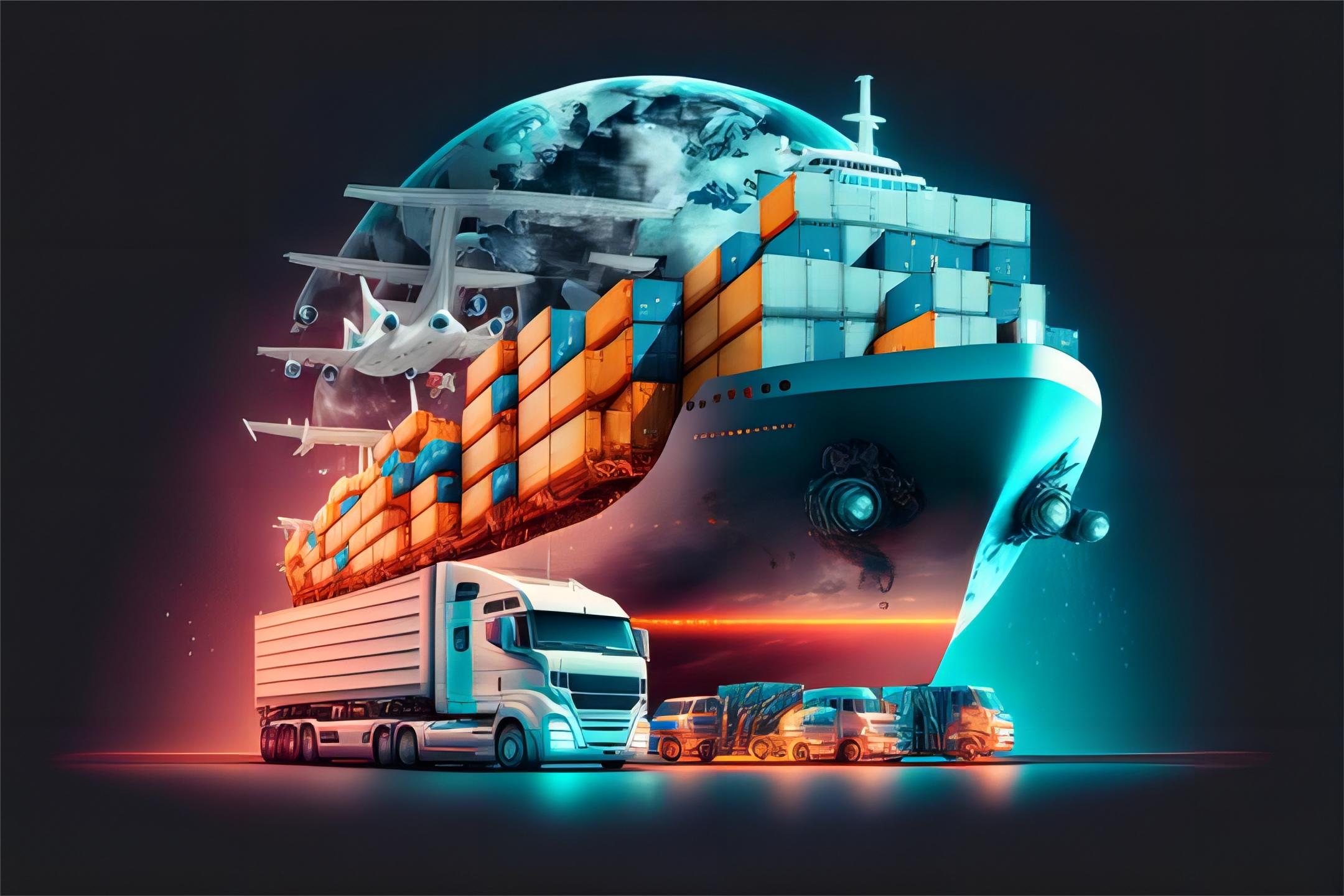
Understanding the Import Customs Clearance USA Process in 2026
The process of import customs clearance USA involves the formal declaration of goods to federal authorities upon arrival at a port of entry. CBP officers verify that all imported items comply with safety, intellectual property, and trade laws. Furthermore, the agency uses automated systems to assess risks and determine which shipments require physical inspections.
Importers must act as the Importer of Record (IOR) to take legal responsibility for the accuracy of the documentation. Consequently, you must ensure that every detail regarding the value, origin, and classification of the goods is correct. Failure to comply can lead to significant fines or the seizure of your inventory.
Technology plays a vital role in modern logistics, with the Automated Commercial Environment (ACE) serving as the primary portal for all trade data. Most businesses importing to North America now utilize digital interfaces to speed up the submission of entry summaries. This shift toward digitalization has reduced transit times for compliant shippers significantly.
Preparation remains the most critical factor for success in the current market environment. Therefore, understanding the timeline of filing is essential for maintaining a consistent delivery schedule. You should begin the clearance process well before the vessel arrives at the destination port to avoid storage fees.
Essential Documentation for US Customs Compliance
Accurate documentation serves as the foundation for smooth import customs clearance USA operations. Every shipment must include a commercial invoice that clearly states the purchase price and country of origin. Additionally, a detailed packing list must accompany the invoice to describe the contents of each container accurately.
The Bill of Lading (BOL) acts as both a receipt for the goods and a contract of carriage between the shipper and the carrier. For ocean shipments, the Importer Security Filing (ISF), also known as 10 plus 2, must be submitted 24 hours before loading at the origin port. Specifically, missing the ISF deadline often results in a 5,000 dollar penalty from CBP.
Customs bonds are another mandatory requirement for formal entries valued over 2,500 dollars. These bonds guarantee that the government will receive all duties and taxes even if the importer defaults. You can choose between a single entry bond or a continuous bond depending on your annual shipping volume.
Moreover, specialized products may require additional certificates from other government agencies like the FDA or EPA. For example, electronic goods must comply with FCC regulations, while agricultural products need USDA clearance. Keeping a digital archive of these documents ensures you are always prepared for a potential audit.
| Document Name | Required By | Submission Timeline | Primary Purpose |
|---|---|---|---|
| Commercial Invoice | CBP / Broker | Before Departure | Value & Origin Proof |
| ISF (10+2) | CBP | 24hrs Before Loading | Security Screening |
| Bill of Lading | Carrier / CBP | At Arrival | Title & Contract |
| Customs Bond | CBP | Before Entry | Payment Guarantee |
How Does Sea Freight Compare to Other Shipping Options?
Choosing the right transportation mode is a strategic decision that affects both your budget and your import customs clearance USA strategy. While sea freight remains the most cost-effective choice for large volumes, it requires longer lead times. Businesses must balance the low cost of ocean transport against the potential for market fluctuations during transit.
In contrast, air transport offers unparalleled speed for urgent or high-value shipments. However, the cost per kilogram is significantly higher than maritime options. Therefore, air freight is typically reserved for electronics, fashion samples, or medical supplies that require immediate delivery.
Hybrid solutions like sea-air combinations are gaining popularity in early 2026 as a middle-ground alternative. These routes involve shipping cargo via ocean to a hub and then flying it to the final destination. Such strategies can save 30 percent in costs compared to pure air freight while being twice as fast as sea freight.
Regardless of the method, the clearance process remains largely standardized across all ports of entry. Nevertheless, the speed of processing at major hubs like Los Angeles or New York can vary based on local labor conditions and congestion. Shippers should monitor regional trends to choose the most efficient gateway for their cargo.
| Shipping Method | Cost Range (USD) | Transit Time | Best For |
|---|---|---|---|
| Sea Freight (FCL) | 2,500 – 4,500 | 18 – 35 Days | Bulk & Heavy Goods |
| Air Freight | 5.00 – 12.00/kg | 3 – 7 Days | Urgent & High Value |
| Express Service | 8.00 – 15.00/kg | 2 – 5 Days | E-commerce & Small Parcels |
| Sea-Air Hybrid | 3.50 – 6.00/kg | 12 – 18 Days | Balanced Budget/Speed |
The Role of Professional Customs Brokerage in 2026
Engaging a licensed customs brokerage service is often the most effective way to manage complex import regulations. Brokers act as intermediaries between the importer and CBP, ensuring that all filings are accurate and timely. They possess the expertise to classify goods under the correct Harmonized Tariff Schedule (HTS) codes.
Incorrect classification is a leading cause of duty overpayment or legal disputes. Consequently, professional brokers use advanced software to verify HTS codes and identify potential duty-saving opportunities. They also handle the payment of duties and taxes on behalf of the importer to streamline the financial workflow.
Furthermore, brokers provide valuable advice on trade agreements and duty drawback programs. For instance, if your goods qualify for specific trade preferences, a broker can help you claim those benefits to reduce your landed cost. Their knowledge of local port procedures also helps in resolving issues during physical inspections.
As trade laws become more intricate in 2026, the value of expert guidance continues to grow. Therefore, outsourcing this function allows you to focus on your core business operations while maintaining full compliance. A reliable partner ensures that your import customs clearance USA experience is predictable and stress-free.
Which Option Should You Choose?
Selecting the ideal logistics strategy depends on your specific business priorities and the nature of your cargo. If your primary goal is minimizing expenses, sea freight for full container loads (FCL) is almost always the best path. This method offers the lowest cost per unit for high-volume traders who can plan their inventory months in advance.
On the other hand, if speed is your top priority, you should consider air freight to meet tight deadlines. This is especially true for seasonal products or product launches where being first to market is critical. The higher transport cost is often offset by the increased sales volume and reduced inventory holding costs.
For small to medium businesses, Amazon FBA specialized shipping services provide a streamlined route to the US market. These services often include integrated customs clearance and final-mile delivery to fulfillment centers. This end-to-end approach simplifies the logistics chain for e-commerce entrepreneurs.
Ultimately, many successful companies utilize a multi-modal approach to balance risk and reward. Specifically, they might ship 80 percent of their stock via sea and keep 20 percent in an air freight pipeline for emergencies. This flexibility ensures that the supply chain remains resilient even during global disruptions.
Realistic Case Studies for 2026 Import Scenarios
Case Study 1: Electronics from Shenzhen to Los Angeles. A tech company imported 25 CBM of consumer electronics using a 40HQ container via a major carrier. The ocean freight cost was 3,200 dollars, with origin and destination charges totaling 1,100 dollars. Customs clearance was completed in 2 days, resulting in a total door-to-door timeline of 22 days. This success was attributed to proactive ISF filing and accurate HTS classification.
Case Study 2: Textiles from Ningbo to New York. A fashion retailer used LCL (Less than Container Load) for 12 CBM of garments. The total landed cost reached 5,800 dollars, including 2,400 dollars in duties. Despite a 3-day delay due to a random CBP inspection, the shipment arrived in 34 days. The key insight was the importance of having a continuous customs bond to avoid individual entry filing delays.
Case Study 3: Urgent Spare Parts from Shanghai to Chicago. An industrial manufacturer utilized air freight for 450 kg of critical machinery parts. The shipping cost was 4,200 dollars, but the cargo cleared customs within 12 hours of arrival. Total transit time from the factory to the warehouse was only 5 days. This high-cost option prevented a production line shutdown that would have cost the company thousands per hour.
Note: Freight rates are subject to change based on fuel costs, carrier capacity, and seasonal demand. Contact us for a current quote tailored to your specific shipment.

Best Practices to Avoid Delays and Penalties
Avoiding delays in the import customs clearance USA process starts with meticulous data entry and verification. You should always cross-check your commercial invoice against the physical packing list before the goods leave the factory. Even a small discrepancy in weight or quantity can trigger a red flag in the CBP system.
Implementing a door to door service can also reduce the risk of communication gaps between different logistics providers. When one company handles the entire journey, the documentation flow is usually much more consistent. This integration minimizes the chances of cargo sitting at the port while paperwork is shuffled between agents.
Additionally, staying informed about the latest trade trends and tariff updates is essential for long-term planning. For example, changes in Section 301 tariffs can significantly impact the profitability of goods imported from China. Subscribing to industry newsletters or consulting with your broker regularly can help you anticipate these shifts.
Finally, always maintain a transparent relationship with CBP and other regulatory bodies. If an error is discovered after filing, it is better to disclose it voluntarily rather than waiting for an audit. Most authorities appreciate honesty and are more likely to mitigate penalties for companies with a strong history of compliance.
Summary of US Import Success
Mastering import customs clearance USA is a continuous process of education and adaptation to new market realities. By prioritizing accurate documentation, choosing the right shipping methods, and leveraging expert brokerage services, you can significantly reduce your logistics risks. Furthermore, staying proactive with digital filings and compliance checks will ensure your business remains competitive in the global marketplace.
To summarize, success in 2026 requires a blend of technological adoption and strategic partnerships. Whether you are a small e-commerce seller or a large industrial importer, the principles of transparency and preparation remain the same. Start planning your next shipment today with a focus on efficiency and compliance to achieve long-term growth.

Need a tailored shipping solution?
Streamline your supply chain and master import customs clearance USA with our expert logistics solutions. Our team provides end-to-end support to ensure your cargo arrives safely and on time. Contact us today to request a personalized quote and discover how we can optimize your shipping strategy for 2026. Send Inquiry: logisticsfromchina.com
Frequently Asked Questions
What is the most common reason for customs delays?
Inaccurate documentation or missing information on the commercial invoice is the primary cause. Ensure HTS codes and values are verified before shipping.
Do I need a customs bond for every shipment?
Formal entries valued over 2,500 dollars require a bond. Frequent importers should use a continuous bond for better cost efficiency.
How long does the clearance process usually take?
Most shipments clear within 24 to 48 hours if documentation is correct. However, physical inspections can add several days to the timeline.
Can I clear customs myself without a broker?
While individuals can clear personal items, businesses usually require a licensed broker for commercial entries to ensure legal compliance.
What is the ISF 10 plus 2 filing?
It is a mandatory filing for ocean cargo that must be submitted to CBP 24 hours before the ship leaves the origin port.
How are import duties calculated in the USA?
Duties are based on the HTS code classification, the total value of the goods, and the country of origin.
What happens if my goods are seized by CBP?
You will receive a formal notice and have the opportunity to petition for their release, though this often involves legal fees and fines.
Are there special rules for e-commerce imports?
Section 321 allows for duty-free entry of shipments valued under 800 dollars, but strict data filing requirements still apply.