
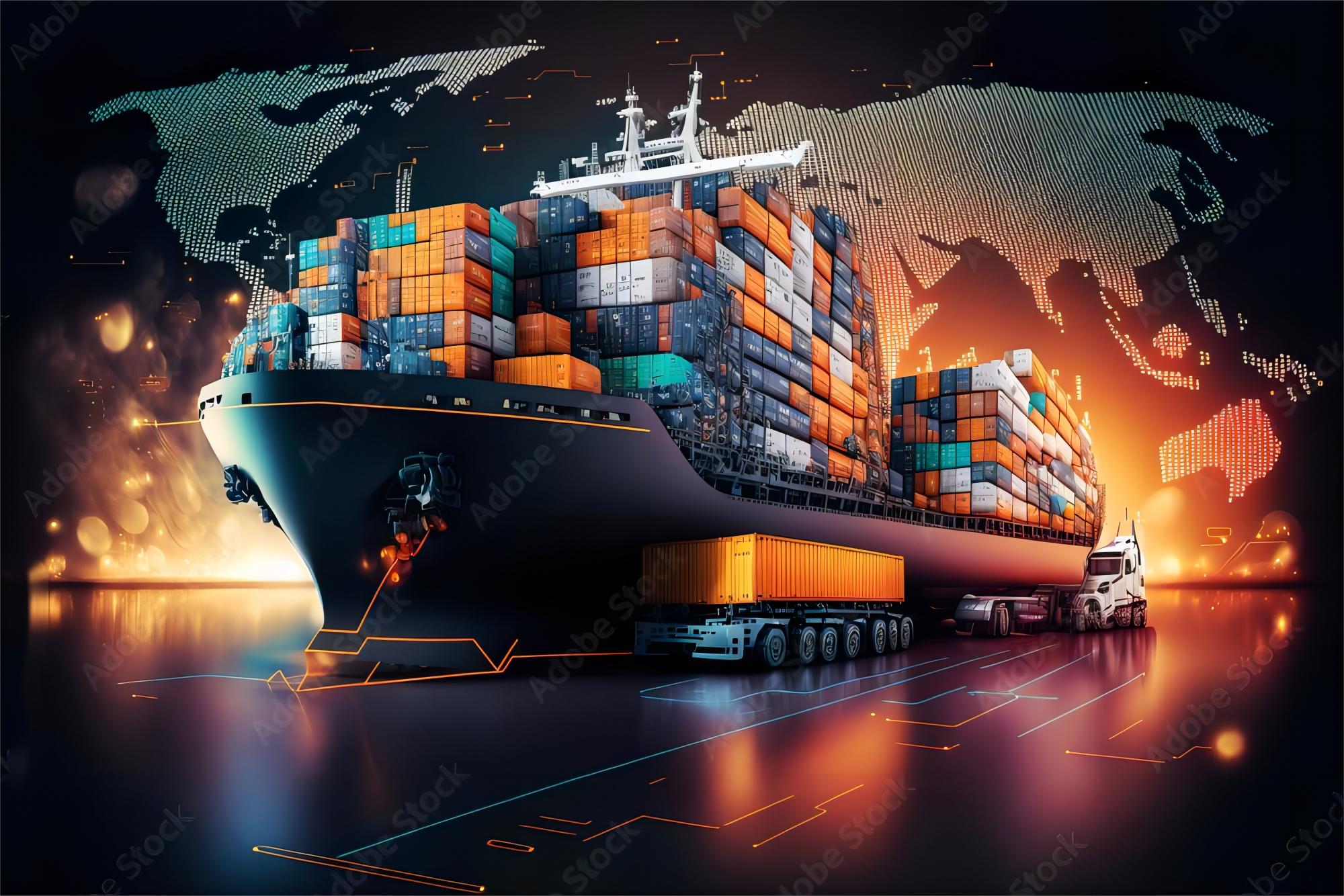
China Warehouse Fulfillment: The Ultimate Guide for 2026 Global E-commerce
Optimizing your supply chain requires a strategic approach to inventory management and global distribution. Many businesses now turn to Logistics From China to streamline their operations directly from the manufacturing source. By utilizing professional china warehouse fulfillment, companies can significantly reduce overhead costs while improving delivery speed to international customers.

What Is China Warehouse Fulfillment and Why Does It Matter?
China warehouse fulfillment is a logistics strategy where products are stored, processed, and shipped directly from facilities located within China. This model allows businesses to manage their inventory closer to the point of production, which minimizes domestic transport hurdles. Furthermore, it provides a centralized hub for consolidating goods from multiple suppliers before they reach the final consumer.
Consequently, businesses can leverage lower labor costs and high-tech infrastructure available in major Chinese logistics hubs. In 2026, these facilities have integrated advanced robotics and AI-driven inventory tracking to ensure 99.9 percent accuracy in order processing. Meanwhile, the ability to perform quality inspections before international shipping prevents costly returns and protects brand reputation.
Additionally, this fulfillment method bypasses the need for expensive domestic warehousing in destination countries like the US or UK. Therefore, small to medium-sized enterprises can compete with larger corporations by maintaining leaner operations. Indeed, the shift toward direct-from-origin shipping is a defining trend in modern global commerce.
Key Benefits of Using a China-Based Fulfillment Center
One of the primary advantages of this model is the drastic reduction in total landed costs. By shipping orders directly to customers, you eliminate the double-handling fees associated with traditional import-export models. Moreover, you can take advantage of tax-free zones and bonded warehouses to defer duties until the product actually leaves the country.
Speed to market is another critical factor that makes this approach highly effective. When you store goods near your manufacturers, you can restock your inventory in hours rather than weeks. As a result, you are better equipped to handle sudden spikes in demand during peak seasons or viral marketing campaigns.
Furthermore, many centers offer value-added services such as custom packaging, kitting, and labeling. This allows you to personalize the customer experience without needing a physical presence in China. Consequently, your brand can maintain a high level of professionalism while operating remotely from anywhere in the world.
How Does China Warehouse Fulfillment Compare to Other Shipping Options?
Choosing the right logistics strategy requires a careful analysis of cost, speed, and volume. While local fulfillment in the destination country offers the fastest local delivery, it often comes with significantly higher storage and labor fees. In contrast, fulfilling orders from China balances cost-efficiency with sophisticated global reach.
However, the best choice often depends on your specific product type and target market. For instance, high-value electronics may benefit from the security of a China-based hub, whereas bulky furniture might require local storage. Therefore, understanding the trade-offs between different shipping methods is essential for long-term profitability.
To help you decide, we have compiled a comparison of the most common shipping strategies used in 2026. This data reflects current market trends and average pricing for international logistics.
| Shipping Method | Cost Range | Transit Time | Best For | Limitations |
|---|---|---|---|---|
| Express Service | $5 – $12 per kg | 3-5 Days | Small, high-value items | Very high cost for bulk |
| Air Freight | $3 – $7 per kg | 7-12 Days | Urgent inventory restocks | Subject to fuel surcharges |
| Sea Freight | $1,500 – $4,500 per container | 25-40 Days | Large volume, heavy goods | Slowest transit time |
| Rail Freight | $2,000 – $5,000 per container | 15-22 Days | Europe-bound shipments | Limited to land routes |
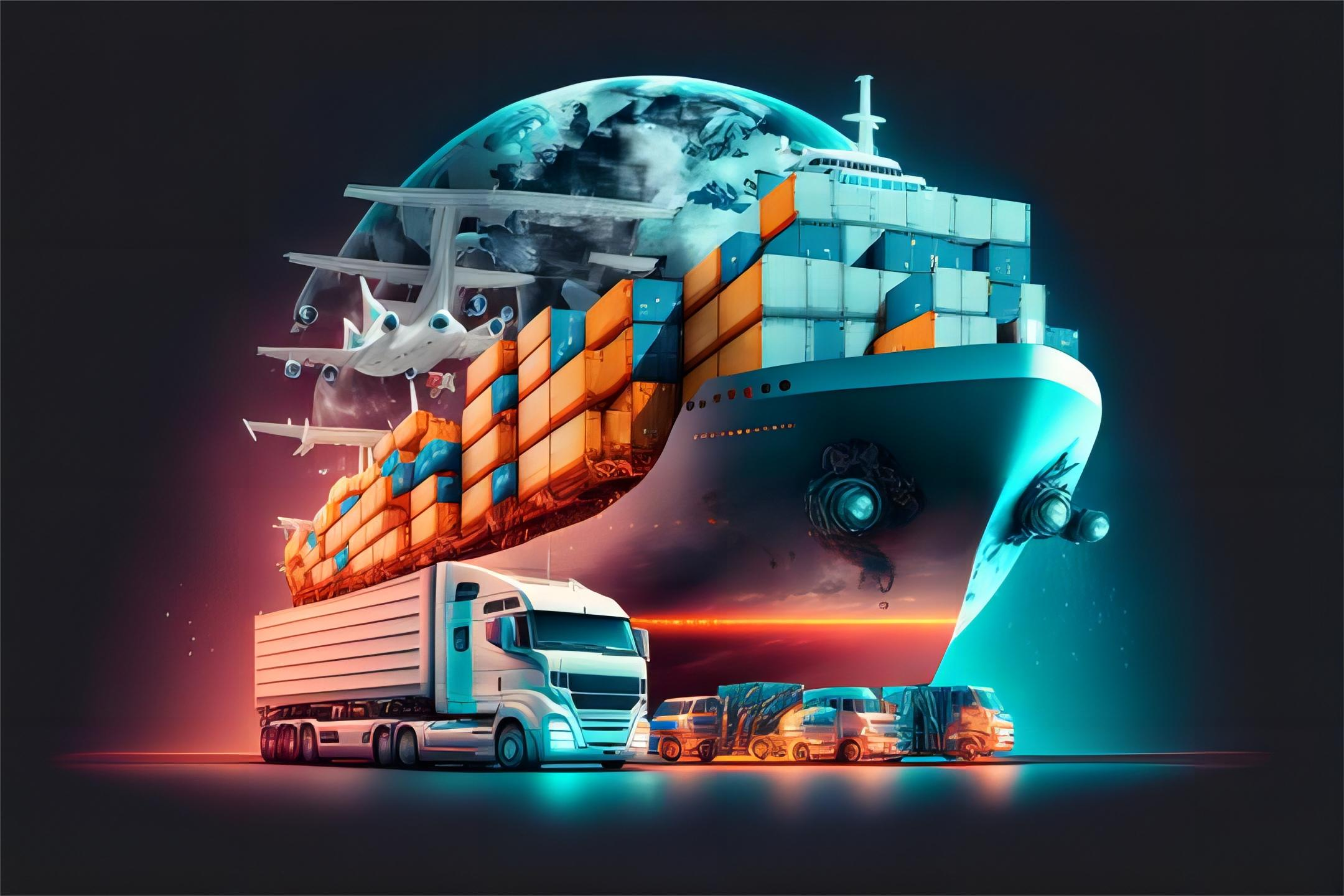
Optimizing Your Strategy with Sea Freight and Air Freight
When managing large-scale inventory, many businesses rely on sea freight to keep costs manageable. This method remains the backbone of global trade, especially for non-urgent goods and heavy commodities. Nevertheless, it requires careful planning to account for longer lead times and potential port congestion.
On the other hand, if you need to move inventory quickly to meet a deadline, air freight is the most reliable option. While the cost is higher, the reduced transit time can prevent lost sales during critical periods. Consequently, many successful brands use a hybrid approach, split-shipping their inventory to balance cost and speed.
Without a doubt, the choice between sea and air should be based on your current stock levels and profit margins. For example, a new product launch might utilize air freight for the initial batch, followed by sea freight for subsequent refills. This strategic flexibility is a hallmark of an optimized china warehouse fulfillment plan.
Integrating Amazon FBA with China Fulfillment
Many e-commerce sellers utilize the Amazon FBA program to handle their last-mile delivery. By combining this with a China-based warehouse, you can perform prep services like FNSKU labeling and bundling before the goods reach Amazon. This prevents expensive non-compliance fees and ensures your inventory is ready for immediate sale.
Additionally, storing a buffer stock in China allows you to drip-feed inventory into FBA centers. This strategy helps you avoid Amazon’s high long-term storage fees while maintaining a healthy IPI score. Furthermore, you can quickly pivot and ship inventory to other marketplaces if Amazon’s demand fluctuates.
Indeed, this two-tier storage model provides the ultimate safety net for modern sellers. As a result, you can maintain high availability on Amazon without over-committing capital to domestic storage. Meanwhile, your China fulfillment partner handles the complex logistics of international transport and compliance.
Streamlining Operations with Door to Door Logistics
For many business owners, the complexity of managing multiple carriers is a significant burden. Utilizing a door to door service simplifies the entire process into a single point of contact. This comprehensive solution covers everything from factory pickup in China to final delivery at your warehouse or customer’s home.
Moreover, this service typically includes all handling, freight, and local delivery charges in one transparent quote. Consequently, you can calculate your exact landed costs with much greater precision. This level of predictability is invaluable for maintaining stable pricing in a competitive market.
Therefore, if you prefer a ‘hands-off’ approach to logistics, this is the ideal solution. It allows you to focus on marketing and product development while experts manage the movement of your goods. In 2026, door-to-door services have become increasingly popular due to their reliability and ease of use.
The Importance of Professional Customs Brokerage
Navigating international trade laws requires specialized knowledge and attention to detail. A professional customs brokerage service ensures that your shipments comply with all local regulations and tariff requirements. This prevents costly delays and potential seizures at the border, which can ruin a business’s reputation.
Furthermore, experts can help you identify opportunities for duty drawbacks or tax exemptions. As trade policies continue to evolve in 2026, having a knowledgeable partner is more important than ever. They can guide you through the complexities of HTS codes and required documentation for different product categories.
Consequently, investing in compliance is not just about avoiding fines; it is about ensuring a smooth flow of goods. Indeed, many businesses find that the cost of professional brokerage is easily offset by the time and money saved in the long run. Without a doubt, clear communication with your broker is the key to successful international shipping.
Real-World Case Studies in China Warehouse Fulfillment
To illustrate the effectiveness of these strategies, let us look at real-world examples from the 2025-2026 period. These cases highlight how different businesses optimized their logistics to achieve better results. Each scenario demonstrates a unique challenge and the corresponding solution provided by a China-based fulfillment hub.
Case Study 1: Electronics Distribution to the USA
Route: Shenzhen, China to Los Angeles, USA. Cargo: Smart Home Devices, 12 CBM, 2,500 kg. Container: LCL 12 CBM. Carrier: COSCO. Port of Loading: Shenzhen. Port of Discharge: Los Angeles. Route Type: Direct.
Cost Breakdown: Ocean Freight: $1,450. Origin Charges: $350. Destination Charges: $600. Customs and Duties: $1,200. Total Landed Cost: $3,600. Timeline: Booking to Loading: 3 days. Sea Transit: 16 days. Customs Clearance: 2 days. Total Door-to-Door: 21 days.
Key Insight: By using a Shenzhen warehouse for kitting and QC, the client reduced their return rate by 15 percent before the goods ever left China. This saved thousands of dollars in international reverse logistics costs.
Case Study 2: Fashion Apparel to Europe
Route: Ningbo, China to Hamburg, Germany. Cargo: Seasonal Clothing, 35 CBM, 5,000 kg. Container: 40GP. Carrier: Maersk. Port of Loading: Ningbo. Port of Discharge: Hamburg. Route Type: Direct.
Cost Breakdown: Ocean Freight: $3,200. Origin Charges: $450. Destination Charges: $850. Customs and Duties: $2,100. Total Landed Cost: $6,600. Timeline: Booking to Loading: 5 days. Sea Transit: 32 days. Customs Clearance: 3 days. Total Door-to-Door: 40 days.
Key Insight: The client utilized a bonded warehouse in Ningbo to store inventory during the off-season. This allowed them to delay duty payments until the Q3 peak season, significantly improving their cash flow.
Which Fulfillment Option Should You Choose?
Determining the right path for your business depends on several variables, including budget, speed, and cargo type. If your primary goal is cost-saving and you have high-volume shipments, then sea freight coupled with China storage is unbeatable. However, for time-sensitive products, air freight or express services are necessary.
Additionally, consider the nature of your cargo. Fragile or complex items benefit from the hands-on quality control possible in a China fulfillment center. Meanwhile, standardized goods might be more easily managed through a direct-to-FBA model. To help you decide, consider the following criteria for your 2026 logistics plan.
Budget priority: Recommend Sea Freight and China-based storage. Speed priority: Recommend Air Freight or Express Service. High-complexity products: Recommend full-service China fulfillment with QC. Small, lightweight items: Recommend direct-to-consumer e-packet or express.
Final Thoughts on China Warehouse Fulfillment
In summary, implementing a robust china warehouse fulfillment strategy is essential for any business looking to thrive in the global marketplace. By storing and processing goods at the source, you gain unprecedented control over your inventory and costs. Furthermore, the integration of modern technology and professional logistics services has made this model more accessible than ever before.
Whether you are shipping via sea, air, or rail, the benefits of a centralized China hub are clear. From improved quality control to faster restocking cycles, the advantages touch every part of your business. Therefore, take the time to evaluate your current logistics and consider how a China-based partner can help you reach your goals in 2026 and beyond.
Ready to streamline your logistics?
Ready to optimize your supply chain and reduce costs? Contact our team today to learn how our china warehouse fulfillment solutions can scale your business in 2026. Visit Logistics From China to request a custom quote and start shipping smarter.
Frequently Asked Questions
What is the average cost of China warehouse fulfillment?
Costs vary based on volume and services, but storage typically ranges from $0.50 to $2.00 per cubic meter per day. Picking and packing fees usually fall between $1.00 and $3.00 per order depending on complexity.
How long does it take to ship from a China warehouse to the USA?
Transit times depend on the method used. Express shipping takes 3-5 days, air freight takes 7-12 days, and sea freight typically takes 18-35 days depending on whether you ship to the West or East Coast.
Can I perform quality control in a China fulfillment center?
Yes, most professional centers offer quality inspection services. This allows you to check for defects, verify quantities, and ensure packaging meets your standards before the goods are shipped internationally.
Is China warehouse fulfillment suitable for small businesses?
Absolutely. It allows small businesses to reduce overhead costs by avoiding expensive domestic warehousing. Many providers offer scalable solutions that grow with your order volume, making it a very flexible option.
Do I need to pay duties when moving goods to a China warehouse?
If you use a bonded warehouse, you can defer duty payments until the goods are shipped to the final destination. This is a major advantage for managing cash flow and optimizing tax liabilities in 2026.
How do I track my inventory in a China-based facility?
Modern fulfillment centers provide cloud-based inventory management systems. You can track stock levels, order status, and shipping updates in real-time through an online dashboard or API integration with your store.
What documents are required for shipping from China?
Standard documents include a commercial invoice, packing list, bill of lading or airway bill, and a certificate of origin. Depending on the product, you may also need specific permits or compliance certifications.
Can a China warehouse handle Amazon FBA prep?
Yes, many facilities specialize in FBA preparation. They can apply FNSKU labels, box labels, and ensure that your packaging meets Amazon’s strict requirements, helping you avoid non-compliance penalties.