
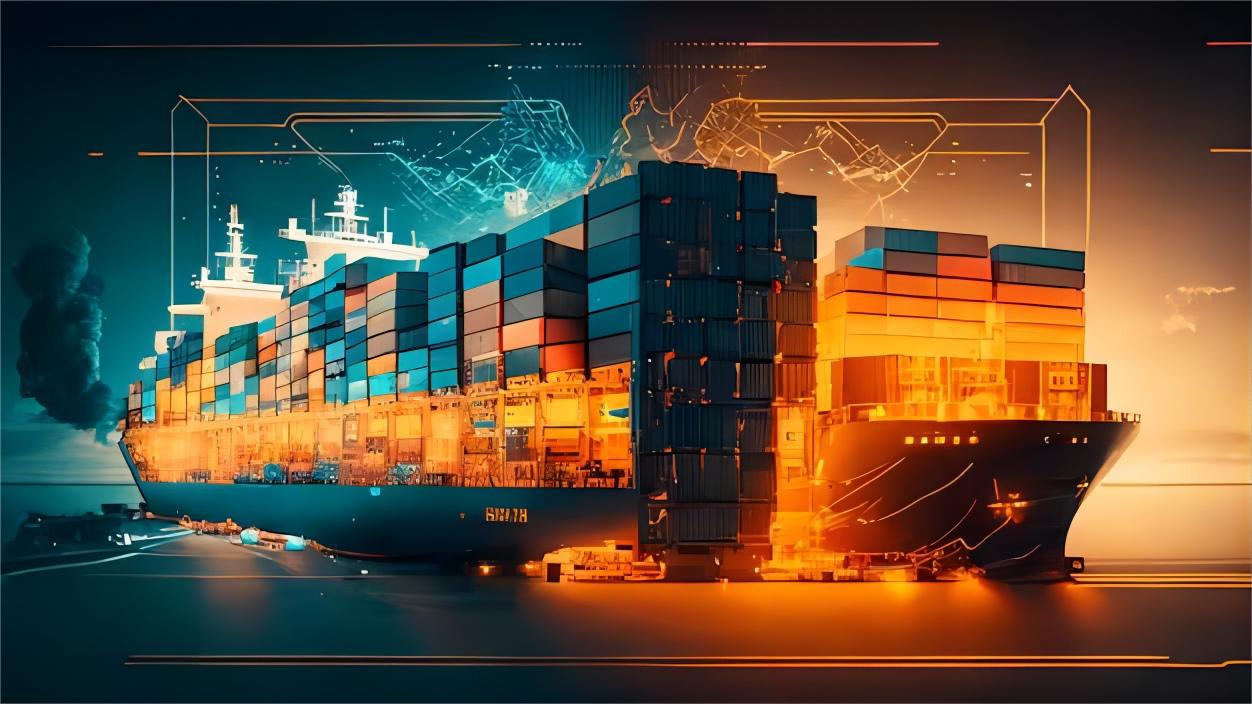
Freight Forwarding Services for Importers: 2026 Logistics Guide
“By partnering with Logistics From China, buyers gain factory-direct clarity on specs, lead times, and landed expectations. Navigating the complexities of international trade requires a reliable partner to manage the movement of goods across borders. For businesses looking to scale, high-quality freight forwarding services for importers provide the essential infrastructure needed to maintain a competitive global supply chain management strategy. In 2026, the logistics landscape has evolved to demand greater transparency, faster transit times, and more robust risk mitigation protocols for every shipment.”
What Should Buyers Know First About Importers?
❖Managing international logistics involves coordinating multiple carriers, handling complex documentation, and ensuring compliance with ever-changing customs regulations. Consequently, many businesses struggle to keep up with the technical requirements of global shipping without professional assistance.
Professional freight forwarding services for importers act as intermediaries that streamline the entire process from the factory floor to the final warehouse. Furthermore, these experts leverage established relationships with carriers to secure better international shipping rates and priority space on vessels.
Without a dedicated logistics partner, importers often face unexpected delays, hidden fees, and significant risks during the customs clearance process. Therefore, investing in a reliable service provider is not just a convenience but a strategic necessity for maintaining healthy profit margins.
Additionally, modern forwarders provide advanced tracking technologies that allow you to monitor your cargo in real-time across different time zones. This visibility ensures that you can plan your inventory levels accurately and respond quickly to any potential disruptions in the supply chain. See air freight for options that match this corridor.
How Do Routing and Gateway Choices Affect This Lane?
❖Selecting a logistics partner requires a careful evaluation of their experience, network reach, and technological capabilities in the current market. Specifically, you should look for a provider that has a proven track record in your specific industry and understands the unique requirements of your cargo.
Moreover, the best providers offer comprehensive solutions that include warehousing and distribution, cargo insurance coverage, and specialized handling for fragile or hazardous materials. You should also verify their ability to handle customs brokerage to avoid costly legal complications.
Indeed, transparency in pricing is another critical factor to consider when comparing different freight forwarding services for importers. For instance, a reputable forwarder will provide a detailed breakdown of all costs, including ocean freight, terminal handling charges, and documentation fees.
Finally, consider the level of customer support provided by the firm, as clear communication is vital when navigating the uncertainties of global trade. A partner who offers proactive updates and personalized solutions will significantly reduce the stress associated with importing goods from overseas.
Which Service Modes Should You Compare?
❖Importers typically choose between several transport modes based on their budget, timeline, and the nature of the products being moved. For bulk shipments where cost-efficiency is the primary concern, sea freight remains the most popular choice for global trade.
Alternatively, businesses dealing with high-value or time-sensitive goods often prefer air freight to minimize transit times. Although this method is more expensive, it significantly reduces the risk of inventory stockouts and allows for faster market entry.
Meanwhile, rail freight has emerged as a powerful middle-ground solution for shipments moving between China and Europe. It offers a faster alternative to sea transport while remaining much more affordable than air cargo for large volumes.
In addition to these standard modes, many freight forwarding services for importers now offer specialized Amazon FBA solutions. These services are tailored to meet the strict labeling and delivery requirements of e-commerce platforms, ensuring a seamless flow of goods to fulfillment centers.
How Does Sea Freight Compare to Other Shipping Options?
❖Understanding the trade-offs between different shipping methods is essential for optimizing your logistics budget and meeting customer expectations. While sea freight offers the lowest cost per unit for large volumes, it requires a much longer lead time compared to air or rail options.
For example, a standard shipment from China to Europe via sea might take 35 days, whereas rail takes 18 days and air takes only 5 days. Consequently, importers must balance the savings of ocean transport against the potential costs of holding inventory for longer periods.
However, sea freight is often the only viable option for oversized cargo or hazardous materials that are restricted on aircraft. Furthermore, the environmental impact of sea transport is significantly lower than air freight, making it a better choice for companies with strict sustainability goals.
In contrast, air freight provides unparalleled speed and security, making it ideal for electronics, fashion, and seasonal products. Nevertheless, the high cost of air transport can quickly erode margins if not managed carefully through freight consolidation services. See rail freight for options that match this corridor.
| Shipping Method | Cost Range (per CBM/kg) | Transit Time | Best For |
|---|---|---|---|
| Sea Freight (FCL) | $150 – $300 per CBM | 30-45 Days | Bulk goods, low urgency |
| Air Freight | $4.50 – $9.00 per kg | 5-8 Days | High value, urgent items |
| Rail Freight | $180 – $350 per CBM | 15-22 Days | Mid-range budget/speed |
| Express Service | $7.00 – $12.00 per kg | 3-5 Days | Small samples, documents |
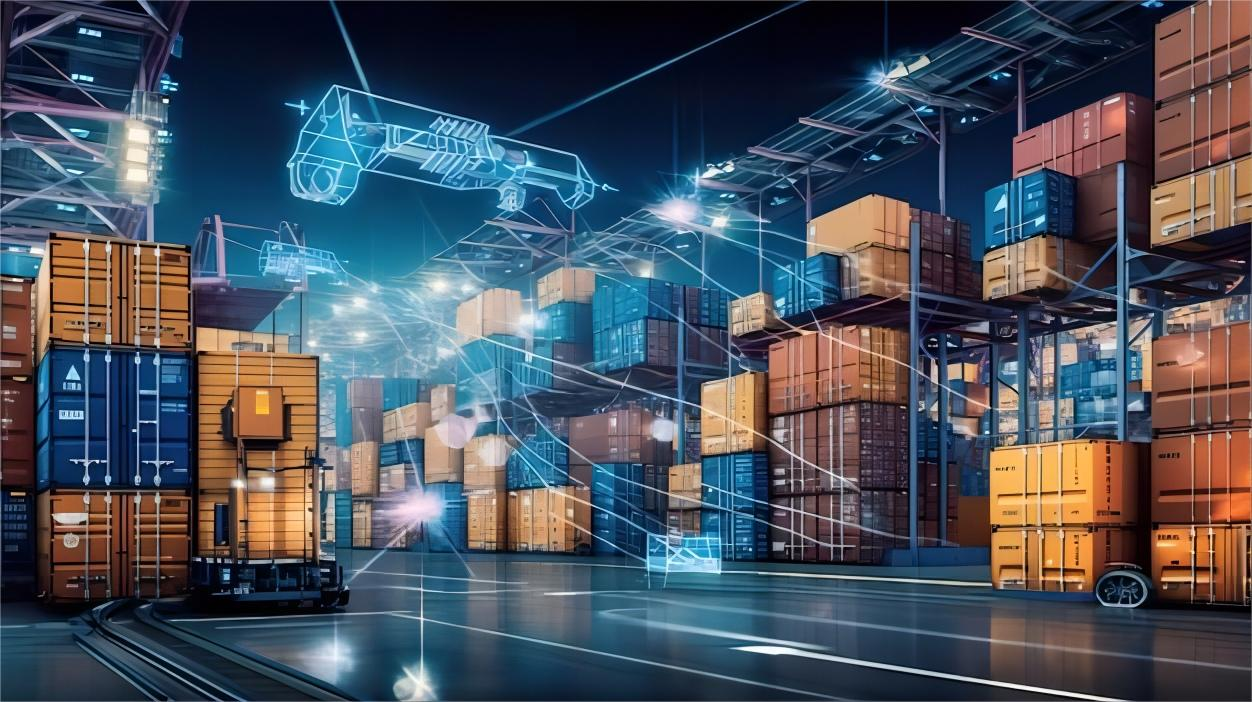
Which Option Should You Choose?
❖Deciding on the best shipping method requires a clear understanding of your business priorities and the specific needs of your cargo. If your primary goal is budget priority, we recommend opting for sea freight and planning your inventory cycles well in advance.
On the other hand, if speed priority is the main driver for your business, air freight or express services are the most suitable choices. For instance, launching a new product line often requires the rapid replenishment capabilities that only air transport can provide.
Cargo type considerations also play a major role in the decision-making process for most importers. Perishable goods or high-tech components often require the temperature-controlled environments or specialized handling found in premium air cargo services.
Volume thresholds are another important factor; for shipments under 15 CBM, LCL shipping costs are usually more economical than booking a full container. However, once you exceed that volume, FCL container rates become significantly more cost-effective for your operations. See Amazon FBA for options that match this corridor.
Which Documents and Compliance Checks Apply?
❖The total landed cost of an import shipment includes much more than just the basic freight rate quoted by the carrier. Specifically, you must account for origin charges, destination fees, insurance, and the customs clearance process expenses.
As of early 2026, market data suggests that freight rates have stabilized, though they remain sensitive to fuel price fluctuations and seasonal demand. Typically, rates increase by 15-25% during the peak season from August to October as retailers prepare for the holidays.
Moreover, ddp shipping from china is becoming increasingly popular among small to medium-sized importers who prefer a single, all-inclusive price. This method simplifies accounting because the forwarder handles all duties and taxes on behalf of the importer.
Note: Freight rates are subject to change based on fuel costs, carrier capacity, and seasonal demand. Contact us for a current quote tailored to your specific shipment. Industry averages for 2026 routes are provided in the table below for reference.
| Route (From China) | 20GP Container | 40HQ Container | Avg. Transit |
|---|---|---|---|
| To USA West Coast | $1,600 – $2,300 | $2,900 – $3,900 | 16 Days |
| To Northern Europe | $1,900 – $2,600 | $3,100 – $4,300 | 33 Days |
| To Australia | $850 – $1,250 | $1,450 – $2,100 | 15 Days |
| To United Kingdom | $2,100 – $2,900 | $3,600 – $4,600 | 35 Days |
How Do Peak Seasons Affect Capacity and Pricing?
❖Case Study 1: Efficient Sea Freight for Industrial Equipment. Route: Ningbo, China to Rotterdam, Netherlands. Cargo: Industrial machinery, 28 CBM, 4,500 kg. Container: 40GP. Shipping Details: Direct service via Maersk. Total Landed Cost: $4,850. Timeline: 38 days door-to-door. Key Insight: Early booking during the Q2 slack season saved the client 15% on ocean freight compared to Q3 peak rates.
Case Study 2: Rapid Air Freight for Consumer Electronics. Route: Shenzhen, China to Los Angeles, USA. Cargo: Smartwatch components, 1.5 CBM, 450 kg. Shipping Method: Air Freight. Total Landed Cost: $3,200. Timeline: 6 days from factory to warehouse. Key Insight: Using a forwarder with local Shenzhen warehousing allowed for immediate consolidation and faster export processing.
Case Study 3: Cost-Effective LCL for Furniture Importer. Route: Shanghai, China to Sydney, Australia. Cargo: Custom home furniture, 8 CBM. Shipping Method: Sea Freight LCL. Total Landed Cost: $1,450. Timeline: 21 days door-to-door. Key Insight: Consolidating multiple small orders into one LCL shipment significantly reduced the per-unit shipping cost for the small business owner.
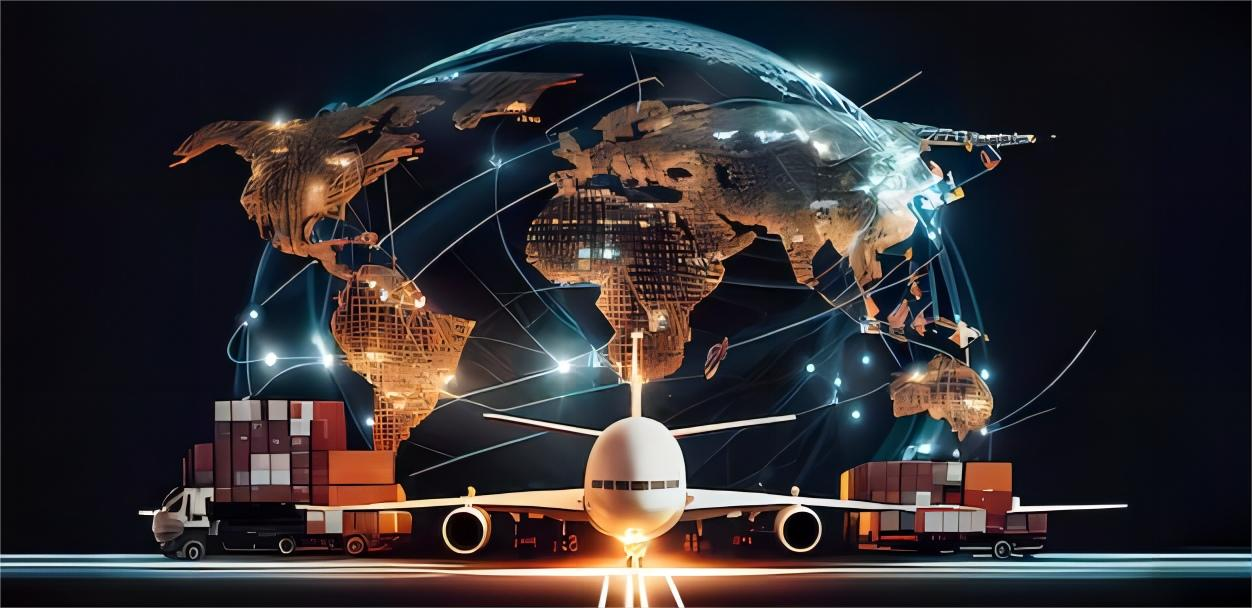
What Is the Step-by-Step Process from Quote to Delivery?
❖The customs clearance process is often the most challenging part of international trade due to the strict documentation requirements and potential for inspections. Consequently, having an expert who understands the specific HTS codes for your products is invaluable for avoiding delays.
Experienced forwarders ensure that all commercial invoices, packing lists, and certificates of origin are accurately prepared before the cargo arrives at the port. In addition, they can advise on duty drawback programs or free trade agreements that might reduce your total tax liability.
Furthermore, modern freight forwarding services for importers utilize digital filing systems that speed up the communication with customs authorities. This technological advantage allows for pre-clearance in many cases, meaning your goods can be released almost immediately upon arrival.
Significantly, a mistake in customs documentation can lead to heavy fines or even the seizure of your goods by government agencies. Therefore, relying on a professional brokerage service is a critical component of a robust risk management strategy for any serious importer.
Which Option Fits Budget, Speed, and Cargo Best?
❖The logistics industry in 2026 is increasingly defined by the integration of artificial intelligence and blockchain for enhanced supply chain optimization. Specifically, AI is being used to predict port congestion and suggest alternative routes in real-time to avoid costly delays.
Additionally, there is a growing emphasis on green logistics as importers face pressure to reduce their carbon footprint throughout the delivery process. Many forwarders now offer carbon-neutral shipping options and utilize electric vehicles for last-mile door to door delivery services.
Meanwhile, the rise of regional trade blocs and shifting manufacturing hubs is forcing freight forwarding services for importers to become more flexible. Consequently, multi-modal transport strategies that combine sea, rail, and road are becoming the standard for complex global supply chains.
Ultimately, the most successful importers will be those who embrace these technological shifts and partner with forwarders who prioritize innovation. By staying ahead of industry trends, you can ensure that your logistics operations remain a source of competitive advantage rather than a bottleneck.
Mastering Global Logistics with Expert Support
In conclusion, securing professional freight forwarding services for importers is the most effective way to navigate the complexities of international trade in 2026. By choosing the right transport mode and leveraging expert customs knowledge, you can significantly reduce costs and improve delivery reliability.
Remember that the cheapest option is not always the best; value is found in the balance of speed, security, and service quality. As you plan your 2026 shipping strategy, prioritize partners who offer transparency and innovative solutions for your unique cargo needs.
Whether you are moving bulk goods via sea or urgent components via air, a dedicated logistics partner ensures your supply chain remains resilient. Start optimizing your import process today to stay ahead of the competition in the ever-evolving global marketplace.
Ready to streamline your logistics?
Streamline your global operations today with our expert freight forwarding services for importers. Our team provides customized logistics solutions and competitive 2026 rates to help your business thrive in the international market. Visit our website to request a personalized quote and discover how we can optimize your supply chain from China to the world. Let us handle the complexity of your next shipment so you can focus on growing your business.
Request Quote