
International Cargo Management: 2026 Global Logistics Guide
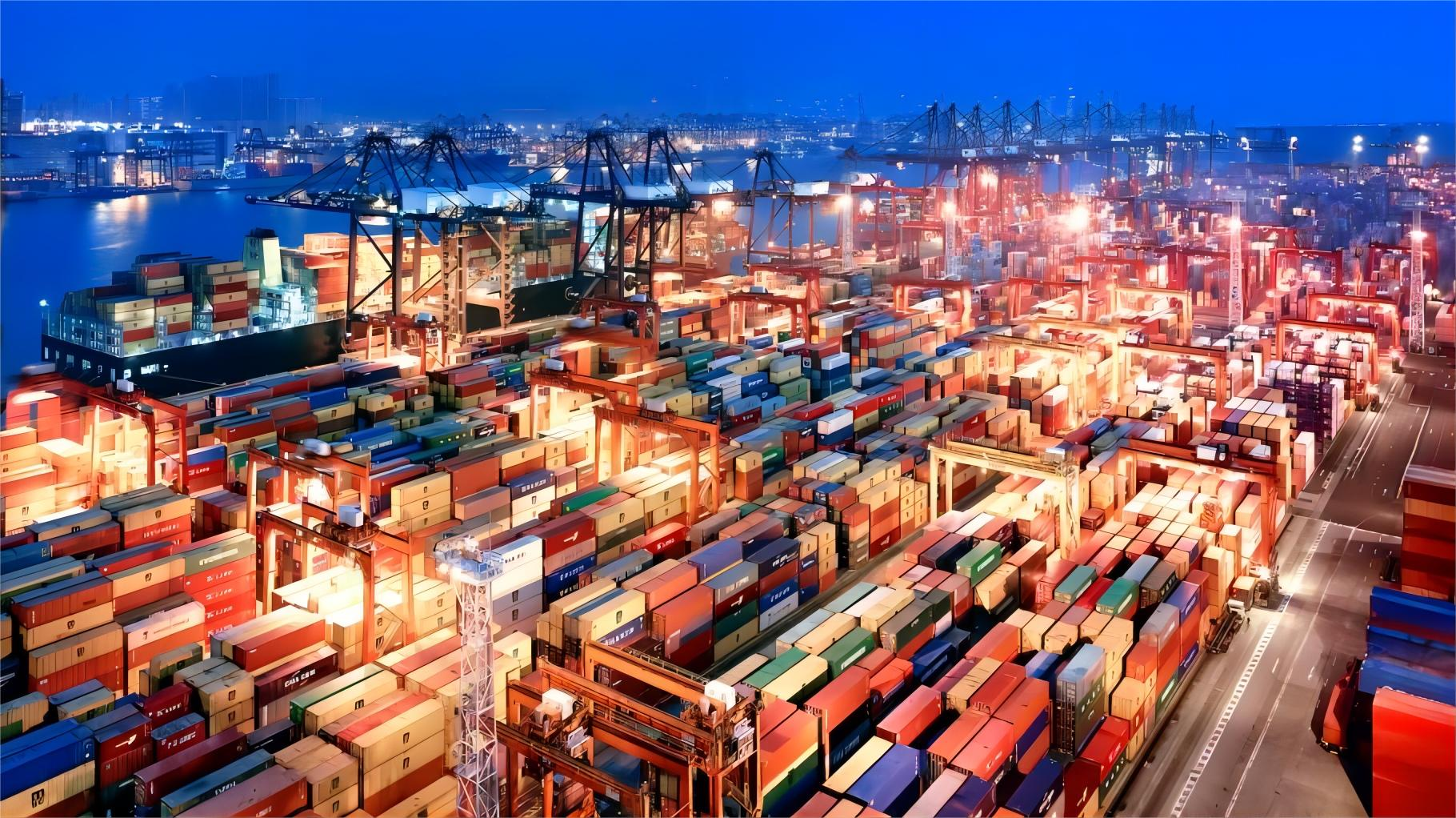
International cargo management represents the complex orchestration of moving goods across global borders while maintaining efficiency and cost-effectiveness. In the fast-paced market of 2026, businesses must adapt to shifting trade lanes and evolving regulatory frameworks to remain competitive. Achieving success in this landscape requires a deep understanding of multi-modal transportation and strategic planning. By partnering with a dedicated logistics provider like Logistics From China, companies can navigate these challenges with confidence and precision. This guide explores the essential strategies for optimizing your global shipping operations this year.
When Should You Seek Professional Logistics Assistance?
Effective international cargo management involves choosing the right shipping method based on budget, speed, and cargo type. Consequently, businesses often struggle to balance the high costs of speed against the slow transit times of economical routes. Understanding the trade-offs between different logistics strategies is vital for maintaining a healthy bottom line in 2026.
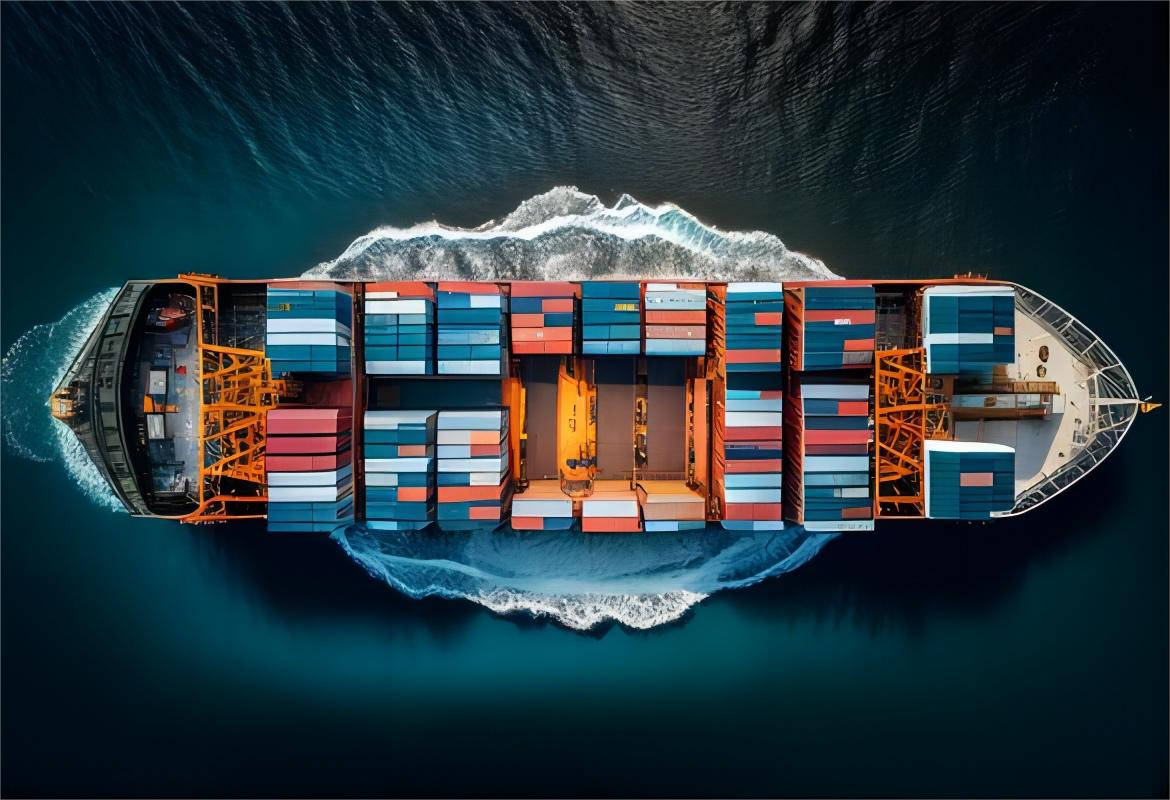
Traditional freight forwarding focuses primarily on the movement of goods from point A to point B. However, modern cargo management integrates advanced tracking, risk mitigation, and supply chain visibility into a single framework. This holistic approach allows for better inventory control and more predictable delivery schedules compared to fragmented shipping services.
Choosing a direct route typically costs 10-15% more but can save up to a week in transit time. On the other hand, transshipment options offer lower rates but introduce higher risks of delays at intermediate ports. Therefore, managers must weigh these factors against their specific customer demands and product shelf lives. See air freight for options that match this corridor.
| Shipping Method | Cost Range | Transit Time | Best For |
|---|---|---|---|
| Sea Freight | $1,500 – $6,000 | 14 – 45 Days | Bulk goods and large volumes |
| Air Freight | $5.00 – $12.00/kg | 3 – 7 Days | High-value or urgent items |
| Rail Freight | $2,500 – $4,500 | 18 – 25 Days | Mid-range budget and speed |
| Express Service | $8.00 – $20.00/kg | 2 – 5 Days | Small parcels and samples |
What are the Primary Methods of International Cargo Transport?
Selecting the appropriate transport mode is a cornerstone of strategic international cargo management. For instance, sea freight remains the most popular choice for businesses moving high volumes of goods from China to global destinations. It offers the lowest cost per unit, although it requires careful planning due to longer transit cycles.
Moreover, the volatility of fuel prices in 2026 has made sea freight pricing more dynamic than in previous years. Meanwhile, air freight provides a rapid alternative for electronics and fashion industries that prioritize speed over cost. While significantly more expensive, the reduced lead times can often justify the investment for time-sensitive product launches.
Additionally, many companies are now exploring rail freight as a middle-ground solution for trans-Eurasian trade. This method provides a faster transit than ocean shipping while remaining much more affordable than air transport. Consequently, it has become a staple for automotive and industrial parts moving between China and Europe.
Which Option Should You Choose for Your Shipments?
Decision-making in logistics depends on several key criteria that vary by shipment. If your priority is budget, sea freight is almost always the recommended option for shipments exceeding 2 cubic meters. Conversely, if speed is your primary concern, air or express services are the only viable choices for meeting tight deadlines.
Cargo type also dictates the method, as hazardous materials or oversized equipment may face restrictions on certain routes. For example, heavy machinery is best suited for flat-rack containers on ocean vessels. Without a doubt, volume thresholds also play a role, as switching from LCL to FCL can significantly reduce the cost per CBM once you reach 15-20 cubic meters.
Hybrid solutions are gaining traction in 2026 as a way to optimize costs and speed. Sea-air combinations allow cargo to move by ship to a mid-point hub and then by plane to the final destination. As a result, shippers can save up to 40% compared to pure air freight while still arriving twice as fast as ocean freight. See rail freight for options that match this corridor.
What Timeline Should You Expect from Pickup to Final Delivery?
Navigating the complexities of international trade laws is a major hurdle for many importers. Indeed, improper documentation can lead to costly port storage fees and lengthy inspections. Utilizing a professional customs brokerage service is essential for ensuring all duties and taxes are calculated accurately.
Furthermore, 2026 has seen stricter environmental regulations regarding cargo packaging and carbon emissions reporting. Consequently, staying compliant requires constant monitoring of local and international policy changes. Documentation such as the Commercial Invoice, Packing List, and Bill of Lading must be error-free to avoid delays at the port of discharge.
Note: Freight rates and customs requirements are subject to change based on fuel costs, carrier capacity, and seasonal demand. Contact us for a current quote tailored to your specific shipment.
| Document Type | Purpose | Criticality | Timing |
|---|---|---|---|
| Bill of Lading | Contract of carriage | High | Issued at loading |
| Commercial Invoice | Value declaration | High | Before departure |
| Packing List | Cargo details | Medium | With invoice |
| Certificate of Origin | Duty determination | Medium | Before arrival |
How Are Landed Costs and Service Fees Typically Structured?
Examining real-world scenarios provides valuable insight into the costs and timelines associated with global logistics. These examples reflect the market conditions observed throughout 2025 and into early 2026. Each case highlights the importance of choosing the right method for specific cargo requirements.
Case Study 1: Electronics from Shenzhen to Los Angeles. Route: Shenzhen to Los Angeles, USA. Cargo: Consumer electronics, 68 CBM, 12,000 kg. Container: 40HQ. Shipping Details: Major carrier, direct route. Cost Breakdown: Ocean Freight $3,450, Origin Charges $450, Destination Charges $600, Customs $1,200. Total Landed Cost: $5,700. Timeline: 4 days booking, 16 days transit, 3 days clearance. Total: 23 days. Key Insight: Direct shipping saved 8 days compared to transshipment via Busan.
Case Study 2: Industrial Parts from Ningbo to Hamburg. Route: Ningbo to Hamburg, Germany. Cargo: Steel components, 25 CBM, 18,000 kg. Container: 20GP. Shipping Details: COSCO, transshipment via Singapore. Cost Breakdown: Ocean Freight $2,100, Origin Charges $380, Destination Charges $520, Customs $900. Total Landed Cost: $3,900. Timeline: 6 days booking, 34 days transit, 4 days clearance. Total: 44 days. Key Insight: Transshipment was $400 cheaper than direct but added 10 days to the schedule.
Case Study 3: Furniture from Shanghai to Sydney. Route: Shanghai to Sydney, Australia. Cargo: Home furniture, 8 CBM, 1,500 kg. Container: LCL. Shipping Details: Direct service. Cost Breakdown: Ocean Freight $920, Origin Charges $250, Destination Charges $300, Customs $450. Total Landed Cost: $1,920. Timeline: 3 days booking, 14 days transit, 2 days clearance. Total: 19 days. Key Insight: LCL was the most economical choice for this volume as a 20GP would have been 60% empty.

Cost-Saving Strategies for 2026 Global Shipping
Reducing logistics expenses requires a proactive approach to cargo consolidation and route optimization. For example, consolidating multiple small orders into a single FCL shipment can lead to significant savings on documentation and port fees. Moreover, booking shipments at least 3-4 weeks in advance allows you to lock in better rates before peak season price hikes.
Additionally, optimizing your packaging can reduce the volumetric weight of your cargo, which is particularly beneficial for air freight. Meanwhile, maintaining a flexible delivery schedule allows you to take advantage of ‘blank sailings’ or carrier discounts on under-utilized vessels. Indeed, small adjustments in your supply chain can lead to substantial long-term savings.
Finally, implementing door to door services can simplify your management process. By consolidating all transport stages under one provider, you reduce the risk of communication gaps and hidden fees. This streamlined approach often results in a lower total landed cost compared to managing multiple third-party vendors.
Mastering the Future of Global Trade
To summarize, international cargo management is an essential skill for any business operating on a global scale in 2026. By understanding the nuances of different shipping methods and maintaining strict compliance, you can ensure your goods arrive safely and on time. Success in this field requires a balance of strategic planning, cost control, and reliable partnerships.
Therefore, staying informed about market trends and logistics innovations is vital for long-term growth. Whether you are shipping by sea, air, or rail, the goal remains the same: efficiency and reliability. Start optimizing your international cargo management strategy today to secure your competitive advantage in the global marketplace.
Need a tailored shipping solution?
Ready to optimize your supply chain with professional international cargo management? Contact our team today for a tailored quote and expert guidance on your next shipment. Send Inquiry: logisticsfromchina.com/contact/