
Air Freight China with Tracking: Complete 2025 Shipping Guide
Navigating the complexities of global trade requires a logistics partner that prioritizes transparency and speed. Logistics From China provides the infrastructure necessary to move goods across borders without the typical stress of uncertainty. Utilizing air freight China with tracking ensures your cargo remains visible throughout its entire journey from the warehouse to your doorstep.
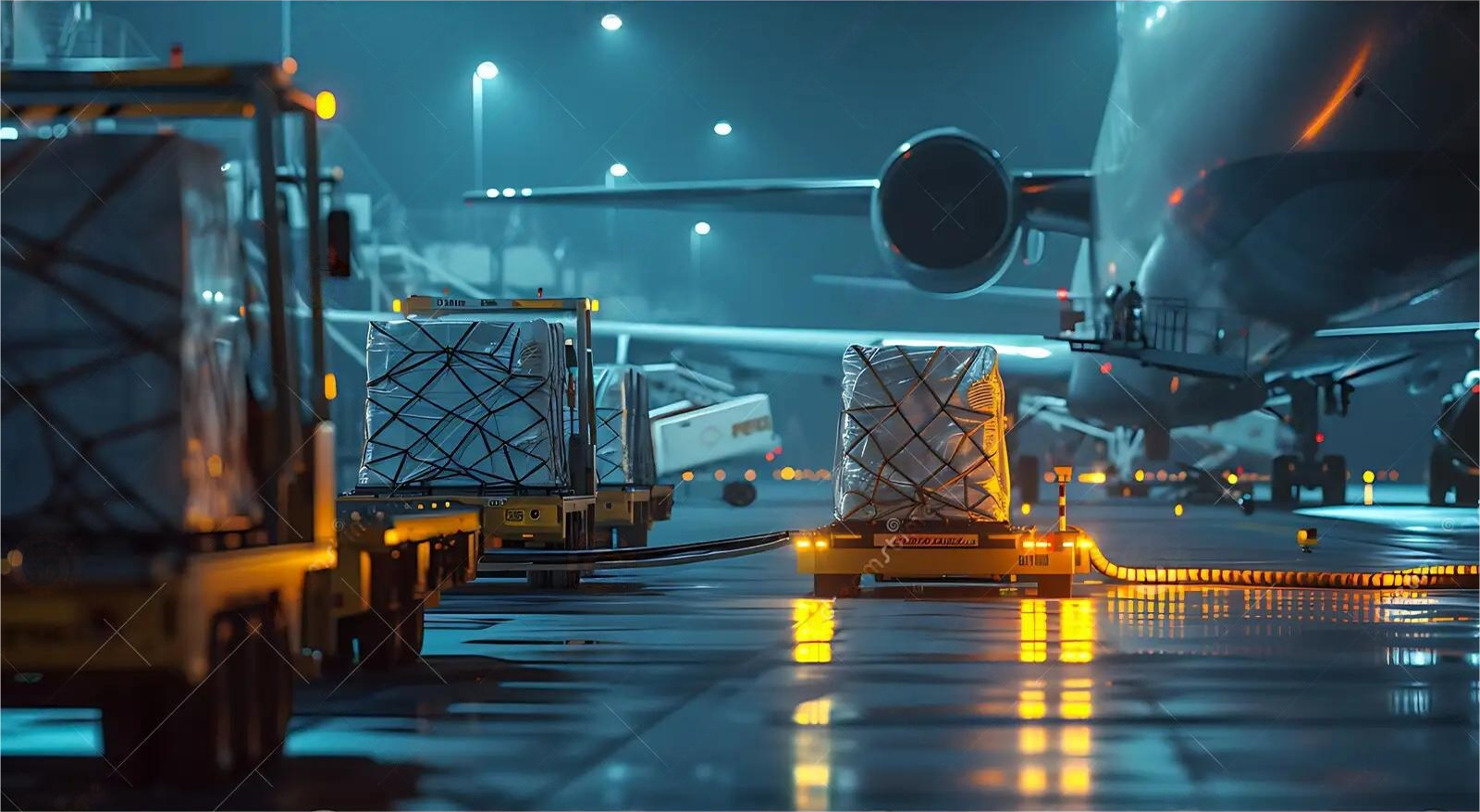
Why Choose Air Freight China with Tracking for Your Shipments?
Speed remains the primary reason businesses opt for air freight when importing from Asian markets. However, the addition of comprehensive tracking capabilities transforms a simple transport service into a strategic business tool. Consequently, managers can plan inventory cycles with high precision because they know exactly when a shipment will arrive at the destination.
Security is another significant advantage of this shipping method. For instance, air cargo spends significantly less time in transit compared to maritime options, which naturally reduces the risk of damage or theft. Furthermore, real-time cargo tracking allows for immediate intervention if a delay occurs at a major hub like Shanghai Pudong or Guangzhou Baiyun.
Reliability often dictates the success of a supply chain in competitive industries. Indeed, most major airlines offer daily flights from China to international hubs, ensuring that your products do not sit in a warehouse for weeks. Therefore, choosing air freight China with tracking provides both the physical speed and the digital oversight required for modern commerce.
Understanding Different Air Freight Options from China
Standard air freight typically involves moving goods on commercial or cargo aircraft within a few days. Meanwhile, businesses looking for specific fulfillment solutions often utilize Amazon FBA services to streamline their e-commerce operations. This specialized approach ensures that inventory meets strict platform requirements while maintaining high visibility through integrated tracking systems.
Consolidated shipping offers a cost-effective alternative for smaller volumes. By grouping multiple shipments together, carriers can offer lower air freight rates 2025 without sacrificing the speed of air transport. Nevertheless, shippers must ensure their documentation is perfect to avoid delays during the consolidation process at the port of origin.
Express shipping from China represents the premium tier of air logistics. Specifically, companies like DHL, FedEx, and UPS provide door to door air shipping with extremely tight delivery windows. Although this is the most expensive option, it provides the most granular level of tracking available in the industry today.
How Does Air Freight Compare to Other Shipping Options?
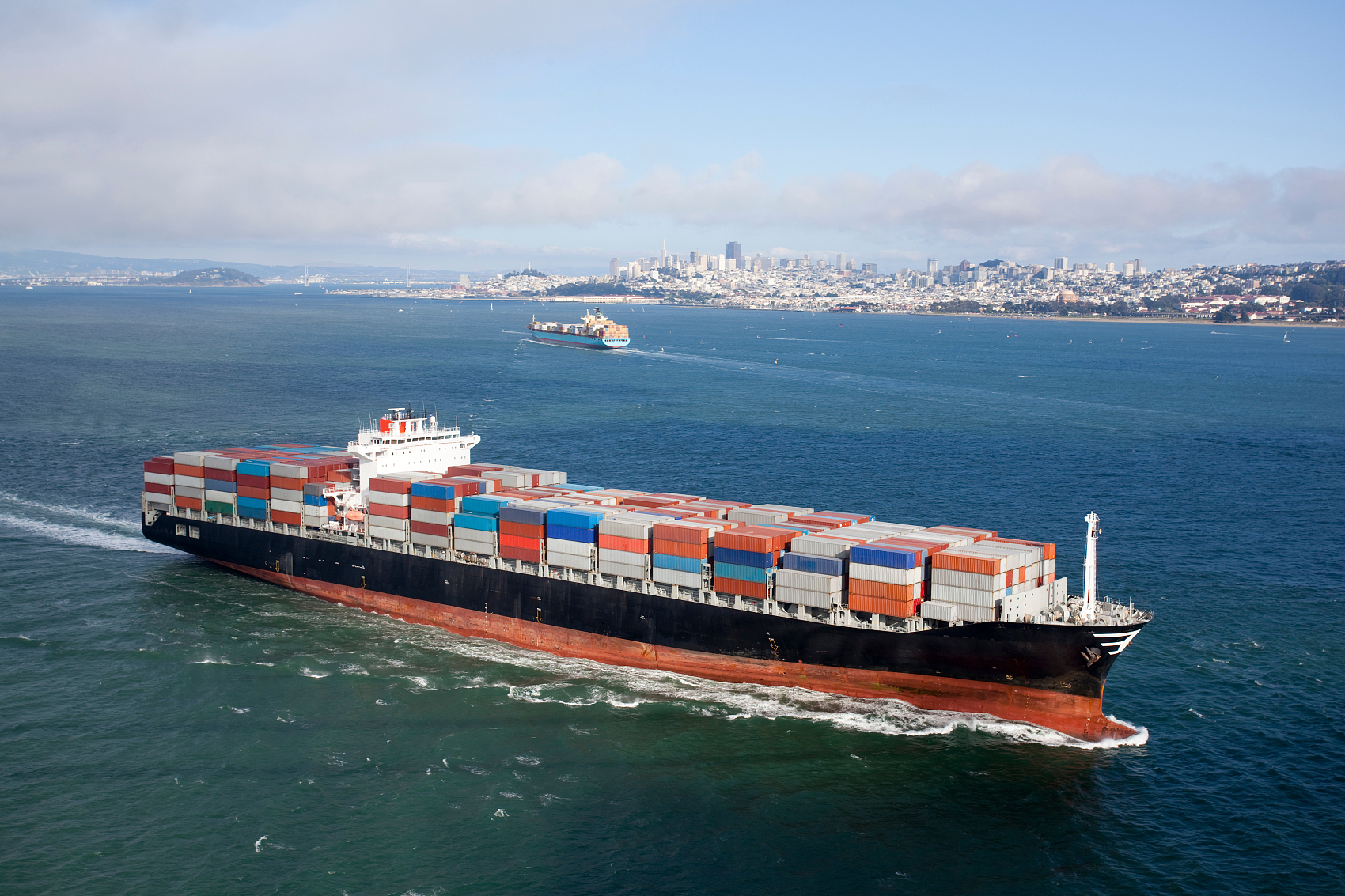
Choosing the right transport mode depends heavily on your budget and urgency. While sea freight is much cheaper for heavy loads, it lacks the rapid turnaround time that air transport provides. Moreover, the tracking updates for ocean containers are often less frequent than the hourly pings provided by air cargo systems.
Rail freight has emerged as a middle-ground solution for shipments to certain regions. However, it is not a viable option for every destination, such as island nations or remote continents. Consequently, air freight remains the only choice for high-value or perishable items that must cross the globe in under a week.
Market data suggests that the price gap between air and sea fluctuates based on seasonal demand. For example, during the Q4 peak season, air freight costs may rise significantly, but the time saved often justifies the investment for retailers. To summarize the differences, we have provided a comparison table below.
| Shipping Method | Cost Range | Transit Time | Best For |
|---|---|---|---|
| Air Freight | $4.50 – $9.00 / kg | 3 – 7 Days | Urgent / High Value |
| Sea Freight | $1,500 – $4,500 / 40HQ | 25 – 45 Days | Bulk / Heavy Goods |
| Rail Freight | $80 – $150 / CBM | 15 – 22 Days | Mid-size to Europe |
| Express Service | $8.00 – $15.00 / kg | 1 – 3 Days | Samples / Documents |
Factors Affecting Air Freight Costs and Transit Times
Weight and volume are the primary drivers of air cargo pricing. Specifically, airlines use a volumetric weight calculation to ensure they are compensated for the space a package occupies. Therefore, optimizing your packaging can lead to significant savings on your air freight China with tracking expenses.
Fuel surcharges and carrier capacity also play a vital role in determining daily rates. For instance, as of early 2025, fuel costs have remained volatile, leading to frequent adjustments in total landed costs. Additionally, peak seasons such as the weeks leading up to the Lunar New Year often see a 20% to 30% spike in demand.
Customs procedures can occasionally impact the expected air freight transit times. Working with a professional customs brokerage ensures that all paperwork is filed correctly before the plane even lands. Without a doubt, proactive documentation is the best way to prevent your cargo from being held up at the border.
Shipping from China to Major Global Regions
Routes to North America typically involve major hubs like Los Angeles, Chicago, or New York. Because these are high-traffic lanes, shippers can often find competitive rates by booking in advance. Meanwhile, shipments to Europe benefit from a vast network of airports including Frankfurt, London Heathrow, and Paris CDG.
Australia and Southeast Asia offer faster transit times due to their geographic proximity to China. For example, air cargo can often reach Sydney or Melbourne within 3 to 5 days. However, shippers must remain aware of local quarantine regulations that are particularly strict in the Australian market.
Transit times vary based on whether you choose a direct flight or a transshipment route. Direct flights are faster but more expensive, whereas transshipment via hubs like Singapore or Dubai can reduce costs. To help you plan, the following table outlines typical transit times to major global destinations.
| Destination | Direct Flight | Transshipment | Tracking Frequency |
|---|---|---|---|
| USA (West Coast) | 2-3 Days | 5-7 Days | Real-time |
| UK / Germany | 3-4 Days | 6-8 Days | Real-time |
| Australia | 2-4 Days | 5-6 Days | Real-time |
| Canada | 3-5 Days | 7-9 Days | Real-time |
Real-World Case Studies of Air Freight China with Tracking
Case Study 1: Electronics Launch to USA. Route: Shenzhen to San Francisco. Cargo: 500kg of high-end tablets. Method: Direct Air Freight. Cost: $3,250. Transit Time: 3 days total. Key Insight: Real-time cargo tracking allowed the client to coordinate a marketing launch precisely as the goods cleared customs.
Case Study 2: Fashion Inventory to Germany. Route: Guangzhou to Frankfurt. Cargo: 1,200kg of seasonal apparel. Method: Consolidated Air Freight. Cost: $6,600. Transit Time: 7 days. Key Insight: By using a consolidated service, the importer saved 15% on costs while maintaining visibility through every hub.
Case Study 3: Urgent Industrial Parts to Australia. Route: Shanghai to Sydney. Cargo: 150kg of CNC machine components. Method: Express Shipping. Cost: $1,800. Transit Time: 2 days. Key Insight: The speed of express service prevented a factory shutdown that would have cost the client thousands in lost productivity.
Which Option Should You Choose? A Decision Framework
Budget priority usually leads shippers toward consolidated air cargo. If your goods are not time-sensitive to the hour, waiting an extra two days for a consolidated flight can save hundreds of dollars. On the other hand, if you are shipping lithium battery air freight, you must choose carriers certified for hazardous materials, which may limit your options.
Speed priority necessitates the use of direct flights or express couriers. When every hour counts, the higher cost of a direct route is a necessary expense to maintain customer satisfaction. Furthermore, high-value items like jewelry or electronics should always be sent via the most secure and direct air route possible.
Volume thresholds often determine when it is time to switch from air to sea. Generally, if your shipment exceeds 150kg or 1 CBM, you should begin comparing the costs of air freight versus LCL sea freight. However, for anything under 45kg, express courier services are almost always the most economical and efficient choice.
Essential Documentation for Air Cargo from China
The Air Waybill (AWB) serves as the most critical document in this process. It acts as both a receipt for the goods and a contract of carriage between the shipper and the airline. Additionally, a detailed commercial invoice and packing list are required for every international shipment to facilitate customs clearance.
Certificates of Origin may be required to qualify for specific trade agreements or to satisfy local import laws. For example, certain electronics require CCC certification or other safety documentation before they can be legally imported. Consequently, you should always verify these requirements with your logistics provider before the cargo leaves China.
Insurance documentation provides peace of mind when shipping high-value items. While air freight is generally safe, unforeseen events can occur during cargo handling or transit. Therefore, securing comprehensive cargo insurance is a small price to pay for protecting your investment against potential loss or damage.
Final Thoughts on Air Cargo Logistics
Mastering the nuances of air freight China with tracking allows businesses to operate with a level of agility that was previously impossible. By combining rapid transit times with digital transparency, you can reduce lead times and improve customer satisfaction across the globe.
Remember that the lowest price is not always the best value in the world of international logistics. Reliability, tracking accuracy, and professional support are the true markers of a successful shipping partnership. Choose a provider that understands your specific industry needs and offers the technology to keep you informed every step of the way.
Ready to streamline your logistics?
Ready to streamline your supply chain with reliable air freight China with tracking? Contact our expert team today to receive a personalized quote and discover how we can accelerate your business growth. Visit our inquiry page to get started with a professional logistics strategy tailored to your needs.
Request Quote