
Cargo Shipping China to USA: 2026 Ultimate Logistics Guide
Navigating the complexities of cargo shipping china to usa requires a strategic approach to manage costs and timelines effectively in today’s global market. Businesses often struggle with fluctuating rates and changing regulations that can impact their bottom line significantly. Understanding the various methods available is crucial for maintaining a healthy and efficient supply chain. Meanwhile, Logistics From China provides comprehensive solutions for businesses looking to streamline their trans-Pacific operations. Furthermore, selecting the right logistics partner can reduce the stress associated with international trade. Consequently, importers can focus on growth while professionals handle the heavy lifting of global transport.
What are the Primary Methods for Cargo Shipping China to USA?
Choosing the right mode of transport is the first step in successful importing from Asia. For instance, sea freight remains the most popular choice for bulk commodities due to its unmatched cost-effectiveness. Additionally, air freight provides a much faster alternative for time-sensitive cargo that needs to reach the market quickly. Efficiency is the hallmark of ocean transport when shipping thousands of units across the Pacific Ocean. Reliable carriers offer weekly departures from major Chinese ports like Shanghai, Ningbo, and Shenzhen. Many companies prefer this method for its lower carbon footprint and significant cost-per-unit advantages. Moreover, the 2026 market shows a stabilization in ocean rates compared to previous years of disruption.
Selecting between Full Container Load (FCL) and Less than Container Load (LCL) is another critical decision. High-volume shippers typically opt for FCL to secure an entire 20-foot or 40-foot container for their exclusive use. Low-volume importers, on the other hand, benefit from LCL by sharing container space with other businesses. Cost-benefit analysis should be performed for every major shipment to ensure the most economical choice. Time-sensitive items, however, will always require the speed of air cargo or express services. International trade experts recommend reviewing your logistics strategy at least once per quarter to adapt to market changes.
How Much Does Cargo Shipping China to USA Cost in 2026?
Freight rates are a primary concern for any importer looking to maintain profitability. Most experts suggest that 2026 will see a moderate increase in fuel surcharges as global energy markets fluctuate. Although base rates remain competitive, additional fees such as terminal handling charges and documentation fees can add up quickly. Proper planning allows businesses to avoid peak season surcharges during the busy months of August through October. Finally, getting a precise quote is the only way to budget accurately for your next shipment. Use the table below to understand the typical price ranges for different container sizes on major routes.
| Route | 20GP Container | 40GP Container | 40HQ Container |
|---|---|---|---|
| China to USA West Coast | $1,500 – $2,200 | $2,500 – $3,500 | $2,800 – $3,800 |
| China to USA East Coast | $2,500 – $3,500 | $4,000 – $5,500 | $4,500 – $6,000 |
| China to USA Gulf Coast | $2,300 – $3,200 | $3,800 – $5,200 | $4,200 – $5,800 |
How Does Sea Freight Compare to Other Shipping Options?
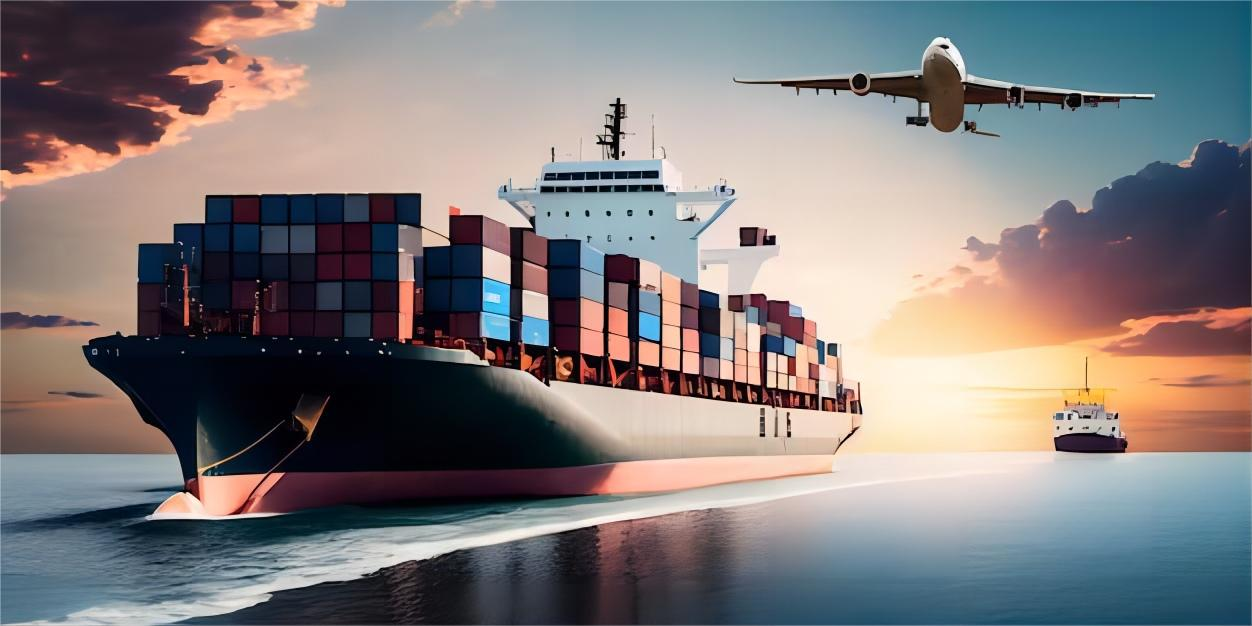
Logistics planning depends heavily on comparing sea freight against faster but more expensive alternatives. While sea freight offers the lowest cost per cubic meter, it requires a much longer lead time. Because of this, businesses must balance their inventory levels to avoid stockouts during the long transit period. Since 2026 has seen improved port efficiency, transit times have become more predictable than in previous years. Therefore, sea freight is usually the winner for non-urgent, high-volume goods. In contrast, air freight is the go-to solution for high-value electronics or fashion items that depreciate quickly.
Alternative strategies like sea-air hybrid solutions are gaining popularity among savvy importers. For example, goods can be shipped by sea to a hub like Dubai or Singapore and then flown to the USA. Consequently, this method saves about 50 percent of the cost of pure air freight while cutting transit time in half compared to sea freight. Shippers should also consider express services for small parcels and samples. Choosing the right method requires a deep understanding of your specific cargo needs and customer expectations.
| Shipping Method | Cost Range | Transit Time | Best For |
|---|---|---|---|
| Sea Freight (FCL) | $2,800 – $5,500 | 18 – 35 Days | Bulk Goods |
| Air Freight | $5.00 – $9.00/kg | 3 – 7 Days | High Value |
| Express Service | $8.00 – $15.00/kg | 2 – 5 Days | Urgent Samples |
| Sea-Air Hybrid | $3.50 – $6.00/kg | 12 – 18 Days | Mid-range |
Which Option Should You Choose?
Budget priority usually dictates a move toward sea freight for most commercial shipments. If your primary goal is to minimize landed costs, ocean transport is the only viable option for large volumes. Speed priority, however, shifts the recommendation toward air freight or express carriers. Cargo type considerations also play a major role, as hazardous materials or oversized machinery require specialized handling. Volume thresholds are important; once a shipment exceeds 15 cubic meters, switching from LCL to FCL often becomes more economical. Market data suggests that 2026 shippers are increasingly using FCL to avoid the handling delays associated with LCL consolidation.
The Role of Customs Brokerage in International Logistics
Import compliance ensures that your goods are not held up at the border by US Customs and Border Protection. Documentation must be precise to avoid heavy fines and lengthy inspections that can ruin a delivery schedule. Global trade regulations are constantly evolving, especially regarding environmental standards and forced labor prevention acts. Market intelligence suggests that 2026 will bring new digital filing requirements for all major importers. Current trends point toward a more automated customs brokerage process to speed up clearance. Working with an experienced broker is the best way to navigate these complex legal waters safely.
Why Choose Door to Door Services for Your Imports?
Future-proofing your supply chain involves choosing comprehensive services that handle every step of the journey. Technology plays a massive role in modern door to door logistics by providing end-to-end visibility. Digital tracking allows importers to see exactly where their cargo is, from the factory floor in China to the warehouse in the USA. Safety and security are paramount when moving high-value goods across the ocean. Security protocols at major ports like Long Beach and Savannah have tightened significantly in 2026. Insurance coverage is highly recommended to protect against unforeseen events such as heavy weather or mechanical failure at sea.
Navigating Amazon FBA Requirements for Chinese Goods
Documentation is particularly important for entrepreneurs using Amazon FBA to reach American consumers. Compliance with Amazon’s strict labeling, palletizing, and packaging rules is mandatory to avoid shipment rejection. Customs duties and taxes must be calculated correctly to maintain healthy profit margins on the platform. Port congestion can still occur during peak shopping seasons, so building a buffer into your delivery schedule is wise. Vessel delays are less common in 2026 but still a factor that every FBA seller must consider. Carrier capacity has increased, offering more options for frequent shippers who need to restock their inventory quickly.
Real-World Shipping Case Studies (2026 Data)
Case Study 1: Electronics from Shenzhen
Route: Shenzhen, China to Los Angeles, USA
Cargo: Consumer Electronics, 25 CBM, 8000 kg
Container: 40HQ
Shipping Details:
– Carrier: Major Ocean Carrier
– Port of Loading: Shenzhen
– Port of Discharge: Los Angeles
– Route Type: Direct
Cost Breakdown:
– Ocean Freight: $3,200
– Origin Charges: $450
– Destination Charges: $600
– Customs and Duties: $1,200
– Total Landed Cost: $5,450
Timeline:
– Booking to Loading: 3 days
– Sea Transit: 16 days
– Customs Clearance: 2 days
– Total Door-to-Door: 21 days
Key Insight: Direct routing to the West Coast minimized transit time and costs for this high-volume electronics importer.
Case Study 2: Machinery from Ningbo
Route: Ningbo, China to Savannah, USA
Cargo: Industrial Machinery, 18 CBM, 5000 kg
Container: 20GP
Shipping Details:
– Carrier: Global Logistics Provider
– Port of Loading: Ningbo
– Port of Discharge: Savannah
– Route Type: Transshipment via Panama
Cost Breakdown:
– Ocean Freight: $3,100
– Origin Charges: $400
– Destination Charges: $550
– Customs and Duties: $2,500
– Total Landed Cost: $6,550
Timeline:
– Booking to Loading: 5 days
– Sea Transit: 32 days
– Customs Clearance: 3 days
– Total Door-to-Door: 40 days
Key Insight: Transshipment was necessary for East Coast delivery but added significant time to the overall schedule compared to West Coast routes.
Final Thoughts on Shipping Success
Summarizing the essentials of cargo shipping china to usa highlights the need for professional guidance in a complex environment. Success depends on choosing the right transport method, understanding the full cost breakdown, and ensuring strict customs compliance. Logistics trends in 2026 suggest that digitalization and sustainability will continue to drive decision-making for major importers. Ultimately, a well-managed supply chain is a powerful competitive advantage that allows your business to thrive in the global marketplace. Note: Freight rates are subject to change based on fuel costs, carrier capacity, and seasonal demand. Contact us for a current quote tailored to your specific shipment.

Ready to streamline your logistics?
Streamline your cargo shipping china to usa today by partnering with industry experts who understand the 2026 market. Contact our team to receive a personalized quote and optimize your international logistics strategy for maximum efficiency. Send Inquiry: Visit https://logisticsfromchina.com/
Request Quote