
China Freight Forwarder Quote: The Complete Guide to Shipping Costs
Navigating the complexities of international trade requires a clear understanding of your logistics expenses. Obtaining a reliable China freight forwarder quote is the first step toward securing your profit margins and ensuring a smooth supply chain. This guide explores the variables that influence pricing and provides the tools you need to compare options effectively.

What Factors Influence Your China Freight Forwarder Quote?
Determining the final cost of shipping involves several dynamic variables that change based on market demand and fuel prices. Consequently, the weight and volume of your cargo serve as the primary drivers for any initial price estimation provided by a logistics provider.
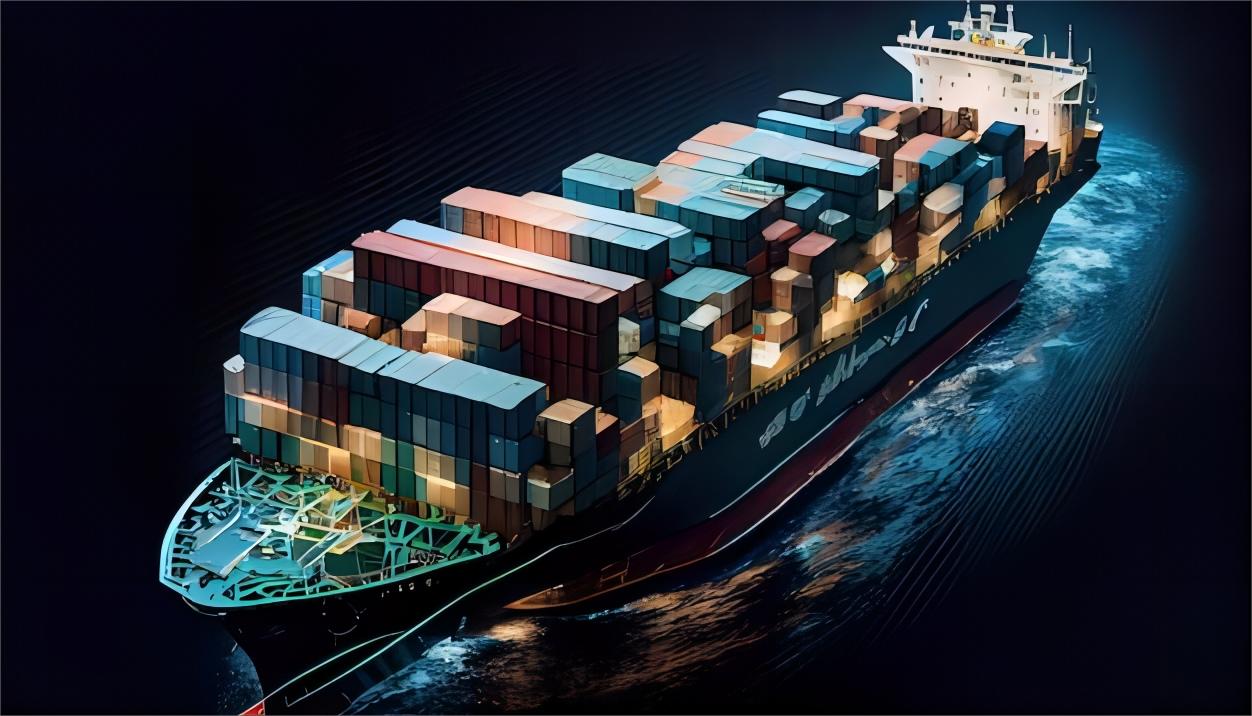
Moreover, the choice between different transport modes significantly impacts the total landed cost of your goods. For instance, high-value electronics often require faster transit, whereas bulk commodities benefit from the cost-efficiency of ocean transport.
Distance between the origin city and the destination port also plays a critical role in the final calculation. Additionally, seasonal fluctuations during peak times like the Chinese New Year can cause rates to spike by 20% or more due to limited carrier capacity.
Market intelligence suggests that understanding these factors allows importers to better negotiate their terms. Furthermore, fuel surcharges and currency adjustment factors are often added to the base rate, making it essential to request a detailed breakdown.
How Does Sea Freight Compare to Other Shipping Options?
Evaluating the best transport method requires a balanced look at cost, speed, and reliability across all available routes. While sea freight remains the most popular choice for large volumes, it is not always the most efficient for every business model.
Ocean transport offers the lowest cost per unit for shipments exceeding 15 cubic meters. On the other hand, air freight provides unparalleled speed for urgent deliveries, though at a significantly higher price point.
Rail freight has emerged as a middle-ground solution for shipments moving from China to Europe, offering faster transit than the sea without the high costs of air. However, rail is not a viable option for routes to North America or Australia due to geographical constraints.
Hybrid solutions, such as sea-air combinations, can sometimes provide a strategic advantage by balancing costs and transit times. Therefore, businesses must analyze their specific inventory needs before committing to a single shipping method.
| Shipping Method | Cost Range | Transit Time | Best For | Limitations |
|---|---|---|---|---|
| Sea Freight | $1,500 – $5,000 | 18 – 45 Days | Bulk Goods | Slow Speed |
| Air Freight | $5 – $12 per kg | 3 – 7 Days | High Value | Expensive |
| Rail Freight | $2,500 – $4,500 | 15 – 22 Days | Mid-range | Region Specific |
| Express | $8 – $15 per kg | 2 – 5 Days | Samples | Weight Limits |
Understanding FCL vs. LCL in Your China Freight Forwarder Quote
Choosing between Full Container Load (FCL) and Less than Container Load (LCL) is a pivotal decision for any importer. FCL is generally more cost-effective if you have enough cargo to fill at least 60% to 70% of a 20ft container.
LCL allows you to share container space with other shippers, which is ideal for smaller volumes under 15 CBM. Nevertheless, LCL shipments often incur higher terminal handling charges and may face longer processing times at the destination port.
Direct routes for FCL are typically faster because the container does not need to be deconsolidated at a warehouse. Conversely, LCL shipments involve more cargo handling, which slightly increases the risk of damage or minor delays during customs inspections.
According to industry benchmarks, switching from LCL to FCL once your volume hits 14 CBM can save you roughly 15% on total shipping costs. Indeed, planning your production cycles to consolidate shipments is a proven strategy for reducing your logistics spend.
Real-World Case Studies: Analyzing Freight Outcomes
Analyzing actual shipping scenarios helps illustrate how a China freight forwarder quote translates into real-world costs and timelines. Below are three examples based on market data from the current year.
Case Study 1: Electronics to Los Angeles. Route: Shenzhen to Los Angeles. Cargo: 500kg of consumer electronics. Method: air freight. Total Cost: $4,250. Transit Time: 6 days. Key Insight: Speed was prioritized over cost to meet a product launch deadline.
Case Study 2: Furniture to Hamburg. Route: Ningbo to Hamburg. Cargo: 40HQ Container of wooden furniture. Method: Sea Freight via direct carrier. Total Cost: $3,800. Transit Time: 33 days. Key Insight: Booking 4 weeks in advance secured a rate 10% lower than the spot market average.
Case Study 3: Industrial Parts to Sydney. Route: Shanghai to Sydney. Cargo: 8 CBM of machine parts. Method: LCL Sea Freight. Total Cost: $1,200. Transit Time: 18 days. Key Insight: Efficient customs brokerage ensured the cargo cleared the port in under 48 hours.
Step-by-Step Guide: How to Request an Accurate Quote
Providing precise information is the only way to receive a quote that holds up during the actual shipping process. Start by detailing the exact dimensions, weight, and nature of your goods to avoid unexpected surcharges later.
Clarify the Incoterms with your supplier before contacting a forwarder, as terms like FOB or EXW drastically change who pays for local transport. Consequently, failing to define these terms can lead to disputes and delayed shipments.
Request a comprehensive breakdown that includes ocean freight, documentation fees, and destination charges. Additionally, ensure that the quote specifies the validity period, as rates in the shipping industry can change weekly.
Comparing multiple quotes is a standard practice, but the cheapest option is not always the most reliable. Therefore, evaluate the forwarder based on their communication speed and their experience with your specific product category.
Which Shipping Option Should You Choose?
Selecting the right logistics strategy depends on your specific business priorities and the nature of your inventory. If your primary goal is cost reduction and you have flexible deadlines, sea freight is undoubtedly the best path forward.
Speed becomes the priority when dealing with perishable goods or urgent restocks for an Amazon FBA store. In these instances, air freight or express services provide the necessary agility to maintain high seller ratings.
Volume thresholds should also dictate your choice; for example, shipments under 100kg are almost always better suited for express couriers. Meanwhile, once you exceed 500kg, the price gap between air and sea becomes significant enough to justify longer lead times.
Cargo type considerations are equally vital, as hazardous materials or oversized items may be restricted from certain aircraft or rail routes. Visit: https://logisticsfromchina.com/ to consult with experts who can help you navigate these specialized requirements.
Hidden Costs and How to Avoid Them
Unexpected fees can quickly erode the profitability of an import venture if they are not accounted for in the initial budget. Port congestion surcharges and container detention fees are common examples of costs that rarely appear on a basic quote.
Customs duties and taxes are often the largest variable expense, yet they are typically excluded from a standard freight quote. Accordingly, working with a professional to estimate these costs beforehand prevents unpleasant surprises at the border.
Insurance is another critical component that many importers overlook to save a few dollars. However, the cost of insurance is minimal compared to the potential loss of an entire shipment due to maritime accidents or theft.
Note: Freight rates are subject to change based on fuel costs, carrier capacity, and seasonal demand. Contact us for a current quote tailored to your specific shipment.
Logistics Trends Impacting Rates in 2024 and Beyond
Global events and technological shifts continue to reshape the landscape of international shipping and pricing. As of the current year, environmental regulations are forcing carriers to invest in greener fuels, which may lead to modest increases in base rates.
Digitalization in the supply chain is also making it easier for shippers to track cargo in real-time and manage documentation. Furthermore, the diversification of manufacturing hubs within China is shifting some traffic from traditional ports to emerging logistics centers.
Capacity management by major shipping alliances remains a key factor in keeping freight rates stable. Meanwhile, geopolitical stability in key shipping lanes like the Suez Canal continues to influence the risk premiums applied to international quotes.
Staying informed about these trends allows you to time your shipments more effectively. For instance, shipping during the off-peak months of March and April can result in significant savings compared to the busy Q4 holiday season.
Final Thoughts on Securing Your Shipping Quote
Securing an accurate China freight forwarder quote requires attention to detail and a clear understanding of your logistics goals. By comparing different transport modes and being mindful of hidden costs, you can significantly improve your bottom line.
Remember that the lowest price does not always guarantee the best service, so choose a partner with a proven track record. Take the time to analyze your shipping volume and transit requirements to find the most efficient solution for your business.

Start Your Shipment
Ready to optimize your supply chain with a competitive China freight forwarder quote? Contact our team today for a transparent, all-inclusive pricing plan that fits your business needs. Send Inquiry:
Request Quote