China Railway Freight Service Premium Service: 2026 Logistics Guide
“Global trade demands higher efficiency and more reliable schedules than ever before in the current market. Utilizing a china railway freight service premium service provides businesses with a strategic advantage by balancing speed and cost effectively. This comprehensive guide explores how modern rail infrastructure supports seamless international trade between Asia and the rest of the world.”
What Defines a China Railway Freight Service Premium Service?
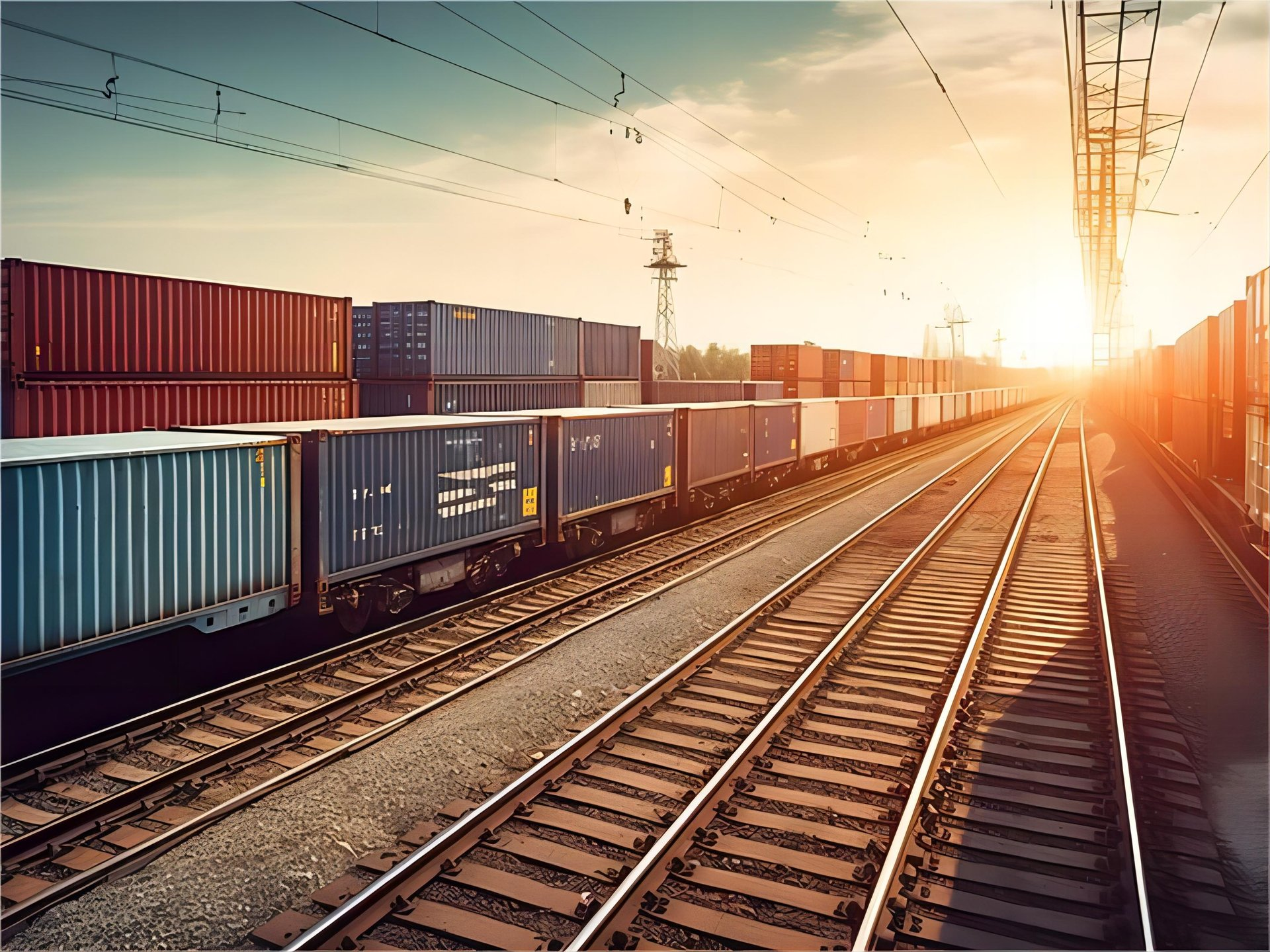
❖Premium rail solutions represent the pinnacle of land-based logistics between China and international destinations. These services prioritize speed, security, and consistent scheduling to meet the needs of high-value cargo owners. Consequently, many manufacturers of electronics and automotive parts now rely on these dedicated routes.
Furthermore, a high-quality rail freight provider offers end-to-end visibility through advanced tracking technology. Shippers receive real-time updates on their container locations as they traverse the Eurasian land bridge. This level of transparency reduces uncertainty in the supply chain significantly.
Moreover, the premium designation implies specialized handling and priority loading at major hubs like Xi’an, Chengdu, and Chongqing. Such facilities ensure that shipments bypass common bottlenecks often found in standard logistics channels. Indeed, the focus remains on minimizing dwell time at border crossings and transit points.
The Role of Infrastructure in 2026
Technological advancements in 2026 have streamlined the gauge-changing process at international borders. This improvement shortens the overall transit time by several hours or even days. Meanwhile, new smart terminals utilize automation to accelerate the sorting and dispatching of containers.
How Does China Railway Freight Service Premium Service Compare to Other Shipping Options?
❖Comparing different transportation modes is essential for any logistics manager looking to optimize their budget. While sea freight remains the most cost-effective for massive volumes, it often lacks the speed required for urgent inventory replenishment. In contrast, rail offers a middle ground that satisfies both speed and budget constraints.
Additionally, air freight provides the fastest delivery but comes with significantly higher costs and stricter weight limitations. Rail transport typically costs about 70 percent less than air while arriving much faster than ocean vessels. Therefore, it serves as an ideal solution for seasonal goods and high-demand consumer products.
Market data suggests that rail services have become increasingly stable as of early 2026. This stability allows companies to plan their production cycles with greater precision. Below is a detailed comparison of the primary shipping methods available for international trade.
| Shipping Method | Cost Range | Transit Time | Best For |
|---|---|---|---|
| Sea Freight | $2,500 – $4,500 | 30 – 45 Days | Bulk Goods |
| Rail Freight | $4,500 – $7,500 | 12 – 18 Days | High-Value Goods |
| Air Freight | $15,000 – $25,000 | 3 – 7 Days | Urgent Samples |
| Express | $20,000+ | 2 – 4 Days | Documents/Small |
Shipping Costs and Rates in 2026
❖Freight rates from China have shown moderate fluctuations throughout the first quarter of 2026. Specifically, premium rail services command a higher price point due to their guaranteed departure windows and faster transit times. Nevertheless, the value proposition remains strong for businesses targeting specific delivery dates.
According to industry benchmarks, a standard 40HQ container from Central China to Western Europe currently ranges between $6,500 and $8,200. These rates include various surcharges such as fuel adjustments and terminal handling fees. Consequently, shippers should always request a detailed quote to understand the full landed cost.
Seasonal patterns continue to influence pricing significantly during the peak months of August through October. During this period, rates typically increase by 15 to 25 percent as demand for holiday inventory surges. Planning ahead and securing space early can help mitigate these seasonal price hikes.
| Route | 20GP Container | 40HQ Container | Avg. Transit |
|---|---|---|---|
| China to Poland | $4,200 – $5,100 | $6,500 – $7,800 | 12-14 Days |
| China to Germany | $4,500 – $5,500 | $6,800 – $8,200 | 14-16 Days |
| China to France | $4,800 – $5,800 | $7,200 – $8,500 | 16-18 Days |
Cost-Saving Strategies
Consolidating smaller shipments into a Less than Container Load (LCL) can reduce costs for lower volumes. Moreover, choosing off-peak departure dates often results in more favorable pricing from carriers. Always verify if your cargo qualifies for specific rail subsidies offered by regional Chinese hubs.
Managing Customs and Documentation for Premium Rail
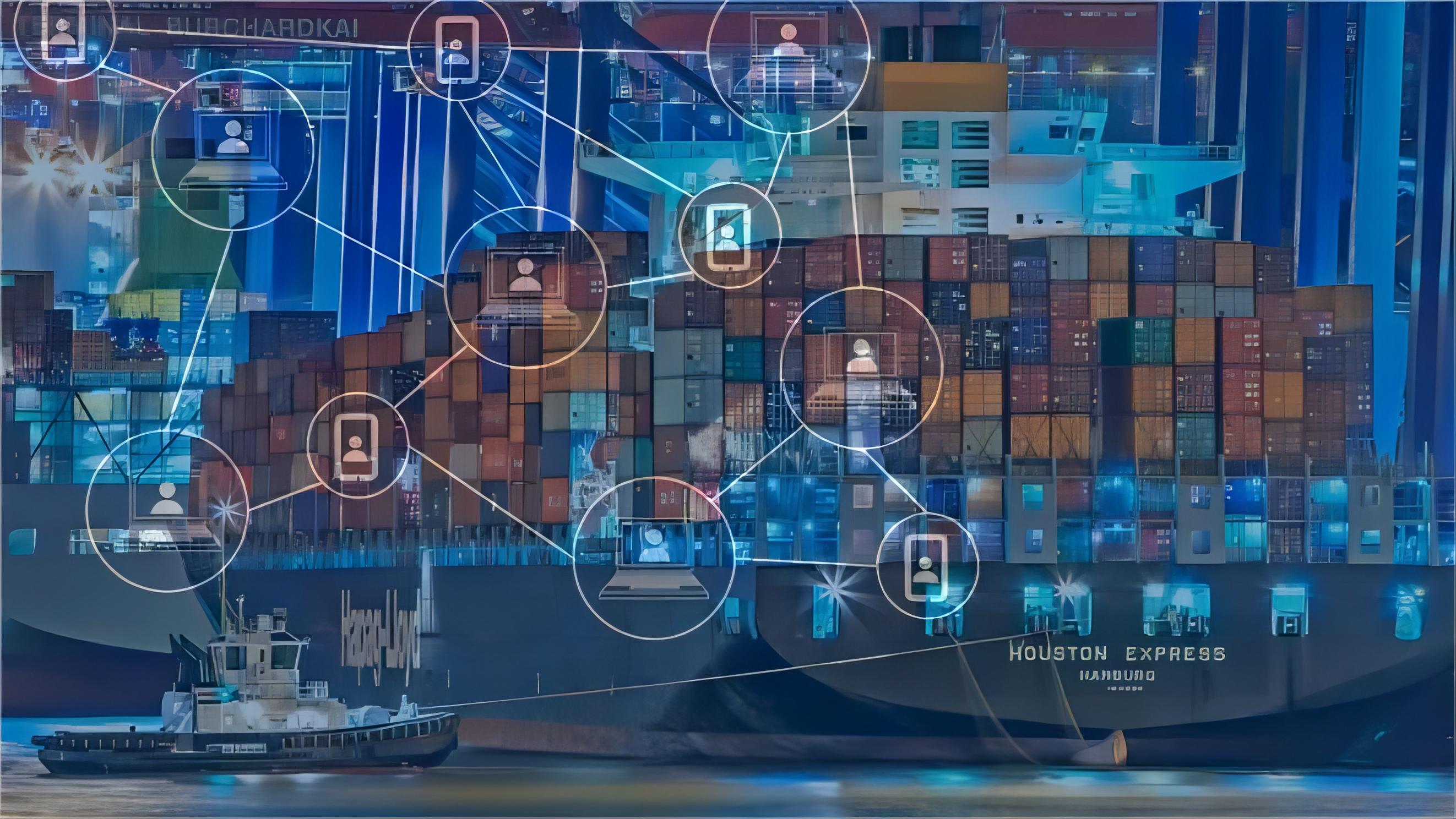
❖Navigating the complexities of international trade requires meticulous attention to detail and proper paperwork. Utilizing a professional customs brokerage service ensures that all declarations comply with local regulations. Consequently, this prevents costly delays and potential fines at border crossings.
Required documents typically include the commercial invoice, packing list, and the international railway waybill (CIM/SMGS). Additionally, certain products may require specific certificates of origin or safety data sheets. Ensuring these documents are accurate before the train departs is vital for a smooth transit.
Indeed, premium services often include pre-clearance options that allow customs officials to review data while the cargo is still in transit. This proactive approach significantly reduces the time spent at the final destination port or terminal. Shippers benefit from faster release times and improved supply chain velocity.
Which Option Should You Choose?
❖Deciding on the best shipping method depends heavily on your specific business priorities and cargo characteristics. If your primary goal is minimizing expenditure and time is not a factor, traditional ocean routes remain the best choice. However, if you need to balance speed with a reasonable budget, the door to door rail option is superior.
Budget priority: Choose sea freight for non-urgent, high-volume commodities. Speed priority: Select air freight for perishable items or critical components. Cargo type: Use rail for heavy machinery, electronics, and automotive parts that require stable conditions.
Volume thresholds also play a role in the decision-making process. For shipments exceeding 15 cubic meters, a Full Container Load (FCL) via rail often becomes more economical than multiple LCL air shipments. Always evaluate the total landed cost rather than just the initial freight rate.
Real-World Scenarios and Case Studies
❖Examining actual shipments provides valuable insights into the practical application of premium rail services. These examples highlight the efficiency and reliability of the Eurasian rail network in 2026. Specifically, they demonstrate how different industries utilize rail to solve complex logistics challenges.
Note: Freight rates are subject to change based on fuel costs, carrier capacity, and seasonal demand. Contact us for a current quote tailored to your specific shipment.
Case Study 1: High-Value Electronics Route: Shenzhen, China to Hamburg, Germany Cargo: Consumer Electronics, 65 CBM, 12,000 kg Container: 40HQ Shipping Details: – Carrier: Premium Rail Express – Port of Loading: Xi’an Inland Port – Port of Discharge: Hamburg Billwerder – Route Type: Direct Cost Breakdown: – Rail Freight: $7,800 – Origin Charges: $450 – Destination Charges: $600 – Customs and Duties: $1,200 – Total Landed Cost: $10,050 Timeline: – Booking to Loading: 3 days – Rail Transit: 15 days – Customs Clearance: 1 day – Total Door-to-Door: 19 days Key Insight: The client saved 20 days compared to sea freight, allowing them to hit a critical product launch date in Europe.
Case Study 2: Automotive Components Route: Chengdu, China to Warsaw, Poland Cargo: Engine Parts, 28 CBM, 8,500 kg Container: 20GP Shipping Details: – Carrier: Major Silk Road Carrier – Port of Loading: Chengdu International Railway Port – Port of Discharge: Warsaw Pruszkow – Route Type: Direct Cost Breakdown: – Rail Freight: $4,900 – Origin Charges: $380 – Destination Charges: $520 – Customs and Duties: $900 – Total Landed Cost: $6,700 Timeline: – Booking to Loading: 4 days – Rail Transit: 13 days – Customs Clearance: 2 days – Total Door-to-Door: 19 days Key Insight: Using rail instead of air freight saved the manufacturer over $8,000 while still meeting the production line schedule.
Summary of Premium Rail Advantages
To summarize, selecting a china railway freight service premium service offers a unique combination of speed, reliability, and cost-effectiveness. As we move through 2026, the continued investment in rail infrastructure ensures that this mode of transport remains a vital component of global trade. Businesses that leverage these services can expect shorter lead times and improved cash flow.
Moreover, the ability to track shipments in real-time and utilize professional customs support reduces the risks associated with international shipping. Whether you are moving electronics, automotive parts, or consumer goods, premium rail provides a robust solution. Always consider your specific cargo needs and budget when choosing between rail, sea, and air options.
Ready to streamline your logistics?
Ready to optimize your supply chain with a reliable china railway freight service premium service? Contact our expert team today to receive a customized quote and streamline your international logistics. Visit us to learn more: