
China to Europe Shipping International UAE: Expert Logistics Guide
Navigating the complexities of china to europe shipping international uae requires a strategic approach to modern supply chain management. Logistics From China provides comprehensive freight solutions designed to streamline your global trade operations. Businesses today face unique challenges that demand reliable transit times and cost-effective shipping strategies to remain competitive in the European market.
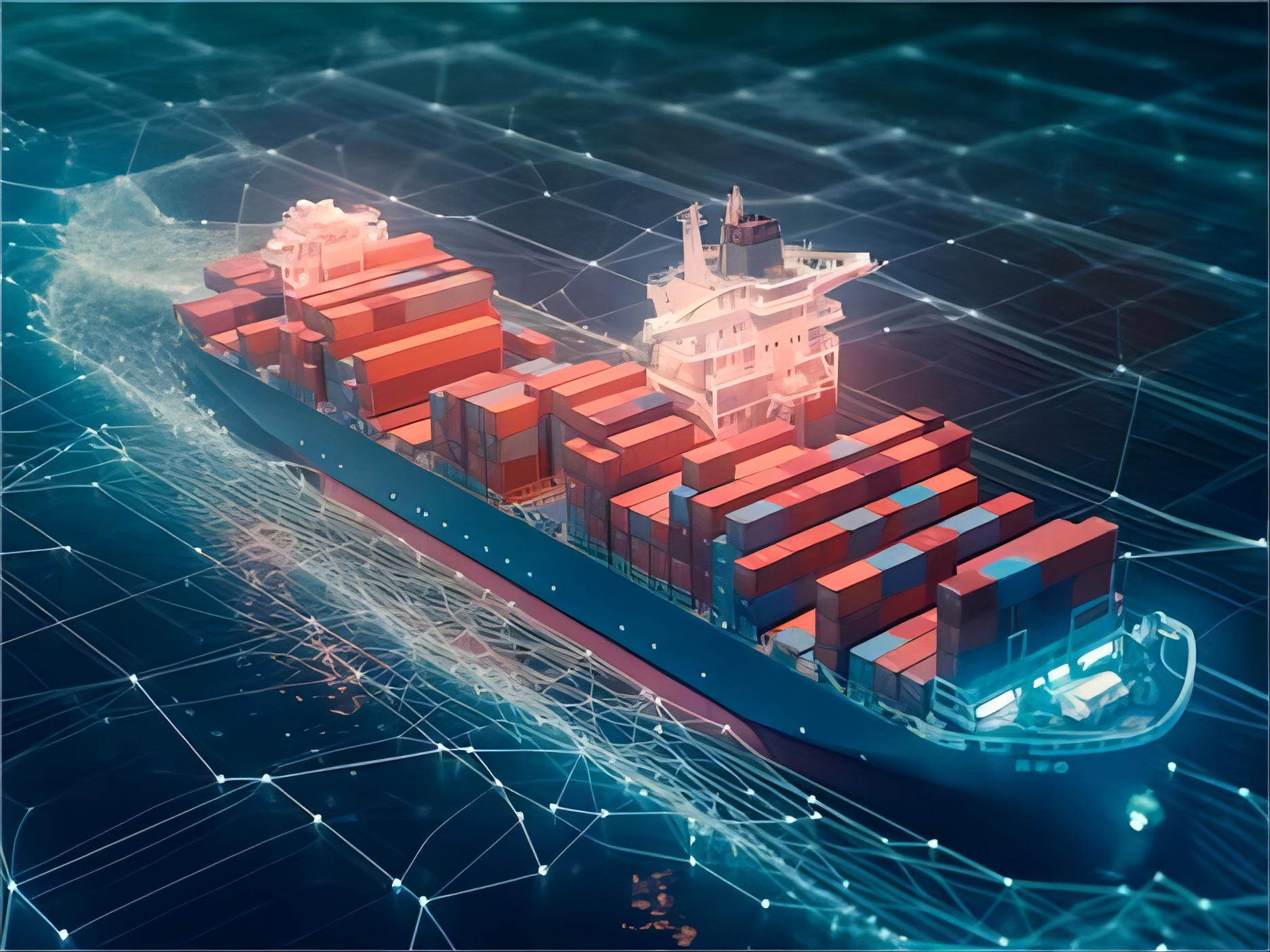
Why China to Europe Shipping International UAE is Growing in 2025
Global trade dynamics have shifted significantly over the last few years, making the route from China to Europe more critical than ever. Furthermore, the integration of the UAE as a transshipment hub has added a new layer of flexibility for international logistics providers. Consequently, many businesses are now looking at hybrid solutions that combine the speed of air travel with the capacity of sea transport.
Moreover, the current market conditions in early 2025 suggest that freight rates have stabilized following the disruptions seen in previous years. Specifically, the Red Sea corridor remains a focal point for maritime safety, leading many carriers to optimize their routes through the UAE. Therefore, understanding these geopolitical factors is essential for any importer looking to maintain a steady flow of goods.
Additionally, the rise of e-commerce has accelerated the demand for faster delivery schedules across the continent. Indeed, consumers in Europe now expect rapid fulfillment, which puts pressure on the traditional supply chain models. As a result, logistics companies are investing heavily in technology to track cargo handling in real-time.
Notably, the collaboration between Chinese manufacturers and European distributors has reached an all-time high. This synergy requires a robust infrastructure that can handle diverse cargo types, from heavy machinery to sensitive electronics. Ultimately, choosing the right partner for your international shipping needs can make the difference between profit and loss.
How Does Sea Freight Compare to Other China to Europe Shipping International UAE Options?
Selecting the most efficient transport mode involves weighing the trade-offs between cost and speed. For instance, sea freight remains the most economical choice for large-scale shipments and bulk commodities. However, the transit time for ocean transport is significantly longer compared to other available methods.
In contrast, air freight offers unparalleled speed but comes with a much higher price tag. Consequently, it is typically reserved for high-value items or urgent deliveries that cannot wait for a ship to cross the ocean. Meanwhile, rail freight has emerged as a viable middle ground, offering faster transit than sea and lower costs than air.
Specifically, when shipping from China to Europe through the UAE, many businesses opt for sea-air combinations. This hybrid approach involves moving goods by sea to a hub like Dubai and then flying them to European destinations. Therefore, you can achieve a balance that satisfies both your budget and your delivery timeline requirements.
Regardless of the method chosen, freight rates are subject to change based on fuel costs and seasonal demand. For example, rates typically increase by 15-25 percent during the peak season from August to October. Consequently, booking your space well in advance is always a recommended strategy for cost management.
| Shipping Method | Cost Range | Transit Time | Best For |
|---|---|---|---|
| Sea Freight | $1,800 – $4,200 | 28-45 Days | Bulk & Heavy Goods |
| Air Freight | $5,000 – $15,000 | 3-7 Days | Urgent & High Value |
| Rail Freight | $2,500 – $5,500 | 15-22 Days | E-commerce & Mid-size |
| Sea-Air Hybrid | $3,500 – $7,000 | 12-18 Days | Balanced Priority |

Which Strategy Fits Your China to Europe Shipping International UAE Needs?
Determining the best logistics strategy requires a deep dive into your specific cargo requirements and business goals. If your priority is keeping costs as low as possible, we recommend utilizing Full Container Load (FCL) sea shipping. On the other hand, if you are moving smaller volumes, Less than Container Load (LCL) might be more suitable despite the slightly higher cost per cubic meter.
Furthermore, air freight is the logical choice for time-sensitive product launches or seasonal fashion items. Additionally, businesses dealing with perishable goods must prioritize speed to ensure product integrity upon arrival in Europe. Therefore, the nature of your product often dictates the transport mode before budget even enters the conversation.
Moreover, rail freight provides a sustainable and efficient alternative for shipments originating in inland China. This method bypasses congested ports and offers a direct link to major European rail hubs. Consequently, it has become a favorite for automotive parts and industrial components that require a predictable schedule.
Indeed, the UAE serves as a critical junction where these different modes of transport converge. By leveraging the world-class facilities in the UAE, shippers can pivot between sea and air routes as market conditions change. As a result, your supply chain becomes more resilient to global disruptions and local port congestion.
Navigating Customs and Documentation for International Shipping
Managing the paperwork for international trade is often the most challenging part of the entire process. Specifically, customs brokerage services are essential to ensure that your goods comply with both Chinese export laws and European import regulations. Without the correct documentation, your shipment could face lengthy delays or expensive fines at the border.
Furthermore, you must prepare a comprehensive set of documents including the commercial invoice, packing list, and bill of lading. Additionally, some products may require specific certificates of origin or safety compliance reports. Consequently, working with an experienced freight forwarder who understands the nuances of European customs is a major advantage.
In addition, the UAE has its own set of transshipment regulations that must be followed if your goods are passing through their ports. Therefore, ensuring that all transit manifests are correctly filed is vital for a smooth journey. Fortunately, modern digital platforms have made it easier to manage these documents electronically, reducing the risk of manual errors.
Ultimately, a proactive approach to customs clearance will save you time and money in the long run. By verifying all requirements before the cargo leaves the factory, you prevent bottlenecks at the port of discharge. Indeed, many successful importers consider documentation to be just as important as the physical transport of the goods.
| Document Name | Purpose | Required By | Typical Lead Time |
|---|---|---|---|
| Commercial Invoice | Value Declaration | Customs | 1-2 Days |
| Bill of Lading | Title of Goods | Carrier | 2-3 Days |
| Packing List | Content Detail | Warehouse | 1 Day |
| Cert. of Origin | Duty Calculation | Import Authority | 3-5 Days |
Real-World Case Studies for International Shipping
Examining real-world examples helps to illustrate the practical application of different shipping strategies. For instance, consider a recent shipment of high-end electronics from Shenzhen to a distribution center in Germany. By using a sea-air hybrid model via the UAE, the client was able to reduce transit time by 40 percent compared to standard sea freight.
Another example involves a large furniture order from Foshan destined for a retail chain in the United Kingdom. Specifically, the client opted for FCL sea freight to maximize their budget and ensure the safety of the bulky items. Consequently, they achieved the lowest possible landed cost per unit, which was their primary objective for this particular project.
Notably, these cases demonstrate that there is no one-size-fits-all solution in international logistics. Each shipment requires a tailored approach that considers the specific constraints and opportunities of the route. Therefore, we always recommend a consultation to determine the most effective path for your cargo.
Note: Freight rates are subject to change based on fuel costs, carrier capacity, and seasonal demand. Contact us for a current quote tailored to your specific shipment.
Case Study 1: Electronics Distribution
Route: Shenzhen, China to Hamburg, Germany via Dubai, UAE
Cargo: Consumer Electronics, 12 CBM, 4,500 kg
Container: LCL Shipment
Shipping Details:
– Carrier/Service: Sea-Air Hybrid via Major Carrier
– Port of Loading: Shenzhen
– Port of Discharge: Hamburg
– Route Type: Transshipment via Dubai
Cost Breakdown:
– Ocean Freight: $1,200
– Air Freight (Dubai to Hamburg): $3,800
– Origin/Destination Charges: $950
– Total Landed Cost: $5,950
Timeline:
– Booking to Loading: 3 days
– Total Door-to-Door: 16 days
Key Insight: This method allowed the client to meet a strict product launch deadline while saving $4,000 compared to pure air freight.
Case Study 2: Industrial Machinery
Route: Ningbo, China to Rotterdam, Netherlands
Cargo: Industrial Lathes, 28 CBM, 18,000 kg
Container: 40GP Full Container
Shipping Details:
– Carrier/Service: COSCO Direct Service
– Port of Loading: Ningbo
– Port of Discharge: Rotterdam
– Route Type: Direct
Cost Breakdown:
– Ocean Freight: $3,400
– Origin Charges: $450
– Destination Charges: $600
– Total Landed Cost: $4,450
Timeline:
– Booking to Loading: 5 days
– Sea Transit: 33 days
– Total Door-to-Door: 42 days
Key Insight: Direct sea freight provided the stability needed for heavy machinery where transit speed was secondary to cost efficiency.

Strategies to Reduce Your Shipping Costs
Implementing cost-saving measures is vital for businesses looking to optimize their international trade margins. One effective strategy is to consolidate multiple small shipments into a single container to take advantage of FCL rates. Furthermore, optimizing your packaging to reduce wasted space can lead to significant savings over time.
Additionally, utilizing door to door services can often be more economical than managing each leg of the journey separately. This is because integrated providers can negotiate better rates across the entire supply chain. Consequently, you benefit from a single point of contact and reduced administrative overhead.
Moreover, staying informed about market trends allows you to time your shipments during periods of lower demand. For instance, shipping just before or after major holidays in China can help you avoid the steepest rate hikes. Therefore, planning your production schedules around the logistics calendar is a smart business move.
Indeed, small adjustments to your logistics plan can yield large results in your bottom line. By working closely with your freight forwarder, you can identify inefficiencies and implement better cargo handling practices. Ultimately, a lean and agile supply chain is your best defense against fluctuating market prices.
The Role of the UAE as a Strategic Hub for Europe Shipping
The United Arab Emirates has established itself as one of the world’s premier logistics hubs, connecting the East and the West. Specifically, its state-of-the-art ports and airports allow for seamless transitions between different modes of transport. This makes it an ideal location for transshipment when moving goods to Europe.
Furthermore, the UAE’s free zones offer tax incentives and streamlined customs processes that benefit international shippers. Consequently, many companies use the UAE as a regional distribution center to hold inventory closer to their final markets. This strategy reduces the lead time for European customers and improves overall service levels.
Additionally, the infrastructure in the UAE is designed to handle massive volumes of cargo with high efficiency. For example, the Jebel Ali Port is one of the busiest in the world, equipped with the latest technology for container management. Therefore, your goods are less likely to experience delays during the transshipment phase of their journey.
Notably, the UAE’s geographical location provides a safety net during times of maritime instability in other regions. By offering alternative routes and transport combinations, the UAE ensures that global trade continues to flow smoothly. As a result, it remains a cornerstone of the modern china to europe shipping international uae network.
Final Thoughts on International Shipping Success
Successfully managing china to europe shipping international uae requires a combination of local expertise, global networks, and strategic planning. By understanding the various transport modes and leveraging the strengths of hubs like the UAE, businesses can navigate the complexities of international trade with confidence.
Furthermore, staying proactive with documentation and cost-saving strategies will ensure that your logistics operations remain a competitive advantage. Whether you choose sea, air, or rail, the key is to work with a partner who understands your unique requirements. Ultimately, a well-executed shipping plan is the foundation of a successful international business.

Ready to streamline your logistics?
Ready to optimize your supply chain and reduce costs for china to europe shipping international uae? Contact our expert team today for a personalized quote and professional logistics advice tailored to your business needs. Visit Logistics From China to get started with a free consultation and discover how we can streamline your international operations. Send Inquiry: Visit our contact page to speak with a specialist.
Request Quote