
FCL Shipping China to USA: 2026 Complete Freight Guide
Navigating the complexities of international trade requires a reliable logistics partner like Logistics From China to ensure your goods arrive safely and on time. Importers often face significant challenges when managing FCL shipping China to USA, including fluctuating freight rates and complex customs regulations. This comprehensive guide provides the strategic insights you need to streamline your ocean freight operations and minimize total landed costs in the 2026 market environment.
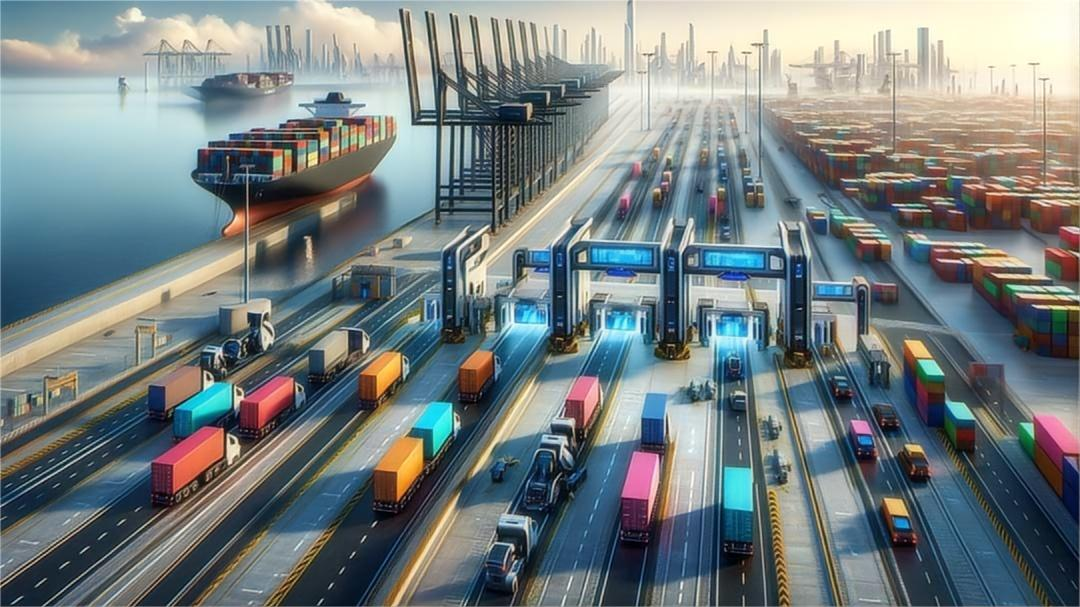
What is FCL Shipping and Why Choose It for USA Imports?
Full Container Load (FCL) shipping involves renting an entire 20ft or 40ft container exclusively for your merchandise. Consequently, this method is ideal for businesses moving large volumes of goods that require dedicated space and enhanced security. Moreover, sea freight remains the most economical solution for bulk transport compared to air or express alternatives.
Choosing FCL provides several distinct advantages over Less than Container Load (LCL) shipments. For instance, FCL cargo typically experiences less handling, which significantly reduces the risk of damage during transit. Additionally, FCL shipments often move faster because they do not require the time-consuming consolidation and deconsolidation processes associated with shared containers.
Freight rates for FCL are generally more stable on a per-unit basis when you have enough volume to fill a container. Indeed, most high-volume importers prefer FCL to maintain better control over their supply chain and delivery schedules. Furthermore, the 2026 market shows that FCL remains the backbone of trans-Pacific trade due to its efficiency and scalability.
How Does FCL Shipping Compare to Other Shipping Options?
Understanding the differences between shipping methods is crucial for optimizing your logistics budget. While FCL is the standard for large shipments, alternatives like air freight or LCL might be better suited for specific scenarios. For example, air freight offers unmatched speed but comes at a significantly higher cost per kilogram.
Alternative strategies often involve hybrid solutions to balance speed and cost. You might consider sea-air combinations if you need faster delivery than ocean freight but cannot justify the full cost of air transport. Additionally, for shipments under 15 CBM, LCL might save you money, although it increases the transit time by 5 to 7 days on average.
Decision criteria should focus on your specific business needs and cargo characteristics. If budget is your primary priority, FCL is almost always the winner for large volumes. However, if speed is critical for a product launch, air freight is the necessary choice despite the expense. Note: Freight rates are subject to change based on fuel costs, carrier capacity, and seasonal demand. Contact us for a current quote tailored to your specific shipment.
| Shipping Method | Cost Range (2026) | Transit Time | Best For |
|---|---|---|---|
| FCL (40HQ) | $3,500 – $5,500 | 18 – 35 Days | High volume bulk goods |
| LCL (per CBM) | $60 – $110 | 25 – 45 Days | Small shipments < 15 CBM |
| Air Freight | $5.50 – $9.00/kg | 5 – 9 Days | Urgent or high-value items |
| Express | $9.00 – $14.00/kg | 3 – 5 Days | Samples and small parcels |
Standard FCL Container Sizes and Capacity
Selecting the right container size is the first step in maximizing your shipping efficiency. The most common options are the 20GP, 40GP, and 40HQ containers, each offering different volume and weight capacities. For instance, the 20GP is excellent for heavy machinery or dense goods, while the 40HQ is the gold standard for consumer electronics and furniture.
Standard dimensions play a vital role in how you pack your cargo. A 20ft container typically holds about 28 to 30 CBM, whereas a 40ft High Cube can accommodate up to 76 CBM. Consequently, choosing the 40HQ often results in a lower cost per cubic meter if your cargo is light but bulky.
Weight limits are equally important to consider to avoid fines or transit delays. In the USA, road weight limits are strict, so you must ensure your FCL container does not exceed legal limits for inland trucking. Furthermore, proper cargo handling and weight distribution within the container prevent damage and ensure safety during the ocean voyage.
| Container Type | Volume Capacity | Max Payload | Common Use Case |
|---|---|---|---|
| 20GP (Standard) | 33 CBM | 28,000 kg | Heavy/dense materials |
| 40GP (Standard) | 67 CBM | 26,000 kg | General merchandise |
| 40HQ (High Cube) | 76 CBM | 26,000 kg | Light/bulky retail goods |

Transit Times for FCL Shipping China to USA
Transit times vary significantly depending on whether you are shipping to the US West Coast or the East Coast. Typically, shipments from major Chinese ports like Shanghai or Ningbo to Los Angeles or Long Beach take 14 to 18 days. On the other hand, shipping to New York or Savannah via the Panama Canal can take 30 to 38 days.
Port congestion and seasonal peaks can influence these timelines throughout the year. For example, during the pre-Lunar New Year rush or the Q3 peak season, transit times may increase due to vessel delays. Nevertheless, FCL remains more predictable than LCL because the container moves directly from the loading port to the discharge port.
Direct routes are generally preferred for their speed and reliability. However, some carriers offer transshipment options through hubs like Busan or Kaohsiung, which might be slightly cheaper but add several days to the schedule. In 2026, many importers are opting for direct West Coast services combined with rail transport to reach inland destinations faster.
| Origin Port | Destination Port | Transit Time (Days) | Route Type |
|---|---|---|---|
| Shenzhen | Los Angeles | 15 – 18 | Direct |
| Shanghai | New York | 32 – 36 | All-Water (Panama) |
| Ningbo | Chicago | 22 – 26 | Intermodal (via LA) |
| Qingdao | Savannah | 34 – 38 | Direct |
Estimating FCL Shipping China to USA Costs in 2026
Freight rates in early 2026 have stabilized following the volatility seen in previous years. Currently, a 40HQ container from China to the US West Coast typically ranges between $3,000 and $4,200, depending on the carrier and contract terms. Meanwhile, East Coast rates remain higher, often falling between $4,500 and $6,000 due to longer distances and canal fees.
Total landed costs include more than just the ocean freight rate. You must also account for origin charges, destination handling fees, and insurance. Additionally, customs brokerage fees and import duties can significantly impact your final invoice, making accurate budgeting essential for profitability.
Market data suggests that booking at least 3 to 4 weeks in advance is the best way to secure competitive rates. Moreover, staying informed about fuel surcharges and peak season surcharges (PSS) allows you to adjust your pricing strategy accordingly. Note: Freight rates are subject to change based on fuel costs, carrier capacity, and seasonal demand. Contact us for a current quote tailored to your specific shipment.
Navigating Customs and Documentation for FCL
Successful importation depends on meticulous documentation and compliance with US Customs and Border Protection (CBP) regulations. Essential documents include the Commercial Invoice, Packing List, and Bill of Lading. Furthermore, you must ensure that your ISF (Importer Security Filing) is submitted at least 24 hours before the vessel departs from China to avoid heavy fines.
Customs clearance can be a bottleneck if your paperwork is incomplete or inaccurate. Working with an experienced broker ensures that your HTS codes are correctly classified, which determines the duty rates you will pay. Consequently, many businesses choose integrated door to door services to handle both the transport and the legal formalities seamlessly.
Compliance with Section 301 tariffs and other trade policies remains a critical concern for US importers in 2026. Therefore, you should regularly review your product classifications and stay updated on any new trade agreements. Indeed, proactive management of your customs documentation is the most effective way to prevent costly port storage fees and delivery delays.
Real-World Case Studies: FCL Shipping Success
Analyzing real-world scenarios helps importers understand the practical application of FCL shipping strategies. These examples highlight how different businesses optimize their routes and container usage to achieve better results. Each case reflects typical market conditions and pricing observed in early 2026.
Case Study 1: High-Volume Electronics Import. Route: Shenzhen to Los Angeles. Cargo: Consumer electronics, 72 CBM, 12,500 kg. Container: 40HQ. Shipping Details: Direct service via major carrier. Port of Loading: Shenzhen. Port of Discharge: Los Angeles. Cost Breakdown: Ocean Freight $3,850; Origin Charges $450; Destination Charges $600; Total Landed Cost $4,900. Timeline: Booking to Loading 5 days; Sea Transit 16 days; Customs 2 days; Total Door-to-Door 23 days. Key Insight: Early booking during the Q3 peak season saved the client $600 compared to spot rates.
Case Study 2: Furniture Distribution. Route: Ningbo to Savannah. Cargo: Wooden furniture, 28 CBM, 18,000 kg. Container: 20GP. Shipping Details: All-water route via Panama Canal. Port of Loading: Ningbo. Port of Discharge: Savannah. Cost Breakdown: Ocean Freight $2,900; Origin Charges $400; Destination Charges $550; Total Landed Cost $3,850. Timeline: Booking to Loading 7 days; Sea Transit 34 days; Customs 3 days; Total Door-to-Door 44 days. Key Insight: Using a 20GP for heavy furniture maximized the weight limit without paying for unused volume in a 40ft container.
Case Study 3: E-commerce Fulfillment. Route: Shanghai to New York. Cargo: Apparel and accessories, 150 CBM. Container: 2 x 40HQ. Shipping Details: Intermodal via LA Rail. Port of Loading: Shanghai. Port of Discharge: New York (via LA). Cost Breakdown: Ocean Freight $9,200 (total); Origin Charges $900; Destination Charges $1,400; Total Landed Cost $11,500. Timeline: Sea Transit 15 days; Rail Transit 7 days; Customs 2 days; Total 24 days. Key Insight: Choosing intermodal transport saved 10 days compared to the all-water route, which was critical for restocking Amazon FBA inventory.

Which FCL Option Should You Choose? Decision Framework
Determining the best shipping strategy requires evaluating your specific priorities regarding cost, speed, and volume. If your primary goal is cost reduction, the all-water route to the East Coast or a standard West Coast service is usually best. However, if you need to balance speed and budget, intermodal transport via West Coast ports offers a middle ground.
Volume thresholds often dictate when to switch from LCL to FCL. Generally, once your shipment exceeds 15 CBM, a 20GP container becomes more cost-effective than paying LCL rates per cubic meter. Similarly, if your volume exceeds 60 CBM, moving from two 20GP containers to a single 40HQ will significantly lower your freight expenses.
Strategic planning for 2026 should also account for potential disruptions and carrier capacity. Diversifying your port options, such as using Houston or Mobile instead of just New York, can provide a safety net during periods of regional congestion. Ultimately, the right choice depends on a thorough analysis of your supply chain requirements and current market trends.
Summary of FCL Shipping for 2026
Successfully managing FCL shipping China to USA in 2026 requires a combination of strategic planning, accurate documentation, and market intelligence. By understanding the nuances of container sizes, transit times, and customs requirements, you can significantly improve your logistics efficiency. Moreover, choosing the right partner to handle your ocean freight ensures that your goods move smoothly across the Pacific.
As market conditions continue to evolve, staying adaptable and informed is the key to maintaining a competitive edge. Whether you are a small business or a large enterprise, FCL shipping remains the most scalable and secure method for importing goods from China. Implement the strategies discussed in this guide to achieve reliable delivery schedules and optimized shipping costs for your USA-bound cargo.

Need a tailored shipping solution?
Ready to optimize your supply chain with reliable FCL shipping China to USA? Contact our team today for a customized freight quote and professional logistics support. Let us handle the complexities of your next shipment while you focus on growing your business. Reach out now to get started.