
Freight Forwarding for Amazon Sellers: The Ultimate 2026 Logistics Guide
Successfully managing a global e-commerce business requires a robust supply chain that bridges the gap between manufacturers and fulfillment centers. For modern entrepreneurs, selecting the right partner for freight forwarding for amazon sellers is the most critical decision for maintaining inventory levels. This comprehensive guide details how to navigate the evolving logistics landscape of 2026 to ensure your products arrive safely and cost-effectively.
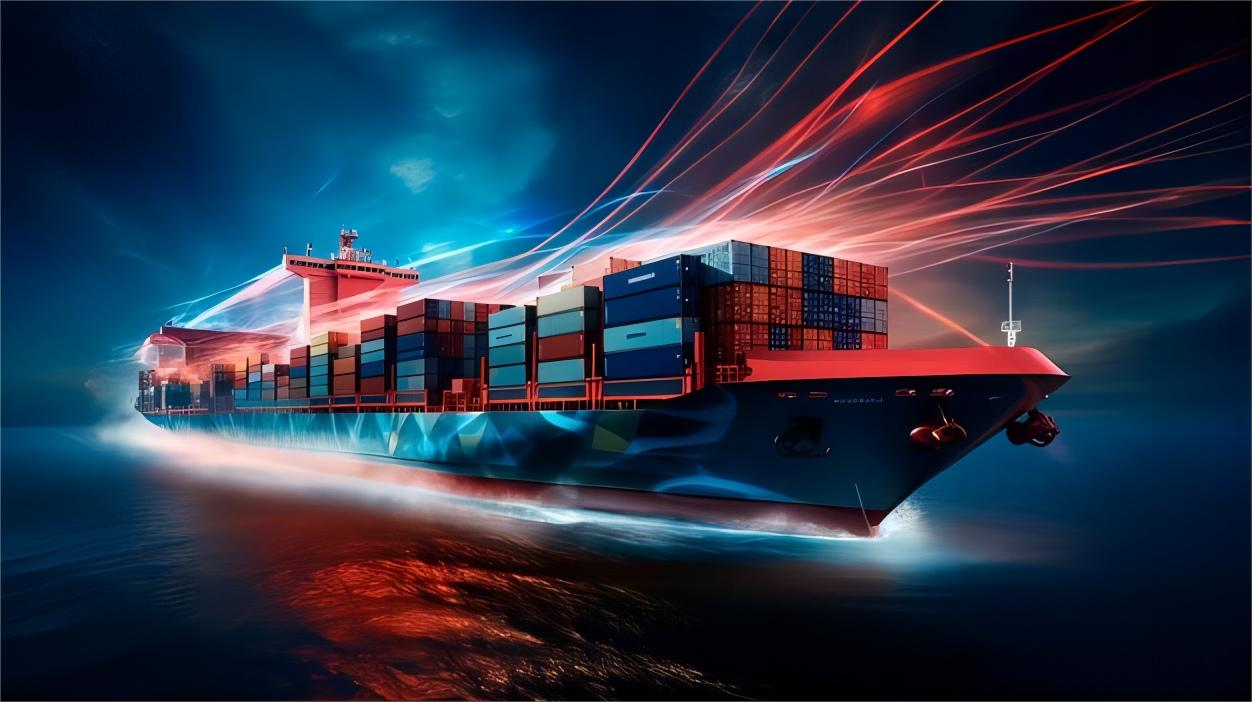
Why Professional Freight Forwarding for Amazon Sellers is Essential in 2026
Modern e-commerce demands a level of precision that traditional shipping methods simply cannot provide in today’s fast-paced market. Consequently, professional logistics management has become the backbone of successful Amazon businesses operating on a global scale.
Freight forwarders act as the essential intermediary between your Chinese suppliers and the final Amazon warehouse destination. Furthermore, they handle the complex documentation required to ensure that your cargo moves through international borders without unnecessary delays.
Choosing a specialized partner helps you avoid common pitfalls such as incorrect labeling or non-compliant packaging. Therefore, investing in expert services prevents costly rejections at the FBA receiving dock.
Market volatility in early 2026 has highlighted the need for flexible logistics solutions that can adapt to changing port conditions. Indeed, a seasoned forwarder provides the agility needed to pivot between different transport modes when disruptions occur.
Evaluating Shipping Methods: Air Freight vs. Sea Freight
Selecting the appropriate transport mode depends heavily on your specific product margins and required delivery speeds. For instance, air freight remains the preferred choice for high-value electronics or urgent restocks that must arrive within days.
Speed comes at a premium price, making it vital to calculate your landed cost accurately before committing to flight schedules. Meanwhile, shipping by air significantly reduces the risk of moisture damage during long ocean voyages.
Conversely, ocean transport offers the most economical solution for bulky or heavy items that do not require immediate shelf presence. Most sellers utilize this method for their baseline inventory to maximize profit margins over the long term.
Transit times for sea routes have stabilized in 2026, allowing for more predictable supply chain planning. Nevertheless, you must account for potential port congestion when calculating your total lead time from the factory floor.
How Does Sea Freight Compare to Other Shipping Options?
Understanding the trade-offs between different shipping methods is fundamental to maintaining a competitive edge in the Amazon marketplace. Specifically, sea freight provides the capacity needed for large-scale scaling that other modes cannot match.
While air travel is fast, the carbon footprint and cost per kilogram are substantially higher than maritime alternatives. Additionally, rail options provide a middle ground for certain land-locked routes, though they are less common for direct-to-USA shipments.
Comparison of these methods reveals that a hybrid strategy often yields the best results for growing brands. For example, you might ship 20 percent of a new launch via air to gain immediate traction while the remainder follows by sea.
| Shipping Method | Cost Range | Transit Time | Best For |
|---|---|---|---|
| Air Freight | $5.00 – $9.00 / kg | 5 – 8 Days | Urgent Restocks |
| Sea Freight (LCL) | $150 – $300 / CBM | 25 – 40 Days | Small Batches |
| Sea Freight (FCL) | $3,000 – $5,500 / 40HQ | 20 – 35 Days | Bulk Inventory |
| Express Courier | $8.00 – $12.00 / kg | 3 – 5 Days | Samples |
The Strategic Importance of Customs Brokerage for FBA Sellers
Navigating the intricate web of international trade laws requires specialized knowledge that most individual sellers do not possess. Accordingly, utilizing a professional customs brokerage service ensures that your imports comply with all current 2026 regulations.
Improper classification of goods can lead to heavy fines or the permanent seizure of your inventory by border authorities. Moreover, duties and taxes must be calculated precisely to avoid unexpected expenses that could wipe out your quarterly profits.
Experienced brokers manage the filing of entry summaries and the payment of bonds on your behalf. As a result, your goods move through the port of entry with minimal friction, reaching the Amazon network faster.
Documentation such as the Commercial Invoice and Packing List must be error-free to satisfy customs inspectors. Without a doubt, having a professional review these documents before departure is a vital step in the logistics process.
Door to Door Logistics: Simplifying the Amazon Supply Chain
Managing multiple vendors for trucking, shipping, and final delivery can become an administrative nightmare for busy entrepreneurs. Consequently, many successful brands now opt for door to door services to streamline their entire operation.
This all-inclusive approach covers the journey from the manufacturer’s warehouse directly to the designated Amazon fulfillment center. Furthermore, it eliminates the need for the seller to coordinate between different logistics providers at each stage of the journey.
Full visibility is a primary benefit of this model, as you typically receive a single tracking number for the entire transit. Indeed, knowing exactly where your inventory is at any given moment allows for better marketing and sales forecasting.
Consolidated billing also simplifies your accounting processes by providing a single invoice for all shipping-related expenses. Therefore, you can focus more time on product development and customer acquisition rather than logistical minutiae.
Navigating Regional Logistics: Shipping to North America and Europe
Shipping requirements vary significantly depending on whether your target market is in the United States, Canada, or across the European Union. For instance, North American routes often involve major West Coast ports like Los Angeles or Vancouver to minimize sea transit time.
European shipments must account for the specific VAT regulations and EORI requirements of the destination country. Additionally, port choices such as Rotterdam or Hamburg can impact the final delivery speed to inland warehouses.
Transit times to Australia remain relatively short compared to transatlantic routes due to geographical proximity to Chinese manufacturing hubs. Meanwhile, UK-bound shipments require specific attention to post-Brexit customs procedures that remain strictly enforced in 2026.
Understanding these regional nuances is essential for any seller looking to expand their global footprint. Consequently, your freight forwarder should have established networks in each of these primary markets to ensure smooth operations.
Real-World Case Studies: Optimizing Amazon Freight
Examining actual shipment data provides valuable insights into the costs and timelines you can expect in the current market. These examples illustrate how different strategies impact the final landed cost and delivery schedule for FBA inventory.
Case Study 1: High-Volume Electronics. Route: Shenzhen to Los Angeles. Cargo: 1,200kg of smart home devices. Method: Air Freight. Total Cost: $9,800. Transit Time: 6 days. Key Insight: Rapid restock prevented a major stockout during a viral marketing campaign.
Case Study 2: Home Decor Expansion. Route: Ningbo to Hamburg. Cargo: 25 CBM (LCL). Method: Sea Freight. Total Cost: $4,200 including customs. Transit Time: 34 days. Key Insight: Utilizing LCL allowed the seller to test the European market without committing to a full container.
Case Study 3: Bulk Kitchenware. Route: Shanghai to New York. Cargo: 40HQ Container. Method: Sea Freight (Direct). Total Cost: $6,500. Transit Time: 31 days. Key Insight: Choosing a direct route saved 5 days compared to transshipment via Panama, ensuring Q4 readiness.

Which Shipping Option Should You Choose?
Determining the best logistics path requires a careful analysis of your budget, timeline, and the physical characteristics of your products. If your primary goal is cost reduction, Amazon FBA ocean shipping is typically the most sustainable choice for established brands.
Speed-sensitive launches or seasonal items frequently necessitate the use of express or air services to capture market demand. On the other hand, heavy items with low profit margins must almost always travel via sea to remain viable.
Volume thresholds also play a role in your decision-making process. For example, once your shipment exceeds 15 CBM, it often becomes more economical to book a 20GP container rather than paying for multiple LCL shipments.
Note: Freight rates are subject to change based on fuel costs, carrier capacity, and seasonal demand. Contact us for a current quote tailored to your specific shipment.
| Priority | Recommended Method | Volume Threshold | Key Benefit |
|---|---|---|---|
| Lowest Cost | Sea Freight FCL | > 20 CBM | Maximum Margin |
| Fastest Delivery | Express Service | < 200 kg | Market Agility |
| Balanced | Sea Freight LCL | 2 – 15 CBM | Inventory Control |
| Mid-Range Speed | Air Freight | 300 – 1000 kg | Quick Restock |
Mastering Your Amazon Logistics Strategy
Building a successful e-commerce brand requires more than just great products; it necessitates a reliable and efficient supply chain. By understanding the nuances of freight forwarding for amazon sellers, you can protect your margins and ensure consistent product availability.
As market conditions continue to evolve throughout 2026, staying informed about shipping trends and customs requirements will remain a competitive advantage. Partnering with a dedicated logistics provider allows you to scale your business with confidence across international borders.
Ultimately, the goal is to create a seamless flow of goods from the factory to the customer. With the right strategies in place, your logistics operation becomes a powerful engine for growth rather than a source of stress.

Ready to streamline your logistics?
Ready to streamline your supply chain and reduce your landing costs in 2026? Contact our expert team today for a personalized quote on freight forwarding for amazon sellers and let us handle the complexities of your global logistics. Send Inquiry: sales@logisticsfromchina.com
Request Quote