
International Logistics Provider China: 2026 Shipping Guide
Finding a reliable Logistics From China partner is the most critical step for businesses aiming to thrive in the 2026 global market. Many importers struggle with fluctuating shipping costs and complex customs regulations when searching for a competent international logistics provider China. However, this comprehensive guide provides the necessary insights to streamline your supply chain and reduce overhead through strategic shipping choices.
What Defines a Top International Logistics Provider China?
Selecting an expert partner ensures your goods move seamlessly across borders without unexpected delays or hidden fees. Therefore, businesses must evaluate providers based on their network reach, technological integration, and local expertise in Chinese manufacturing hubs. Moreover, a top-tier firm offers more than just transportation; they provide comprehensive supply chain management China solutions that adapt to market shifts.
Successful importers prioritize transparency and communication when vetting potential freight forwarding services. Consequently, you should look for companies that offer real-time tracking and clear documentation processes to maintain visibility over your inventory. Additionally, the ability to handle various cargo types, from electronics to heavy machinery, distinguishes a versatile international logistics provider China from a niche agent.
Navigating the complexities of 2026 trade agreements requires a partner who stays updated on the latest export laws. Efficient logistics firms employ dedicated teams to monitor regulatory changes, ensuring your shipments remain compliant with both Chinese and destination country standards. Furthermore, these experts often negotiate better contracts with major carriers, passing the savings directly to their clients.
How Does Sea Freight Compare to Other Shipping Options?
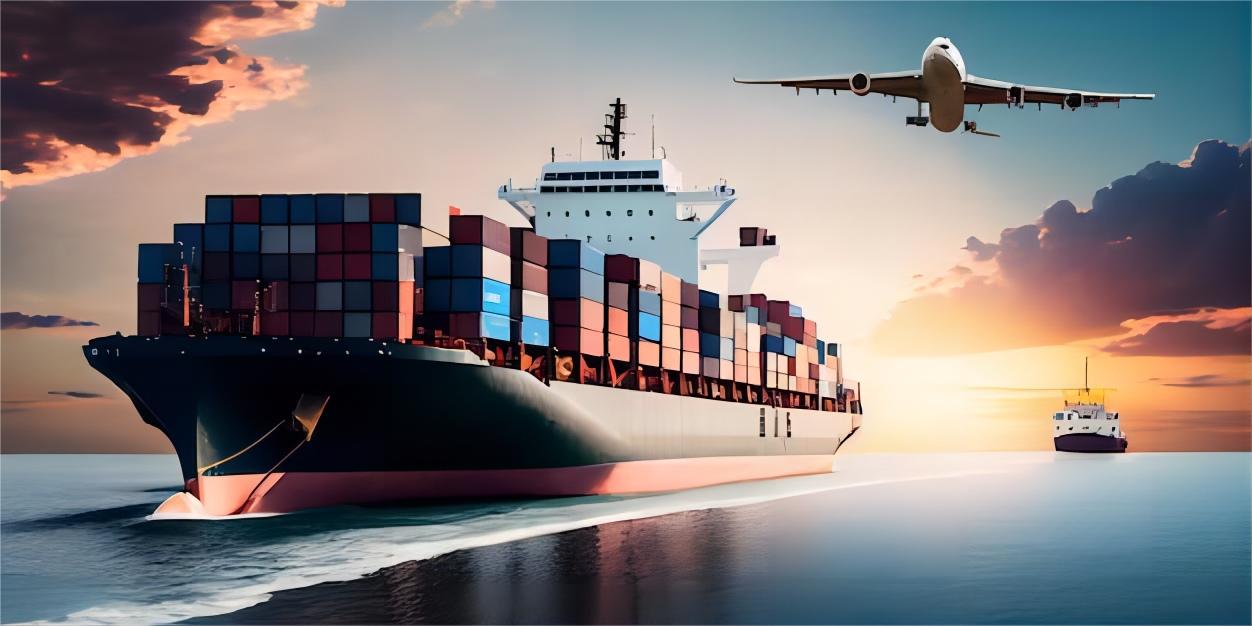
Choosing sea freight remains the most popular choice for high-volume shipments due to its unmatched cost-efficiency for large-scale imports. In contrast, while air freight offers rapid delivery, the price per kilogram is significantly higher, making it less viable for bulky or heavy items. Meanwhile, rail freight provides a balanced middle ground for land-locked routes to Europe, offering faster transit than the ocean at a lower price than the air.
Understanding the trade-offs between speed and budget is essential for maintaining a healthy profit margin in 2026. For instance, ocean freight for a 40HQ container from Shenzhen to Rotterdam might take 35 days but costs only a fraction of what air cargo would demand. Consequently, businesses with predictable demand often prefer the sea to maximize their shipping budget while planning inventory cycles well in advance.
Strategic planning allows companies to utilize hybrid solutions, such as sea-air combinations, to bypass port congestion or meet urgent deadlines. Indeed, these alternative approaches help mitigate the risks associated with single-mode transport, especially during peak seasons or geopolitical disruptions. Nevertheless, the majority of global trade still relies on the reliability and capacity of modern container ships.
| Shipping Method | Cost Range (2026) | Transit Time | Best For |
|---|---|---|---|
| Sea Freight (FCL) | $2,800 – $4,500 | 25-40 Days | Bulk & Heavy Goods |
| Air Freight | $5.50 – $9.00/kg | 3-7 Days | High-Value/Urgent |
| Rail Freight | $1,800 – $3,200 | 15-22 Days | China to Europe |
| Express Service | $8.00 – $12.00/kg | 2-5 Days | Small Samples/Docs |

Alternative Strategies for Shipping from China
Exploring air freight is advisable for time-sensitive cargo or high-value products like consumer electronics and fashion. Although the initial cost is higher, the reduced inventory holding costs and faster market entry often justify the investment for competitive industries. Additionally, air transport offers higher security levels and less handling, which minimizes the risk of damage during transit.
Importers should also consider rail freight as a sustainable and efficient alternative for shipments heading to Central Asia or Europe. This method has seen a 15% increase in adoption as of early 2026 due to improved infrastructure and more frequent departures from hubs like Chengdu and Xi’an. Furthermore, rail transport is less affected by weather conditions compared to sea routes, providing more stable delivery schedules.
Implementing a multi-modal strategy can further optimize your logistics performance by combining the strengths of different transport types. For example, trucking goods from a factory to a major air hub and then using express services can shave days off the total transit time. Meanwhile, utilizing LCL (Less than Container Load) for smaller shipments allows businesses to share container space and reduce costs without waiting to fill a whole 40GP.
Real-World Case Studies for 2026 Shipping
Case Study 1: High-Volume Electronics to Europe Route: Shenzhen, China to Hamburg, Germany Cargo: Consumer Electronics, 68 CBM, 12,500 kg Container: 40HQ Full Container Load Shipping Details: – Carrier: COSCO Shipping – Port of Loading: Shenzhen (Yantian) – Port of Discharge: Hamburg – Route Type: Direct Cost Breakdown: – Ocean Freight: $3,950 – Origin Charges: $420 – Destination Charges: $550 – Customs and Duties: $1,200 – Total Landed Cost: $6,120 Timeline: – Booking to Loading: 4 days – Sea Transit: 32 days – Customs Clearance: 2 days – Total Door-to-Door: 38 days Key Insight: Early booking during the Q3 2025 peak season avoided a 15% rate hike that occurred in late October.
Case Study 2: Urgent Apparel Shipment to USA Route: Shanghai, China to Los Angeles, USA Cargo: Seasonal Apparel, 5 CBM, 1,200 kg Container: LCL (Less than Container Load) Shipping Details: – Carrier: Major Air Cargo Carrier – Port of Loading: Shanghai Pudong (PVG) – Port of Discharge: LAX – Route Type: Direct Air Freight Cost Breakdown: – Air Freight: $7,800 – Origin Charges: $250 – Destination Charges: $310 – Customs and Duties: $850 – Total Landed Cost: $9,210 Timeline: – Booking to Loading: 2 days – Air Transit: 14 hours – Customs Clearance: 1 day – Total Door-to-Door: 5 days Key Insight: Using air freight allowed the client to meet a retail launch deadline that would have been missed by sea.
Case Study 3: Industrial Parts to Australia Route: Guangzhou, China to Sydney, Australia Cargo: Machinery Parts, 28 CBM, 8,000 kg Container: 20GP Full Container Load Shipping Details: – Carrier: Maersk – Port of Loading: Guangzhou (Nansha) – Port of Discharge: Sydney – Route Type: Direct Cost Breakdown: – Ocean Freight: $1,150 – Origin Charges: $380 – Destination Charges: $490 – Customs and Duties: $600 – Total Landed Cost: $2,620 Timeline: – Booking to Loading: 3 days – Sea Transit: 16 days – Customs Clearance: 2 days – Total Door-to-Door: 21 days Key Insight: Based on Q1 2026 market rates, this route remains one of the most cost-effective for Australian importers.

Why Choose an International Logistics Provider China for Amazon FBA?
Specialized Amazon FBA services are essential for e-commerce sellers who need to meet strict labeling and packaging requirements. Because Amazon has rigorous standards for incoming shipments, an international logistics provider China with FBA expertise can prevent costly rejections at the fulfillment center. Moreover, these providers often offer prep services in China, such as palletizing and barcoding, which are significantly cheaper than doing so in the destination country.
Efficient inventory management becomes much easier when your logistics partner understands the nuances of Amazon’s storage limits and seasonal fluctuations. Consequently, many sellers opt for sea-to-door services that include final mile delivery by UPS or FedEx once the container is cleared. This integrated approach ensures that your products are restocked quickly, maintaining your sales velocity and search ranking on the platform.
Reliable freight forwarders also provide bonded warehousing options for sellers who want to drip-feed inventory into FBA centers to avoid high storage fees. Furthermore, having a partner who can handle the entire process from the factory floor to the Amazon warehouse allows you to focus on marketing and brand growth. Indeed, the right logistics setup is often the difference between a profitable Amazon business and one plagued by supply chain headaches.
Navigating Customs with an International Logistics Provider China
Professional customs brokerage is a vital component of international trade that prevents legal complications and financial penalties. Every country has unique tariff codes and import duties that must be accurately applied to your commercial invoice to ensure smooth clearance. Therefore, working with an international logistics provider China that employs certified customs agents is a safeguard for your business’s reputation.
Documentation errors are the leading cause of shipment delays at major ports like Long Beach or Rotterdam. Specifically, missing certificates of origin or incorrectly declared values can lead to intensive inspections and daily demurrage charges. However, an experienced logistics partner reviews all paperwork before the ship leaves China, identifying potential issues while the cargo is still accessible.
Investing in comprehensive customs support also helps you take advantage of free trade agreements and duty drawback programs. Many businesses overpay on taxes simply because they are unaware of available exemptions or preferential trade statuses. Consequently, a proactive broker will analyze your product catalog to find legal ways to minimize your total landed cost in 2026.
| Document Name | Required By | Purpose | Criticality |
|---|---|---|---|
| Commercial Invoice | Customs | Value Declaration | High |
| Packing List | Port/Warehouse | Content Verification | High |
| Bill of Lading | Carrier | Title to Goods | High |
| Certificate of Origin | Customs | Duty Assessment | Medium |
Decision Framework: Which Option Should You Choose?
Determining the best shipping method requires a careful analysis of your budget, timeline, and cargo specifications. If your primary goal is cost reduction and you have a lead time of over 40 days, sea freight is the logical choice for almost any volume. On the other hand, if you are launching a new product and need to test the market quickly, air freight provides the agility needed to respond to customer demand.
Volume thresholds play a significant role in deciding between LCL and FCL (Full Container Load) shipments. Generally, once your cargo exceeds 15 CBM, it becomes more economical to book a full 20GP container rather than paying for individual cubic meters in a shared one. Moreover, FCL shipments are typically faster as they do not require the consolidation and deconsolidation steps associated with LCL cargo.
Cargo type considerations also dictate the necessary logistics infrastructure, such as temperature-controlled containers for perishables or open-top units for oversized machinery. Without a doubt, consulting with your international logistics provider China early in the production phase can help you design packaging that fits perfectly into standard container dimensions. This foresight prevents wasted space and ensures you get the maximum value for every dollar spent on freight.
Market Context and Freight Trends in 2026
As of Q1 2026, freight rates from China have stabilized following the global disruptions of previous years, though fuel surcharges remain a variable factor. Industry experts note that shipping costs are currently 10% lower than the 2025 peak, but capacity remains tight on major transpacific routes. Consequently, importers are encouraged to secure annual contracts to protect themselves from the volatility of the spot market.
Technological advancements in blockchain and AI are further transforming how an international logistics provider China operates in 2026. These tools allow for more accurate transit time predictions and automated documentation, reducing the human error that often leads to port delays. Additionally, green logistics initiatives are becoming a priority, with many carriers introducing carbon-neutral shipping options for environmentally conscious brands.
Regional shifts in manufacturing within China are also influencing logistics patterns, as more factories move toward inland provinces. This trend has increased the importance of robust intermodal connections, linking inland rail terminals directly to major coastal ports for export. Therefore, a provider with a strong domestic network across China is more valuable than ever for maintaining a resilient supply chain.
Final Thoughts on Choosing a Logistics Partner
Summarizing the key points of this guide, it is clear that the right international logistics provider China is a strategic asset rather than just a service vendor. By understanding the differences between sea, air, and rail freight, and by leveraging expert customs brokerage, you can significantly improve your bottom line. Transitioning to a more efficient logistics model requires a partner who offers transparency, reliability, and market-leading expertise.
Future-proofing your business in 2026 involves staying ahead of market trends and maintaining a flexible approach to global trade. Whether you are shipping via sea freight or utilizing express services, the core principles of planning and communication remain the same. Ultimately, your success in the international market depends on the strength of your logistics foundation and your ability to adapt to a changing world.
Get Your Shipping Quote Today
Optimizing your global supply chain starts with choosing the right international logistics provider China to manage your 2026 shipments. Contact our expert team today to receive a customized freight quote and discover how we can reduce your shipping costs and transit times. Send Inquiry:
Frequently Asked Questions
What is the average transit time for sea freight from China to Europe in 2026?
Typical sea transit times range from 30 to 40 days, depending on the specific port of discharge and whether the route is direct or involves transshipment.
How are shipping costs from China calculated?
Costs are determined by cargo weight, volume (CBM), shipping method, current fuel surcharges, and seasonal demand factors in the 2026 market.
Do I need a customs broker for importing from China?
While not legally mandatory in all regions, a professional broker is highly recommended to ensure accurate tariff classification and avoid expensive delays.
What is the difference between FCL and LCL shipping?
FCL involves renting an entire container for your goods, while LCL allows you to pay for shared space with other shippers, which is ideal for smaller volumes.
Can an international logistics provider China handle Amazon FBA shipments?
Yes, specialized providers offer end-to-end FBA services including labeling, palletizing, and direct delivery to Amazon fulfillment centers worldwide.
Is rail freight a viable option for shipping to Australia?
No, rail freight is not possible for China to Australia routes due to geographical constraints; sea and air are the only viable methods.
How can I reduce my shipping costs in 2026?
Reducing costs is best achieved through early booking, optimizing cargo packaging, and choosing sea freight over air whenever the timeline allows.
What documents are essential for China export logistics?
The most critical documents include the Commercial Invoice, Packing List, Bill of Lading, and any required specific product certifications.