
Inventory Storage China Warehouse Solutions for 2026 Supply Chains
“Optimizing your global logistics strategy requires a deep understanding of regional assets and distribution hubs. By utilizing an inventory storage china warehouse through Logistics From China, businesses can significantly reduce their operational overhead while maintaining high product quality. This strategic approach allows importers to consolidate shipments and manage stock levels effectively before goods ever cross the ocean.”
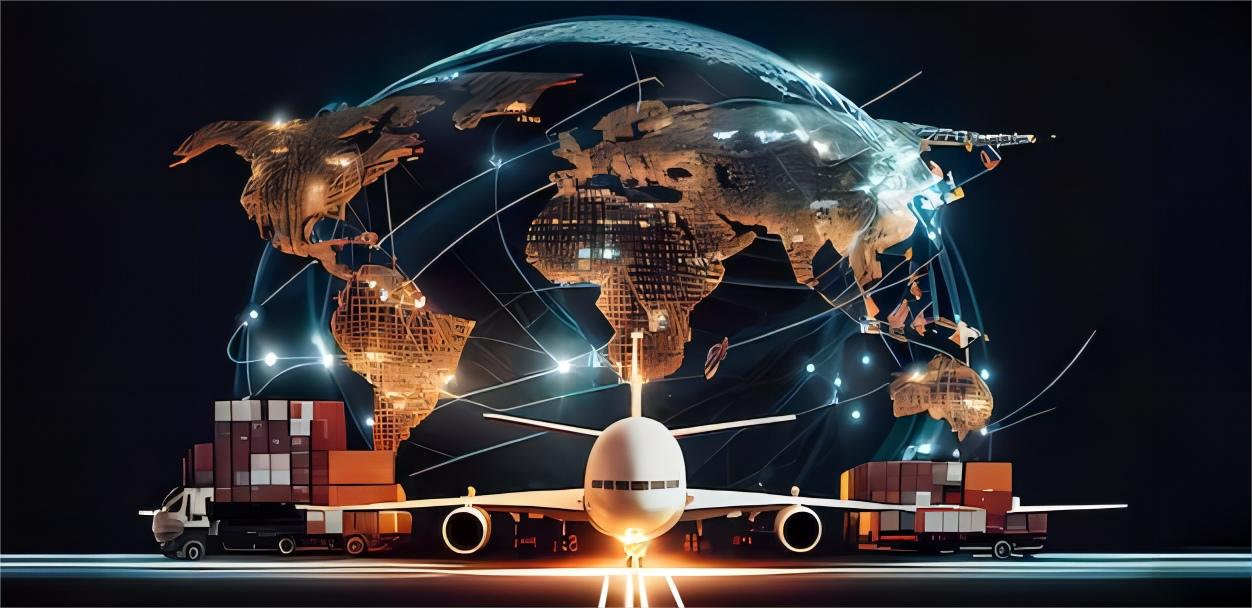
What is the Strategic Value of an Inventory Storage China Warehouse?
❖Managing large volumes of goods requires a centralized location that offers both flexibility and security. Consequently, a dedicated inventory storage china warehouse serves as a critical buffer between manufacturing and final delivery. This facility enables businesses to store products near their source, which reduces the immediate need for expensive international transport.
Furthermore, having a local presence in China allows for rigorous quality control inspections. Inspectors can identify defects at the warehouse level, preventing faulty goods from reaching overseas customers. Therefore, companies can avoid the high costs associated with international returns and damaged reputations.
Moreover, the current market trends of 2026 suggest that decentralized storage is becoming less efficient than source-side consolidation. Many successful brands now hold their safety stock in China to take advantage of lower square-footage costs. Additionally, this method provides a faster response time when demand spikes in different global regions.
Indeed, the integration of advanced warehouse management systems (WMS) has transformed these facilities into high-tech hubs. These systems provide real-time visibility into stock levels and movement. As a result, supply chain managers can make data-driven decisions regarding replenishment and shipping schedules.
How Does Inventory Storage China Warehouse Compare to Other Shipping Options?
❖Evaluating different logistics models is essential for maintaining a healthy bottom line. While storing goods in a destination country like the USA or Germany offers proximity to the customer, it often comes with a much higher price tag. In contrast, an inventory storage china warehouse provides a cost-effective alternative for bulk holdings and long-term storage.
On the other hand, direct shipping from the factory might seem faster but lacks the consolidation benefits of a warehouse. Without a middle point for storage, importers often pay for multiple small shipments rather than one large, efficient container. Consequently, the freight rates per unit increase significantly.
Meanwhile, hybrid solutions such as sea-air combinations are gaining popularity in early 2026. These routes utilize warehouses as the primary sorting center before choosing the most economical transport mode. This flexibility ensures that urgent orders move quickly while bulk stock stays on a budget-friendly path.
| Sea Freight (FCL) | $2,500 – $4,500 | 25-40 Days | Bulk Inventory |
| Air Freight | $5.50 – $9.00/kg | 3-7 Days | Urgent Restocks |
| Rail Freight | $1,800 – $3,200 | 18-25 Days | Europe Routes |
| Express Service | $8.00 – $15.00/kg | 2-5 Days | Small Samples |
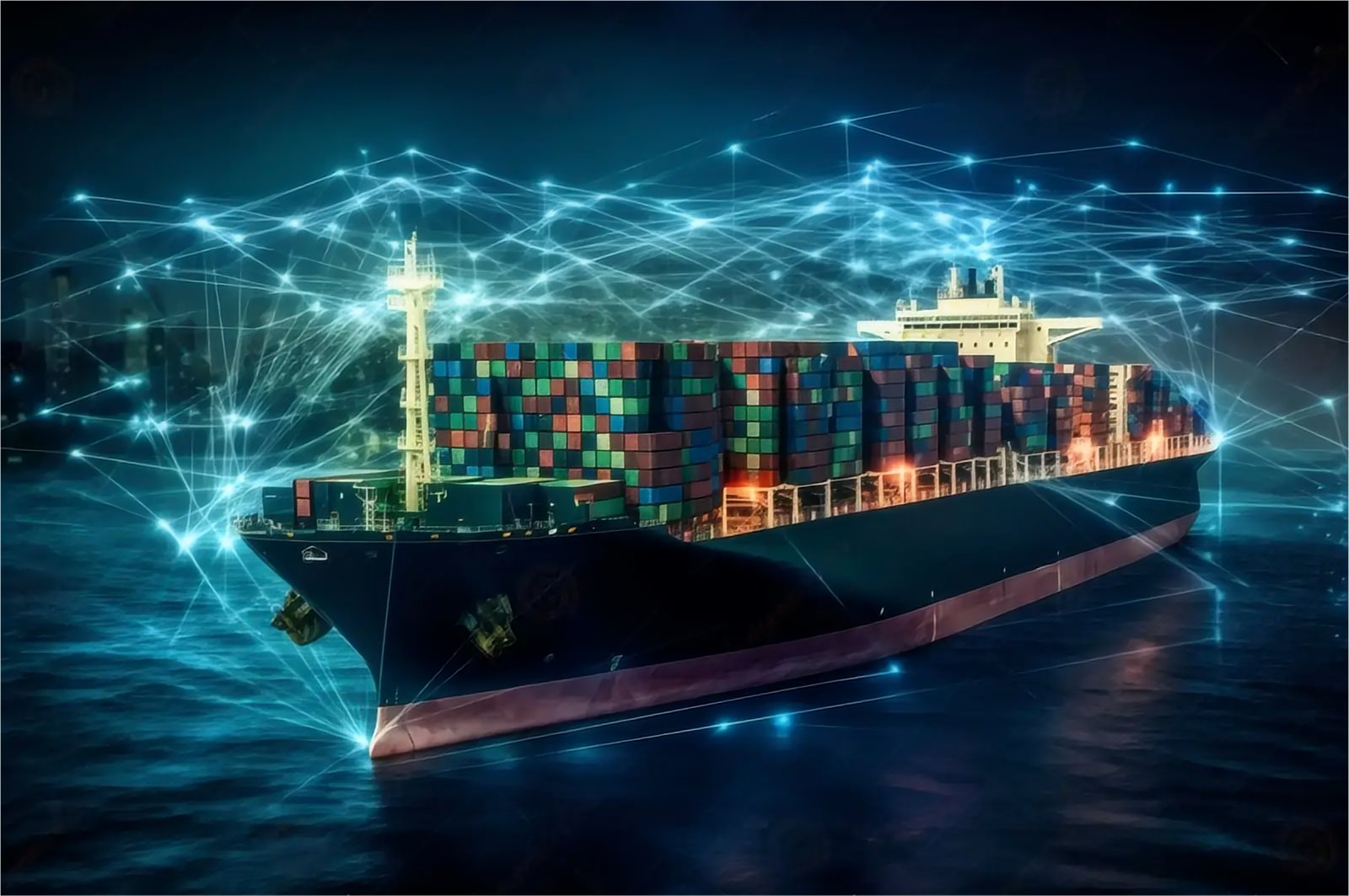
Optimizing Logistics with Sea and Air Freight Integration
❖Selecting the right transport mode is the next step after securing your inventory. Most businesses find that sea freight remains the most economical choice for large-scale inventory movements. By storing goods in a China-based facility, you can wait to fill a 40HQ container, which maximizes your shipping budget.
However, market fluctuations in 2026 sometimes require a more rapid response. In these instances, air freight provides the necessary speed to prevent stockouts during peak seasons. Having your inventory already staged in a warehouse near major airports like Shanghai or Shenzhen reduces the domestic transit time considerably.
Additionally, the logistics landscape has shifted toward more sophisticated multi-modal strategies. For example, a company might ship 80 percent of its stock via ocean and keep 20 percent in the warehouse for emergency air shipments. This balanced approach ensures both cost savings and supply chain resilience.
Furthermore, the proximity of warehouses to major ports simplifies the entire export process. Drayage costs are minimized, and scheduling becomes much more predictable. Consequently, the risk of missing a vessel departure is greatly reduced when goods are stored just a few miles from the terminal.
Streamlining Amazon FBA and E-commerce Fulfillment
❖E-commerce sellers face unique challenges regarding storage limits and strict delivery windows. Utilizing an inventory storage china warehouse allows for precise Amazon FBA preparation before the goods leave the country. This includes labeling, kitting, and ensuring all packaging meets the latest 2026 compliance standards.
Moreover, by holding stock in China, sellers can avoid the high long-term storage fees charged by Amazon in destination countries. You can drip-feed inventory into the FBA network based on actual sales velocity. Therefore, you maintain a healthy IPI score while keeping your capital from being tied up in excessive domestic storage fees.
Consequently, this strategy provides a significant competitive advantage in terms of pricing. Lower storage overhead in China allows for better margins on popular products. Without a doubt, the ability to scale operations without increasing fixed domestic costs is vital for growing e-marketplaces.
In addition, many warehouses now offer direct-to-consumer fulfillment services. This means you can ship individual orders directly from your China inventory to global customers. This model is particularly effective for lightweight items where shipping costs are manageable via international e-packet services.
The Role of Customs Brokerage in Warehouse Management
❖Navigating the complexities of international trade requires expert guidance and proper documentation. A professional customs brokerage service ensures that all goods stored in the warehouse are correctly classified before export. This proactive step prevents costly delays at the border and ensures compliance with 2026 trade regulations.
Furthermore, having a broker involved during the storage phase allows for better duty planning. They can advise on HTS codes and potential tax exemptions that might apply to your specific cargo handling. Consequently, the total landed cost of your products becomes much more transparent and predictable.
Meanwhile, the warehouse acts as a secure staging ground where all necessary paperwork is consolidated. From commercial invoices to packing lists, every detail is verified against the physical stock. As a result, the customs clearance process at the destination port becomes a routine formality rather than a source of stress.
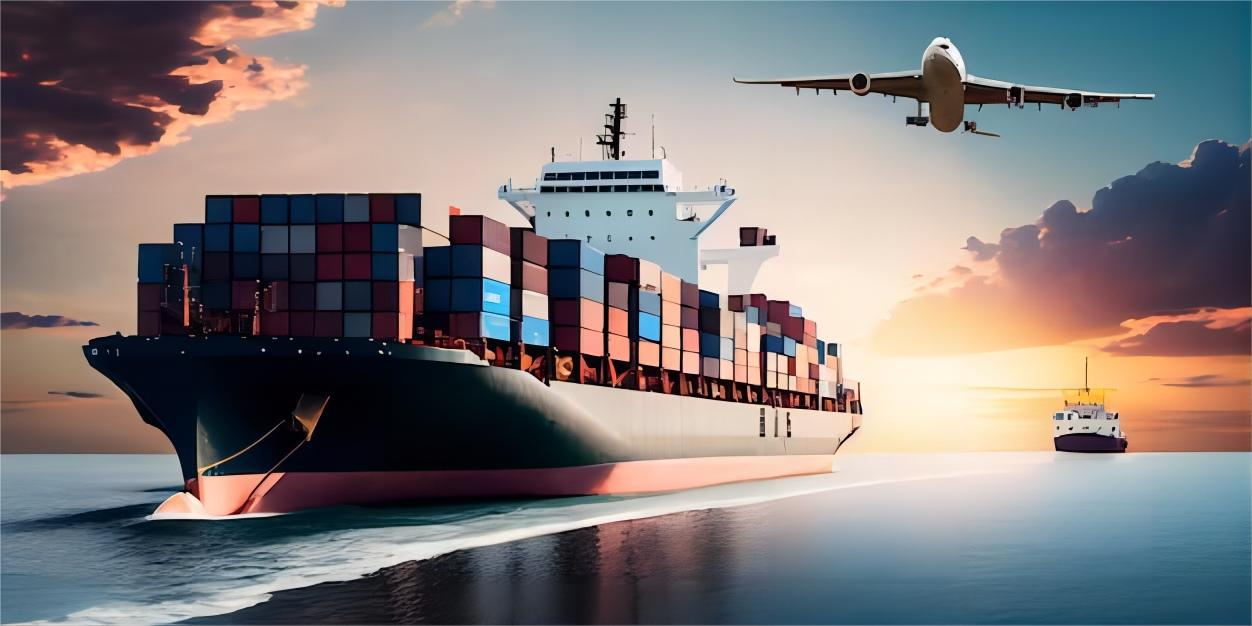
Indeed, many importers overlook the importance of pre-export compliance checks. By integrating brokerage services with your inventory storage china warehouse, you create a seamless transition from storage to transit. This synergy is essential for maintaining a fast and reliable delivery schedule in today’s global market.
Efficient Door to Door Delivery Strategies
❖Transitioning from bulk storage to final delivery is a complex process that demands synchronization. Implementing a door to door service model simplifies this by providing a single point of accountability. The logistics provider manages everything from the warehouse pick-up to the final mile delivery at your warehouse or storefront.
Moreover, this end-to-end visibility is crucial for modern supply chain management. You can track your inventory as it moves from the China warehouse through the various stages of international transit. Consequently, you can provide your customers with accurate delivery estimates and improve overall satisfaction.
Additionally, door to door services often include all-in pricing, which covers freight, duties, and local trucking. This removes the guesswork from your logistics budgeting and allows for more accurate product pricing. For many small to medium enterprises, this simplicity is the key to successfully scaling international operations.
Furthermore, the integration of local trucking networks in China ensures that goods move quickly from the warehouse to the port. These specialized carriers are experienced in handling various cargo types, from electronics to oversized machinery. Therefore, the physical integrity of your inventory is maintained throughout the entire journey.
Real-World Case Studies for 2026 Logistics
❖Case Study 1: Electronics Distribution to North America. Route: Shenzhen to Los Angeles. Cargo: Consumer electronics, 22 CBM, 4500 kg. Container: 40GP. Shipping Details: Major carrier via Shanghai. Cost Breakdown: Ocean Freight $2,800, Origin Charges $450, Destination Charges $600, Customs $1,200. Total Landed Cost: $5,050. Timeline: Sea Transit 16 days, Total Door-to-Door 24 days. Key Insight: Staging goods in a Shenzhen warehouse allowed for a 15% reduction in local drayage costs.
Case Study 2: Fashion Retailer Consolidation for Europe. Route: Ningbo to Hamburg. Cargo: Apparel, 12 CBM, 2500 kg. Container: LCL. Shipping Details: Transshipment via Singapore. Cost Breakdown: Ocean Freight $1,950, Origin Charges $300, Destination Charges $550, Customs $900. Total Landed Cost: $3,700. Timeline: Sea Transit 32 days, Total Door-to-Door 42 days. Key Insight: Using a China warehouse for consolidation saved the client from paying for five separate smaller shipments.
Case Study 3: Industrial Parts to Australia. Route: Shanghai to Melbourne. Cargo: Machine components, 8 CBM, 1800 kg. Container: LCL. Shipping Details: Direct route. Cost Breakdown: Ocean Freight $1,100, Origin Charges $250, Destination Charges $400, Customs $600. Total Landed Cost: $2,350. Timeline: Sea Transit 14 days, Total Door-to-Door 21 days. Key Insight: Pre-shipment inspections at the Shanghai warehouse identified a packaging flaw that would have caused damage during sea transit.

Decision Framework: Which Storage Option Should You Choose?
❖Choosing the right logistics path depends on your specific business priorities and cargo characteristics. If your primary goal is budget priority, we recommend utilizing long-term inventory storage in China combined with FCL sea freight. This offers the lowest per-unit cost for high-volume goods.
However, if speed priority is your main concern, a warehouse near a major air hub is essential. This allows for rapid processing and loading onto the next available flight. For cargo type considerations, specialized warehouses offer climate control for sensitive electronics or medical supplies.
Furthermore, volume thresholds should dictate when you switch from LCL to FCL shipping. Generally, if your shipment exceeds 15 CBM, booking a full 20GP container becomes more economical than paying for individual cubic meters. Industry average for this route suggests that 2026 rates will continue to favor FCL for mid-sized growing businesses.
Final Thoughts on Inventory Storage China Warehouse Management
Successfully managing an inventory storage china warehouse is a cornerstone of modern international trade. By centralizing your goods at the source, you gain unparalleled control over quality, costs, and shipping timelines. Throughout 2026, the businesses that leverage these strategic hubs will be best positioned to handle market volatility and consumer demand.
In summary, the combination of secure storage, professional brokerage, and multi-modal transport options creates a robust supply chain. Whether you are an Amazon seller or an industrial importer, the benefits of source-side warehousing are clear. Take the next step in optimizing your logistics by choosing a partner that understands the nuances of the Chinese market.
Ready to streamline your logistics?
Streamline your global operations today by securing a professional inventory storage china warehouse solution. Our team provides end-to-end logistics support to help you reduce costs and improve efficiency. Contact us now to receive a customized quote for your 2026 shipping needs. Visit: https://logisticsfromchina.com/contact/
Request Quote