

Sea Freight Logistics Consultant: Navigating 2026 Global Trade
Navigating the complexities of international trade requires precision and deep industry knowledge. A professional sea freight logistics consultant helps businesses streamline their operations and mitigate risks in a volatile market. Consequently, companies can achieve significant cost savings by partnering with experts at Logistics From China to manage their global shipping needs. This guide explores how expert maritime supply chain management can transform your business efficiency in 2026.
What Does a Sea Freight Logistics Consultant Do?
A sea freight logistics consultant acts as a strategic partner for businesses involved in international trade. They specialize in ocean freight optimization and maritime supply chain management to ensure cargo moves efficiently across borders. Furthermore, these experts analyze current shipping routes to identify potential bottlenecks and cost-saving opportunities.
Consultants provide comprehensive freight forwarding advisory services that cover everything from carrier selection to contract negotiation. Specifically, they leverage their industry connections to secure better rates than a standard business might find on its own. They also monitor global trade compliance to prevent costly legal issues or shipment delays.
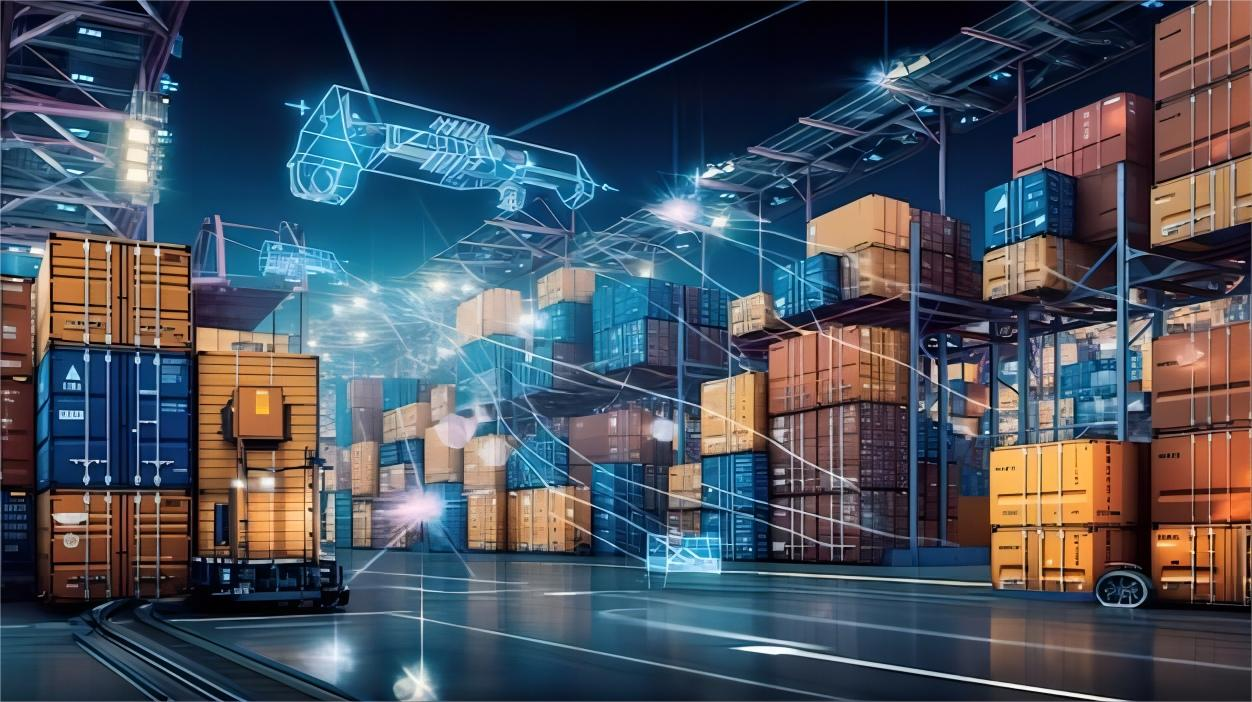
Modern sea freight operations involve complex data analysis and real-time tracking. Therefore, a consultant utilizes advanced software to provide visibility into every stage of the shipping process. This level of detail allows for proactive problem-solving before minor issues escalate into major supply chain disruptions.
In addition to operational tasks, they focus on long-term sea cargo logistics strategies. This involves predicting market shifts and preparing businesses for seasonal fluctuations in demand and pricing. By doing so, they provide a level of stability that is essential for sustainable business growth in 2026.
Why Should You Hire a Sea Freight Logistics Consultant in 2026?
The global shipping landscape in 2026 remains influenced by the technological shifts and geopolitical changes of previous years. Consequently, having an international shipping expert on your side is more important than ever to navigate fluctuating fuel surcharges. They provide the necessary market intelligence to make informed decisions about cargo routing and timing.
Logistics cost reduction is a primary goal for any business importing goods from overseas. A consultant identifies hidden fees and optimizes container utilization to ensure you are not paying for empty space. Moreover, they help you understand the nuances of different incoterms to avoid unexpected expenses at the port of discharge.
Efficiency in port operations is another critical area where a consultant adds immense value. They understand the specific requirements of major ports like Shanghai, Ningbo, and Rotterdam. As a result, they can coordinate with local agents to speed up the handling process and minimize demurrage and detention charges.
Strategic freight rate negotiation requires deep knowledge of carrier capacity and seasonal trends. Consultants use their volume-based leverage to negotiate favorable terms for their clients. This expertise is particularly beneficial during peak seasons when space is limited and prices typically spike by 15-25%.
How Does Sea Freight Compare to Other Shipping Options?
Choosing the right shipping method depends on your budget, timeline, and cargo type. While sea freight is often the most economical choice for large volumes, other methods offer speed or flexibility. For example, businesses shipping high-value electronics might prioritize speed over cost savings.
Sea freight remains the backbone of global trade due to its massive capacity and lower carbon footprint per ton-mile. However, it involves longer transit times compared to air or rail options. Below is a detailed comparison of the primary shipping methods available from China in 2026.
Note: Freight rates are subject to change based on fuel costs, carrier capacity, and seasonal demand. Contact us for a current quote tailored to your specific shipment.
| Shipping Method | Cost Range | Transit Time | Best For | Limitations |
|---|---|---|---|---|
| Sea Freight (FCL) | $1,500 – $6,000 | 14 – 40 Days | Large volumes, bulk goods | Longest transit time |
| Air Freight | $5 – $12 per kg | 3 – 7 Days | Urgent, high-value items | Very high cost |
| Rail Freight | $80 – $150 per CBM | 15 – 22 Days | Mid-range budget, Europe | Limited to land routes |
| Express Service | $8 – $15 per kg | 2 – 5 Days | Samples, small parcels | Strict weight limits |
Can a Sea Freight Logistics Consultant Optimize Your Customs Process?
Navigating the paperwork for international shipments is one of the most daunting tasks for any importer. A consultant ensures that all customs brokerage requirements are met with absolute precision. This includes the correct classification of goods using Harmonized System (HS) codes to ensure accurate duty payments.
Errors in documentation can lead to significant delays and heavy fines from customs authorities. Therefore, a consultant reviews every invoice, packing list, and bill of lading before the shipment departs. This proactive approach minimizes the risk of inspections and ensures a smooth transition through the port of entry.
Furthermore, they stay updated on the latest trade agreements and tariff changes that could affect your bottom line. For instance, they can advise on duty drawback programs or free trade zones that might reduce your total landed cost. Their expertise transforms a complex legal hurdle into a streamlined administrative process.
In addition to handling the paperwork, they coordinate with customs officials to resolve any disputes that may arise. This representation is vital for maintaining a good standing with border agencies. Ultimately, their involvement guarantees that your cargo reaches its destination without unnecessary legal complications.
What Are the Estimated 2026 Transit Times and Costs?
Understanding the typical timelines and costs for major routes is essential for effective inventory planning. As of early 2026, sea freight rates have stabilized, though they remain sensitive to global energy prices. Below is a reference for typical shipping durations and costs from major Chinese ports.
Transit times can vary based on the specific carrier and whether the route is direct or involves transshipment. For example, direct routes to the USA West Coast are significantly faster than routes going through the Panama Canal to the East Coast. Planning around these timelines helps avoid stockouts and maintains customer satisfaction.
Note: Freight rates are subject to change based on fuel costs, carrier capacity, and seasonal demand. Contact us for a current quote tailored to your specific shipment.
| Route (China to…) | 20GP Container | 40HQ Container | Transit Time |
|---|---|---|---|
| USA West Coast | $1,600 – $2,300 | $2,900 – $3,900 | 14 – 18 Days |
| USA East Coast | $2,600 – $3,600 | $4,600 – $6,100 | 30 – 35 Days |
| Europe (North) | $1,900 – $2,600 | $3,100 – $4,300 | 28 – 35 Days |
| Australia | $850 – $1,300 | $1,500 – $2,100 | 12 – 18 Days |
| United Kingdom | $2,100 – $2,900 | $3,600 – $4,600 | 30 – 38 Days |
How to Implement Effective Sea Cargo Logistics Strategies?
Effective strategies begin with a thorough audit of your current supply chain performance. A container shipping consultant looks for patterns in your shipping history to suggest improvements. For example, consolidating multiple LCL shipments into a single FCL container can lead to massive savings.
Utilizing door to door services is another strategy that simplifies the logistics chain. This approach places the responsibility of the entire journey on a single provider, reducing the chance of communication breakdowns. It also provides a more predictable cost structure for the business owner.
In addition, diversifying your port options can protect your supply chain from local strikes or congestion. Instead of relying solely on the Port of Shanghai, consider using Ningbo or Shenzhen depending on where your suppliers are located. This flexibility ensures that your cargo keeps moving even when one port faces difficulties.

Monitoring logistics trends is also a key component of a successful strategy. In 2026, the industry is seeing a major shift toward sustainable shipping practices and digital documentation. Staying ahead of these trends allows your business to remain competitive and compliant with new environmental regulations.
Case Study 1: Electronics from Shenzhen to Hamburg
Cargo: High-end consumer electronics, 68 CBM, 12,500 kg. Container: 1 x 40HQ. Route: Shenzhen to Hamburg via direct carrier service. Shipping Details: Port of Loading: Shenzhen; Port of Discharge: Hamburg; Carrier: Major global carrier.
Cost Breakdown: Ocean Freight: $3,250; Origin Charges: $450; Destination Charges: $580; Customs and Duties: $1,200; Total Landed Cost: $5,480. Timeline: Booking to Loading: 4 days; Sea Transit: 32 days; Customs Clearance: 2 days; Total Door-to-Door: 38 days.
Key Insight: By using a direct route, the client avoided the risks associated with transshipment in Singapore. This decision was based on Q3 2025 market rates and saved the client four days in total transit time, ensuring the product launch stayed on schedule.
Case Study 2: Furniture from Ningbo to Los Angeles
Cargo: Flat-pack wooden furniture, 28 CBM, 8,200 kg. Container: 1 x 20GP. Route: Ningbo to Los Angeles (Long Beach). Shipping Details: Port of Loading: Ningbo; Port of Discharge: Los Angeles; Carrier: COSCO.
Cost Breakdown: Ocean Freight: $1,850; Origin Charges: $320; Destination Charges: $410; Customs and Duties: $950; Total Landed Cost: $3,530. Timeline: Booking to Loading: 3 days; Sea Transit: 15 days; Customs Clearance: 3 days; Total Door-to-Door: 21 days.
Key Insight: The consultant recommended shipping before the August peak season. Consequently, the client avoided a 20% rate hike and port congestion typically seen in late Q3. This proactive planning is typical of a high-level sea freight logistics consultant.
Which Option Should You Choose? A Decision Framework
If your primary goal is budget priority, then sea freight is undoubtedly the best option for shipments over 2 CBM. For smaller parcels that need to arrive within a week, air freight remains the superior choice despite the higher cost. Always weigh the cost of the freight against the value of the time saved.
When dealing with e-commerce fulfillment, specialized Amazon FBA services can streamline the process. These services are designed to meet the strict labeling and delivery requirements of Amazon warehouses. Choosing a consultant who understands these specific platforms can prevent your inventory from being rejected.
Cargo type considerations also play a major role in your decision. Perishable goods or hazardous materials require specific handling and faster transit times that may rule out certain sea freight options. On the other hand, durable goods like textiles and machinery are perfectly suited for the longer timelines of ocean transport.
Volume thresholds are the final piece of the puzzle. Once your shipment exceeds 15 CBM, it is often more cost-effective to book a full 20GP container rather than paying for LCL space. A consultant will help you calculate these break-even points to ensure you are always using the most economical container configuration.
Master Your Supply Chain with a Professional Consultant
To summarize, hiring a sea freight logistics consultant is a strategic investment that pays for itself through cost savings and increased efficiency. By leveraging expert knowledge in maritime supply chain management, businesses can navigate the complexities of global trade with confidence. Furthermore, the ability to adapt to market changes in 2026 ensures long-term stability for your import and export operations.
Whether you are looking for freight rate negotiation or comprehensive customs brokerage support, a consultant provides the tools you need to succeed. They transform the daunting task of international shipping into a streamlined, predictable process. Partnering with the right experts allows you to focus on your core business while your cargo moves safely across the globe.
Start Your Shipment
Ready to optimize your global shipping strategy and reduce your logistics costs? Our expert sea freight logistics consultant team is standing by to provide you with a customized quote and professional guidance for your next shipment. Contact Logistics From China today to experience seamless international trade. Visit our website to request your free consultation and take control of your supply chain in 2026.
Request Quote