
Wholesale Shipping From China: 2026 Guide to Costs and Logistics
Managing wholesale shipping from china requires a strategic approach to balance speed and cost-efficiency in the 2026 market. Many businesses face challenges with fluctuating freight rates and complex customs regulations that can eat into profit margins. Consequently, partnering with a professional logistics provider like Logistics From China is the best way to streamline your operations and ensure timely delivery of bulk goods. This guide provides an in-depth analysis of modern shipping strategies, current market rates, and expert tips for navigating the international trade landscape.
What are the Primary Methods for Wholesale Shipping From China?
Selecting the right transportation mode is the most critical decision in your supply chain strategy. Indeed, the choice between sea, air, and rail significantly impacts both your landed cost and your inventory turnover rate. Most importers prioritize cost for bulk orders, making ocean transport the most common selection for large-scale operations.
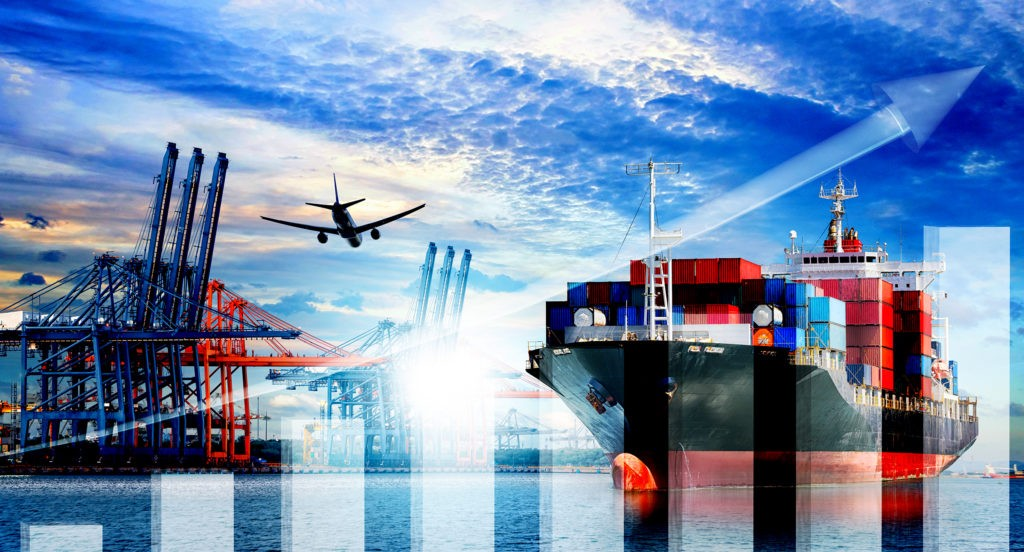
Moreover, the 2026 logistics market has seen a shift toward more specialized services that cater to small and medium enterprises. For instance, less-than-container load (LCL) options have become more efficient, allowing businesses to ship smaller wholesale quantities without paying for a full container. Conversely, full-container load (FCL) remains the gold standard for high-volume importers who need maximum security and lower per-unit costs.
Additionally, businesses must consider the urgency of their inventory needs when choosing a method. While sea freight offers the lowest prices, it requires careful planning due to longer transit times. Therefore, maintaining a buffer in your delivery schedule is essential to avoid stockouts during peak seasons or unexpected port congestion.
| Shipping Method | Cost Range | Transit Time | Best For |
|---|---|---|---|
| Sea Freight (FCL) | Low ($2,500 – $5,000) | 25-45 Days | Bulk cargo and heavy goods |
| Air Freight | High ($5.00 – $9.00/kg) | 3-7 Days | High-value or urgent items |
| Rail Freight | Medium ($3,000 – $4,500) | 18-25 Days | Europe-bound shipments |
| Express Service | Very High ($8.00+/kg) | 2-5 Days | Samples and small parcels |
How Does Sea Freight Compare to Other Shipping Options?
Comparing different logistics modes requires an objective look at the trade-offs between budget and speed. Specifically, while sea freight costs approximately $3,000 to $4,500 for a 40HQ container to Europe, air freight for the same volume would be prohibitively expensive for most wholesale goods. Consequently, air transport is usually reserved for electronics, fashion launches, or emergency restocks.
Furthermore, rail freight has emerged as a powerful middle-ground solution for the China-to-Europe corridor in 2026. It typically costs about 50% more than sea freight but reduces transit time by nearly two weeks. Nevertheless, sea freight remains the dominant force for global trade due to its massive capacity and ability to handle hazardous or oversized cargo that other methods might reject.
Hybrid solutions like sea-air combinations are also gaining popularity among savvy supply chain managers. These strategies involve shipping goods by sea to a hub like Dubai or Singapore and then flying them to the final destination. As a result, companies can save 30% on costs compared to pure air freight while still beating the standard sea transit time by several weeks.
FCL vs LCL: Which is Better for Wholesale?
For shipments under 15 CBM, LCL at $60-90/CBM may be more economical than paying for a full 20GP container. However, once your volume exceeds 15-18 CBM, the flat rate of an FCL shipment usually becomes the more cost-effective choice. Additionally, FCL reduces the risk of damage because your goods are not handled alongside other shippers’ cargo during consolidation.
Calculating Wholesale Shipping Costs and Transit Times in 2026
Understanding the breakdown of your shipping quote is vital for accurate financial forecasting. Typically, your total landed cost includes the ocean freight rate, origin charges, destination fees, and customs duties. In early 2026, market data suggests that freight rates have stabilized, though seasonal peaks still cause 15-25% price hikes during the late summer months.
Moreover, transit times vary significantly based on the specific route and port efficiency. For example, a direct shipment from Shanghai to Los Angeles might take 16 days, whereas a route with transshipment via Busan could add another week to the journey. Therefore, always confirm whether your quote is for a direct or transshipment service to avoid surprises in your delivery schedule.
Note: Freight rates are subject to change based on fuel costs, carrier capacity, and seasonal demand. Contact us for a current quote tailored to your specific shipment.
| Route | 20GP Container | 40HQ Container | Avg. Transit |
|---|---|---|---|
| China to USA West | $1,800 – $2,400 | $3,000 – $3,800 | 14-20 Days |
| China to USA East | $2,800 – $3,600 | $4,800 – $6,200 | 30-38 Days |
| China to Europe | $2,000 – $2,700 | $3,500 – $4,800 | 28-35 Days |
| China to Australia | $900 – $1,300 | $1,600 – $2,200 | 12-18 Days |
Real-World Case Studies for Wholesale Shipments
Examining real-world scenarios helps importers visualize the logistics process and anticipate potential costs. These cases reflect typical market conditions as of early 2026 and demonstrate how different methods suit various business needs.
Case Study 1: Electronics Distribution to North America. Route: Shenzhen to Los Angeles. Cargo: Smart home devices, 68 CBM. Container: 40HQ. Carrier: Maersk. Port of Loading: Shenzhen. Port of Discharge: Los Angeles. Total Landed Cost: $4,250 (including duties). Transit Time: 18 days. Key Insight: Choosing a direct route saved the client 6 days compared to transshipment options.
Case Study 2: Industrial Parts to Europe. Route: Ningbo to Hamburg. Cargo: Machined components, 25 CBM. Container: 20GP. Carrier: COSCO. Port of Loading: Ningbo. Port of Discharge: Hamburg. Total Landed Cost: $3,100. Transit Time: 34 days. Key Insight: Booking 4 weeks in advance secured a rate 15% lower than the spot market average.
Case Study 3: Furniture Wholesale to Australia. Route: Guangzhou to Sydney. Cargo: Flat-pack furniture, 12 CBM. Method: LCL Shipping. Port of Loading: Nansha. Port of Discharge: Sydney. Total Landed Cost: $1,450. Transit Time: 15 days. Key Insight: Using LCL was more cost-effective than a 20GP since the volume was below the 15 CBM threshold.
Navigating Customs Brokerage and Documentation
Handling the paperwork correctly is the only way to ensure your wholesale shipping from china does not get stuck at the border. Indeed, missing or incorrect documentation is the leading cause of delivery delays and additional storage fees at the port. Therefore, utilizing a professional customs brokerage service is highly recommended for complex wholesale orders.
Specifically, you must provide a commercial invoice, a detailed packing list, and a bill of lading for every shipment. Furthermore, certain products may require certificates of origin or specific safety compliance documents depending on the destination country’s regulations. Consequently, verifying these requirements with your freight forwarder before the cargo leaves the factory is a vital step in the process.
Additionally, understanding the Incoterms used in your purchase agreement is essential for defining responsibility. For instance, under FOB (Free On Board) terms, the seller handles the local logistics in China, while you take over once the goods are on the vessel. In contrast, DDP (Delivered Duty Paid) terms mean the seller manages the entire process until the goods reach your warehouse.
The Role of Rail Freight in Modern Wholesale Logistics
Expanding your options to include rail freight can provide a significant competitive advantage for European importers. This method has become increasingly reliable in 2026, offering a faster alternative to the sea route without the extreme expense of air transport. Indeed, many wholesalers now use rail for high-demand seasonal items that missed the sea freight window.
Moreover, the rail network connects major Chinese hubs like Chengdu and Xi’an directly to European logistics centers in Poland and Germany. Consequently, inland factories in China can often ship goods more efficiently via rail than by trucking them to a coastal seaport. Nevertheless, rail capacity is more limited than ocean freight, so early booking is always advisable during the Q4 peak season.
Accordingly, businesses should evaluate their geographic location to see if rail is a viable alternative. While it is not an option for North American or Australian routes, it has become a staple for the trans-Eurasian supply chain. Indeed, the environmental benefits of rail over air freight are also becoming an important consideration for corporate sustainability goals.
Optimizing Amazon FBA Shipping from China
Selling on global platforms requires specialized logistics knowledge to meet strict warehouse requirements. Specifically, Amazon FBA shipments must adhere to precise labeling, palletizing, and delivery window standards. Failure to comply with these rules can result in rejected shipments and significant financial penalties.
Furthermore, many wholesalers prefer to use a freight forwarder that offers prep services in China or at the destination. This ensures that every unit is inspected and labeled correctly before it ever reaches an Amazon fulfillment center. Consequently, this proactive approach reduces the risk of customer complaints and improves your seller metrics on the platform.
In addition, choosing between sea-to-FCL or sea-to-LCL depends on your inventory turnover and storage limits. Many successful sellers use a hub-and-spoke model, where they ship a full container to a third-party warehouse and then drip-feed inventory into FBA as needed. Therefore, this strategy minimizes Amazon’s high storage fees while maintaining the low per-unit cost of wholesale shipping from china.
Why Choose Door to Door Services for Bulk Goods?
Simplifying your logistics chain is often the most effective way to reduce overhead and management stress. A comprehensive door to door service handles every step of the journey, from the factory floor in China to your final warehouse destination. Indeed, this all-inclusive approach eliminates the need for you to coordinate between multiple carriers and customs agents.
Moreover, door-to-door shipping provides better visibility and tracking for your wholesale orders. Instead of tracking multiple segments, you have a single point of contact and one tracking number for the entire transit. Consequently, this transparency allows for better inventory planning and more accurate communication with your own customers.
Additionally, most door-to-door providers offer fixed pricing that includes all local charges and delivery fees. This predictability is invaluable for businesses that need to maintain strict margins and avoid the ‘hidden’ fees often associated with port-to-port shipping. Therefore, while the upfront quote might look higher, the total cost and time savings often make it the most efficient wholesale shipping from china strategy.
Which Shipping Option Should You Choose?
Deciding on the best logistics strategy requires a clear understanding of your business priorities. If your primary goal is to minimize costs and you can afford a 40-day lead time, sea freight is undoubtedly the best choice for your wholesale needs. On the other hand, if you are launching a new product and need it in the market immediately, air freight or express services are the only viable options.
Furthermore, consider the volume of your shipments when making your final decision. Small wholesale orders often benefit from the speed of express services, while medium orders are best suited for LCL or rail freight. Ultimately, the most successful importers use a mix of these methods to balance their inventory levels and shipping budgets throughout the year.
Specifically, we recommend a budget-first approach for 80% of your inventory and a speed-first approach for the remaining 20% to handle spikes in demand. This balanced strategy ensures that you are never completely out of stock while keeping your average shipping cost as low as possible.
| Priority | Recommended Method | Volume Threshold | Key Benefit |
|---|---|---|---|
| Budget | Sea Freight (FCL) | > 15 CBM | Lowest per-unit cost |
| Speed | Air Freight | Any volume | Fastest market entry |
| Balance | Rail Freight | > 2 CBM | Faster than sea, cheaper than air |
| Convenience | Door to Door | Any volume | Minimal management effort |
Mastering Your Wholesale Logistics Strategy
To summarize, successful wholesale shipping from china in 2026 depends on selecting the right method for your specific cargo and timeline. By understanding the differences between sea, air, and rail freight, you can make informed decisions that protect your margins and satisfy your customers. Moreover, staying updated on market trends and customs regulations will help you avoid the common pitfalls of international trade.
Indeed, the complexity of global logistics means that having a reliable partner is more important than ever. Whether you are shipping full containers or smaller LCL loads, focusing on efficiency and documentation will ensure your business remains competitive in the global marketplace. Start planning your next shipment today to take advantage of the current 2026 market stability.
Need a tailored shipping solution?
Streamline your supply chain today with a customized wholesale shipping from china solution. Contact our expert team to receive a competitive quote and optimize your logistics for 2026. Send Inquiry: Visit https://logisticsfromchina.com/ to get started.