

Ocean Freight from China Quotation: 2026 Cost and Strategy Guide
“Securing a competitive ocean freight from china quotation is the first step toward building a resilient and cost-effective international supply chain. At Logistics From China (https://logisticsfromchina.com/), we understand that navigating the complexities of global trade requires more than just a price list; it requires strategic insight. Consequently, this guide provides a deep dive into the factors affecting sea freight rates in 2026, ensuring your business remains profitable and efficient.”
Understanding the Components of an Ocean Freight from China Quotation
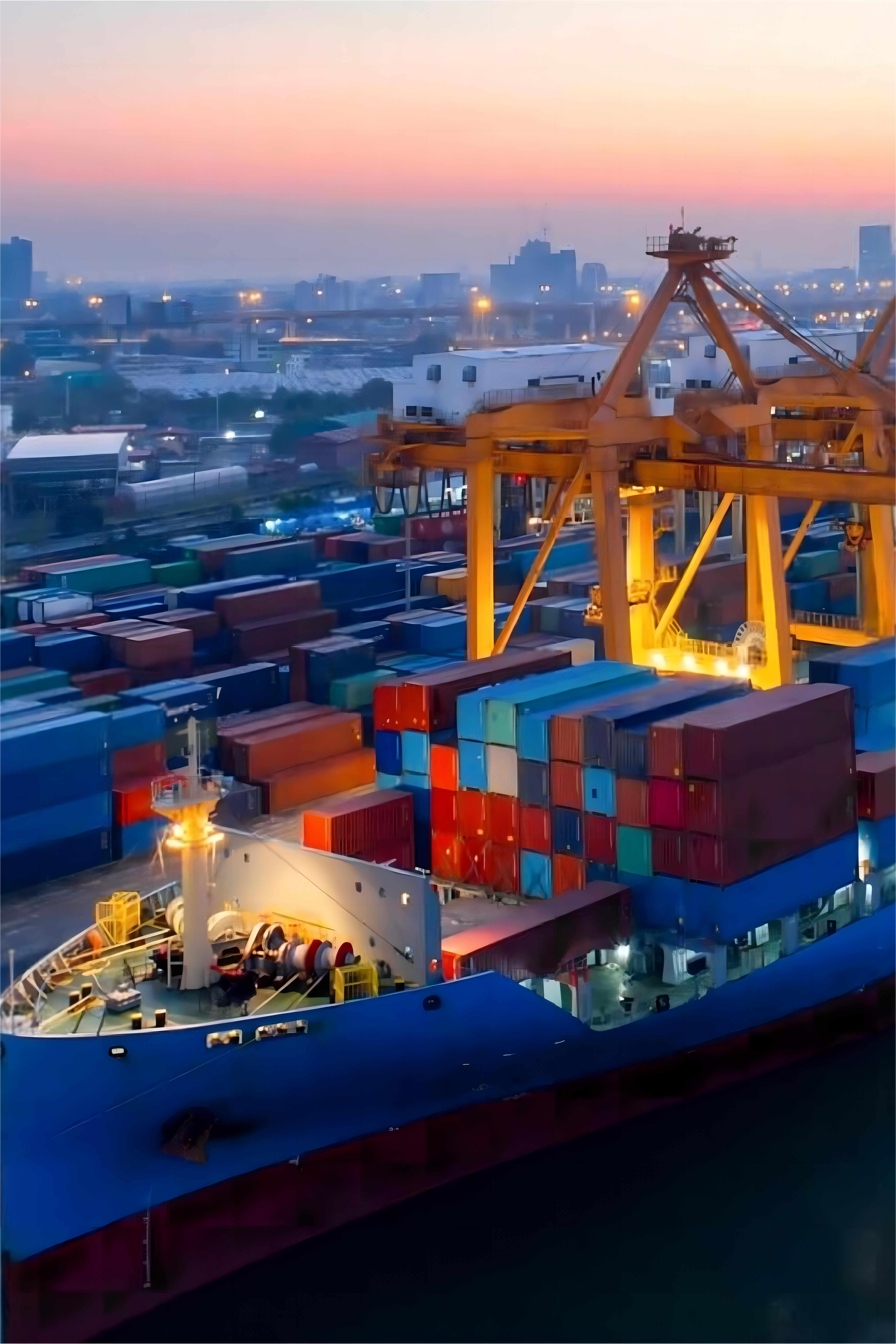
❖A standard quotation for sea transport involves several distinct layers of pricing that importers must understand. Specifically, the base rate often covers the movement of the container from the port of loading to the port of discharge.
However, additional surcharges such as the Bunker Adjustment Factor (BAF) and Currency Adjustment Factor (CAF) frequently fluctuate based on global economic conditions. Furthermore, you must account for Terminal Handling Charges (THC) at both the origin and destination ports.
Moreover, documentation fees and security surcharges are standard requirements in the 2026 logistics landscape. Indeed, missing even one small fee can lead to unexpected expenses that disrupt your budget and shipping schedule.
As a result, professional sea freight (https://logisticsfromchina.com/services/sea-freight/) services are essential for identifying hidden costs before they impact your bottom line. By requesting a detailed breakdown, you can ensure that every aspect of the journey is accounted for in your initial planning.
How Market Trends Influence 2026 Shipping Rates
❖The shipping industry in 2026 continues to evolve following the disruptions seen in previous years. For instance, the stabilization of fuel prices has led to more predictable BAF surcharges compared to the volatility of 2024 and 2025.
Additionally, the increased use of green energy in maritime transport has introduced new environmental compliance fees. Nevertheless, these advancements contribute to a more sustainable and reliable global trade network over the long term.
Consequently, seasonal demand remains a major factor, with rates typically spiking during the third quarter as businesses prepare for the holiday rush. Meanwhile, carriers are optimizing their capacity to prevent the extreme price hikes experienced during the mid-2020s.
Therefore, staying informed about these trends allows you to time your shipments more effectively. If you can avoid peak periods, you may find that your ocean freight from china quotation is significantly lower than during high-demand months.
How Does Sea Freight Compare to Other Shipping Options?
❖Choosing the right transport mode depends heavily on your budget, cargo volume, and required delivery speed. While sea freight is the backbone of international trade, it is not always the best fit for every scenario.
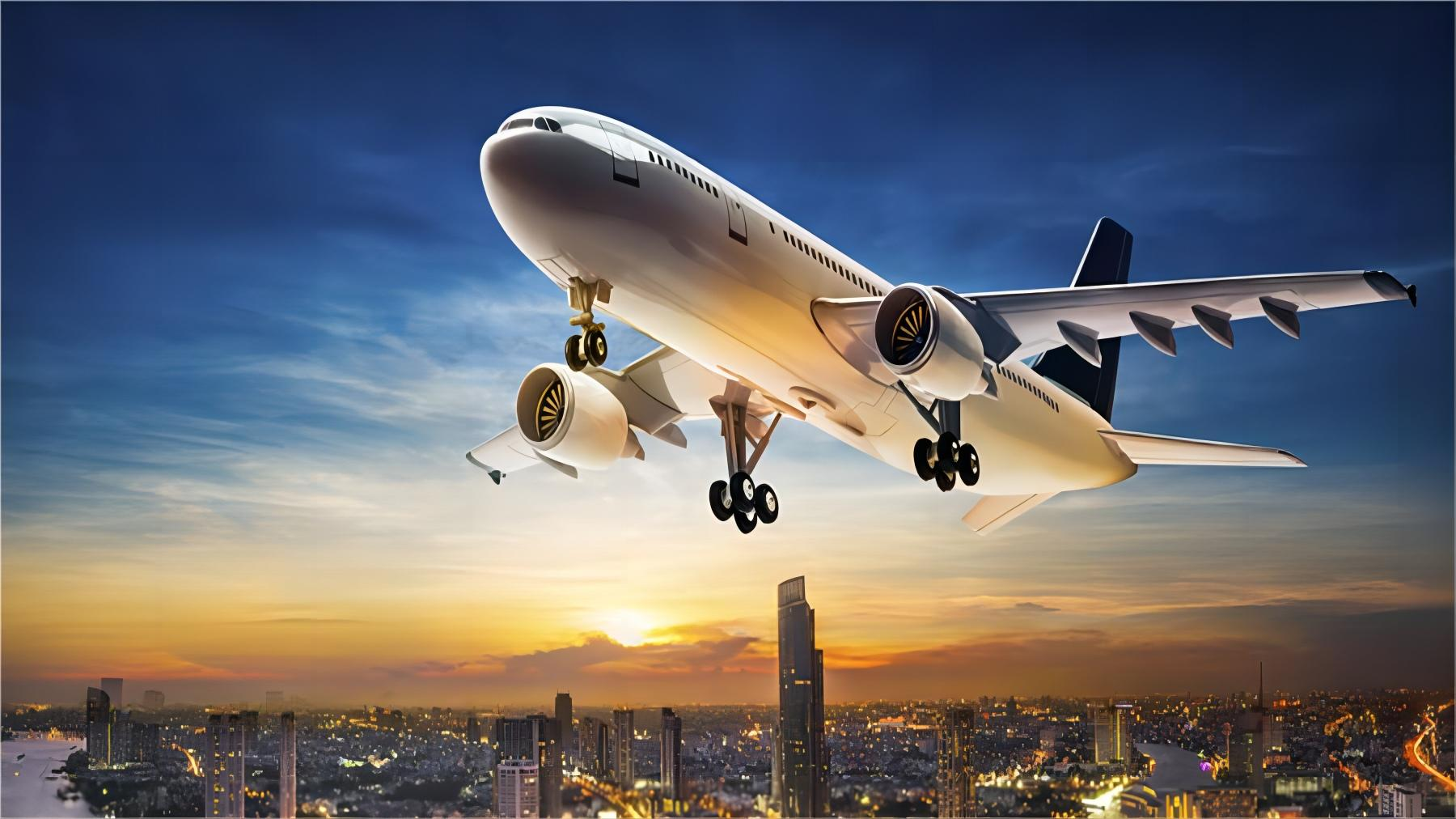
For example, air freight (https://logisticsfromchina.com/services/air-freight/) remains the primary choice for high-value or time-sensitive goods that cannot afford a month-long transit. In contrast, sea freight offers the lowest cost per unit for bulk commodities and large machinery.
Furthermore, rail freight (https://logisticsfromchina.com/services/rail-freight/) has become a viable middle ground for shipments moving from China to Europe. It offers faster transit than the sea but at a lower cost than air transport, making it an excellent alternative strategy.
| Shipping Method | Cost Range | Transit Time | Best For |
|---|---|---|---|
| Sea Freight | $1,500 – $4,500 | 20-45 Days | Bulk/Large Cargo |
| Air Freight | $5,000 – $15,000 | 3-7 Days | Urgent/High Value |
| Rail Freight | $3,000 – $6,000 | 15-22 Days | Mid-size/Mid-speed |
| Express | $200 – $1,000 | 2-5 Days | Small Samples |
FCL vs LCL: Choosing the Right Container Strategy
❖Full Container Load (FCL) and Less than Container Load (LCL) are the two primary ways to move goods via the ocean. If your shipment is large enough to fill at least 70 percent of a 20-foot container, FCL is generally the more economical and secure option.
On the other hand, LCL allows you to share container space with other shippers, which is ideal for smaller volumes. However, LCL shipments often involve more handling and a higher risk of delays during the consolidation and deconsolidation processes.
Additionally, FCL provides a faster transit time because the container does not need to be opened until it reaches its final destination. Consequently, many businesses prefer FCL for fragile items or goods that require strict security measures.
To summarize, your choice between FCL and LCL will directly impact your ocean freight from china quotation. Evaluating your monthly volume can help you decide which method offers the best balance of cost and efficiency for your specific needs.
Navigating Customs Brokerage and Documentation
❖Effective customs brokerage (https://logisticsfromchina.com/services/customs-brokerage/) is critical for avoiding costly delays at the port of entry. Every shipment requires a specific set of documents, including the Commercial Invoice, Packing List, and Bill of Lading.
Moreover, certain products may require specialized certificates of origin or safety compliance documents. Without a doubt, errors in documentation are the most common cause of customs seizures and additional storage fees.
As a result, working with an experienced broker ensures that your paperwork is filed correctly and on time. Indeed, they can also advise you on duty rates and potential tax exemptions that could save your business thousands of dollars.
Furthermore, modern digital platforms have streamlined the filing process in 2026. Nevertheless, the human element of expertise remains vital for navigating complex trade regulations and ensuring a smooth clearance process.
Transit Times and Port Selection Strategies
❖The transit time for your shipment is influenced by the distance between ports and the efficiency of the carrier’s route. For instance, shipping from Shenzhen to Los Angeles is significantly faster than shipping from Shanghai to Rotterdam.
Additionally, port congestion can add several days to your total delivery time, especially during peak seasons. Therefore, choosing less crowded secondary ports can sometimes lead to faster overall door to door (https://logisticsfromchina.com/services/door-to-door/) delivery.
Consequently, you should always request a transit time estimate as part of your ocean freight from china quotation. This allows you to plan your inventory levels and manage customer expectations more accurately.
| Route (China To) | Estimated Transit | Major Ports | Frequency |
|---|---|---|---|
| USA West Coast | 14-18 Days | LA, Long Beach | Daily |
| USA East Coast | 28-35 Days | NY, Savannah | Weekly |
| Europe (North) | 30-38 Days | Rotterdam, Hamburg | Weekly |
| Australia | 12-18 Days | Sydney, Melbourne | Bi-weekly |
Realistic Case Studies for 2026 Logistics
❖Case Study 1: Electronics Import to the USA. A tech company moved 15 CBM of components from Shenzhen to Los Angeles via LCL. The total cost was $2,450, including origin and destination charges, with a total transit time of 22 days from door to door.
Case Study 2: Furniture Export to Germany. A retailer shipped two 40HQ containers from Ningbo to Hamburg. Based on Q1 2026 market rates, the ocean freight was $3,800 per container. The total landed cost reached $9,200 after duties, with a 35-day sea transit.
Case Study 3: Industrial Machinery to Australia. A construction firm used a 20GP container for heavy equipment from Shanghai to Brisbane. The freight cost was $1,100, and the shipment arrived in just 14 days, demonstrating the efficiency of direct routes to Oceania.
These examples highlight how different variables impact the final price. Note: Freight rates are subject to change based on fuel costs, carrier capacity, and seasonal demand. Contact us for a current quote tailored to your specific shipment.
Strategic Hybrid Solutions: Sea-Air and Rail-Sea
❖In 2026, many savvy importers are turning to hybrid solutions to balance speed and cost. For example, sea-air services involve shipping goods by sea to a hub like Dubai or Singapore and then flying them to the final destination.
This approach can reduce transit times by 50 percent compared to pure sea freight while remaining much cheaper than direct air transport. Additionally, rail-sea combinations are becoming popular for reaching inland regions of North America and Europe.
Consequently, these alternative strategies provide flexibility when port congestion or high demand makes standard routes less attractive. Moreover, they allow businesses to react quickly to market changes without breaking their logistics budget.
By including these options in your logistics planning, you can ensure that your supply chain remains agile. Indeed, a diverse shipping strategy is the best defense against the unpredictability of global trade in the mid-2020s.
Which Option Should You Choose? Decision Framework
❖If your primary goal is budget priority, you should always recommend sea freight for any shipment over 1 CBM. For speed priority, air freight is the clear winner, though the cost is often five to ten times higher.
When considering cargo type, hazardous materials or oversized machinery are almost always restricted to specialized sea vessels. Furthermore, volume thresholds play a key role; once you exceed 15 CBM, switching from LCL to FCL often becomes the more economical choice.
Additionally, consider the shelf life of your products. Perishable goods or high-fashion items with a short market window may justify the expense of faster shipping methods to avoid obsolescence.
To summarize, analyzing these criteria before requesting your ocean freight from china quotation will help you select the most appropriate service. Our team is always available to help you weigh these trade-offs and find the perfect fit.
Mastering Your Global Shipping Strategy
Successfully managing international trade in 2026 requires a thorough understanding of every ocean freight from china quotation you receive. By breaking down the costs and comparing different shipping modes, you can identify significant opportunities for savings.
Moreover, working with a reliable logistics partner ensures that your goods move smoothly through customs and arrive at their destination on time. Whether you choose FCL, LCL, or a hybrid solution, the key is to remain informed and adaptable.
Ultimately, a well-planned logistics strategy is a competitive advantage in today’s fast-paced market. Start planning your next shipment today to secure the best rates and ensure your business’s continued growth.

Ready to streamline your logistics?
Ready to optimize your supply chain with a competitive ocean freight from china quotation? Our team of logistics experts is standing by to provide you with a customized shipping solution that meets your deadlines and your budget. Send Inquiry: info@logisticsfromchina.com
Request Quote