
China fulfillment center service commercial cargo: 2026 Guide
China fulfillment center service commercial cargo operations represent the vital link in modern global supply chains. Businesses seeking to scale their international presence rely on Logistics From China to manage complex inventory and distribution requirements. Consequently, choosing the right logistics partner ensures that bulk shipments move seamlessly from manufacturing hubs to final destinations across the world.
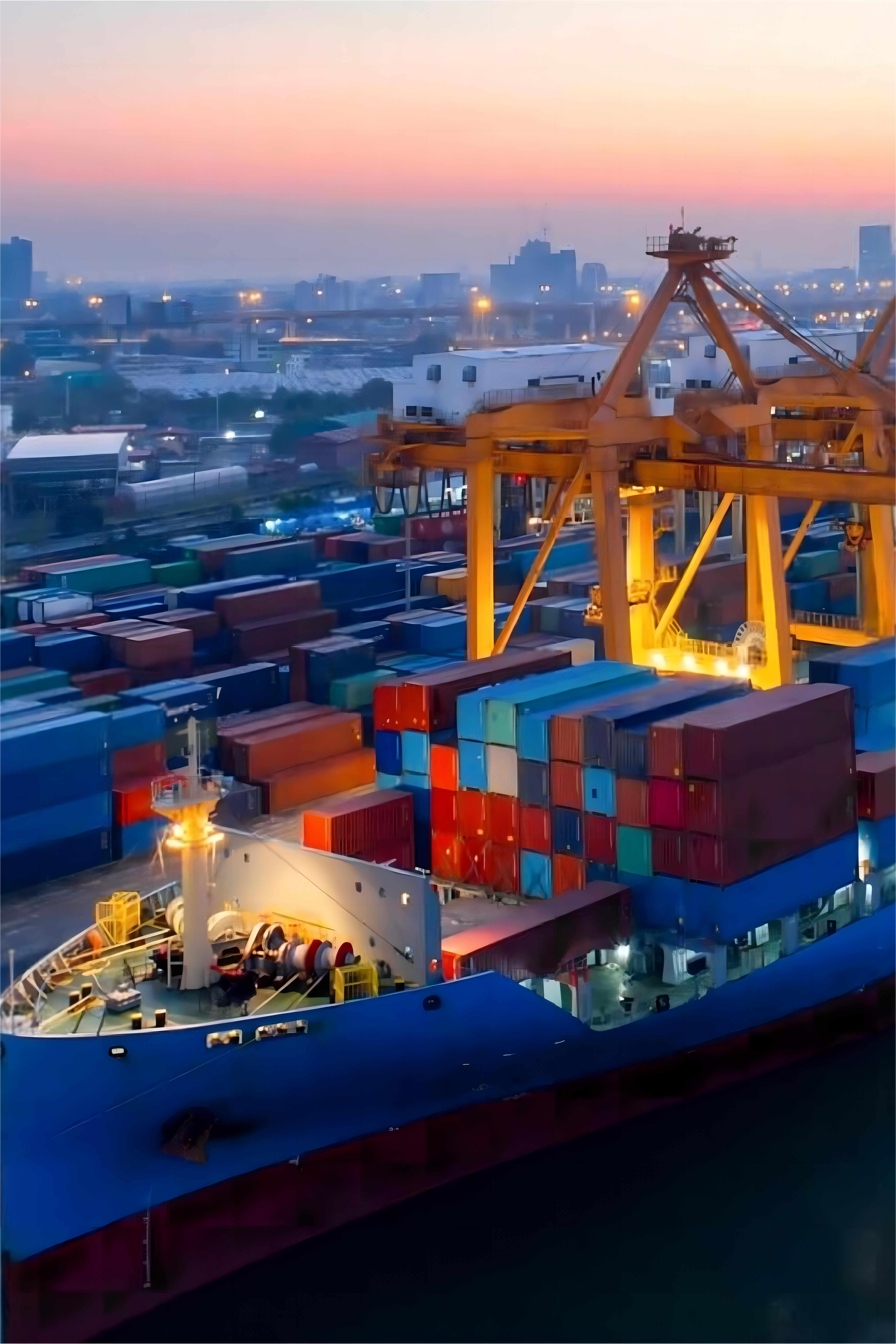
What Is a China Fulfillment Center Service for Commercial Cargo?
A fulfillment center in China serves as a centralized hub where commercial goods are received, stored, and prepared for international transit. Unlike standard e-commerce warehousing, commercial cargo fulfillment focuses on larger volumes and palletized shipments intended for business-to-business transactions.
Moreover, these facilities provide essential value-added services such as quality inspections, kitting, and specialized packaging. Therefore, businesses can consolidate products from multiple suppliers into a single shipment to reduce overall logistics costs.
In addition, advanced software integration allows for real-time tracking of inventory levels and shipment status. As a result, companies maintain full visibility over their supply chain even from thousands of miles away.
Why Choose China Fulfillment Center Service Commercial Cargo in 2026?
As of early 2026, the logistics landscape has evolved to prioritize speed and digital integration. Utilizing a local fulfillment center reduces the lead time between production completion and the start of international transit.
Furthermore, these centers offer a strategic advantage by managing customs documentation at the source. This proactive approach minimizes the risk of delays at the port of loading, which is crucial during peak shipping seasons.
Indeed, the current market data suggests that businesses using integrated fulfillment services see a 15% reduction in total landed costs. Consequently, this efficiency allows for more competitive pricing in the global marketplace.
How Does China Fulfillment Center Service Compare to Other Shipping Options?
When evaluating logistics strategies, it is vital to compare fulfillment services against traditional direct shipping models. While direct shipping from a factory might seem simpler, it often lacks the consolidation benefits of a dedicated fulfillment hub.
On the other hand, a fulfillment center allows for comprehensive cargo handling and specialized logistics planning. For instance, you can choose between sea freight for cost-effectiveness or air transport for urgent needs.
To summarize, the following table outlines the key differences between the most common shipping methods used in conjunction with Chinese fulfillment centers.
| Shipping Method | Cost Range | Transit Time | Best For | Limitations |
|---|---|---|---|---|
| Sea Freight (FCL) | $1,500 – $6,000 | 14 – 40 Days | Bulk Cargo | Slowest Speed |
| Air Freight | $4.50 – $12.00/kg | 3 – 7 Days | High-Value Goods | Expensive |
| Rail Freight | $1,200 – $3,000 | 18 – 25 Days | Europe Routes | Limited Access |
| Express Service | $8.00 – $20.00/kg | 2 – 5 Days | Samples/Small Batches | Weight Limits |

Which Shipping Method Should You Choose for Commercial Cargo?
Selecting the ideal shipping method depends heavily on your budget, timeline, and the nature of the cargo. For massive shipments where time is not the primary constraint, sea freight remains the most economical choice.
However, if you are moving high-demand electronics or seasonal fashion, air freight provides the necessary speed to capture market opportunities. Nevertheless, many companies now opt for hybrid solutions to balance costs and delivery times.
For shipments destined for the United States, consider the differences between East Coast and West Coast ports. Shipments to North America via the West Coast are typically faster and cheaper than those transiting the Panama Canal.
| Route | 20GP Container | 40HQ Container | Transit Time |
|---|---|---|---|
| China to USA West | $1,600 – $2,300 | $2,900 – $3,900 | 15 – 20 Days |
| China to USA East | $2,600 – $3,600 | $4,600 – $6,100 | 30 – 35 Days |
| China to Europe | $1,900 – $2,600 | $3,100 – $4,300 | 28 – 35 Days |
| China to Australia | $850 – $1,250 | $1,450 – $2,100 | 12 – 18 Days |
Real Case Studies: Successful Fulfillment from China
Examining real-world scenarios helps illustrate the practical benefits of a professional China fulfillment center service commercial cargo strategy. Below are two examples based on typical 2026 market rates and conditions.
Case Study 1: Electronics Distribution to North America. A tech company required the distribution of 500 units of high-end tablets from Shenzhen to Los Angeles.
Case Study 2: Industrial Components to Europe. A manufacturing firm moved 15 CBM of machinery parts from Ningbo to Hamburg using a consolidated LCL approach.
Note: Freight rates are subject to change based on fuel costs, carrier capacity, and seasonal demand. Contact us for a current quote tailored to your specific shipment.
Case Study 1: Tech Gadgets to USA
Route: Shenzhen, China to Los Angeles, USA. Cargo: Consumer Electronics, 12 CBM, 4,500 kg. Container: LCL 12 CBM. Shipping Method: Ocean Freight with door to door delivery.
Cost Breakdown: Ocean Freight: $1,100. Origin Charges: $250. Destination Charges: $400. Customs and Duties: $1,200. Total Landed Cost: $2,950. Timeline: 22 Days total.
Key Insight: Using a fulfillment center in Shenzhen allowed for a pre-shipment quality check, which prevented the export of defective units.
Case Study 2: Apparel to Germany
Route: Ningbo, China to Hamburg, Germany. Cargo: Textiles, 65 CBM, 12,000 kg. Container: 40HQ. Shipping Method: Sea Freight via major carrier.
Cost Breakdown: Ocean Freight: $3,800. Origin Charges: $350. Destination Charges: $500. Customs and Duties: $2,100. Total Landed Cost: $6,750. Timeline: 34 Days total.
Key Insight: Booking the container 3 weeks in advance during the Q3 peak season saved the client approximately 15% compared to last-minute rates.

Essential Customs Documentation for Commercial Shipments
Navigating the complexities of international trade requires meticulous attention to paperwork. Without the correct documentation, even the most efficient fulfillment center cannot prevent customs delays.
Consequently, working with an experienced customs brokerage is highly recommended for commercial cargo. This ensures that all Harmonized System (HS) codes are accurate and that duties are calculated correctly.
Furthermore, you must ensure that your commercial invoice, packing list, and Bill of Lading are perfectly aligned. Any discrepancy between these documents can lead to expensive storage fees at the port of discharge.
| Document Name | Purpose | Required By | Common Issues |
|---|---|---|---|
| Commercial Invoice | Value Declaration | Customs | Incorrect Pricing |
| Packing List | Contents Detail | Warehouse/Customs | Weight Mismatch |
| Bill of Lading | Title of Goods | Carrier/Bank | Late Endorsement |
| Cert. of Origin | Duty Preference | Customs | Missing Stamp |
Decision Framework: Which Option Should You Choose?
Determining the best logistics path involves evaluating several competing priorities. If your primary goal is budget priority, then sea freight is the clear winner for almost any commercial volume.
In contrast, if speed priority is the main driver, air freight or express service should be utilized. Additionally, the type of cargo plays a role; hazardous materials or oversized items may have restricted shipping options.
For volume thresholds, once your shipment exceeds 15 CBM, switching from LCL to a 20GP container often becomes more cost-effective. Meanwhile, shipments over 30 CBM should almost always utilize a 40GP or 40HQ container to maximize space and minimize per-unit costs.
Mastering Your Logistics with China Fulfillment Services
To summarize, utilizing a China fulfillment center service commercial cargo hub is a transformative strategy for modern businesses. By centralizing inventory and optimizing shipping methods, companies can significantly reduce lead times and operational costs.
Moreover, the integration of professional warehousing with expert freight forwarding creates a resilient supply chain capable of handling market fluctuations. Whether you are shipping to North America, Europe, or Australia, the right logistics framework is essential for success.
Indeed, the 2026 trade environment rewards those who prioritize efficiency and data-driven decision-making. Therefore, investing in a robust China fulfillment center service commercial cargo partner is a step toward long-term profitability and growth.
Ready to streamline your logistics?
Ready to streamline your global supply chain? Contact Logistics From China today for a personalized quote on our China fulfillment center service commercial cargo solutions. Let our experts handle your logistics so you can focus on growing your business. Send Inquiry link
Request Quote