
China to France Sea Freight for Business: 2026 Shipping Guide
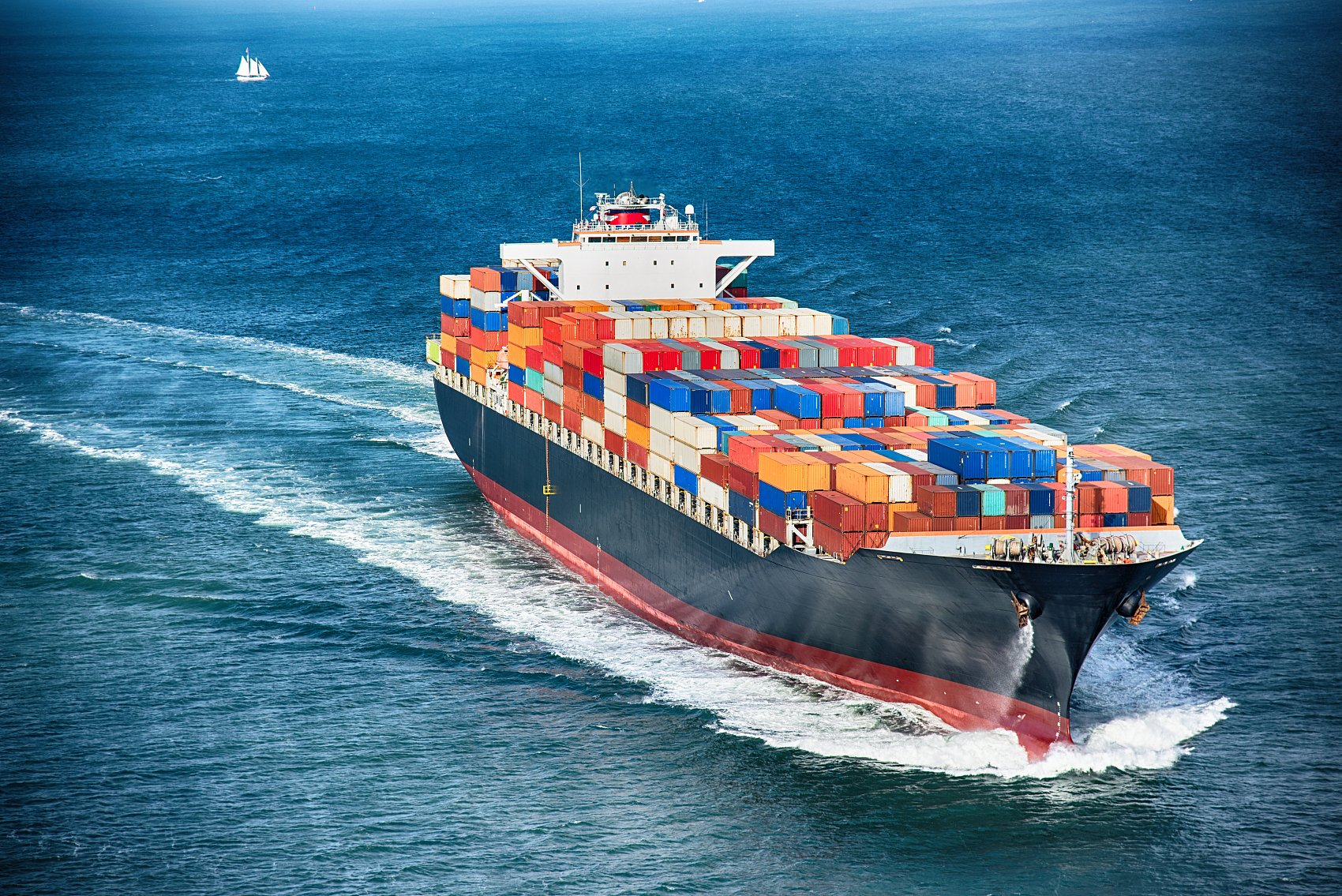
Navigating the complexities of international trade requires a strategic partner to manage your logistics efficiently. If you are looking to optimize your global supply chain, Logistics From China provides comprehensive solutions tailored to your specific needs. China to France sea freight for business remains the most cost-effective method for transporting large volumes of goods across continents in 2026. This guide will explore everything from transit times to cost-saving strategies for your imports.
How Does China to France Sea Freight for Business Compare to Other Shipping Options?
Business owners must evaluate multiple transportation modes to find the best balance between speed and budget. While air freight offers rapid delivery for high-value items, the costs are often prohibitive for large inventory shipments. Consequently, many companies prioritize maritime routes to maintain healthy profit margins during their expansion into Europe.
Rail freight has emerged as a reliable middle-ground solution, offering faster transit than the ocean but at a lower cost than air. However, sea freight continues to dominate the market due to its massive capacity and ability to handle oversized cargo. Therefore, understanding the trade-offs between these methods is essential for effective inventory management in 2026.
Maritime shipping trends in 2026 suggest that while fuel surcharges fluctuate, the overall stability of ocean routes makes them the preferred choice for predictable supply chains. Moreover, the environmental impact per ton of cargo is significantly lower when using sea routes compared to air transport. In contrast, businesses with urgent deadlines might still opt for express services despite the higher financial investment.
| Shipping Method | Cost Range | Transit Time | Best For |
|---|---|---|---|
| Sea Freight | $1,800 – $4,200 | 30-45 Days | Bulk inventory and heavy goods |
| Air Freight | $5,000 – $15,000 | 5-10 Days | Urgent samples and high-value tech |
| Rail Freight | $2,500 – $5,000 | 18-25 Days | Mid-size shipments needing balance |
| Express Service | $8,000 – $20,000 | 3-5 Days | Small parcels and critical documents |
Choosing Between FCL and LCL for Your French Imports
Selecting the right container type is a pivotal decision when arranging sea freight from Asian hubs. Full Container Load (FCL) is generally the best option for businesses moving more than 15 cubic meters of goods. This method provides exclusive use of a 20GP or 40HQ container, which minimizes the risk of damage during transit.
Less than Container Load (LCL) allows multiple shippers to share space within a single container, making it ideal for smaller volumes. Furthermore, LCL shipping costs are calculated based on the volume you occupy, providing a flexible entry point for startups. Nevertheless, LCL shipments often require more time for consolidation and deconsolidation at the port of loading and discharge.
Ultimately, the choice depends on your specific delivery schedule and the nature of your products. For instance, fragile items might benefit from the reduced handling associated with FCL shipping. On the other hand, a steady stream of smaller LCL shipments can help maintain inventory levels without the high upfront cost of a full container.
Major Ports for China to France Sea Freight for Business
Primary shipping routes typically originate from major Chinese industrial hubs like Shanghai, Ningbo, and Shenzhen. These ports offer the highest frequency of departures and the most competitive freight rates Shanghai to Le Havre. Additionally, the infrastructure at these locations ensures efficient cargo handling and rapid loading processes.
Destination ports in France are strategically located to serve different regions of the country and neighboring European markets. Le Havre remains the busiest port for northern France and the Paris metropolitan area, while Marseille serves as the gateway to the Mediterranean. Specifically, Dunkirk and Fos-sur-Mer provide excellent rail and road connections for further inland distribution.
Market data suggests that choosing a port closer to your final warehouse can save significant inland transportation costs. For example, if your distribution center is in Lyon, shipping via Marseille might be more economical than Le Havre. Therefore, analyzing the entire door-to-door journey is crucial for optimizing your logistics budget.
| Origin Port | Destination Port | Transit (Days) | Frequency |
|---|---|---|---|
| Shanghai | Le Havre | 32-38 | Weekly |
| Shenzhen | Marseille | 28-34 | Weekly |
| Ningbo | Fos-sur-Mer | 30-36 | Weekly |
| Qingdao | Dunkirk | 35-42 | Bi-weekly |
Understanding Customs and Documentation for France
Navigating the French customs clearance process requires meticulous attention to detail and accurate paperwork. Businesses must provide a commercial invoice, a detailed packing list, and a Bill of Lading for every shipment. Moreover, obtaining an EORI number is a mandatory requirement for any company importing goods into the European Union.
Professional customs brokerage services can significantly reduce the risk of delays or fines at the border. These experts stay updated on the latest import duties France and trade regulations to ensure your cargo remains compliant. Consequently, investing in expert guidance is often more cost-effective than dealing with the repercussions of documentation errors.
Typically, the French customs authorities focus on product safety standards and intellectual property rights during inspections. For instance, electronics must meet CE marking requirements, and textiles must have accurate fiber composition labels. Indeed, preparing these documents well in advance of the ship’s arrival is the best way to ensure a smooth delivery schedule.

Realistic Case Studies for 2026 Shipments
Case Study 1: High-Volume Electronics Distribution. Route: Shenzhen, China to Le Havre, France. Cargo: Consumer Electronics, 28 CBM, 4500 kg. Container: 40GP. Shipping Details: Carrier: Major Carrier; Port of Loading: Shenzhen; Port of Discharge: Le Havre; Route Type: Direct. Cost Breakdown: Ocean Freight: $3,450; Origin Charges: $450; Destination Charges: $520; Customs: $1,200; Total Landed Cost: $5,620. Timeline: Booking to Loading: 4 days; Sea Transit: 34 days; Customs Clearance: 2 days; Total Door-to-Door: 42 days. Key Insight: Early booking during the 2026 peak season secured a fixed rate.
Case Study 2: Boutique Fashion Apparel. Route: Ningbo, China to Marseille, France. Cargo: Summer Clothing, 8 CBM, 1200 kg. Container: LCL. Shipping Details: Carrier: Regional Consolidator; Port of Loading: Ningbo; Port of Discharge: Marseille; Route Type: Transshipment via Singapore. Cost Breakdown: Ocean Freight: $950; Origin Charges: $280; Destination Charges: $340; Customs: $650; Total Landed Cost: $2,220. Timeline: Booking to Loading: 6 days; Sea Transit: 38 days; Customs Clearance: 3 days; Total Door-to-Door: 50 days. Key Insight: Consolidating multiple small orders into one LCL shipment reduced per-unit shipping costs by 15%.
Note: Freight rates are subject to change based on fuel costs, carrier capacity, and seasonal demand. Contact us for a current quote tailored to your specific shipment.
What Are the Cost-Saving Strategies for Business Shipping in 2026?
Reducing your China to France sea freight for business expenses requires a combination of planning and flexibility. One effective strategy is to ship during the off-peak season, typically from March to June, when demand is lower. Additionally, optimizing your packaging to maximize container space can lead to substantial savings on LCL shipments.
Negotiating long-term contracts with freight forwarders can provide price stability in a volatile market. Furthermore, choosing a door to door service simplifies the logistics chain and often includes bundled pricing for trucking and warehousing. In contrast, managing each leg of the journey separately can lead to hidden costs and administrative headaches.
Importantly, businesses should consider the benefits of Amazon FBA logistics if they are selling on e-commerce platforms. These specialized services streamline the process of getting products from Chinese factories directly into French fulfillment centers. Without a doubt, leveraging technology and automation in your supply chain will be a key differentiator for successful importers in 2026.
Which Option Should You Choose? A Decision Framework
Determining the best shipping method involves evaluating your budget, speed requirements, and cargo volume. If your primary goal is cost reduction and you have a flexible timeline, sea freight is the clear winner. However, if you are launching a new product and need to hit a specific marketing date, rail or air might be necessary.
Budget priority: Recommend Sea Freight (FCL for >15 CBM, LCL for <15 CBM). This approach ensures the lowest cost per unit for your inventory. Speed priority: Recommend Air Freight or Rail Freight depending on the urgency. Cargo type considerations: Recommend FCL for fragile or high-value goods to minimize handling risks.
Regardless of the method you choose, working with an experienced partner ensures that your China to France sea freight for business is handled with professional care. As of early 2026, market data suggests that diversifying your shipping methods can protect your business from regional port congestion or disruptions. Therefore, maintaining a mix of sea and rail options is a wise long-term strategy.
Summary of Shipping Success
Successfully managing China to France sea freight for business involves a deep understanding of container options, port logistics, and customs regulations. By choosing between FCL and LCL based on your volume, you can effectively control your shipping costs while maintaining inventory flow. Moreover, staying informed about 2026 market trends and utilizing professional brokerage services will prevent unnecessary delays at the border.
Ultimately, the goal is to create a resilient supply chain that supports your business growth in the French market. Whether you are shipping electronics from Shenzhen or textiles from Ningbo, the right strategy will ensure your goods arrive safely and economically. Start planning your next shipment today to take advantage of the most competitive sea freight rates available.

Need a tailored shipping solution?
Streamline your international logistics today with a partner you can trust. Our team at Logistics From China is ready to help you navigate the complexities of China to France sea freight for business with tailored solutions and competitive 2026 rates. Visit our website to request a personalized quote and start optimizing your supply chain now. Send Inquiry: Visit logisticsfromchina.com/contact/