
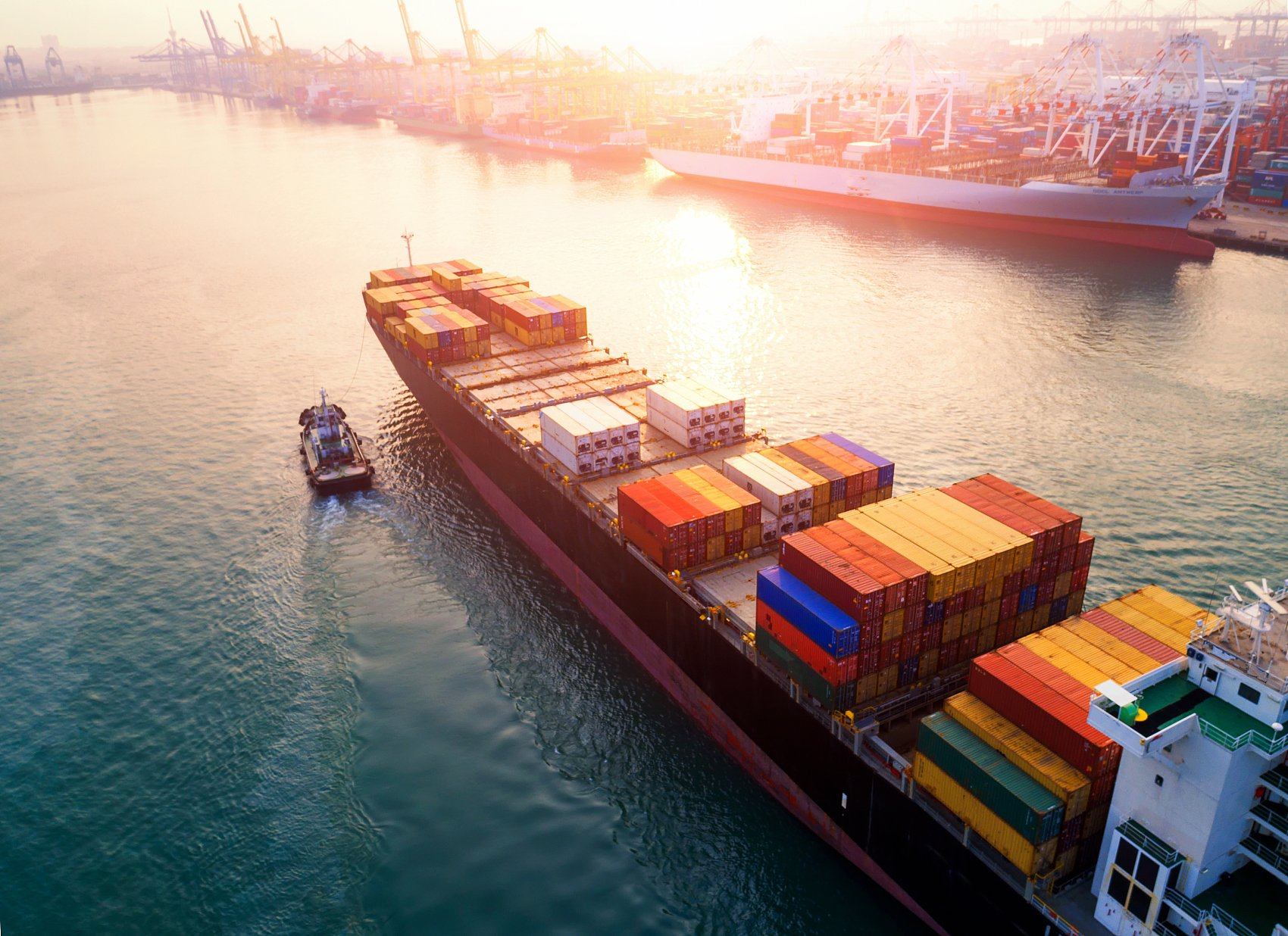
China to USA Container Shipping Fast Delivery: 2026 Logistics Guide
Navigating the complexities of international trade requires a strategic approach to logistics to maintain a competitive advantage. For many businesses, securing china to usa container shipping fast delivery is the most critical component of their supply chain strategy. Consequently, understanding the latest market trends and carrier options in early 2026 can significantly impact your bottom line. This guide provides a comprehensive overview of expedited ocean freight solutions tailored for modern importers who need speed and reliability.

What Defines Fast Delivery for China to USA Container Shipping?
Speed in ocean freight typically refers to expedited services that bypass traditional transshipment hubs. Specifically, premium carriers like Matson and ZIM offer direct routes from major Chinese ports to the United States West Coast. These services reduce transit times significantly compared to standard slow-steaming vessels.
Reliability serves as the second pillar of fast delivery in the current 2026 market. Furthermore, guaranteed space and equipment availability ensure that your cargo does not face rolling at the port of loading. Choosing a carrier with a proven track record for on-time arrivals is essential for time-sensitive inventory.
Efficiency at the destination port also plays a vital role in the overall delivery timeline. For instance, expedited services often include dedicated pier facilities or priority offloading to speed up the drayage process. This integrated approach ensures that the total door-to-door time remains as short as possible.
How Does Ocean Freight Compare to Other Shipping Options?
Comparing different transport modes allows businesses to balance budget constraints with delivery deadlines. While sea freight remains the most cost-effective method for large volumes, it is slower than air transport. However, premium ocean services have narrowed the gap for many high-value commodities.
Market data from early 2026 suggests that expedited sea freight offers a middle ground between standard ocean and air freight. Indeed, many shippers now utilize fast-boat services to save up to 70 percent on costs compared to air freight while only adding a week to the timeline. This strategy has become increasingly popular for consumer electronics and fashion apparel.
Selecting the right method depends on your specific cargo volume and urgency. Specifically, for shipments exceeding 15 cubic meters, ocean freight is almost always the superior choice. In contrast, very small or extremely urgent parcels may still require the speed of flight.
| Shipping Method | Cost Range | Transit Time | Best For |
|---|---|---|---|
| Standard Sea Freight | $1,500 – $3,500 | 30 – 45 Days | Non-urgent bulk goods |
| Expedited Sea Freight | $2,500 – $4,800 | 12 – 18 Days | Time-sensitive inventory |
| Air Freight | $8,000 – $15,000 | 3 – 7 Days | High-value urgent cargo |
| LCL Shipping | $50 – $120/CBM | 25 – 40 Days | Small volume shipments |
Understanding 2026 Container Pricing and Transit Times
Container rates fluctuate based on seasonal demand, fuel costs, and carrier capacity. As of Q1 2026, rates from China to the US West Coast have stabilized following the volatility seen in previous years. Additionally, shippers should budget for destination charges and local drayage which can impact the final landed cost.
Transit times vary significantly depending on the destination port and the specific service loop selected. For example, a direct service from Shanghai to Los Angeles is much faster than a route that includes multiple stops in Southeast Asia. Shippers must evaluate the trade-off between a lower base rate and a longer transit time.
Strategic planning involves booking shipments at least 3 to 4 weeks in advance during peak periods. Consequently, this foresight helps secure space on the fastest vessels and avoids the premium surcharges often applied to last-minute bookings. Utilizing air freight remains a backup option if sea schedules face unexpected disruptions.
| Route (From China) | 20GP Rate | 40HQ Rate | Est. Transit |
|---|---|---|---|
| Shanghai to LA | $1,600 – $2,100 | $2,900 – $3,700 | 14 – 16 Days |
| Shenzhen to Long Beach | $1,550 – $2,050 | $2,850 – $3,650 | 13 – 15 Days |
| Ningbo to New York | $2,600 – $3,400 | $4,600 – $5,800 | 30 – 34 Days |
| Qingdao to Savannah | $2,550 – $3,350 | $4,500 – $5,700 | 32 – 36 Days |
Premium Expedited Services: The Matson and ZIM Advantage
Premium carriers have revolutionized the concept of china to usa container shipping fast delivery by offering dedicated terminals. Matson, in particular, is renowned for its CLX and CLX+ services which boast the fastest transit times in the industry. Moreover, their right-on-time delivery record makes them a favorite for Amazon sellers and high-tech manufacturers.
ZIM Integrated Shipping also offers expedited e-commerce routes that prioritize speed and digital tracking. These services often include ‘wheeled’ delivery, meaning containers are placed directly on chassis upon arrival. This feature eliminates the need for terminal stacking and allows for immediate pickup by trucks.
Choosing these premium services often requires a higher initial investment compared to standard carriers. However, the reduction in lead time can lower inventory holding costs and improve cash flow. Ultimately, the value of getting products to market two weeks earlier often outweighs the additional freight expense.
Realistic Case Studies: Successful Expedited Shipments
Case Study 1: High-Speed Tech Launch. Route: Shenzhen to Long Beach. Cargo: Consumer Electronics, 28 CBM, 4500 kg. Container: 40HQ. Shipping Details: Matson CLX service, direct route. Cost Breakdown: Ocean Freight $3,200, Origin Charges $450, Destination Charges $600, Customs $800. Total Landed Cost: $5,050. Timeline: Booking to Loading 3 days, Sea Transit 13 days, Customs 1 day. Total Door-to-Door: 17 days. Key Insight: Priority offloading saved 4 days at the terminal.
Case Study 2: Seasonal Apparel Distribution. Route: Shanghai to Savannah. Cargo: Fashion garments, 12 CBM. Container: LCL. Shipping Details: Major carrier via Panama Canal. Cost Breakdown: Ocean Freight $950, Origin Charges $200, Destination Charges $350, Customs $400. Total Landed Cost: $1,900. Timeline: Booking to Loading 5 days, Sea Transit 32 days, Customs 2 days. Total Door-to-Door: 42 days. Key Insight: Choosing an all-water route avoided West Coast rail congestion.
Case Study 3: Urgent Industrial Parts. Route: Ningbo to Los Angeles. Cargo: Machinery components, 1800 kg. Container: LCL Expedited. Shipping Details: ZIM eCommerce Xpress. Cost Breakdown: Ocean Freight $1,100, Origin Charges $250, Destination Charges $300, Customs $500. Total Landed Cost: $2,150. Timeline: Booking to Loading 4 days, Sea Transit 12 days, Customs 1 day. Total Door-to-Door: 19 days. Key Insight: Using door to door service simplified the final mile delivery.
Customs Clearance and Documentation Requirements
Efficient customs processing is mandatory for maintaining a fast delivery schedule. Errors in documentation can lead to intensive examinations and costly delays at the port of entry. Therefore, importers must ensure that their Commercial Invoice, Packing List, and Bill of Lading are accurate and consistent.
Working with a professional customs brokerage partner helps navigate the complexities of US Customs and Border Protection (CBP) regulations. In 2026, increased focus on supply chain transparency means that detailed descriptions of goods are more important than ever. Consequently, pre-filing entries through the Automated Broker Interface (ABI) can result in immediate release upon vessel arrival.
Importers should also be aware of specific requirements like the International Security Filing (ISF). Failure to file the ISF at least 24 hours before the vessel departs China can result in significant fines and cargo holds. Maintaining a valid continuous bond is another strategic move to streamline the clearance process for frequent shippers.
Optimizing Your Supply Chain for Fast Delivery
Successful logistics management involves more than just picking the fastest ship. Specifically, optimizing the first-mile pickup in China and the last-mile delivery in the USA is crucial. Shippers should coordinate closely with their factory to ensure cargo is ready for the earliest possible sailing window.
Digital tracking tools provide real-time visibility into the location and status of your containers. Many modern freight forwarders offer platforms that integrate data from carriers, terminals, and GPS devices. This transparency allows for proactive decision-making if a vessel faces a weather-related delay or port congestion.
For those selling on major platforms, Amazon FBA specialized shipping services can further accelerate the process. These services often include palletization and labeling that meet strict warehouse requirements. By streamlining these steps, you reduce the risk of rejection and ensure your products are available for sale faster.
Which Option Should You Choose? A Decision Framework
Budget priority: If cost is your primary concern and time is flexible, recommend standard FCL or LCL sea freight via transshipment routes. This approach minimizes expenses while still providing reliable transport for non-perishable goods. Typically, this is best for inventory replenishment where demand is predictable.
Speed priority: If you need goods within 3 weeks, recommend expedited sea freight services like Matson CLX. This option provides air-like reliability at a fraction of the cost. It is the ideal choice for product launches or stock-outs where every day of delay results in lost revenue.
Cargo type considerations: For high-value, low-volume items, air freight remains the gold standard. However, for bulky items like furniture or heavy machinery, sea freight is the only viable option. Always consider the total landed cost, including insurance and duties, when making your final decision.
Mastering Your China to USA Shipping Strategy
Securing china to usa container shipping fast delivery requires a combination of the right carrier, accurate documentation, and proactive planning. By leveraging expedited ocean services, businesses can achieve a balance of speed and cost-efficiency that was previously impossible. As the market continues to evolve in 2026, staying informed about transit times and pricing trends will remain essential for global trade success.
Ultimately, the goal is to create a resilient supply chain that can adapt to changing demands. Whether you choose premium sea freight or standard shipping, the key lies in selecting a partner who understands your specific needs. Start optimizing your logistics today to ensure your cargo arrives on time and within budget.
Need a tailored shipping solution?
Ready to accelerate your supply chain with china to usa container shipping fast delivery? Contact our expert team today for a customized quote and experience the best in 2026 logistics. Visit our contact page to get started: https://logisticsfromchina.com/contact-us/