

China Factory Shipping Service Custom Clearance: 2026 Guide
Navigating the complexities of international trade requires a reliable Logistics From China partner to manage your supply chain. Utilizing a professional china factory shipping service custom clearance ensures your goods move from the manufacturing floor to your destination without unnecessary delays. In 2026, staying ahead of logistics trends is crucial for maintaining a competitive edge in the global market. Furthermore, businesses must adapt to evolving freight rates and cargo handling protocols to ensure profitability. This guide provides a comprehensive overview of how to streamline your import and export processes effectively while managing costs.
✦
What is China Factory Shipping Service Custom Clearance?
Managing international shipments involves more than just moving boxes from one point to another. Specifically, a china factory shipping service custom clearance encompasses the entire logistical journey from the production line to the final warehouse. Consequently, this service includes cargo consolidation, export documentation, and the critical step of clearing customs in both the origin and destination countries.
Moreover, the year 2026 has introduced new digital requirements for filing customs entries. Indeed, automated systems now require precise harmonized system codes to prevent delays. Therefore, choosing a provider that understands these technological shifts is essential for maintaining your delivery schedule.
In addition, factory-to-door logistics services reduce the administrative burden on importers. By centralizing the communication between the factory and the carrier, you minimize the risk of errors in the bill of lading. Notably, this streamlined approach improves overall supply chain visibility and reliability.
How Does China Factory Shipping Service Custom Clearance Compare to Other Shipping Options?
Evaluating different transportation modes is vital for optimizing your shipping costs. While sea freight remains the most economical choice for high-volume cargo, air freight offers unmatched speed for urgent deliveries. Meanwhile, rail freight has become an increasingly popular middle-ground solution for shipments destined for Europe.
Additionally, the choice between FCL and LCL depends largely on your total cargo volume. For instance, shipments exceeding 15 CBM typically benefit from the security and fixed costs of a full container. On the other hand, smaller consignments are better suited for less-than-container load services to save on expenses.
Furthermore, direct shipping routes usually command a premium but significantly reduce the risk of cargo damage during transshipment. In contrast, transshipment routes might offer lower freight rates but add several days to the total transit time. Businesses must weigh these trade-offs based on their specific inventory requirements.
| Shipping Method | Cost Range | Transit Time | Best For |
|---|---|---|---|
| Sea Freight | $1,500 – $4,500 | 14 – 40 Days | Bulk Goods |
| Air Freight | $5.00 – $12.00/kg | 3 – 7 Days | Urgent Cargo |
| Rail Freight | $2,000 – $3,500 | 18 – 25 Days | Mid-range Speed |
| Express Service | $8.00 – $15.00/kg | 2 – 5 Days | Samples/Small |
Which Option Should You Choose for Your 2026 Shipments?
Budget priority dictates that most high-volume importers should look toward sea freight as their primary method. Consequently, this allows for the lowest per-unit cost, which is essential for maintaining retail margins. However, you must account for longer lead times when planning your inventory levels.
Speed priority necessitates the use of air freight for high-value electronics or seasonal fashion items. Additionally, the rapid transit time ensures that you can respond quickly to market fluctuations. Nevertheless, the higher carbon footprint and cost require careful justification within your logistics budget.
Cargo type considerations often influence the final decision more than cost or speed alone. For example, hazardous materials or oversized machinery may have limited options due to carrier restrictions. Therefore, consulting with a freight forwarder early in the production cycle is recommended to avoid last-minute logistics hurdles.
Why is Customs Brokerage Essential for Your Supply Chain?
Navigating the legal requirements of international trade requires expert customs brokerage services. Specifically, a licensed broker ensures that all duties and taxes are calculated accurately based on the current 2026 tariff schedules. Consequently, this prevents costly fines and the potential seizure of your goods by authorities.
Moreover, the documentation process is extensive and requires meticulous attention to detail. Indeed, a single error on a commercial invoice can lead to weeks of delays at the port of entry. In addition, professional brokers stay informed about changing trade agreements that might offer duty-free status for certain products.
Furthermore, managing the customs process effectively contributes to a more resilient supply chain. By proactively resolving potential issues before the cargo arrives at the border, you ensure a smoother transition to the final delivery phase. Notably, this reliability is a key component of a successful china factory shipping service custom clearance strategy.
| Document Name | Purpose | Required By | Key Info |
|---|---|---|---|
| Commercial Invoice | Value Declaration | Customs | Price, Terms |
| Packing List | Cargo Detail | Carrier | Weight, CBM |
| Bill of Lading | Title of Goods | Bank/Carrier | Consignee |
| Cert. of Origin | Duty Calculation | Customs | Manufacture |
Exploring Door to Door Delivery for Factory Direct Shipments
Implementing a door to door service model simplifies the entire logistics chain for the importer. Specifically, the freight forwarder takes responsibility for the cargo from the moment it leaves the factory floor until it reaches your warehouse. Consequently, this end-to-end solution provides a single point of contact and accountability.
Additionally, this method often includes the china factory shipping service custom clearance as a standard part of the package. Therefore, you do not need to coordinate with multiple agents or local trucking companies. Furthermore, the total landed cost is easier to calculate when all services are bundled into a single quote.
Meanwhile, businesses that utilize this service often report higher levels of customer satisfaction due to more predictable delivery dates. Indeed, the integration of first-mile and last-mile logistics reduces the friction points that typically cause delays. As a result, door-to-door shipping has become the preferred choice for many e-commerce brands in 2026.
Understanding Transit Times and Logistics Trends in 2026
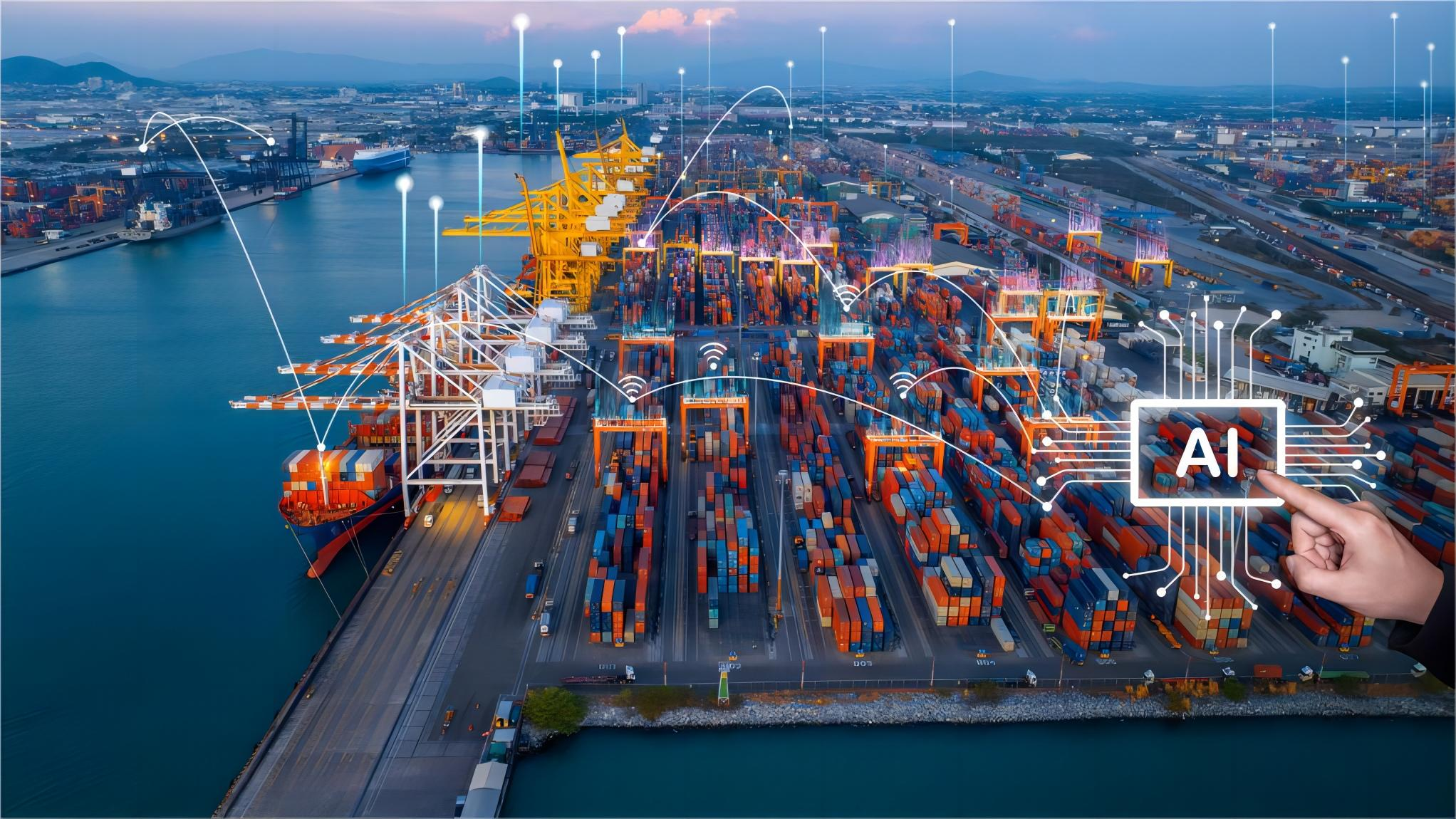
Logistics trends in 2026 show a significant shift toward green shipping and carbon reporting. Consequently, many carriers are now offering eco-friendly options, though these may come at a slight premium. Moreover, the integration of AI in route optimization has helped stabilize transit times despite global geopolitical shifts.
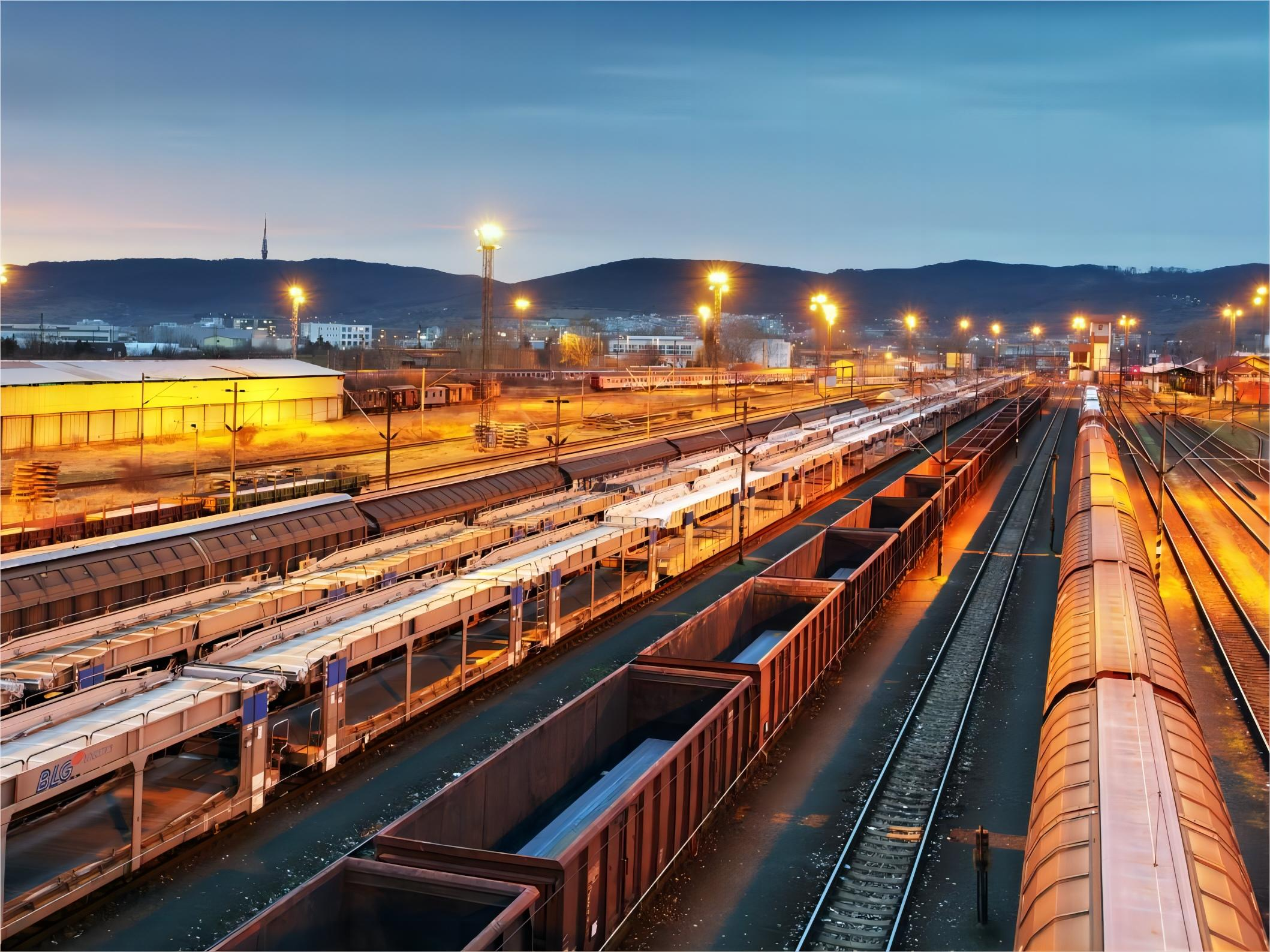
Additionally, the use of rail freight for trans-Eurasian routes continues to grow in efficiency. For instance, shipments from central China to Germany now consistently arrive within 20 days. Therefore, this serves as an excellent alternative for businesses looking to balance cost and speed for their European markets.
Note: Freight rates are subject to change based on fuel costs, carrier capacity, and seasonal demand. Market data suggests that rates typically increase by 15-25% during the peak season from August to October. Contact us for a current quote tailored to your specific shipment.
| Destination | Sea (Days) | Air (Days) | Rail (Days) |
|---|---|---|---|
| USA West Coast | 14 – 18 | 3 – 5 | N/A |
| USA East Coast | 30 – 35 | 4 – 6 | N/A |
| Europe (Main) | 28 – 35 | 4 – 7 | 18 – 25 |
| Australia | 12 – 18 | 3 – 5 | N/A |
Case Studies in International Freight Logistics
Case Study 1: Electronics from Shenzhen to Los Angeles. Route: Shenzhen, China to Los Angeles, USA. Cargo: Consumer Electronics, 25 CBM, 8000 kg. Container: 40GP. Shipping Details: Major carrier via direct route. Port of Loading: Shenzhen. Port of Discharge: Los Angeles. Cost Breakdown: Ocean Freight: $2,200. Origin Charges: $450. Destination Charges: $600. Customs and Duties: $1,200. Total Landed Cost: $4,450. Timeline: Booking to Loading: 3 days. Sea Transit: 16 days. Customs Clearance: 2 days. Total Door-to-Door: 21 days. Key Insight: Using a direct route saved 5 days compared to transshipment via Busan.
Case Study 2: Textiles from Ningbo to Hamburg. Route: Ningbo, China to Hamburg, Germany. Cargo: Apparel, 12 CBM, 4000 kg. Container: LCL. Shipping Details: Consolidated sea freight. Port of Loading: Ningbo. Port of Discharge: Hamburg. Cost Breakdown: Ocean Freight: $950. Origin Charges: $300. Destination Charges: $400. Customs and Duties: $800. Total Landed Cost: $2,450. Timeline: Booking to Loading: 5 days. Sea Transit: 32 days. Customs Clearance: 3 days. Total Door-to-Door: 40 days. Key Insight: LCL was 40% cheaper than a 20GP container for this volume in early 2026.
Cost-Saving Strategies for Your Supply Chain
Reducing your total shipping spend requires a proactive approach to cargo handling and planning. For example, optimizing your packaging to reduce unused space within a container can lead to significant savings over time. Furthermore, consolidating multiple small orders from different factories into a single shipment reduces the number of customs entries required.
Additionally, negotiating long-term contracts with freight forwarders can provide stability in a volatile market. Indeed, while spot rates may occasionally be lower, contract rates protect you from sudden price spikes during peak seasons. Moreover, choosing the right Incoterms, such as FOB instead of EXW, can give you more control over the international transit phase.
Consequently, businesses that invest in better visibility software can often identify bottlenecks before they lead to extra charges like demurrage or detention. Therefore, staying informed about port conditions and labor trends is just as important as the shipping rate itself. In conclusion, a holistic view of the supply chain is the best way to manage a china factory shipping service custom clearance.
Final Thoughts on Logistics Management
In summary, mastering the china factory shipping service custom clearance process is essential for any business importing from the world’s largest manufacturing hub. By understanding the nuances of different shipping methods and the importance of accurate documentation, you can significantly reduce risks and costs. Moreover, the year 2026 offers new opportunities for those who embrace digital logistics and sustainable practices.
Therefore, whether you choose sea, air, or rail freight, the key to success lies in preparation and partnership. Always ensure your customs brokerage is handled by professionals to avoid unnecessary delays at the border. Ultimately, a well-managed logistics strategy will drive your business growth in the competitive global marketplace.