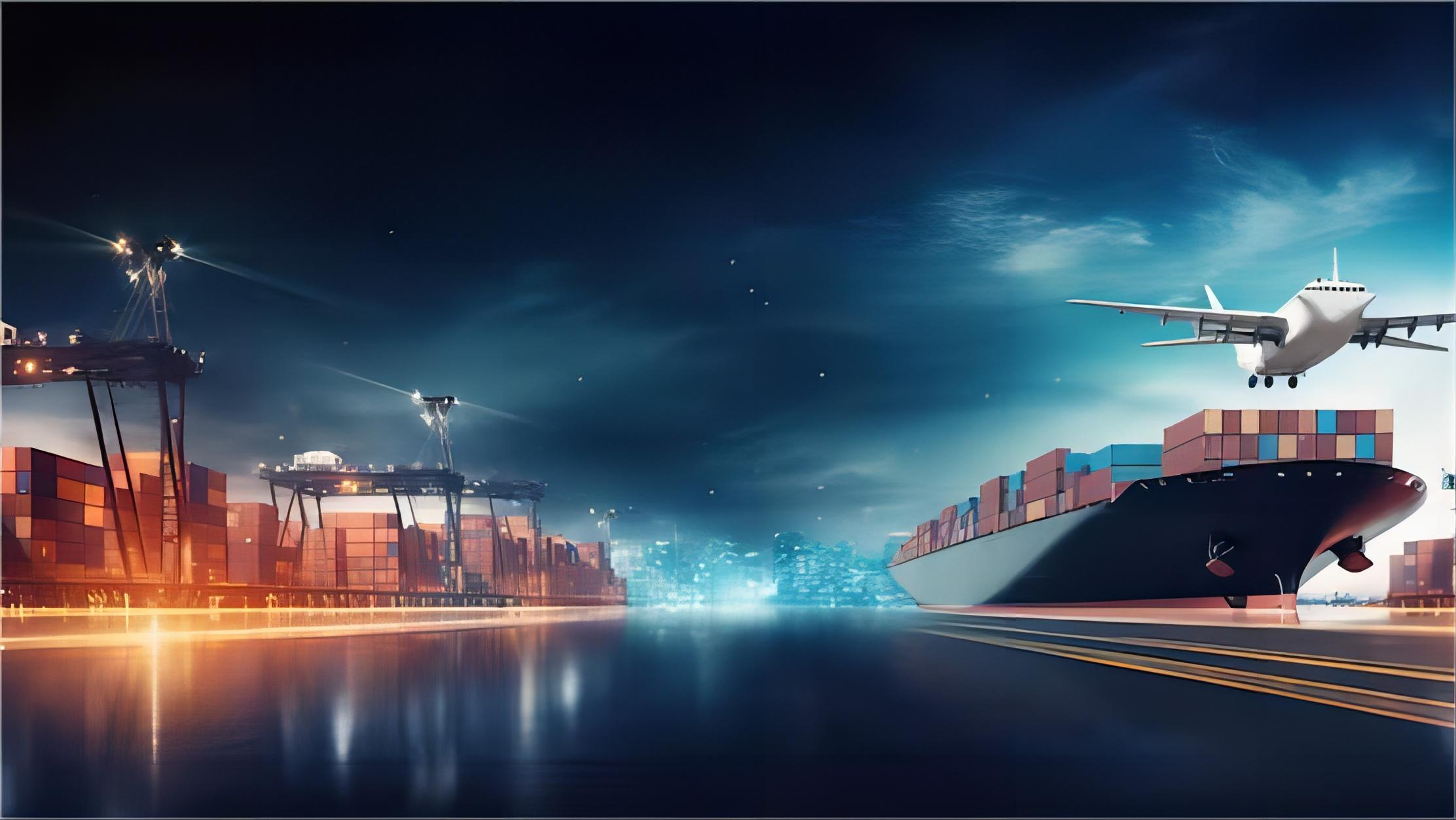

China Ecommerce Logistics Solution for Business: 2026 Strategy Guide
Developing a robust china ecommerce logistics solution for business is essential for maintaining a competitive edge in the global marketplace. As we navigate the complexities of international trade in 2026, companies must prioritize speed, reliability, and cost-efficiency to satisfy demanding customers. By partnering with Logistics From China, you can streamline your operations and ensure that your products move seamlessly from manufacturing hubs to your customers front doors.
✦
What defines a modern china ecommerce logistics solution for business?
Successfully managing a global brand requires more than just high-quality products. Specifically, a modern china ecommerce logistics solution for business integrates advanced tracking, efficient warehousing, and strategic shipping routes. Consequently, businesses can reduce lead times and improve customer satisfaction scores significantly.
Reliability remains the cornerstone of any successful supply chain strategy in the current year. Furthermore, the integration of artificial intelligence in route planning has allowed providers to bypass port congestion more effectively than in previous years. Therefore, choosing a partner who utilizes these technologies is vital for your long-term growth.
Today, the market demands transparency throughout the entire fulfillment process. In addition, real-time inventory management allows you to respond quickly to market trends without overstocking your local warehouses. Indeed, data-driven logistics are no longer a luxury but a fundamental necessity for ecommerce success.
How does sea freight compare to other shipping options?
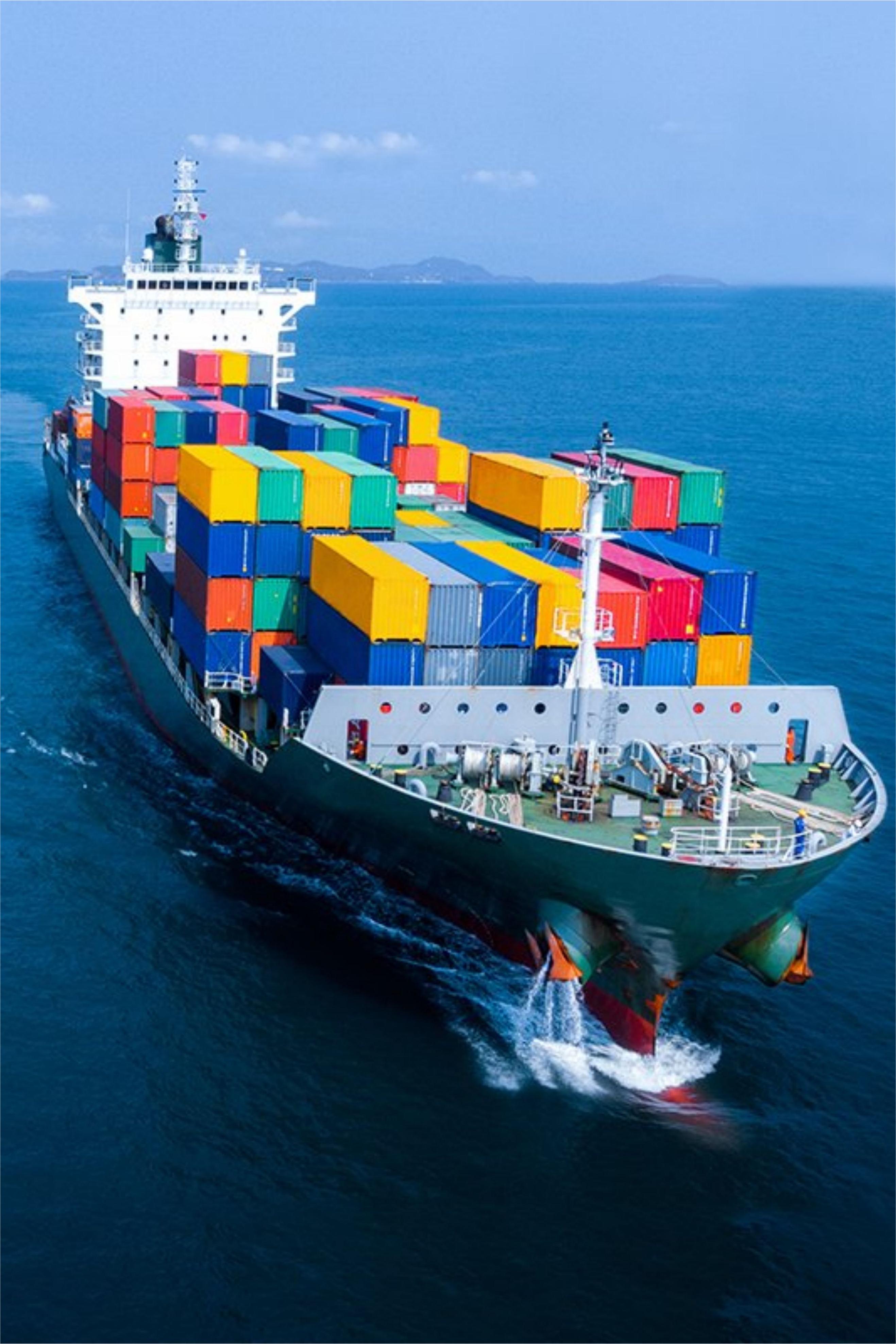
Evaluating different transport modes is a critical step in building your logistics framework. While sea freight offers the lowest cost for high-volume shipments, it requires careful planning due to longer transit times. However, for large-scale inventory replenishment, it remains the most economical choice available.
Comparing ocean transport to air or rail reveals significant trade-offs in both budget and speed. For instance, shipping a full container from Shanghai to Europe in early 2026 costs a fraction of the price of air cargo. Nevertheless, you must account for the 30 to 40 days required for the vessel to reach its destination.
Consequently, many businesses adopt a hybrid approach to balance their expenses. By using sea transport for bulk stock and air for urgent restocks, you can maintain a healthy cash flow while meeting customer demand. This strategic flexibility is a hallmark of a sophisticated china ecommerce logistics solution for business.
| Shipping Method | Cost Range | Transit Time | Best For |
|---|---|---|---|
| Sea Freight | $2,500 – $4,500 per 40HQ | 30 – 45 Days | Bulk Inventory |
| Air Freight | $5.50 – $9.00 per kg | 5 – 8 Days | High-Value Goods |
| Rail Freight | $1,800 – $3,000 per FEU | 18 – 22 Days | Mid-Range Budget |
| Express | $8.00 – $15.00 per kg | 3 – 5 Days | Urgent Samples |

Why your brand needs a tailored china ecommerce logistics solution for business
Every ecommerce enterprise faces unique challenges based on their product category and target market. Moreover, a one-size-fits-all approach often leads to unnecessary expenses and shipping delays. Therefore, tailoring your china ecommerce logistics solution for business ensures that your specific needs are met with precision.
Customized solutions often include specialized handling for fragile items or temperature-controlled environments for perishables. Additionally, working with a provider that offers door to door service simplifies the entire process by managing every step from the factory to the final customer. As a result, you can focus on marketing and product development instead of logistics headaches.
Furthermore, personalizing your logistics strategy allows you to adapt to seasonal fluctuations in demand. For example, during the peak Q4 season, having a dedicated space on cargo ships can prevent the stockouts that plague many smaller retailers. Without a doubt, a customized plan provides the resilience needed to survive in a volatile market.
Can air freight accelerate your market expansion?
Speed is often the most critical factor for businesses launching new products or entering new territories. Specifically, air freight provides the rapid turnaround times necessary to capitalize on viral trends. Consequently, companies can move stock from Chinese factories to global consumers in less than a week.
Fast delivery schedules are particularly beneficial for high-margin electronics and fashion items. Moreover, the reduced transit time minimizes the risk of damage or theft during the journey. In contrast, longer sea routes expose cargo to more environmental stressors and handling risks over several weeks.
Indeed, the 2026 market has seen a stabilization in air cargo rates after the fluctuations of previous years. For instance, current rates for major routes are approximately 15 percent lower than the peaks seen in late 2025. Therefore, now is an excellent time to integrate more air capacity into your overall supply chain strategy.
Should you choose Amazon FBA for your distribution?
Utilizing Amazon FBA has become a standard practice for many successful ecommerce sellers. This service allows you to leverage Amazons massive warehouse network and prime shipping capabilities. However, getting your products into their fulfillment centers requires strict adherence to their packaging and labeling guidelines.
Professional logistics providers specialize in prepping your cargo to meet these rigorous standards. Additionally, they can manage the international transport and customs clearance before delivering the goods to the designated FBA warehouse. Consequently, this end-to-end management reduces the likelihood of rejected shipments at the Amazon dock.
Moreover, the benefits of FBA include improved search rankings and increased customer trust. Nevertheless, you must balance these advantages against the storage fees and fulfillment costs charged by the platform. To summarize, FBA is a powerful tool when combined with an efficient china ecommerce logistics solution for business.
How to master the customs clearance process in 2026
Navigating the legal requirements of international trade is often the most daunting aspect for new businesses. Specifically, ensuring that all documentation is accurate and complete is vital to avoid costly delays at the border. Accordingly, many companies hire experts to manage their customs declarations and duty payments.
Proper classification of goods using Harmonized System codes determines the amount of tax you will pay. Furthermore, incorrect coding can lead to fines or even the seizure of your cargo by authorities. Therefore, investing in professional brokerage services is a wise decision for any serious importer.
Documentation requirements typically include a commercial invoice, packing list, and bill of lading. In addition, some products may require specific certificates of origin or safety compliance documents. By preparing these in advance, you can ensure a smooth transition through customs and maintain your delivery schedule.
| Document Name | Purpose | Required By | Criticality |
|---|---|---|---|
| Commercial Invoice | Proof of Transaction | Customs / Banks | High |
| Packing List | Inventory Detail | Port Authorities | High |
| Bill of Lading | Title of Goods | Carrier / Importer | Essential |
| Certificate of Origin | Verify Source | Trade Agreements | Variable |
Which shipping option should you choose for your business?
Decision-making in logistics should always be guided by your specific business goals and budget constraints. For example, if your priority is minimizing costs and you have high inventory volume, sea freight is the clear winner. On the other hand, if you need to replenish stock quickly to avoid lost sales, air freight is the better investment.
Volume thresholds often dictate when it is time to switch from one method to another. For shipments under 15 cubic meters, express service or LCL sea freight might be more cost-effective. However, once you exceed that volume, booking a full 20-foot container often provides a lower cost per unit.
Cargo type also plays a significant role in your final choice. Fragile or high-value items benefit from the security and speed of air transport. Conversely, heavy or bulky items like furniture are best suited for ocean vessels. By analyzing these factors, you can select the optimal china ecommerce logistics solution for business.
Case studies: Real-world logistics success stories
Case Study 1: Electronics Expansion. A tech startup based in Berlin needed to move 500 units of high-end headphones from Shenzhen. By choosing a hybrid air-sea strategy, they saved 20 percent on costs while ensuring the first 100 units arrived in time for their product launch. The total landed cost was $4,200 with a door-to-door time of 12 days for the air portion.
Case Study 2: Apparel Scaling. A boutique clothing brand in Los Angeles moved from LCL to FCL as their order volume grew in early 2026. Specifically, they shipped a 40HQ container from Ningbo to Long Beach for a total ocean freight cost of $3,200. Consequently, their shipping cost per garment dropped by 45 percent, allowing for better retail margins.
Case Study 3: Furniture Distribution. A home decor retailer in Sydney utilized a dedicated sea freight route to manage bulk inventory. Route: Guangzhou to Sydney. Cargo: Modern sofas, 25 CBM. Method: 20GP Container. Total Cost: $1,450. Transit Time: 18 days. Key Insight: Booking early in Q1 2026 allowed them to avoid the 20 percent price hike usually seen in the later peak seasons.
Final thoughts on your logistics strategy
Building a successful international brand requires a deep understanding of the global supply chain. By implementing a comprehensive china ecommerce logistics solution for business, you can navigate the challenges of 2026 with confidence. Whether you choose air, sea, or rail, the key is to remain flexible and data-driven.
Reliable partnerships and proactive planning will always be your best defense against market volatility. Furthermore, staying informed about current rates and trends allows you to make better financial decisions for your company. To summarize, your logistics strategy is a vital component of your overall business success.
Note: Freight rates are subject to change based on fuel costs, carrier capacity, and seasonal demand. Contact us for a current quote tailored to your specific shipment.