
China Ecommerce Logistics Solution Custom Clearance: 2026 Strategy Guide
Developing a reliable china ecommerce logistics solution custom clearance framework is essential for businesses aiming to scale globally in 2026. As international trade regulations become more complex, partnering with experts like Logistics From China ensures your supply chain remains resilient and efficient. This guide explores how to navigate the intricate world of cross-border commerce while maintaining high profit margins and customer satisfaction.

What is a China Ecommerce Logistics Solution Custom Clearance?
A china ecommerce logistics solution custom clearance refers to the integrated process of moving goods from Chinese manufacturers to international consumers while handling all legal entry requirements. In 2026, this involves more than just physical transport; it requires sophisticated data integration to meet real-time reporting standards. Consequently, sellers must understand that logistics and customs are no longer separate entities but a unified workflow.
Furthermore, the rise of automated customs clearance systems has transformed how small parcels are processed at borders. Instead of manual inspections for every item, digital pre-clearance allows for faster transit times. Therefore, choosing a provider that utilizes these advanced technologies is vital for staying competitive in the fast-paced digital marketplace.
Additionally, the term covers the management of duties, taxes, and restricted items lists that vary by destination country. For instance, shipping to the United States involves different de minimis thresholds compared to the European Union. Accordingly, a comprehensive solution must address these geographical nuances to avoid costly delays or shipment seizures at the port of entry.
Indeed, successful sellers prioritize transparency in their logistics chain to build trust with their end customers. When you provide accurate tracking and clear delivery windows, your brand reputation grows. Meanwhile, failing to manage the customs aspect can lead to unexpected fees that frustrate buyers and result in high return rates.
Why Custom Clearance is the Backbone of Ecommerce Success
Professional customs brokerage services act as the vital link between your inventory and your customer’s doorstep. Without proper clearance, even the fastest shipping method becomes useless if the goods are stuck in a bonded warehouse. Moreover, the legal landscape in 2026 requires strict adherence to environmental and safety standards for all imported consumer goods.
Specifically, the accuracy of your HS codes determines the duty rates you pay and the level of scrutiny your cargo receives. Incorrect classification can lead to audits and heavy fines from tax authorities. Consequently, ecommerce businesses are increasingly relying on expert intermediaries to audit their product lists before the first shipment leaves the factory floor.
Moreover, the integration of VAT compliance Europe ecommerce regulations has made the clearance process more documentation-heavy for those selling in the EU. Sellers must ensure that their IOSS or OSS numbers are correctly linked to every parcel. As a result, having a logistics partner who understands these tax frameworks is non-negotiable for sustainable growth in the European market.
Comparing Shipping Methods for Global Ecommerce
Selecting the right transport mode is the first step in optimizing your china ecommerce logistics solution custom clearance strategy. While speed is often the priority for online shoppers, cost-effectiveness remains the primary concern for business owners. Therefore, you must balance these two factors based on your product’s value and weight.
For example, high-value electronics are best suited for rapid delivery, whereas bulky home decor items benefit from slower, cheaper routes. In contrast, seasonal products require a flexible approach that can pivot between air and sea depending on inventory levels and market demand. Understanding these trade-offs is key to maintaining a healthy bottom line.
| Shipping Method | Avg. Transit Time | Cost Level | Best For |
|---|---|---|---|
| Express Courier | 3 to 5 Days | High | Samples and High-Value Small Goods |
| Air Freight | 7 to 12 Days | Medium-High | Urgent Restocks and Fragile Items |
| Sea Freight | 25 to 40 Days | Low | Bulk Inventory and Large Products |
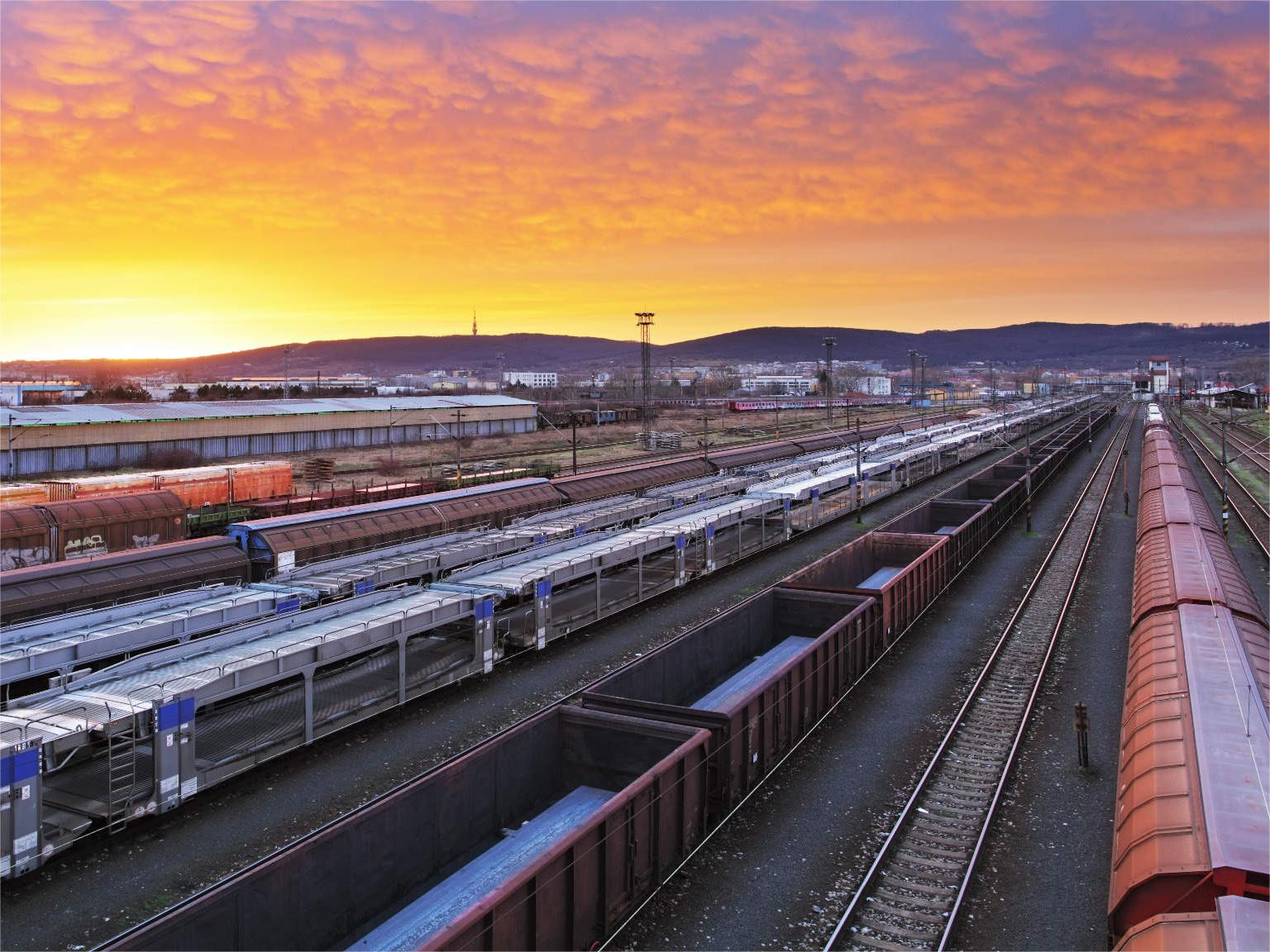
| Rail Freight | 18 to 22 Days | Medium | Stable Supply Chains to Europe |
Navigating Specific Requirements for North America and Europe
Shipping to Europe involves navigating a complex web of national and EU-wide regulations. Since the implementation of new tax rules in 2025, every parcel must be accounted for regardless of its value. Consequently, sellers often utilize bonded warehouses in countries like the Netherlands or Poland to facilitate smoother entry into the single market.
On the other hand, the North American market offers different challenges, particularly regarding Section 321 entries in the United States. While many ecommerce parcels enter duty-free under the $800 limit, the volume of these shipments has led to increased data requirements. Therefore, maintaining digital records of every transaction is essential for long-term compliance.
Furthermore, the Canadian and Mexican markets have their own specific labeling and certification requirements that must be met during the clearance process. For instance, certain consumer electronics require specific safety marks before they can be legally sold. Accordingly, your logistics solution must include a pre-shipment inspection phase to verify all compliance markers are present.
How Does Sea Freight Compare to Other Shipping Options?
While many ecommerce sellers start with air-based solutions, transitioning to sea freight is often the only way to achieve true scale. Sea transport offers a significantly lower cost per unit, allowing for better competitive pricing in saturated markets. However, the longer transit times require more sophisticated inventory forecasting to avoid stockouts.
In contrast to air freight, which might cost $6 to $10 per kilogram, ocean shipping can reduce that cost to less than $1 per kilogram for large volumes. Nevertheless, the custom clearance process for sea containers is often more rigorous, involving multiple stages of documentation. As a result, sea freight is best reserved for replenishing local fulfillment centers rather than direct-to-consumer shipping.
| Shipping Method | Cost Range (2026) | Transit Time | Limitations |
|---|---|---|---|
| Sea Freight (FCL) | $2,500 to $4,500 | 30 to 45 Days | High Upfront Cost |
| Air Freight | $5 to $9 per kg | 5 to 10 Days | Weight Restrictions |
| Rail Freight | $1.5 to $3 per kg | 20 to 25 Days | Limited Geographic Reach |
| Express Service | $9 to $15 per kg | 3 to 5 Days | Expensive for Bulk |
The Critical Role of Amazon FBA in Ecommerce Logistics
For many sellers, the ultimate goal of their china ecommerce logistics solution custom clearance is reaching an Amazon FBA warehouse. Amazon has extremely strict requirements for how goods are labeled, palletized, and delivered. Consequently, any error in the customs documentation or physical preparation can result in the entire shipment being rejected at the warehouse gate.
Moreover, the use of FBA requires a deep understanding of domestic tax obligations once the goods have cleared customs. In the United States, for example, sales tax nexus can be triggered by storing inventory in specific states. Therefore, your logistics strategy should include a plan for managing these local tax liabilities alongside the initial import duties.
Additionally, many sellers now use a hybrid model where they ship bulk inventory via sea to a third-party warehouse and then drip-feed it into FBA. This approach minimizes Amazon’s storage fees while ensuring that products are always available for Prime delivery. Indeed, this multi-stage logistics model is becoming the standard for top-tier ecommerce brands in 2026.
Optimizing Transit Times with Air Freight Solutions
When speed is the primary driver of your business, air freight remains the gold standard for international shipping. In the world of fast fashion or trending gadgets, being first to market can make the difference between a viral success and a costly failure. Consequently, air solutions are frequently used to test new product concepts before committing to larger sea shipments.
However, air cargo space can be volatile, especially during peak seasons like the lead-up to the holidays. During these times, freight rates can double or triple within a matter of days. Accordingly, smart sellers negotiate long-term contracts with their logistics providers to secure space and stable pricing throughout the year.
Furthermore, the customs process for air freight is designed for speed, often allowing for wheels-up clearance where documents are processed while the plane is in flight. This means that goods can often be released within hours of landing. Nevertheless, this speed requires 100% accuracy in documentation, as there is very little time to correct errors once the cargo arrives.
Case Study 1: Efficient Electronics Distribution to Germany
A mid-sized electronics brand needed to move 500 units of high-end headphones from Shenzhen to a fulfillment center in Berlin. The primary goal was to ensure all duties were paid upfront to avoid customer complaints. By utilizing a DDP (Delivered Duty Paid) air freight solution, they managed to bypass the usual delays associated with individual parcel inspections.
Case Study Details: Route: Shenzhen to Berlin. Cargo: 500 units, 2 CBM, 450 kg. Method: Air Freight DDP. Cost: $3,800 total. Transit Time: 9 days total door-to-door. Key Insight: Pre-paying VAT and duties ensured a 100% success rate for first-time delivery attempts.
Case Study 2: Bulk Home Decor Shipping to California
A home decor retailer was struggling with high shipping costs for their ceramic vase collection. They decided to switch from LCL (Less than Container Load) air shipments to a full 20GP container via sea. This shift required better planning but resulted in a massive reduction in the cost per unit, allowing them to lower their retail price and increase sales volume.
Case Study Details: Route: Ningbo to Los Angeles. Cargo: 1,200 vases, 28 CBM. Container: 20GP. Method: Sea Freight. Total Landed Cost: $5,200. Transit Time: 22 days. Key Insight: Moving to FCL reduced their shipping costs by 65% compared to their previous air-based strategy.
Decision Framework: Which Option Should You Choose?
Choosing the right china ecommerce logistics solution custom clearance depends heavily on your specific business metrics. If your profit margin is over 50% and your product weighs less than 2kg, air freight or express courier is usually the most logical choice. However, for heavier items or lower-margin products, you must explore sea or rail options to remain profitable.
Furthermore, consider your inventory turnover rate. If you sell through your stock quickly, the faster transit times of air freight might justify the higher cost by reducing the capital tied up in transit. Conversely, if you have a slow-moving but steady product line, the cost savings of sea freight will significantly boost your annual net income. Always calculate the total landed cost, including all duties and last-mile delivery fees, before making a final decision.
Mastering Your Global Logistics Strategy
In conclusion, a well-executed china ecommerce logistics solution custom clearance strategy is the foundation of any successful international business in 2026. By understanding the nuances of different shipping methods and staying compliant with ever-changing customs regulations, you can ensure a smooth flow of goods from the factory to the consumer.
Whether you choose the speed of air freight or the economy of sea transport, the key is consistency and accuracy in your documentation. Partnering with a professional logistics provider allows you to focus on growing your brand while the experts handle the technical details of global shipping. Start optimizing your logistics today to secure your place in the future of global ecommerce.
Get Your Shipping Quote Today
Ready to optimize your global supply chain? Contact us today to receive a customized china ecommerce logistics solution custom clearance quote that fits your business needs. Our team of experts is standing by to help you navigate the complexities of international trade with ease.
Request Quote