
Cargo Consolidation Sea Freight: The 2026 Guide to Cost-Effective Shipping
Managing international logistics requires a strategic approach to balance speed and expense. Our team at Logistics From China specializes in helping businesses optimize their supply chains through cargo consolidation sea freight. This method allows importers to share container space, significantly reducing overhead for smaller shipments while maintaining high reliability in the 2026 global market.
What is Cargo Consolidation Sea Freight?
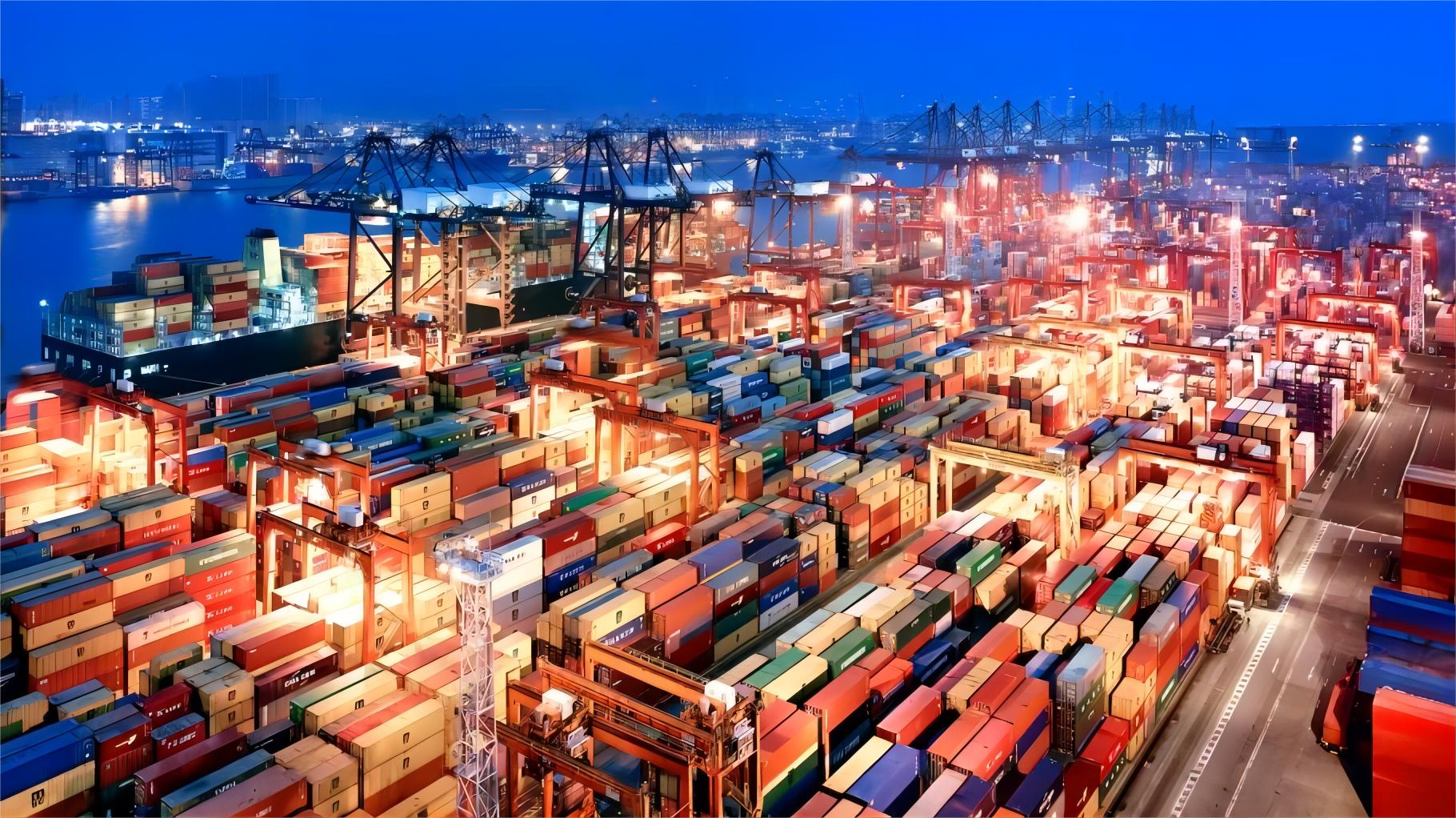
Cargo consolidation involves grouping multiple small shipments from different shippers into a single full container. This process, often referred to as Less than Container Load (LCL), allows businesses to pay only for the space they actually occupy. Consequently, small and medium enterprises can access the benefits of sea freight without needing to fill a 20-foot or 40-foot container on their own.
Furthermore, the consolidation process happens at a Container Freight Station (CFS) where various goods are carefully packed together. Professional freight forwarders manage the logistics to ensure that items with similar destinations and compatibility are grouped efficiently. Meanwhile, the cost of the entire container is divided among the participants based on the volume or weight of their specific cargo.
Indeed, this method has become the backbone of modern e-commerce and retail supply chains. Shippers enjoy lower entry costs compared to Full Container Load (FCL) shipping. Additionally, the flexibility of shipping smaller volumes more frequently helps maintain leaner inventory levels, which is a critical advantage in the fast-paced market of 2026.
Why Choose Cargo Consolidation Sea Freight for Your Business?
Cost efficiency remains the primary driver for choosing consolidated shipping solutions. By sharing the fixed costs of ocean transport, such as fuel and port fees, companies can drastically lower their per-unit shipping expense. Moreover, this approach eliminates the need to wait until a full container is ready, allowing for a more consistent flow of goods.
Reliability has improved significantly as technology enhances tracking and cargo handling. Modern logistics providers use advanced software to monitor every individual pallet within a consolidated container. Therefore, importers can provide accurate delivery estimates to their customers, enhancing overall satisfaction and trust in the brand.
Sustainability also plays a major role in the growing popularity of consolidation. Utilizing container space more effectively reduces the total number of shipments required, leading to a smaller carbon footprint per item. As environmental regulations tighten in 2026, choosing efficient cargo handling methods becomes a strategic necessity for global compliance.
How Does Cargo Consolidation Sea Freight Compare to Other Shipping Options?
Understanding the trade-offs between different transport modes is essential for making informed logistics decisions. While air freight offers unmatched speed, the cost is often ten times higher than sea-based alternatives. In contrast, consolidation provides a middle ground that balances budget and transit time for non-urgent inventory.
Choosing between LCL and FCL depends largely on your total volume and urgency. For shipments under 15 cubic meters (CBM), consolidation is typically more economical than paying for a half-empty 20GP container. However, once your volume exceeds a certain threshold, the flat rate of a full container may offer better value and faster transit times since it bypasses the CFS processing stage.
Hybrid solutions have also emerged as a viable alternative for many businesses. Some shippers combine sea freight with rail or road transport to reach inland destinations more effectively. Nevertheless, the core benefits of cargo consolidation sea freight remain the most attractive for companies looking to scale their international trade operations without massive upfront investments.
| Shipping Method | Cost Range (2026) | Transit Time | Best For |
|---|---|---|---|
| Sea Freight (LCL) | $50 – $160 per CBM | 25 – 45 Days | Small to Mid Volumes |
| Sea Freight (FCL) | $2,500 – $5,500 per Cont | 20 – 40 Days | Large Bulk Shipments |
| Air Freight | $4.50 – $10.00 per kg | 3 – 8 Days | Urgent / High Value |
| Express Service | $7.00 – $15.00 per kg | 2 – 5 Days | Samples / Documents |

The Step-by-Step Process of Sea Freight Consolidation
The journey begins with the collection of goods from various suppliers across China. These individual shipments are transported to a central warehouse or CFS near a major port like Shanghai or Shenzhen. At this stage, the logistics provider verifies the weight, dimensions, and packaging of each item to ensure they meet international shipping standards.
Next, the agent coordinates the loading of these disparate goods into a single container. This requires meticulous planning to prevent damage and optimize space utilization. Once the container is sealed, the provider manages the door to door logistics, including the initial drayage to the port terminal for loading onto the vessel.
Ocean transit follows, where the vessel carries the consolidated container to the destination port. Upon arrival, the container is moved to a local CFS for the ‘de-consolidation’ process. Here, the container is opened, and individual shipments are sorted for final delivery to their respective consignees. Throughout this entire process, transition words like ‘subsequently’ and ‘eventually’ help track the movement of goods.
Essential Documentation and Customs Brokerage
Navigating international customs requires precise documentation to avoid delays and additional costs. Every consolidated shipment must have its own Bill of Lading, Commercial Invoice, and Packing List. Because multiple shippers are involved, any error in one person’s paperwork can potentially delay the entire container, making accuracy paramount.
Professional customs brokerage services are invaluable during the consolidation process. These experts ensure that all harmonized system (HS) codes are correct and that all duties and taxes are calculated accurately. Consequently, the cargo can clear customs smoothly, allowing for timely delivery to the final destination.
Importers should also be aware of specific regional requirements. For instance, shipments to North America often require an Importer Security Filing (ISF) before the vessel leaves the port of loading. Failure to comply with these regulations can lead to heavy fines and prolonged storage fees at the port of discharge.
| Document Type | Purpose | Required For | Responsibility |
|---|---|---|---|
| Bill of Lading | Title of goods | All Shipments | Carrier / Agent |
| Commercial Invoice | Valuation for customs | All Shipments | Shipper / Seller |
| Packing List | Detailed contents | All Shipments | Shipper / Seller |
| Certificate of Origin | Identify source country | Specific Trade Agrmt | Shipper / Chamber |
Real-World Case Studies: Cargo Consolidation Success
Case Study 1: Electronics Distribution to Germany. Route: Shenzhen, China to Hamburg, Germany. Cargo: 450 units of consumer electronics, 4.2 CBM, 850 kg. Shipping Method: LCL Consolidation. Ocean Freight: $480. Origin/Dest Charges: $320. Total Landed Cost: $1,250 (excluding duties). Sea Transit: 32 days. Total Door-to-Door: 42 days. Key Insight: By using consolidation, the client saved $1,800 compared to a 20GP container and $3,500 compared to air freight. This shipment arrived in Europe during the Q1 2026 period when rates were stable.
Case Study 2: Home Decor to Los Angeles. Route: Ningbo, China to Los Angeles, USA. Cargo: Handcrafted wooden furniture, 8.5 CBM, 1,200 kg. Shipping Method: LCL Consolidation. Ocean Freight: $720. Origin/Dest Charges: $450. Total Landed Cost: $1,850. Sea Transit: 16 days. Total Door-to-Door: 25 days. Key Insight: The shipper utilized a direct consolidation service, avoiding transshipment hubs. This reduced the risk of damage to the fragile furniture and ensured the goods reached the West Coast market ahead of the summer peak season.
Note: Freight rates are subject to change based on fuel costs, carrier capacity, and seasonal demand. Contact us for a current quote tailored to your specific shipment.
Cost-Saving Strategies and Alternative Approaches
Optimizing your packaging is one of the most effective ways to reduce consolidation costs. Since LCL rates are calculated based on volume, minimizing wasted space within your boxes or pallets directly translates to lower freight bills. Additionally, using standard-sized pallets can help logistics providers fit your cargo more efficiently into the container.
Timing your bookings can also lead to significant savings. Rates typically increase during peak seasons, such as the period leading up to the Lunar New Year or the late summer rush for holiday inventory. By planning your shipments during slack periods, you can often negotiate better rates and secure space more easily on preferred vessels.
Consider hybrid strategies like Sea-Air if you face unexpected production delays. This method involves shipping by sea to a hub like Dubai or Singapore and then flying the goods to the final destination. While more expensive than pure sea freight, it is considerably cheaper than shipping by air the entire way from China, providing a balanced solution for time-sensitive cargo.
Which Option Should You Choose? Decision Framework
Budget priority should lead you toward LCL consolidation for any volume between 1 and 15 CBM. This range offers the best balance of cost and service. However, if your budget allows for higher costs in exchange for speed, air freight remains the only viable choice for shipments that must arrive within a week.
Cargo type also dictates the best method. Fragile or high-value goods may benefit from the reduced handling of FCL, where the container is sealed at the factory and only opened at your warehouse. Conversely, durable retail goods are perfect candidates for the consolidation process, where multiple handling points at the CFS are a standard part of the operation.
Volume thresholds are the most objective criteria. If your shipment is consistently over 15 CBM, you should request a quote for a 20-foot container. The price difference is often negligible at this point, and you gain the advantage of faster transit times and exclusive use of the equipment. Always consult with your freight forwarder to run a cost-benefit analysis for your specific route in 2026.
Summary of Cargo Consolidation Benefits
In conclusion, cargo consolidation sea freight offers an unparalleled combination of flexibility and affordability for modern businesses. By leveraging shared container space, you can maintain a steady flow of inventory without the high costs associated with full containers or air transport. As we navigate the logistics landscape of 2026, this method remains a cornerstone of efficient international trade.
Success in consolidation depends on choosing the right partner and maintaining accurate documentation. By following the strategies outlined in this guide, you can optimize your shipping budget and ensure your products reach global markets reliably. Start planning your next consolidated shipment today to take advantage of the current market trends and competitive freight rates.
Ready to streamline your logistics?
Ready to streamline your supply chain and reduce your shipping expenses? Our experts are standing by to provide a customized quote for your cargo consolidation sea freight needs. Contact Logistics From China today to discover the most efficient way to move your goods from the factory to your warehouse. Send Inquiry: https://logisticsfromchina.com/contact/
Request Quote