
International Ocean Freight Service: 2026 Global Shipping Guide
Navigating the complexities of global trade requires a reliable international ocean freight service to ensure your goods arrive safely and on schedule. Businesses often struggle with rising costs and unpredictable transit times in the modern logistics landscape. Logistics From China Logistics From China provides comprehensive solutions tailored to your unique shipping needs, helping you streamline operations and reduce overhead. This guide explores how you can leverage maritime transport to grow your business internationally in 2026.
What is International Ocean Freight Service?
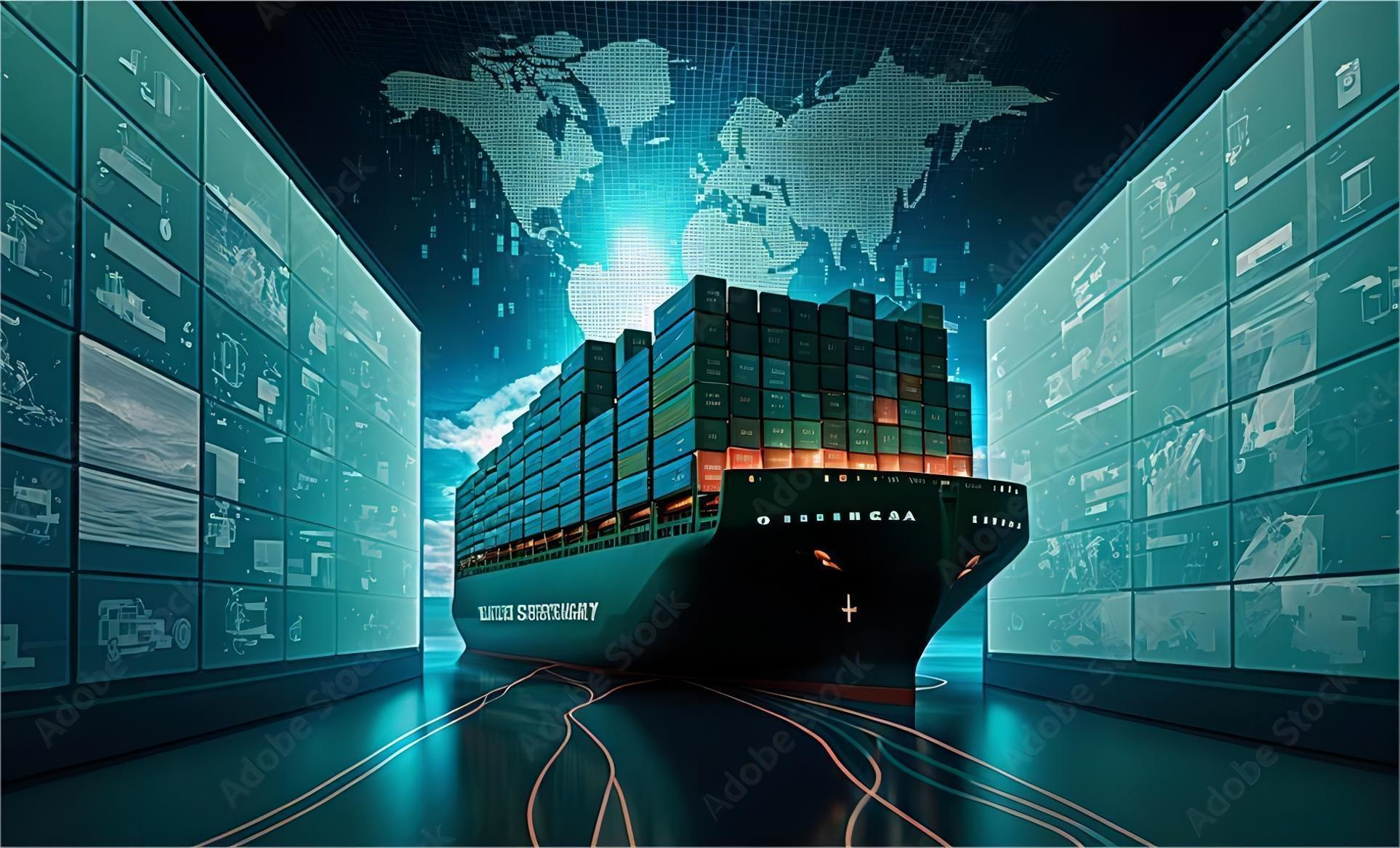
International ocean freight service represents the backbone of global commerce, moving over eighty percent of the world’s traded goods by volume. This method involves transporting large quantities of cargo via specialized vessels across international waters. Consequently, it remains the most cost-effective solution for long-distance transportation of heavy or bulky items.
Moreover, the industry has evolved significantly by 2026, integrating advanced tracking technologies and more sustainable fuel options. Shipping companies now offer diverse vessel types, including container ships, bulk carriers, and tankers, to accommodate various cargo requirements. Therefore, understanding the nuances of this service is essential for any importer or exporter looking to maintain a competitive edge.
Additionally, the reliability of sea transport has improved as carriers optimize their delivery schedules to avoid port congestion. Meanwhile, digital platforms have simplified the booking process, allowing businesses to manage their supply chain with greater transparency. Indeed, maritime logistics continues to be the preferred choice for businesses focusing on high-volume shipments.
FCL vs LCL: Choosing the Right International Ocean Freight Service
Selecting between Full Container Load (FCL) and Less than Container Load (LCL) is a critical decision for your logistics strategy. FCL involves renting an entire container for your goods, which offers maximum security and faster transit times. In contrast, LCL allows you to share container space with other shippers, making it an ideal choice for smaller volumes.
Furthermore, choosing sea freight options like FCL can significantly reduce the risk of damage since the container remains sealed until it reaches its destination. However, LCL provides much-needed flexibility for businesses that do not have enough inventory to fill a 20-foot or 40-foot container. Consequently, your choice will depend on your specific cargo volume, budget, and urgency.
Without a doubt, calculating the total landed cost is vital when comparing these two methods. While FCL has a higher upfront cost, the price per unit is often lower for large shipments. On the other hand, LCL rates are calculated based on volume, which can be more economical for shipments under 15 cubic meters.
| Feature | FCL Shipping | LCL Shipping | Best For |
|---|---|---|---|
| Cost Structure | Flat rate per container | Price per cubic meter | Budget planning |
| Transit Time | Faster (Direct) | Slower (Consolidation) | Urgent cargo |
| Security | High (Sealed) | Moderate (Handled) | Fragile goods |
| Volume | Over 15 CBM | 1 to 15 CBM | Small businesses |
How Does International Ocean Freight Service Compare to Other Shipping Options?
While ocean transport is the most common method, it is important to analyze how it stands against air and rail alternatives. Air freight offers unmatched speed but comes at a significantly higher price point, often five to ten times more expensive than sea transport. Conversely, rail freight provides a middle ground for shipments between China and Europe, offering faster transit than sea but lower costs than air.
Moreover, the environmental impact of maritime shipping is considerably lower per ton-mile compared to air transport. Therefore, businesses committed to sustainability often prioritize sea routes for their global distribution. Additionally, ocean vessels can carry hazardous materials and oversized cargo that are often restricted on airplanes.
Consequently, the best strategy often involves a hybrid approach depending on the specific needs of each shipment. For example, you might use sea freight for your core inventory and air freight for emergency restocks or high-value product launches. This balanced approach ensures both cost-efficiency and supply chain resilience.
| Shipping Method | Cost Range | Transit Time | Best For |
|---|---|---|---|
| Ocean Freight | $1,500 – $5,000 | 14 – 40 Days | Bulk/Heavy Goods |
| Air Freight | $5,000 – $25,000 | 3 – 7 Days | Urgent/High Value |
| Rail Freight | $3,000 – $7,000 | 18 – 22 Days | Mid-range urgency |
| Express | $200 – $1,000+ | 2 – 5 Days | Samples/Documents |

Key Factors Influencing Ocean Freight Rates in 2026
Several variables determine the current freight rates in the 2026 market, including fuel surcharges and seasonal demand. Specifically, the implementation of stricter maritime emission standards has led to the adoption of low-sulfur fuels, which can fluctuate in price. Furthermore, peak seasons such as the months leading up to the year-end holidays typically see a fifteen to twenty-five percent increase in costs.
Additionally, port efficiency and labor availability play a significant role in determining the final price of an international ocean freight service. When major ports face congestion, carriers may implement port congestion surcharges to offset the cost of waiting times. Meanwhile, geopolitical stability along major shipping lanes continues to influence insurance premiums and route selection.
Indeed, staying informed about these trends allows businesses to plan their budgets more effectively. For instance, booking your shipments four to six weeks in advance can often secure better rates and guaranteed space on vessels. Moreover, working with an experienced freight forwarder helps you navigate these fluctuations and find the most economical routes.
Navigating Customs Brokerage and Documentation
Handling the paperwork for international shipments is often the most challenging aspect of global trade. Every shipment requires a set of mandatory documents, including the Bill of Lading, Commercial Invoice, and Packing List. Consequently, errors in these documents can lead to significant delays and costly fines at the port of entry.
Furthermore, professional customs brokerage services are essential for ensuring compliance with local regulations. These experts manage the classification of goods under the Harmonized System (HS) codes, which determines the applicable duties and taxes. Additionally, they can help you identify potential trade agreements that might reduce your overall import costs.
Moreover, the transition to digital customs platforms in 2026 has streamlined the clearance process in many countries. Nevertheless, having a dedicated partner to oversee the submission of documents remains a best practice for avoiding administrative hurdles. Therefore, investing in proper customs management is just as important as choosing the right shipping route.
Major Shipping Routes and Transit Times
The primary shipping routes from China connect to major economic hubs in North America, Europe, and Australia. For example, shipments to the US West Coast typically take fourteen to eighteen days, while routes to the East Coast can take over thirty days via the Panama Canal. In contrast, shipping to Europe usually involves a thirty to thirty-five day journey through the Suez Canal.
Additionally, our door to door service options simplify these complex routes by managing every step from the factory to your warehouse. This comprehensive approach eliminates the need for you to coordinate multiple logistics providers. Meanwhile, transit times to Australia remain relatively short, often ranging between twelve and eighteen days depending on the specific port of loading.
Consequently, understanding these timelines is crucial for maintaining an efficient delivery schedule and meeting customer expectations. Furthermore, carriers frequently update their schedules based on seasonal weather patterns and global events. Therefore, always verify the current transit time with your logistics provider before finalizing your production deadlines.
Realistic Case Studies for 2026
Case Study 1: Electronics Distribution to North America. | Route: Shenzhen, China to Los Angeles, USA | Cargo: Consumer Electronics, 65 CBM, 12,000 kg | Container: 40HQ | Shipping Details: Major carrier, Direct Route | Cost Breakdown: Ocean Freight: $3,200; Origin Charges: $450; Destination Charges: $600; Total Landed Cost: $4,250 | Timeline: Booking to Loading: 4 days; Sea Transit: 16 days; Customs: 2 days; Total: 22 days | Key Insight: Direct sailing saved 5 days compared to transshipment options.
Case Study 2: Furniture Import to Europe. | Route: Ningbo, China to Hamburg, Germany | Cargo: Flat-pack Furniture, 28 CBM, 8,500 kg | Container: 20GP | Shipping Details: COSCO, Transshipment via Singapore | Cost Breakdown: Ocean Freight: $2,100; Origin Charges: $400; Destination Charges: $550; Total Landed Cost: $3,050 | Timeline: Booking to Loading: 5 days; Sea Transit: 32 days; Customs: 3 days; Total: 40 days | Key Insight: Utilizing a 20GP was more cost-effective than LCL for this specific volume.
Case Study 3: Industrial Parts to Australia. | Route: Shanghai, China to Melbourne, Australia | Cargo: Machine Components, 8 CBM, 2,000 kg | Container: LCL | Shipping Details: Major carrier, Direct Route | Cost Breakdown: Ocean Freight: $950; Origin Charges: $300; Destination Charges: $400; Total Landed Cost: $1,650 | Timeline: Booking to Loading: 3 days; Sea Transit: 15 days; Customs: 2 days; Total: 20 days | Key Insight: LCL provided the necessary flexibility for a mid-sized shipment without the cost of a full container.
Which Option Should You Choose?
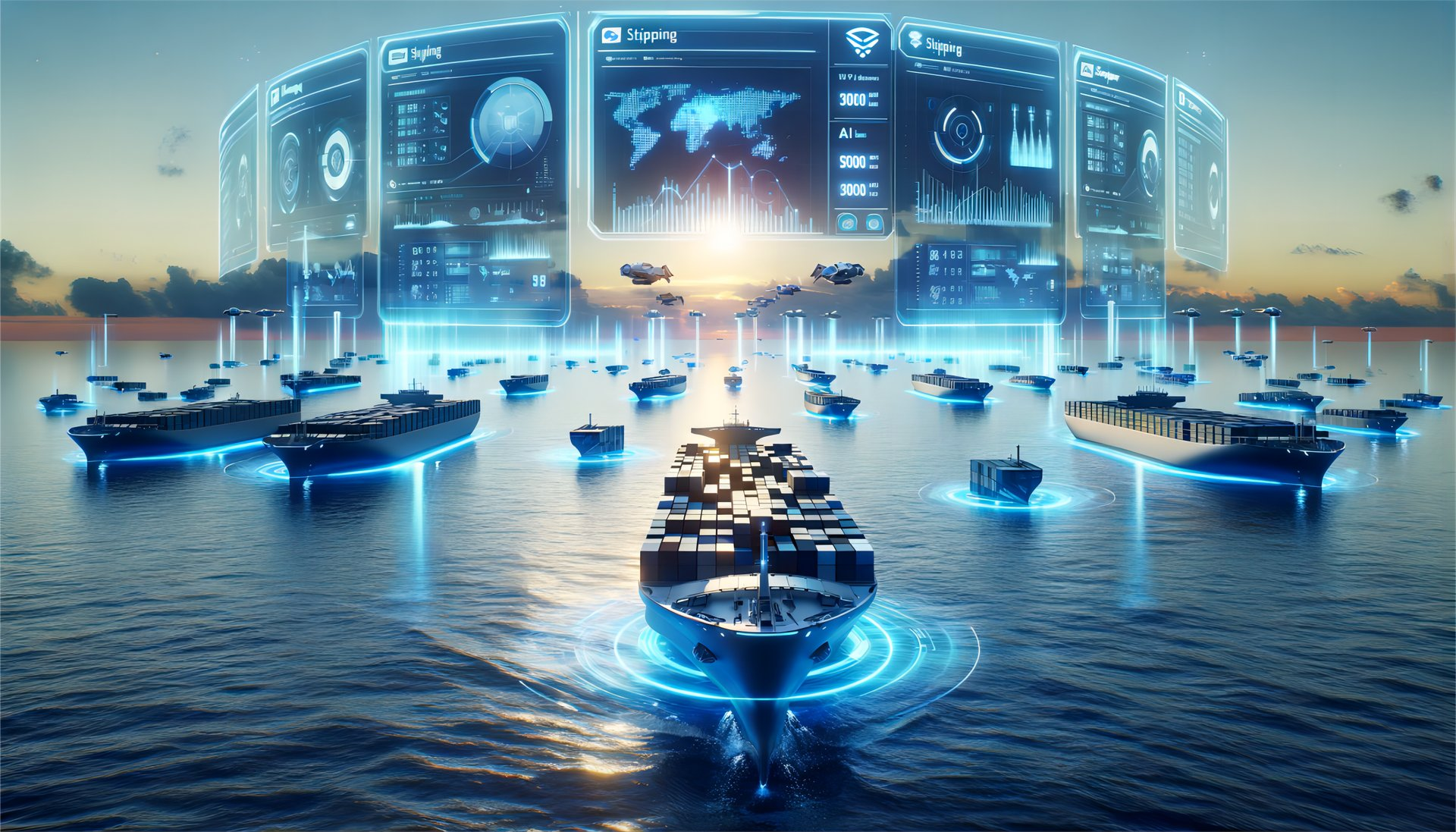
Deciding on the best international ocean freight service depends on your specific priorities regarding cost, speed, and cargo type. If your primary goal is budget optimization, FCL shipping for large volumes remains the undisputed leader. On the other hand, if you are shipping smaller quantities or testing new products, LCL offers the flexibility you need without a heavy financial commitment.
Additionally, for businesses selling on platforms like Amazon FBA, specialized sea freight services that include final-mile delivery are highly recommended. These services ensure that your goods meet the strict labeling and packaging requirements of fulfillment centers. Furthermore, always consider the nature of your goods, as fragile or high-value items might benefit from the added security of FCL.
Note: Freight rates are subject to change based on fuel costs, carrier capacity, and seasonal demand. Contact us for a current quote tailored to your specific shipment. Consequently, the most successful businesses are those that remain adaptable and work closely with their logistics partners to optimize every shipment.
Mastering Your Global Logistics
In summary, choosing the right international ocean freight service is a foundational element of a successful global business strategy. By understanding the differences between FCL and LCL, monitoring 2026 market trends, and preparing accurate documentation, you can significantly reduce shipping risks. Moreover, leveraging the expertise of a dedicated logistics provider ensures that your cargo moves efficiently through the global supply chain.
Indeed, the maritime industry continues to offer the most reliable and cost-effective way to reach international markets. Whether you are shipping to North America, Europe, or Australia, ocean freight provides the scale and flexibility required for modern commerce. Therefore, take the time to analyze your shipping data and choose the routes that offer the best balance of cost and transit time for your specific needs.
Need a tailored shipping solution?
Optimize your supply chain today with our professional international ocean freight service. Our team is ready to provide you with a customized quote that fits your business needs and budget. Visit https://logisticsfromchina.com/contact/ to get started.